
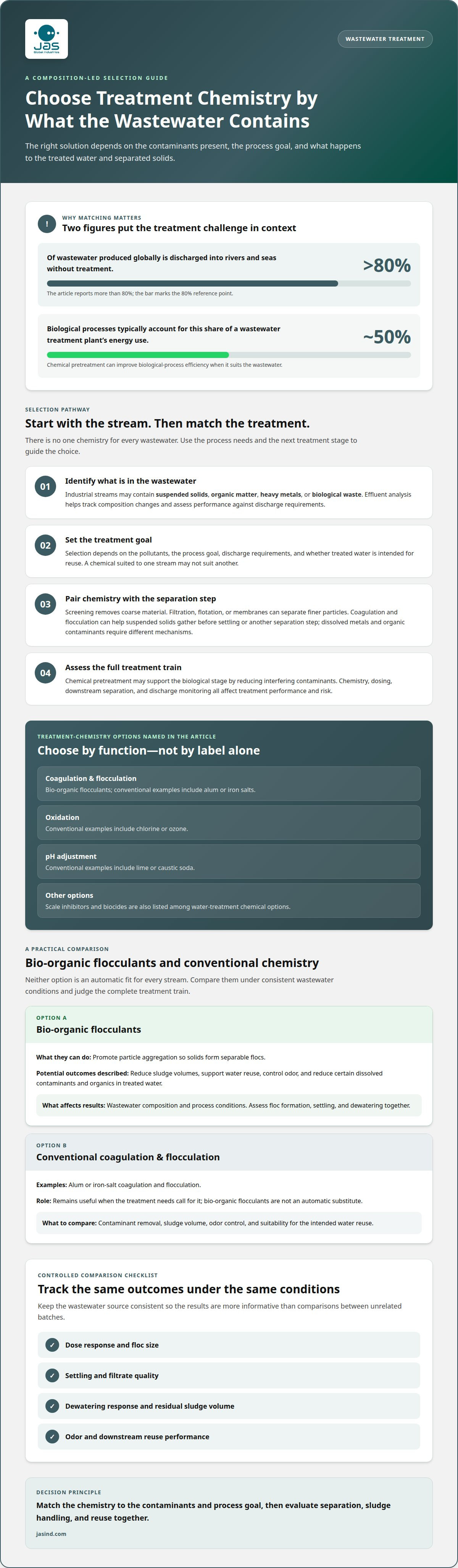
The right sustainable chemical solutions for water treatment depend on what the wastewater contains and what the process needs to remove. Industrial wastewater can include suspended solids, organic matter, heavy metals, or biological waste, so a chemical suited to one stream may not suit another. More than 80% of wastewater produced globally is discharged into rivers and seas without treatment, underscoring the need to match treatment choices to the problem.
Choosing a treatment approach isn’t simply a matter of replacing conventional chemicals with greener alternatives. It means weighing treatment performance alongside sludge handling, water reuse, energy demand, and wastewater characteristics. This article explains how wastewater composition shapes chemical selection, how bio-organic flocculants compare with conventional options, and what membranes, biological treatment, and green chemistry can contribute. It also shows how these approaches can work together in a treatment strategy grounded in process needs and resource protection.
Key Takeaways
- Match treatment chemistry to the wastewater’s contaminants and process goals; composition shapes which approach can work effectively.
- Compare bio-organic flocculants with conventional options in light of sludge handling, odor control, and water reuse needs.
- Understand how chemical precipitation works alongside physical separation in drinking-water treatment.
- Explore how membranes, biological methods, and other emerging technologies can complement chemical treatment.
Treatment chemicals for different wastewater compositions
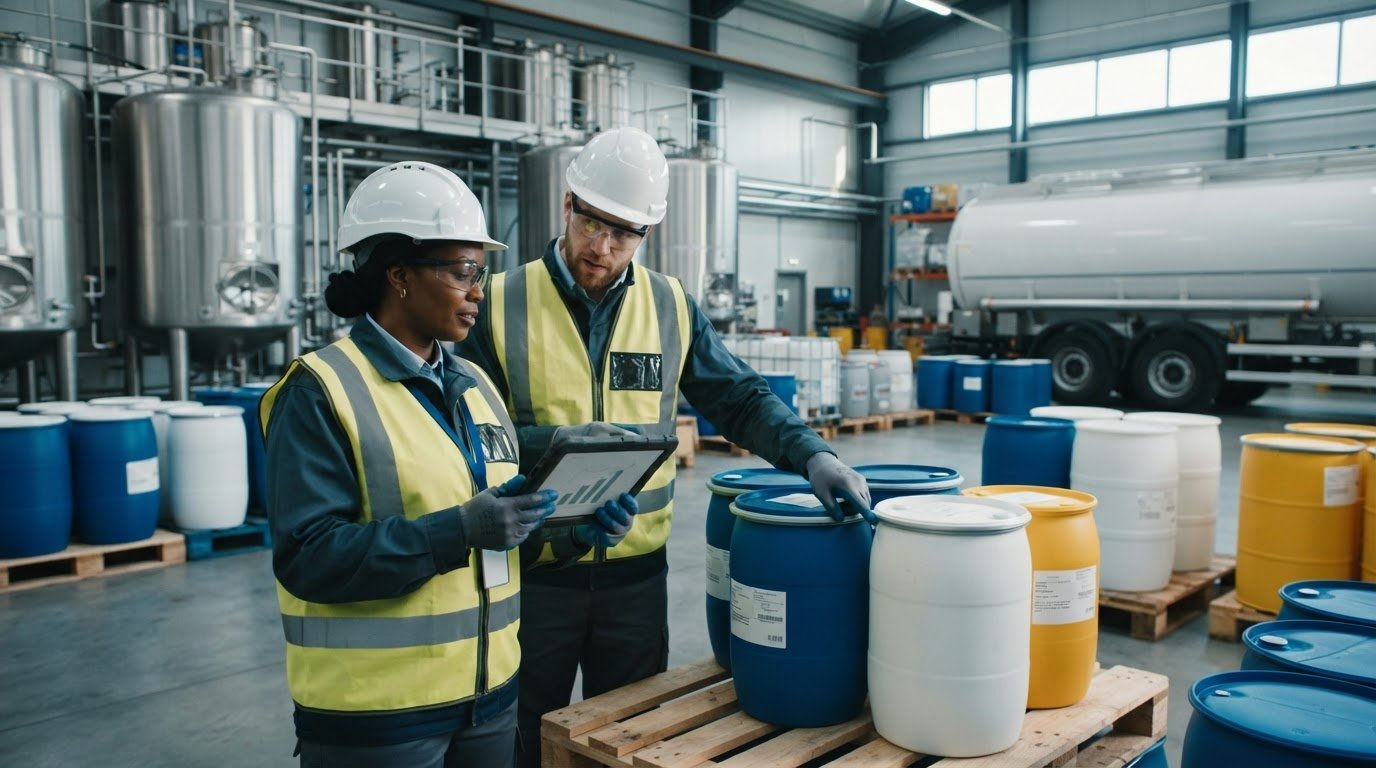
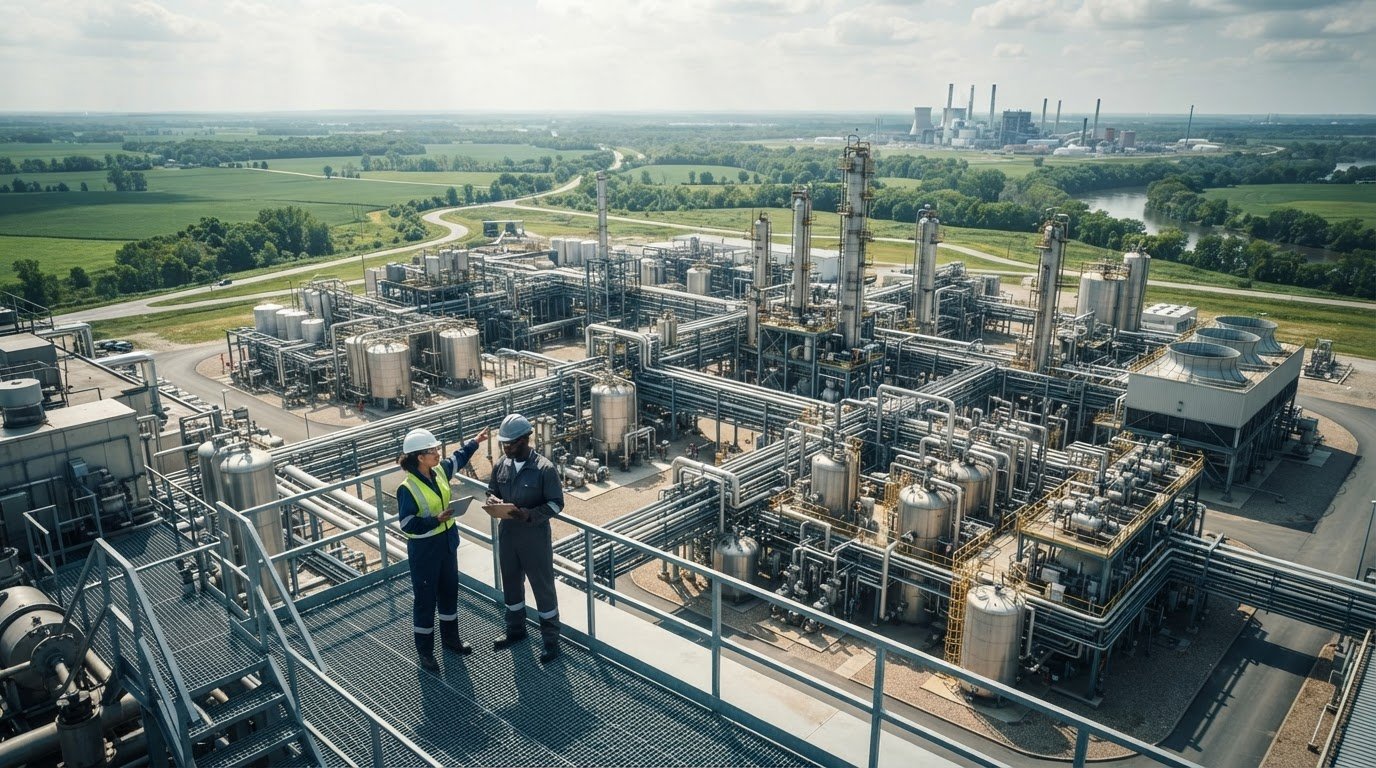
More than 80% of wastewater produced globally is discharged into rivers and seas without treatment. That figure makes wastewater composition a practical starting point, not a detail to address after chemical selection. Industrial streams can contain heavy metals, suspended solids, organic matter, or biological waste. Each contaminant behaves differently, so treatment needs to target the substances present and the next process stage.
What sustainable chemicals are used for water treatment? Options include bio-organic flocculants, coagulants, pH-adjustment chemicals, oxidants, scale inhibitors, and biocides. Conventional treatment may use alum or iron salts for coagulation and flocculation, chlorine or ozone for oxidation, and lime or caustic soda to adjust pH. Sustainable chemical solutions for water treatment are selected according to the pollutants, process goals, and discharge requirements.
Particle size also matters. Screening removes coarse material, while filtration, flotation, or membranes can separate finer particles. Suspended solids, for example, may respond to coagulation and flocculation before settling or another separation step. Dissolved metals and organic contaminants require different treatment mechanisms. Effluent analysis helps track changes in composition and assess performance against discharge requirements.
Energy use and emissions depend partly on how treatment stages are arranged. Biological processes typically account for about 50% of a wastewater treatment plant’s energy use. Chemical pretreatment before biological treatment can improve process efficiency, reduce carbon dioxide emissions, and save costs. The useful pretreatment depends on the wastewater, since removing or reducing interfering contaminants can support the biological stage.
What are the environmental and health risks of water treatment chemicals? Poorly matched treatment or inadequate control can leave unwanted substances in effluent, affecting aquatic ecosystems and the suitability of water for reuse. Chemical selection, dosing, and discharge monitoring all shape that risk. Requirements differ across jurisdictions, so facilities operating across borders need to account for regional discharge requirements. This supports the UN Sustainable Development Goal 6, which calls for clean water and sanitation for all by 2030.
Bio-organic flocculants compared with conventional chemicals
Bio-organic flocculants offer another approach to wastewater clarification and sludge handling. Their value depends on the treatment goal, wastewater characteristics, and whether the treated water is intended for reuse.
Reducing Chemical Use and Sludge
Plants can reduce chemical use and sludge by matching flocculant doses to solids loading and separating settled material efficiently. Liquid bio-organic flocculants can promote particle aggregation, helping solids form separable flocs. In wastewater and sludge-dewatering processes, they can reduce sludge volumes and support water reuse. Operators can compare treated-water clarity, dewatering response, and residual sludge as they adjust doses.
Treatment Performance and Water Reuse
Bio-organic flocculants can support wastewater treatment by controlling odor and reducing certain dissolved contaminants and organics in treated water. They can also support water reuse, where solids separation and the intended reuse quality both matter. Results depend on stream composition and process conditions, so assess floc formation, settling, and dewatering together. This comparison helps operators judge performance rather than assume one chemistry suits every stream.
Conventional approaches, including alum or iron-salt coagulation and flocculation, remain useful when treatment needs call for them. Bio-organic flocculants aren’t an automatic substitute. Compare contaminant removal, sludge volume, odor control, and reuse suitability under consistent wastewater conditions. A change in chemistry can affect downstream separation, so assess the complete treatment train.
A controlled comparison can track dose response, floc size, settling, filtrate quality, sludge volume, odor, and downstream reuse performance. Keeping the wastewater source consistent makes results more informative than comparing unrelated batches. For broader process planning, explore water treatment chemical options alongside flocculant performance and reuse goals.
Sludge-volume reduction and support for water reuse are relevant outcomes to consider together when reviewing a treatment choice. Keeping both in view frames the comparison around how solids will be handled and how the treated water will be used. The key question is whether a liquid bio-organic flocculant serves those goals in the wastewater process being assessed. This keeps the decision tied to the treatment purpose, with performance judged under the conditions being compared.
Chemical precipitation for drinking water
Chemical precipitation treats water by triggering reactions that convert selected pollutants into forms that can be separated. Oxidation, reduction, and precipitation each work differently, so the process depends on the contaminant and the required treatment outcome.
In precipitation, a treatment chemical reacts with a dissolved substance to form particles or solids. These can then be separated through a physical step. In physico-chemical treatment, chemical coagulation and flocculation help particles gather before separation. This sequence connects chemical reactions with processes such as settling or filtration, rather than treating them as independent steps.
What EPA rules apply to sustainable chemicals used in U.S. drinking water treatment? Applicable EPA requirements depend on the chemical’s intended use and the drinking-water treatment context. The word “sustainable” does not, by itself, establish that a chemical meets those requirements.
Selection starts with the target contaminant. Chemical treatment can use oxidation, reduction, or precipitation, while coagulation and flocculation condition particles for removal. Chemical precipitation is also used to remove undesirable substances, including bacteria, viruses, and parasites. These processes serve different roles, so the selected reaction should account for what follows, including how resulting solids will be separated.
Drinking-water treatment performance involves more than the initial reaction. A precipitation step creates material that must be captured and managed, while the following physical separation determines whether it leaves the water stream. Operators assess water composition, the reaction’s effect, and the separation method as connected stages. For example, coagulation and flocculation followed by separation form a physico-chemical process. This integrated view keeps contaminant removal and residual handling within the same treatment plan.
Controlling corrosion in metal pipes can help water infrastructure last longer and reduce the risk of iron or copper entering drinking water. This complements the treatment stages described above: precipitation and separation address substances in the water, while corrosion control addresses risks associated with metal pipes. Considering both connects treatment choices with the infrastructure carrying drinking water. Corrosion control does not replace contaminant removal; it plays a role in limiting the risk of iron or copper entering the water.
Emerging sustainable water-treatment technologies
Emerging approaches combine biological processes, membranes, and renewable energy with targeted chemical treatment. The strongest option depends on the contaminants, reuse goals, and how each technology fits the existing treatment train.
Green Alternatives to Chlorine
Utilities can use ultraviolet light, ozone, or biological disinfection as alternatives to chlorine in wastewater treatment. Each method offers a different route to disinfection, so the choice depends on process objectives and how treatment stages connect. UV uses light, ozone relies on oxidation, and biological methods use microorganisms. Comparing these approaches helps utilities consider disinfection alongside other treatment needs.
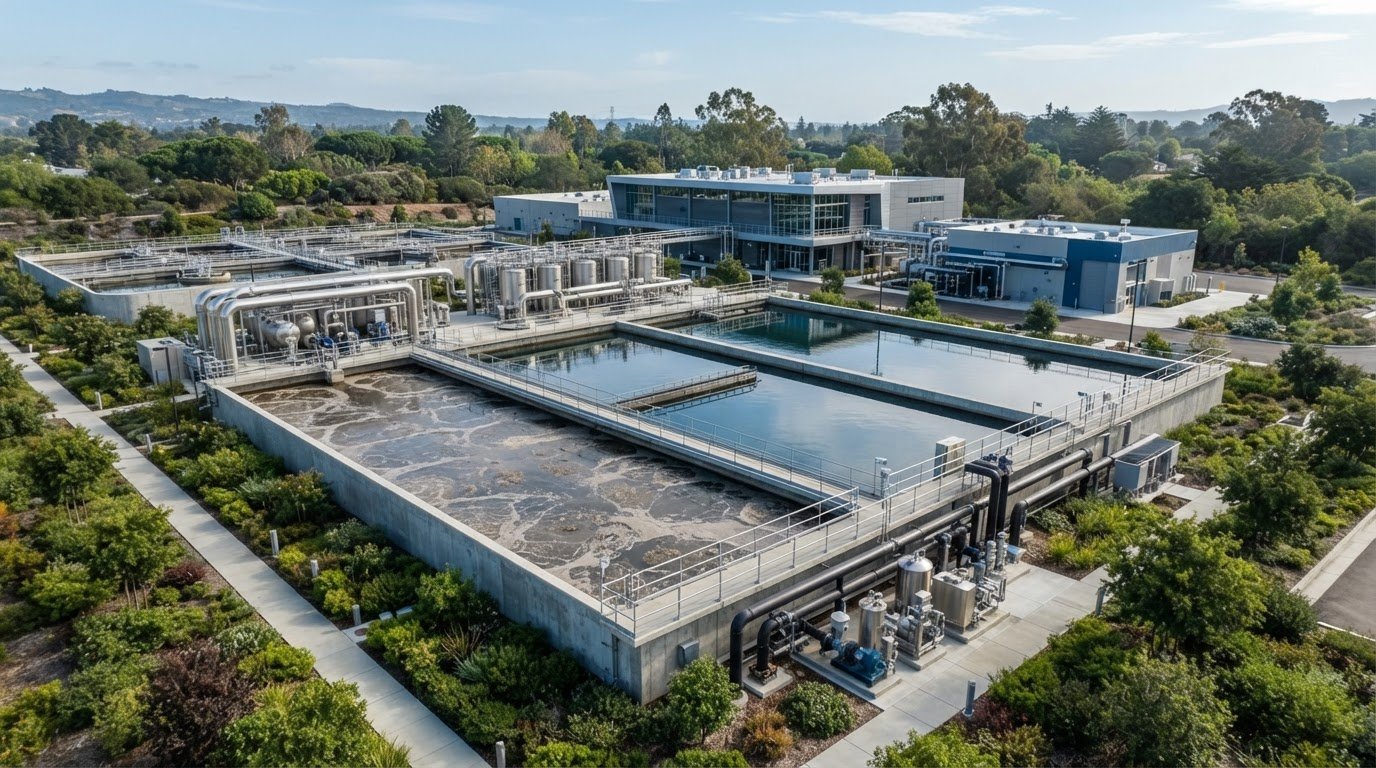
Other technologies target different contaminants. Advanced membranes and activated carbon can help remove micropollutants, while ultrafiltration and reverse osmosis provide membrane-based treatment. Biological nutrient removal and constructed wetlands offer approaches to nutrient management. Wetlands can help protect surface water and reduce algal blooms. These methods address distinct needs and are not interchangeable replacements.
Evaluating and Adopting Sustainable Chemicals
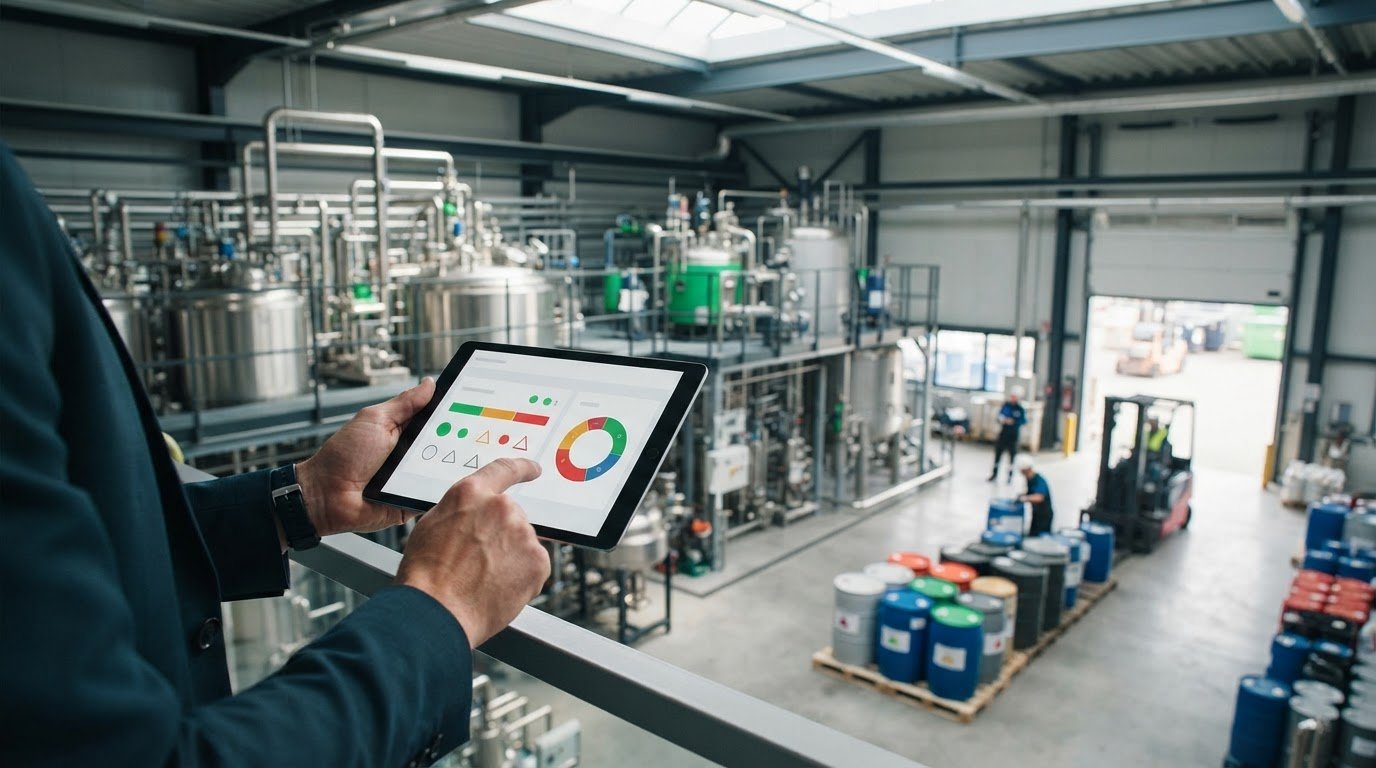
Utilities can evaluate treatment chemicals by defining target contaminants, intended water reuse, and treatment-stage requirements. They can then compare chemical performance with biological, membrane, and physical processes. Real-time monitoring of key process-stream parameters supports operational decisions and compliance. Regional discharge requirements also matter, particularly for operators managing facilities across jurisdictions.
Technology integration matters as much as selection. Anaerobic digestion and renewable energy can offer alternatives to grid-powered aeration, while solar or wind power can reduce treatment systems’ energy use and environmental impact. A facility addressing nutrients, for example, may consider biological removal or wetlands; one targeting micropollutants may assess membranes or activated carbon. Match each technology to a defined treatment objective, then assess its performance within the full process.
Explore water treatment chemical solutions as part of a treatment strategy tailored to process needs.
JAS Global Industries: Fertilizer Anti-caking Agents
JAS Global Industries is a relevant partner when water-treatment decisions intersect with fertilizer or mining process needs. Its specialty chemical offerings include Fertilizer Anti-caking Agents, Fertilizer Dust Suppressants, Mining Flotation Collectors, and Mining Grinding Aids. These products serve distinct operational applications; they are not substitutes for a wastewater-treatment program.
For readers assessing treatment chemistry, the practical next step is to define each process objective clearly. Water-treatment choices should respond to wastewater composition and reuse goals; fertilizer and mining chemicals serve their respective process needs. Separating these requirements helps teams identify the right chemical category for each operation without assuming one product serves every purpose.
Contact JAS Global Industries to discuss its fertilizer and mining chemical offerings.
Turn Treatment Priorities Into a Clear Plan
Make treatment priorities part of routine process planning. Set out the outcomes your operation needs, the conditions that could change those priorities, and how teams will review performance over time. A shared decision framework helps technical and operational teams assess proposed changes consistently and keep resource protection central to process decisions.
A decision framework also gives future evaluations a practical reference point. Record why a treatment approach was selected, which process objective it serves, and what operational signals would prompt a review. As production conditions evolve, this record can help teams distinguish a meaningful process change from routine variation and focus attention where it matters.
JAS Global Industries supports industrial operations with specialty chemical offerings for fertilizer and mining applications. For a conversation about its offerings and your operational requirements, contact JAS Global Industries. Thoughtful planning can help your team make the next decision with purpose and confidence.
Frequently Asked Questions
How do bio-based coagulants compare with conventional coagulants?
Bio-based coagulants can aggregate suspended particles, while conventional coagulants commonly use mineral salts such as alum or iron salts. Performance depends on water chemistry, suspended matter, and the treatment objective. For example, compare how each option affects particle removal, residuals, and downstream filtration using the same source water. The more suitable choice is the one that meets process needs while keeping residuals manageable.
How effective are biodegradable flocculants and coagulants at removing contaminants?
Biodegradable flocculants and coagulants can help remove suspended contaminants by bringing particles together for separation, but they don’t remove every pollutant through that mechanism. Dissolved contaminants may require a different treatment stage. Assess performance by tracking the target contaminant before and after treatment, then reviewing settling or filtration results. Water chemistry and particle characteristics shape how well the process works.