


What if the lowest-priced chemical costs more once it reaches your process? To understand how to calculate TCO for industrial chemical supply, look beyond the quoted price per ton. Dosage, process performance, freight, handling, storage, and waste can all affect the comparison. Start with the same cost boundary and review period for every option.
Procurement and operations teams need shared assumptions and evidence from the plant, not price sheets alone. This guide explains how to build a consistent lifecycle-cost comparison, calculate cost per treated volume or process output, and account for uncertainty without overstating what the numbers prove.
You’ll learn which cost categories to include, how to connect chemical use with the outcomes your operation needs, and how to present the findings in a transparent business case. JAS Global Industries supplies specialty chemical solutions and provides laboratory development, on-site implementation, and ongoing technical support to help assess dosage and operational assumptions against process evidence.
Key Takeaways
- Map acquisition and delivery, use, monitoring, and end-of-life costs to see what a quoted unit price leaves out.
- Use the same comparison period, process boundary, and output unit for every supply option.
- Learn how to calculate TCO for industrial chemical supply with a clear workflow that separates measured data from supplier inputs and estimates.
- Validate dosage and process assumptions with operational evidence before drawing conclusions about lifecycle cost.
- Use technical collaboration, including laboratory development and on-site implementation, to support a more grounded supply decision.
Why TCO for industrial chemical supply starts beyond the quoted price
A chemical quote is one input to a supply decision, not a measure of the full cost of running a process. Chemical-supply total cost of ownership (TCO) includes relevant lifecycle costs across procurement, delivery, use, and handling. The broader Total Cost of Ownership (TCO) concept distinguishes the initial purchase from costs incurred over a product’s lifecycle. For a recurring chemical supply, the calculation should reflect how the material is used and what process output it supports.
Set the assessment boundary before comparing options. Specify the chemical or formulation, delivery route, receiving site, process, and review period. Include a cost or operational effect only when it falls within that boundary and is supported by a record or reasonable estimate. For example, if the review covers one treatment line over a defined operating period, use costs and output for that line and period, not figures from an entire facility with different operating conditions.
What does TCO mean for a recurring chemical supply?
Separate one-time costs from recurring costs. Introducing a supply option may involve setup or onboarding work, while ongoing purchases and operation create recurring costs. Include either category only when it belongs to the agreed assessment boundary. Label the source of each figure, such as purchasing records, delivery documents, site logs, or an estimate, so teams can distinguish measured data from assumptions that still need validation.
The same quoted chemical price can lead to different site-level costs. Dosage, delivery route, handling practices, and process conditions may vary between locations. Consider two sites buying the same chemical: if their recorded usage per unit of output differs, comparing only the purchase price hides that difference. Don’t assume its cause or assign a cost to an operational effect without supporting site evidence.
Why compare cost per process outcome?
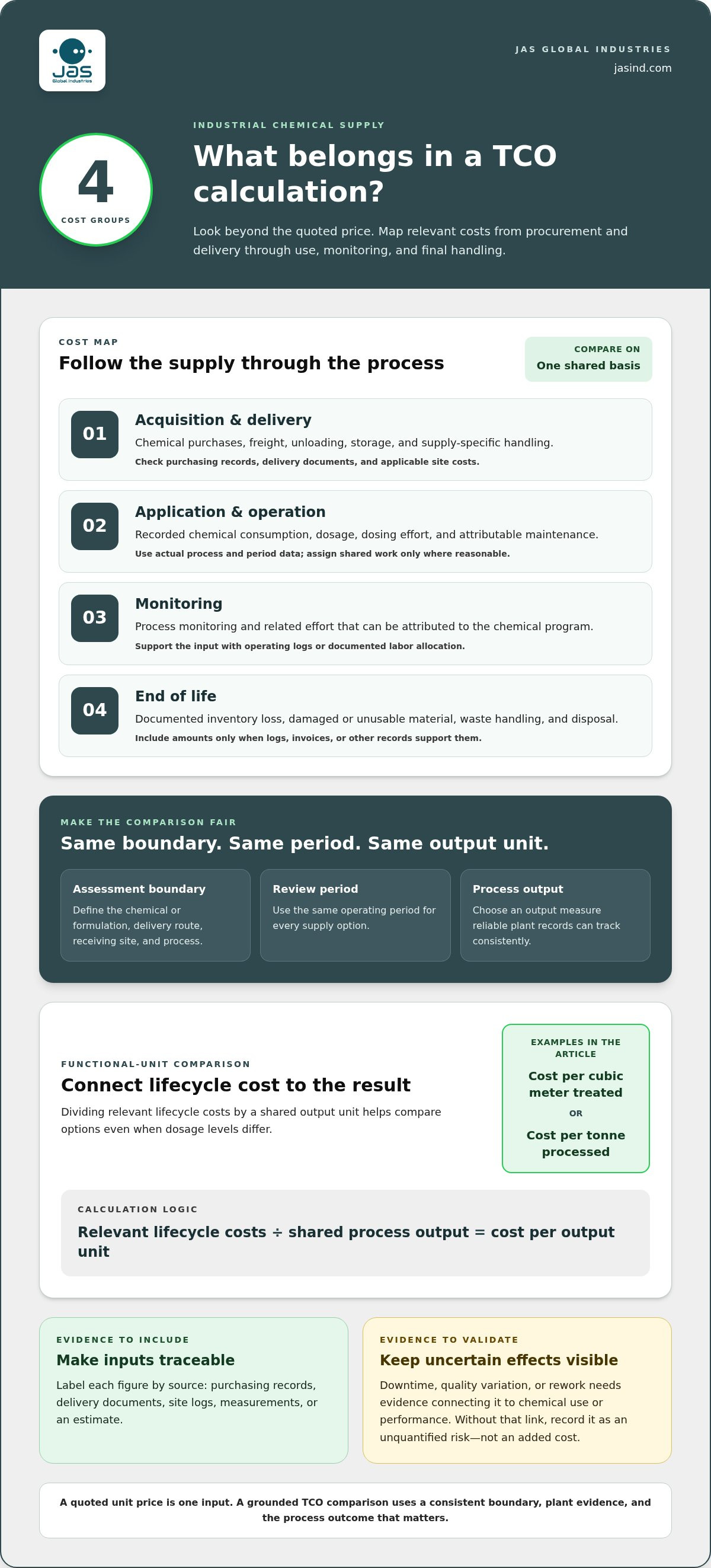
A functional unit connects cost to the result the operation needs. Depending on the process, that could be cost per cubic meter treated or per tonne processed. Dividing relevant lifecycle costs by a shared output unit makes it possible to compare options even when dosage levels differ. Use a denominator that matches reliable plant records, such as measured treatment volume or processed tonnage, for the same review period.
This is the practical starting point for how to calculate TCO for industrial chemical supply: define the boundary, then choose an output measure the site can track consistently. If one option is evaluated against treated volume and another against chemical purchased, the comparison isn’t like for like. Include process effects only when evidence connects them to the assessment, and record assumptions separately so procurement and operations can review them together.
Which cost categories belong in an industrial chemical TCO calculation?
A useful chemical-supply model follows costs from the order through use and final handling. Organize inputs into four groups: acquisition and delivery, application and operation, monitoring, and end of life. This structure captures recurring supply costs while keeping recorded expenses distinct from operational effects that need plant evidence.
Direct supply and handling costs to capture
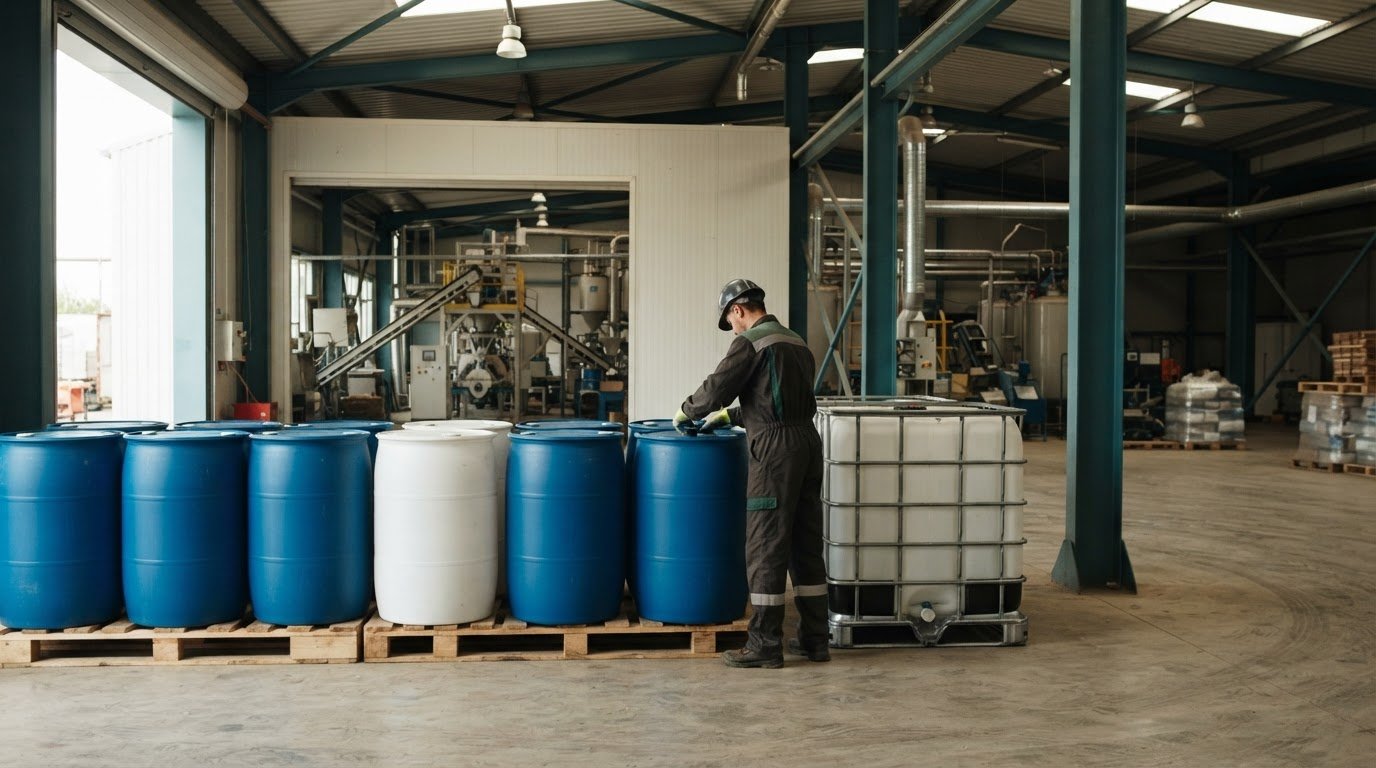
Start with procurement records. For each option, record the chemical quantity, unit basis, order frequency, and agreed delivery terms over the review period. Break out freight, unloading, storage, and handling where those costs apply to the supply arrangement. Keeping these items separate shows whether a cost difference comes from the chemical itself or from how it reaches and moves through the site.
Then check site records for inventory losses, damaged or unusable material, and disposal. Don’t add a general allowance simply because loss or disposal might occur. Include these costs when logs, invoices, or other relevant records support the amount or frequency. This prevents speculative costs from distorting the comparison.
Operating and process costs to assess
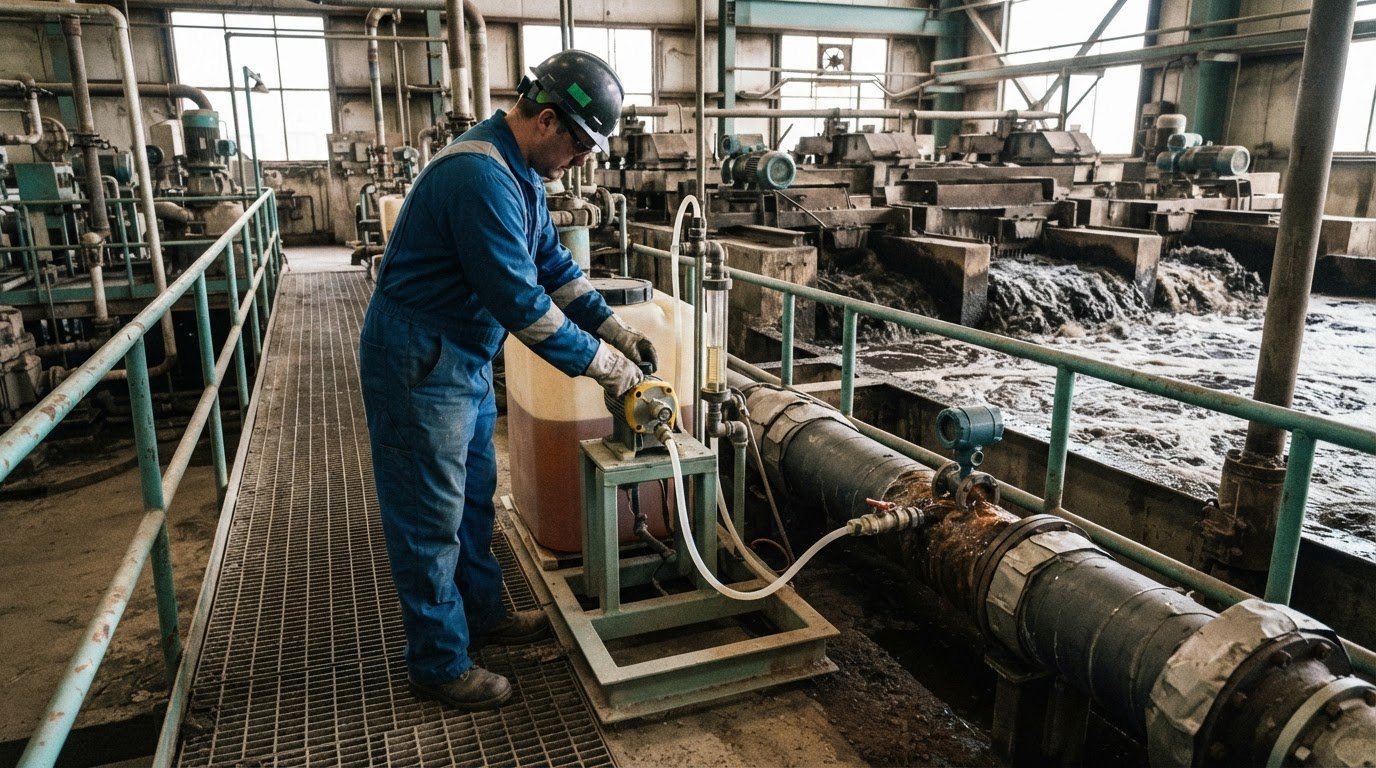
Use actual dosage and consumption data for the process and period being assessed. Add monitoring, dosing, and maintenance effort only when it can be attributed to the chemical program, using records such as operating logs or documented labor allocation. If a task supports several processes, include only the portion that can reasonably be assigned to the defined assessment.
Costs linked to downtime, quality variation, or rework need stronger evidence. A recorded production interruption, for example, doesn’t show by itself that the chemical caused it. Look for operational documentation connecting the event to chemical use or performance, and state how you assigned any resulting cost. If that link can’t be demonstrated, list the effect as an unquantified risk instead of adding it to the total.
Use this checklist to keep the categories clear:
- Acquisition and delivery: chemical purchases, freight, unloading, and supply-specific handling.
- Use and monitoring: recorded consumption, dosing effort, process monitoring, and attributable maintenance.
- End of life: documented inventory loss, waste handling, or disposal associated with the assessment.
- Operational impacts: evidenced downtime, rework, or quality-related costs, recorded separately from direct procurement inputs.
Label each input by source and confidence, such as an invoice, site measurement, or estimate. That makes gaps visible and gives procurement and operations a shared basis for reviewing assumptions. For a chemical TCO assessment, specialty chemical technical support can help teams assess dosage assumptions alongside plant evidence. This is a sound foundation for how to calculate TCO for industrial chemical supply without treating every possible impact as a proven cost.
How to compare chemical suppliers using a fair TCO basis
A supplier comparison is meaningful only when each option is assessed against the same operating context. Set one review period, process boundary, throughput basis, and functional unit, then apply them consistently. This prevents differences in site scope or calculation method from being mistaken for differences in value. It also clarifies which inputs come from supplier submissions, plant records, or estimates.
Choose a functional unit and common comparison boundary
Use a denominator operations teams already measure reliably, such as cost per cubic meter treated or tonne processed. Compare the same process and throughput basis under reasonably comparable operating conditions. If supplier offers use different concentration or packaging bases, document a conversion method using the information provided. Don’t treat differently stated quantities as equivalent without showing how you reconciled them.
A comparison worksheet makes the basis visible. For each option, record:
- Supplier-submitted inputs: quoted quantity basis, dosage guidance, delivery terms, and any stated assumptions.
- Site-measured data: actual consumption, process output, delivery and handling records, and relevant operating conditions.
- Calculated estimates: converted quantities, normalized cost per output unit, and derived values, with the formula or method noted.
- Confidence and limitations: source, measurement period, and known gaps for each important input.
This layout keeps estimates distinct from recorded costs. It also helps procurement and operations identify where they agree, where assumptions differ, and what evidence would improve the comparison.
Assess alternatives with operational evidence
Use comparable plant records to establish actual consumption, or plan a controlled evaluation that measures options under defined conditions. Compare dosage, delivery, and handling alongside verified process outcomes. Don’t assume two products perform identically or attribute a change in output or quality to the chemical program without supporting measurements.
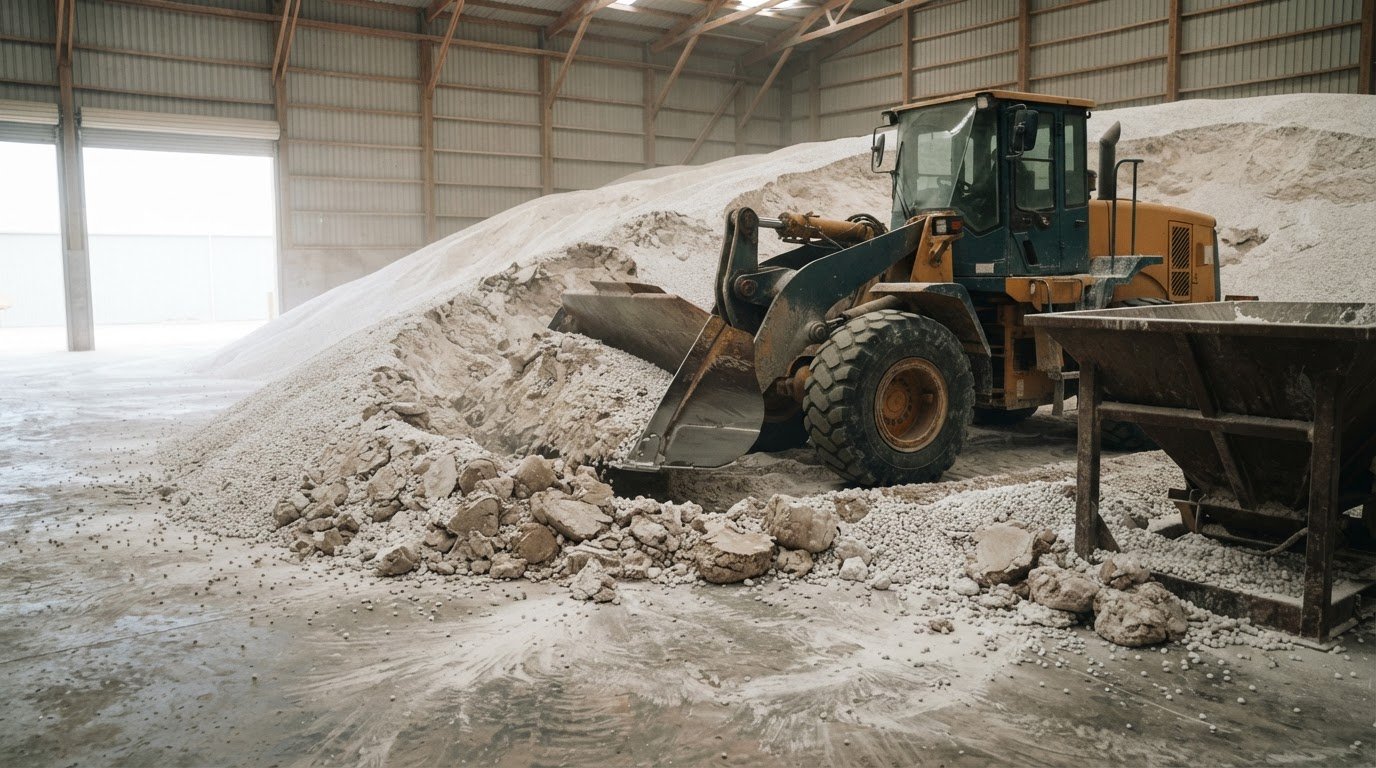
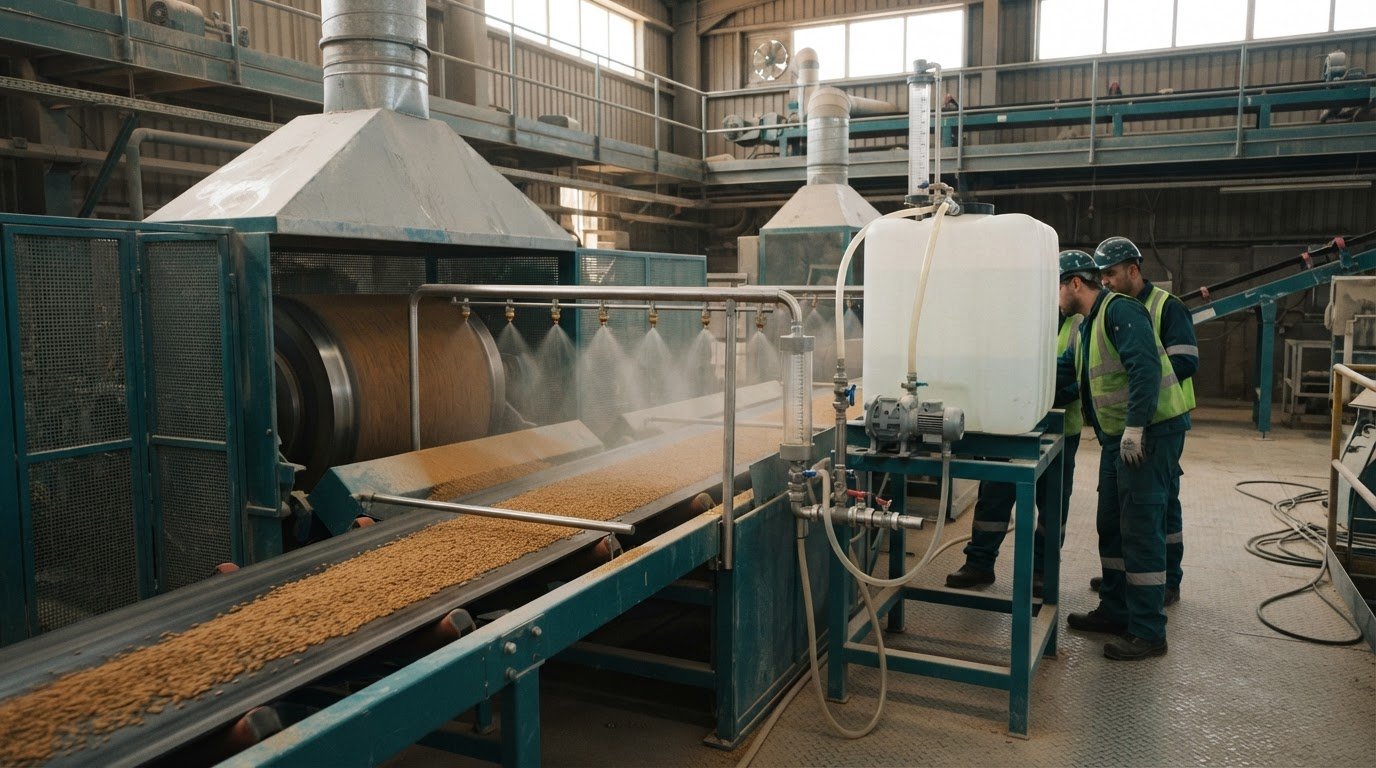
For example, a fertilizer operation assessing anti-caking agents could compare consumption against a consistent production basis and review documented handling outcomes under the same process conditions. JAS Global Industries supplies fertilizer anti-caking agents. The guide to anti-caking agents provides related background; the TCO comparison should focus on the site’s measured use and relevant records, without presuming a particular result.
Show uncertainty beside the result. If one option’s dosage comes from supplier guidance while another’s comes from measured site use, label that difference rather than presenting both as equally certain. Then calculate cost per functional unit using the same method for each option. This is central to how to calculate TCO for industrial chemical supply fairly: normalize the comparison, preserve the evidence trail, and make uncertainty visible before drawing a conclusion.
How to calculate TCO for industrial chemical supply step by step
A decision-ready calculation needs a defined scope, traceable inputs, and a result operations teams can interpret. Keep each supplier’s figures tied to the same site, process, and output basis. The steps below explain how to calculate TCO for industrial chemical supply while making evidence and uncertainty visible.
Collect inputs and calculate the baseline
Set the site, process, comparison period, and functional unit first. Then gather records that match that scope, including purchasing and delivery documents, chemical consumption, handling, and relevant operating data. Label every value as measured, supplier-submitted, or estimated. Keep exclusions visible too. Missing information is not zero, and gaps should not be filled with unsupported assumptions.
- Define the boundary. State which chemical supply option, delivery route, process, site, and review period the model covers. Choose an output unit supported by plant records.
- Collect the inputs. Assemble relevant procurement, logistics, consumption, handling, monitoring, and operating records. Note the source and period for each figure.
- Classify the evidence. Mark site-measured values, supplier inputs, and calculated estimates separately. Record the method used for any conversions or allocations.
- Sum included lifecycle costs. Add only costs within the agreed boundary and supported by records or clearly identified estimates. List excluded items and explain why they are excluded.
- Normalize each option. Apply the same functional unit and calculation method to every supply option, then review the result with relevant stakeholders.
Formula: TCO per process-output unit = relevant lifecycle costs for the review period ÷ measured process output for that period. For example, divide total included costs by recorded treated volume when comparing cost per cubic meter treated. Keep the cost period and output period aligned.
Validate assumptions and make the result decision-ready
Procurement can verify order, delivery, and invoice inputs. Operations can review dosage, consumption, and output records. Finance can check cost allocation and calculation logic. Resolve mismatched periods or units before comparing results, and document any assumptions that remain. The model is more useful when each team can see how its information contributes to the conclusion.
Run sensitivity checks on uncertain inputs, such as dosage, delivery, or operating assumptions. Recalculate using reasonable alternative values supported by available evidence, then note whether the supplier ranking changes. This doesn’t make uncertain inputs certain; it shows how much the decision depends on them. Record data gaps, exclusions, calculation methods, and the review date so future assessments can use a consistent basis.
A grounded assessment can draw on JAS chemical supply evaluation, including laboratory development, on-site implementation, and ongoing technical support to review dosage assumptions against plant evidence.
Turn a chemical TCO assessment into a stronger supply decision with JAS
A lifecycle-cost model becomes more useful when its assumptions reflect the process where the chemical will be used. Technical collaboration can help define the assessment boundary, identify relevant operating records, and distinguish measured results from projections. JAS Global Industries has supplied specialty chemical solutions since 1998, including for mining, fertilizers, and water treatment. Its laboratory development, on-site implementation, and ongoing technical support can inform a project-specific review.
Use technical expertise to validate the cost model
Laboratory development can contribute to formulation and process assessment, helping teams examine technical assumptions before treating them as established plant outcomes. On-site implementation supports evaluation under actual operating conditions, where dosage and process records can be considered in context. The purpose is to strengthen the evidence behind the model, not to promise savings or a particular performance result before project data supports it.
For example, if an assessment depends on whether dosage assumptions reflect a site’s process conditions, technical teams can review those assumptions alongside available laboratory or plant evidence. Include a change in consumption, output, or operating effort in the calculation only when the evaluation provides a basis for attribution. JAS’s specialty chemical and process-optimization expertise can help frame that technical discussion while keeping the financial model transparent.
A useful review connects four elements:
- Process scope: the site, application, operating conditions, and period being assessed.
- Outcome unit: a plant-recorded measure, such as treated volume or processed tonnage.
- Cost categories: relevant supply, handling, use, monitoring, and other documented costs within the boundary.
- Evidence: procurement records, measured consumption and output, and clearly labeled assumptions or estimates.
Move from comparison to a practical next step
Bring procurement and operations together around the same scope and evidence. A shared review can clarify which inputs are documented, which need validation, and how uncertainty affects the comparison. JAS serves customers globally, with a particularly strong presence across the GCC, and its research and innovation centers, manufacturing plants, and technical capabilities support work across specialty chemical applications.
Use this framework to prepare the process boundary, outcome measure, cost inputs, and records for discussion. That gives a project-specific TCO assessment a clear starting point without assuming the result in advance. Information about JAS’s technical support is available at JAS Global Industries.
Make the next supply decision more resilient
A TCO model can do more than rank supplier options. It can establish a repeatable decision process that your team revisits as operating conditions, supply arrangements, and process priorities change. Keep assumptions visible and update them when new site evidence becomes available. That way, the calculation remains a working tool rather than a one-time procurement exercise.
Knowing how to calculate TCO for industrial chemical supply also creates a useful basis for technical collaboration. A project-specific discussion can connect the model to your process requirements and identify which assumptions deserve closer review. JAS Global Industries brings specialty chemical experience across global markets, with a particularly strong presence in the GCC, and supports customers through laboratory development, on-site implementation, and ongoing industrial support.
Bring your process needs and assessment questions into the next conversation. Discuss a project-specific chemical supply assessment with JAS and take an evidence-led step toward a more confident supply decision.
Frequently Asked Questions
How long should the assessment period be for chemical supply TCO?
Choose a period that matches the procurement decision and the operating pattern represented in your records. If production runs in distinct campaigns, avoid averaging them together unless the same mix applies to every option. The period may vary with the decision and available evidence. State the dates and note shutdowns, feed changes, or unusual production conditions so reviewers understand what the comparison represents.
Can I calculate TCO if some chemical cost data is missing?
Yes. You can create a preliminary model with incomplete data as long as estimates are visibly distinguished from measured facts. When applying how to calculate TCO for industrial chemical supply, flag the missing item, identify which option it affects, and test whether plausible values could change the decision. For example, if a delivery record is missing, show that gap separately and use the relevant invoice or receiving record before treating the comparison as final.
What happens if suppliers quote chemicals on different concentration or packaging bases?
Convert the offers to a common, documented basis before comparing quantities. Preserve each quote’s original units and the concentration or package information supplied, then record the conversion method so another reviewer can reproduce it. A conversion makes the quantity basis comparable; it doesn’t establish that dosage or process performance is equivalent. Keep those technical assumptions separate and validate them with evidence relevant to the application.
How can I account for uncertain chemical dosage in a TCO model?
Use site consumption records where available, and clearly distinguish them from recommendations or projections. If dosage varies, model a reasonable range based on available evidence rather than selecting a single value without explanation. For example, compare the result using lower and higher supported dosage assumptions, then check whether the preferred option changes. Note the operating conditions behind each case and what additional measurement could narrow the range.
Should environmental and compliance costs be included in chemical supply TCO?
Include applicable costs when they belong to the assessment boundary and you have records or a verified basis for them. Separate expenses already recorded from estimated impacts and qualitative considerations, such as a potential operational risk. Requirements can depend on the location and application, so verify relevant requirements for the site before using them in a business case. Don’t assign a monetary value to an impact without supporting evidence.
How often should an industrial chemical TCO comparison be reviewed?
Review the comparison when a material input changes, such as process conditions, delivery arrangements, consumption patterns, or the procurement scope. Keep the previous version’s assumptions and source records so the team can tell whether a changed result reflects new operations or a different calculation method. If underlying conditions remain stable, review the comparison when a supply decision is revisited, using the same units and boundaries.