


A second supplier isn’t a safeguard if its chemical can’t perform in your process. De-risking your chemical procurement strategy means reducing dependence without trading supply continuity for inconsistent performance, added complexity, or avoidable cost. That balance matters when a critical input is exposed to disruption, changing requirements, logistics constraints, or raw-material availability.
Qualifying alternatives takes time, and a poor substitution can create operational risk of its own. This guide shows how to identify vulnerabilities that could affect production, compare single, dual, and diversified sourcing against business needs, and set clear criteria for evaluating alternatives. It also covers practical qualification and review steps, so resilience is built before a disruption forces a rushed decision. From mapping supplier and geographic exposure to assessing process fit and maintaining technical oversight, the goal is a sourcing strategy that protects continuity while keeping complexity proportionate.
Key Takeaways
- Map each critical chemical to its operational use, supply dependencies, and documentation needs. Prioritize the inputs where disruption could have the greatest effect.
- Choose single, dual, or multi-sourcing based on continuity needs, coordination effort, and the consistency your process requires.
- Set technical requirements before screening substitutes, then evaluate alternatives in stages before approving them for operational use.
- Bring procurement, operations, quality, and technical teams into qualification so responsibilities and readiness criteria are clear before changing an established input.
- Application-specific technical collaboration, including laboratory development, on-site implementation, and ongoing support, can complement a broader sourcing resilience plan.
Why De-Risking Your Chemical Procurement Strategy Starts with Operational Exposure
De-risking your chemical procurement strategy means reducing vulnerabilities that could interrupt access to a material while preserving the needs of the process and finished product. It isn’t a mandate to replace an established supplier or add another source for every input. The goal is to understand where dependence matters, prepare proportionate options, and make decisions before time pressure narrows them.
A supplier problem is only one possible exposure. A supplier may be reliable while its feedstock comes from a constrained source, deliveries depend on a vulnerable route, or a regulatory change affects documentation or market access. This broader view aligns with the identification, assessment, treatment, and monitoring principles described in Supply Chain Risk Management. For chemical buyers, the assessment must also consider whether a material change could affect process stability or product quality.
Which Chemical Procurement Risks Deserve Priority?
Map the exposure around each important material: supplier dependence, production and sourcing geography, transport routes, upstream raw materials, replenishment constraints, and required documentation. Then consider supplier financial stability, demand changes, compliance obligations, and environmental requirements relevant to the markets where the chemical is used or supplied. These factors can compound one another. A concentrated source deserves closer attention when alternative routes are limited.
Separate evidence from assumptions. Record what is known, the basis for it, and what remains uncertain. A documented reliance on one supplier, for example, is different from an unverified concern about that supplier’s financial position. Flag information gaps for follow-up rather than treating them as confirmed threats. This helps teams focus research and mitigation on exposures that could affect operations, rather than building a plan around speculation.
How Does Chemical Criticality Change the Risk Assessment?
Assess each chemical by the operational consequences of interruption, the availability of technically acceptable substitutes, and the time and work required to qualify them. A routine material with several approved alternatives may need a lighter review than a specialized input closely tied to process stability or product quality. Qualification can include checking specifications, evaluating performance in the relevant application, and coordinating technical and quality approval.
Classify materials in practical terms, such as high, medium, or lower criticality, and document the reason for each rating. Consider whether a short interruption would pause production, constrain output, or require a controlled process adjustment. A substitute that exists on paper isn’t necessarily ready for use. The time needed to establish its fit is part of the exposure.
Prioritize chemicals with high operational impact, few viable substitutes, or lengthy qualification requirements. This keeps attention on risks that could materially affect continuity. Resilience means having a reasoned response ready, whether that involves closer monitoring, a qualified alternative, or a review of replenishment assumptions. It does not mean changing a supplier or material without a clear operational case.
Build a Chemical Procurement Risk Assessment Before Choosing Sourcing Options
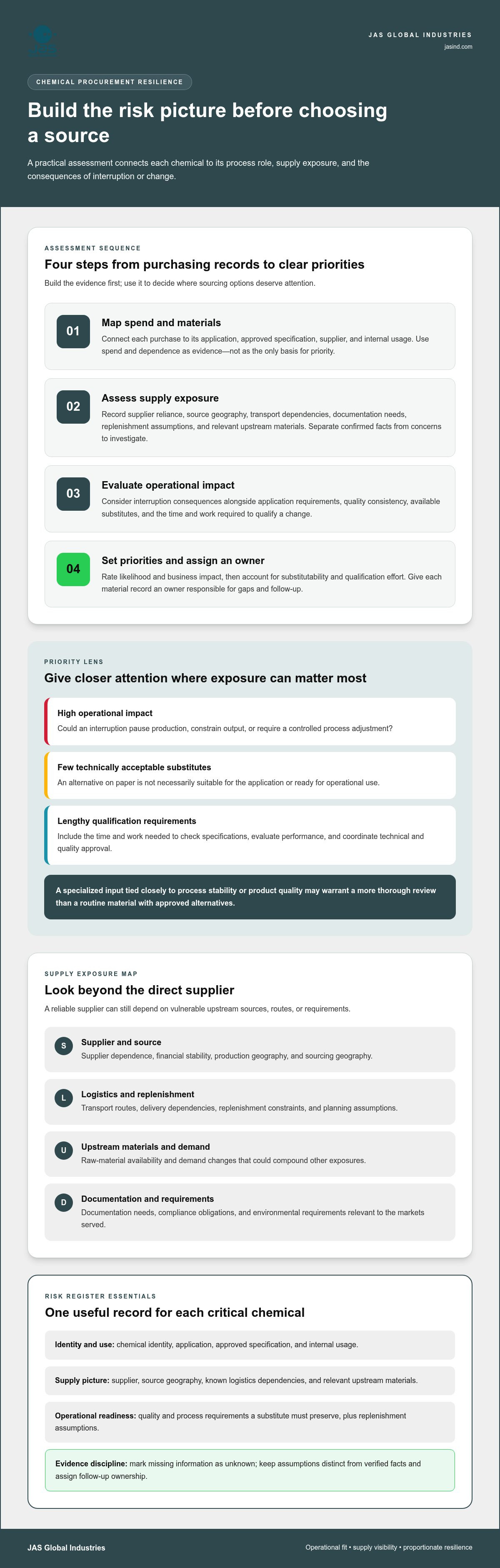
A useful assessment connects purchasing records to what each chemical does in the process. It should show where supply might be exposed and what an interruption or material change could mean for product quality, process stability, and production. Build the evidence first, then use it to decide where sourcing options warrant attention.
Work through the assessment in sequence:
- Map spend and materials. List chemical purchases and connect each material to its application, approved specification, supplier, and internal usage. Use purchasing records to identify spend and dependence, but don’t let spend alone determine priority.
- Assess exposure. Record supplier reliance, source geography, known transport dependencies, documentation needs, replenishment assumptions, and relevant upstream materials. Distinguish documented facts from concerns that still need investigation.
- Evaluate impact. Consider interruption consequences alongside application requirements, quality consistency, available substitutes, and the time needed to qualify a change. A technically plausible alternative may not be ready for operational use.
- Set priorities. Rate likelihood and business impact, then consider substitutability and qualification effort. Assign an owner to each material record so gaps and actions have clear accountability.
What Information Belongs in a Chemical Supply Risk Register?
Keep one record for each critical chemical. Capture its identity, application, approved specification, supplier, source geography, and operational owner. Add known logistics dependencies, documentation requirements, and the assumptions behind internal stock or replenishment planning. Include the process and quality requirements a substitute would need to preserve.
Make uncertainty visible. Mark a field as unknown when information is missing; don’t fill it with an unverified market estimate. This gives the assigned owner a concrete follow-up task and prevents assumptions from appearing as established facts in later sourcing decisions.
How Should Procurement Rank Exposure and Business Impact?
Use a consistent qualitative scale, such as low, medium, or high, for likelihood, operational impact, substitutability, and qualification effort. Define what each rating means for your operation. For example, high impact could mean an interruption constrains production or a change could affect a product-critical property. Keep measured indicators, such as recorded supplier count or actual usage, separate from judgments about likelihood or severity.
Rank an input with high operational impact and few qualified substitutes above a low-criticality item, even if the latter represents more spend. Review the register periodically and whenever a material, process, supplier, or relevant regulatory requirement changes. Procurement can maintain sourcing facts, while operations, quality, and technical owners contribute application knowledge. For processes requiring tailored chemical evaluation, application-specific chemical support can inform the technical discussion.
Compare Single, Dual, and Multi-Sourcing for Industrial Chemicals
More suppliers do not automatically mean more resilience. A second source can’t protect production if it hasn’t been qualified, can’t meet the required specification, or depends on the same constrained route or raw material as the primary source. Choose a model by weighing continuity needs against technical fit and the effort required to maintain each source.
This comparison highlights the main trade-offs. The right balance depends on the chemical’s operational criticality and the consequences of interruption.
| Sourcing model | Continuity options | Qualification workload | Coordination and consistency |
|---|---|---|---|
| Single-source | Relies on one supplier; contingency planning is essential. | Usually concentrates qualification and oversight on one source. | One supply relationship can simplify coordination, but there’s no qualified second source unless a contingency is developed. |
| Dual-source | Provides a second potential supply route if both sources are ready and sufficiently independent. | Requires qualification and ongoing review of an additional source. | Teams need to align specifications, documentation, and change controls across suppliers. |
| Multi-source | Offers more potential options, though shared geographic or logistics exposure can limit their independence. | Each additional source brings evaluation and maintenance work. | More suppliers can increase coordination demands and require careful control of chemical consistency. |
When Can Single Sourcing Remain a Deliberate Choice?
Single sourcing may be a considered decision when an input is highly specialized, process consistency is central, or technically acceptable alternatives are limited. That doesn’t make the model inherently unsafe or efficient. Its suitability depends on the exposure and operational consequences recorded in the risk assessment. Document the rationale, identify a contingency response, and set review triggers such as supplier, process, specification, or regulatory changes.
What Should Buyers Weigh Before Dual or Multi-Sourcing?
Adding a source means more than adding a name to an approved supplier list. Assess whether its chemical meets the application’s required specifications, then account for technical qualification, documentation alignment, communication, and continuing oversight. If multiple sources will supply the same process, define how teams will monitor consistency and manage changes. Make clear who owns technical review and who authorizes use.
Assess regional diversity alongside supplier count. Two suppliers may still share an important transport dependency or source geography, so count alone can overstate the protection offered. A broader supplier base may also add coordination work without materially improving continuity if alternatives aren’t ready for use. Give priority to critical inputs with limited substitutes and meaningful interruption consequences.
For materials that require application-specific assessment, JAS Global Industries provides laboratory development and technical support. This collaboration can inform sourcing decisions, while buyers retain responsibility for setting the resilience model and approval requirements.
Qualify Alternatives and Put a Chemical Procurement Resilience Plan into Practice
A potential backup becomes a useful continuity option only after it has been assessed against the operation’s requirements. Treat qualification as a controlled decision process, not a last-minute search for a similar-sounding chemical. Before changing an established input, procurement, operations, quality, and technical stakeholders should agree on requirements, evaluation criteria, decision authority, and records.
Use a phased sequence:
- Specify requirements. Document the approved chemical specification, application, handling needs, required documentation, and process or product characteristics that must be maintained.
- Screen alternatives. Compare candidate sources and materials against those requirements. Identify gaps early, including differences in documentation or supply geography.
- Evaluate technically. Plan an appropriate laboratory or on-site evaluation with relevant technical and operational owners. Define what will be observed and recorded before evaluation begins.
- Approve readiness. Capture findings, required process adjustments, stakeholder approvals, and the conditions under which the alternative may be used. Keep conditional or incomplete qualification distinct from approved readiness.
How Can Teams Qualify an Alternative Chemical Source?
Evaluate the candidate in its intended application, not solely by comparing product descriptions. Confirm how it aligns with the approved specification, handling requirements, and supporting documentation. Set decision criteria in advance, including the process and quality observations that matter to the operation. Where appropriate, laboratory development or on-site implementation can support application-specific evaluation. Record the method, findings, approvals, and any required adjustments so the rationale remains clear.
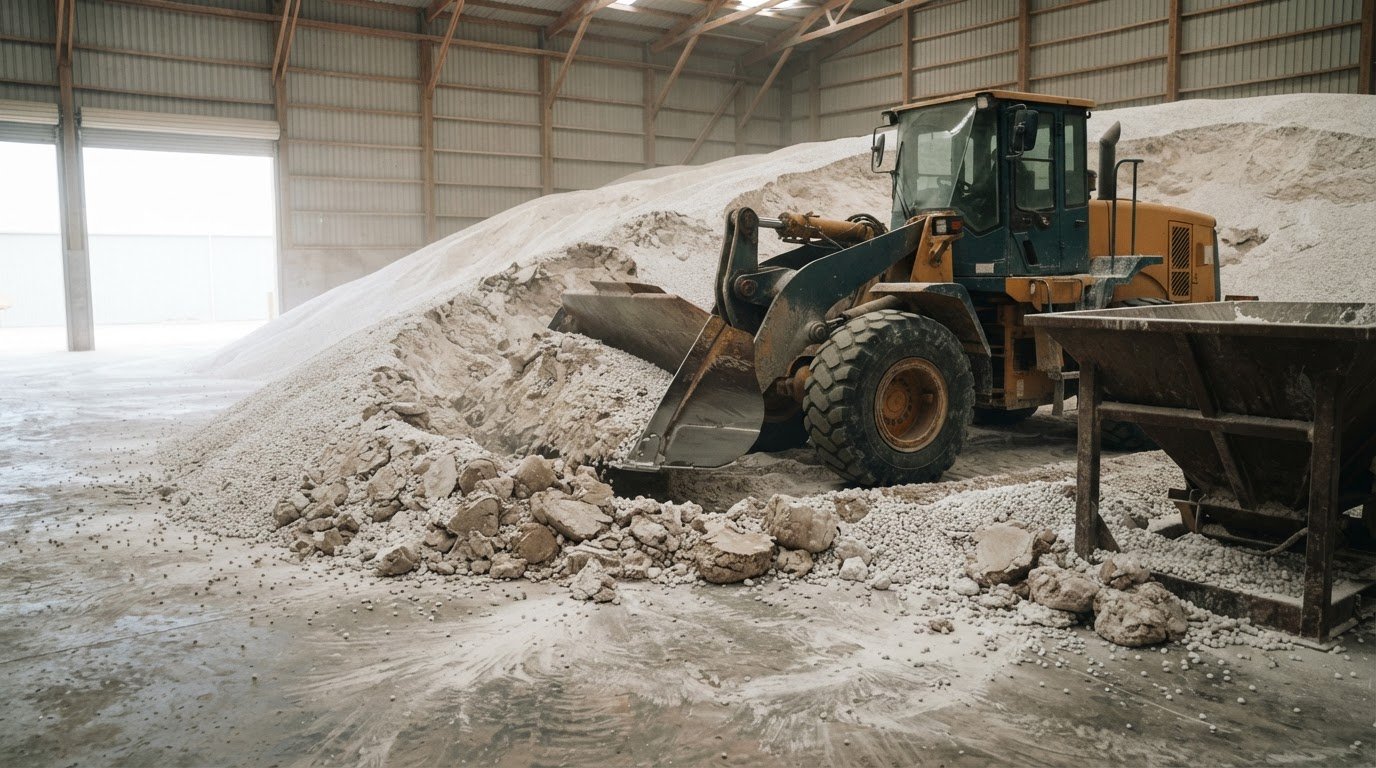
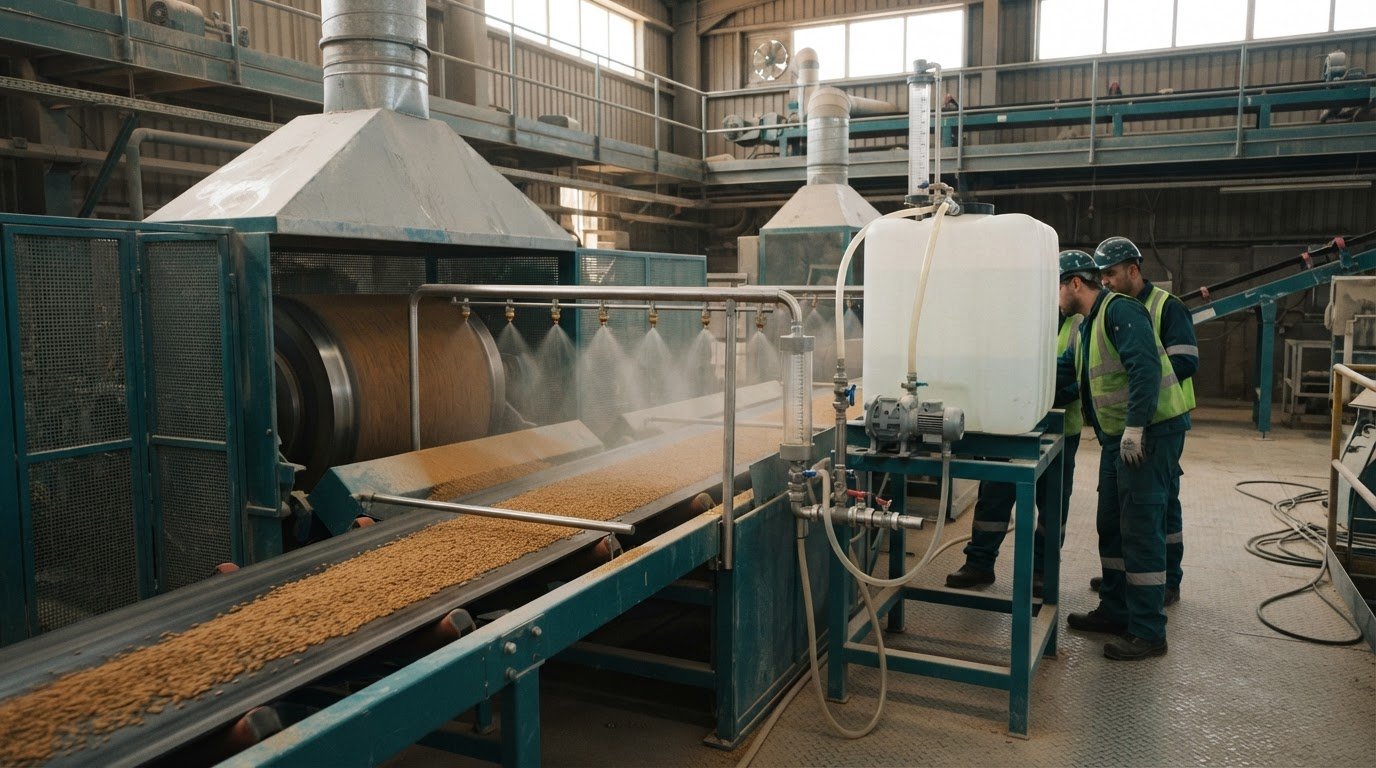
For example, an anti-caking agent used in fertilizer production should be assessed against the relevant application and operational requirements, rather than treated as interchangeable based only on its category. The anti-caking agents industrial guide provides product-specific context for considering how chemical choice relates to industrial use.
How Can Procurement Keep the Plan Current?
Assign owners for supplier records, qualification status, risk reviews, and continuity actions. Agree on a review cadence suited to the operation, and reopen the assessment after a supply disruption, sourcing or specification change, or relevant regulatory development. Define escalation triggers in advance, such as a change that could affect approved use or a newly identified supply dependency.
Track supplier concentration, alternative-source qualification status, delivery performance, and unresolved exposure. These indicators support review; they aren’t targets by themselves. Keep evidence, assumptions, decisions, and action owners visible in the same plan, including a clear record of what remains unresolved. JAS Global Industries provides application-specific chemical evaluation and implementation support.
How JAS Global Industries Supports Application-Fit Chemical Partnerships
A resilient procurement plan remains buyer-owned. The organization sets continuity priorities, defines acceptable supply exposure, and decides when an alternative is ready for use. A technical chemical partner can contribute application knowledge and evaluation support, helping buyers consider supply options alongside process requirements.
JAS Global Industries supplies specialty chemical solutions across industrial sectors, including mining and water treatment, and offers fertilizer anti-caking agents. Its technical support spans laboratory development, on-site implementation, and ongoing industrial support. These capabilities can help teams examine a chemical requirement in its operating context, rather than treating a sourcing change as a purchasing decision alone. Tailored formulations can be considered against application needs without assuming a particular performance result.
Where Can Technical Support Add Value to Chemical Procurement?
Application details give technical evaluation its context. The process, material specification, and operational requirements help shape what a candidate formulation needs to address. Laboratory development can support the assessment; on-site implementation and ongoing support can contribute as a partnership moves into industrial use. For sector context, explore JAS guidance on mining chemical solutions and industrial water treatment.
Turn the Assessment into a Focused Next Step
Before discussing a requirement, bring together the essentials: the critical chemical, its application, the exposure you want to address, and the process or product requirements an alternative must preserve. Include relevant technical and operational stakeholders. A focused conversation can then center on the application and evaluation needs, while procurement retains ownership of sourcing decisions and continuity planning.
That distinction matters in de-risking your chemical procurement strategy. Technical collaboration can inform whether an alternative merits evaluation, but supplier selection, qualification criteria, approval, and review remain part of the buyer’s procurement governance. Clear responsibilities keep technical findings connected to the broader plan, including documented exposure, readiness status, and review triggers.
For example, a mining operation and a water-treatment facility may assess a chemical against different process requirements. The useful starting point is not a generic promise of interchangeability, but a clear account of the application and the technical questions a candidate needs to address. JAS’s laboratory development, on-site implementation, and ongoing industrial support provide points of collaboration as teams examine those requirements.
Bring forward the chemical, application, and supply exposure you want to address. Discuss your chemical requirements with JAS Global Industries in the context of your operational and technical needs.
Make Procurement Resilience Part of Operational Readiness
Turn supply concerns into a practical decision: identify one critical chemical, clarify the exposure, and determine what evidence would make an alternative ready for consideration. This gives procurement and technical teams a focused starting point without committing the operation to unnecessary sourcing changes. In this way, de-risking your chemical procurement strategy becomes part of operational readiness, not a response reserved for disruption.
JAS Global Industries has more than 25 years of company operations and a global presence with a strong GCC footprint. Its capabilities include laboratory development, on-site implementation, and ongoing industrial support, which can contribute technical context as teams assess application needs. The sourcing strategy and approval decisions remain yours; informed collaboration can help move the evaluation forward.
Start with the chemical requirement and the operational exposure you want to address. Discuss your chemical requirements with JAS Global Industries and take a considered next step toward stronger supply readiness.
Frequently Asked Questions
Does de-risking your chemical procurement strategy mean ending a supplier relationship?
No. De-risking your chemical procurement strategy doesn’t automatically mean ending a supplier relationship. It may involve documenting a contingency, clarifying how a disruption is escalated, or preparing an alternate source while continuing to work with the established supplier. If the relationship supports consistent process performance, preserve it unless evidence supports a change. The aim is better preparedness, not supplier replacement for its own sake.
Can a chemical procurement strategy be de-risked without dual sourcing?
Yes. Dual sourcing is one option, not a requirement for every material. A company can improve readiness by clarifying replenishment assumptions, identifying who responds to a supply interruption, monitoring supplier and logistics changes, or prioritizing a contingency for its most critical input. These measures don’t create another supply source, but they can make exposure and response responsibilities clearer. The right measures depend on the chemical’s role and available alternatives.
How often should a company review chemical supplier risks?
Set a regular review cadence that reflects the material’s operational importance, then review sooner when circumstances change. A routine input with established alternatives may need a different review frequency from a chemical closely tied to process quality. Reassess after a delivery interruption, supplier or sourcing change, specification revision, or relevant regulatory development. There’s no universal interval for every chemical; document the chosen cadence and the events that trigger an earlier review.
What should procurement do when an alternative chemical needs process validation?
Don’t treat the candidate as ready for routine use until the relevant stakeholders have assessed it. Agree on the evaluation scope and acceptance criteria with operations, quality, and technical teams, then follow the organization’s change-control process. A controlled laboratory or on-site evaluation may be appropriate, depending on the application. Record observations, deviations, approvals, and any operating adjustments so the decision is traceable and the conditions for use are clear.
Can a supplier’s geographic location alone determine chemical supply risk?
No. Location is one factor, but it doesn’t show the full exposure. Consider the chemical’s source geography, upstream raw materials, transport routes, handoffs, documentation requirements, and whether different suppliers share the same dependencies. A supplier in another region may still rely on a common route or input. Assess these connections using current, verifiable information, and check applicable requirements for the relevant jurisdictions rather than assuming location alone predicts disruption.
Which indicators can show whether chemical procurement de-risking is progressing?
Track whether critical materials have current risk records and accountable owners, how many sources are qualified for each, and whether planned evaluations have reached approved readiness. Review supplier concentration, delivery performance against internal expectations, unresolved exposure, and overdue continuity actions. These indicators show progress only when definitions stay consistent over time. Set targets from your own operational needs, and investigate adverse trends rather than relying on supplier count as proof of resilience.