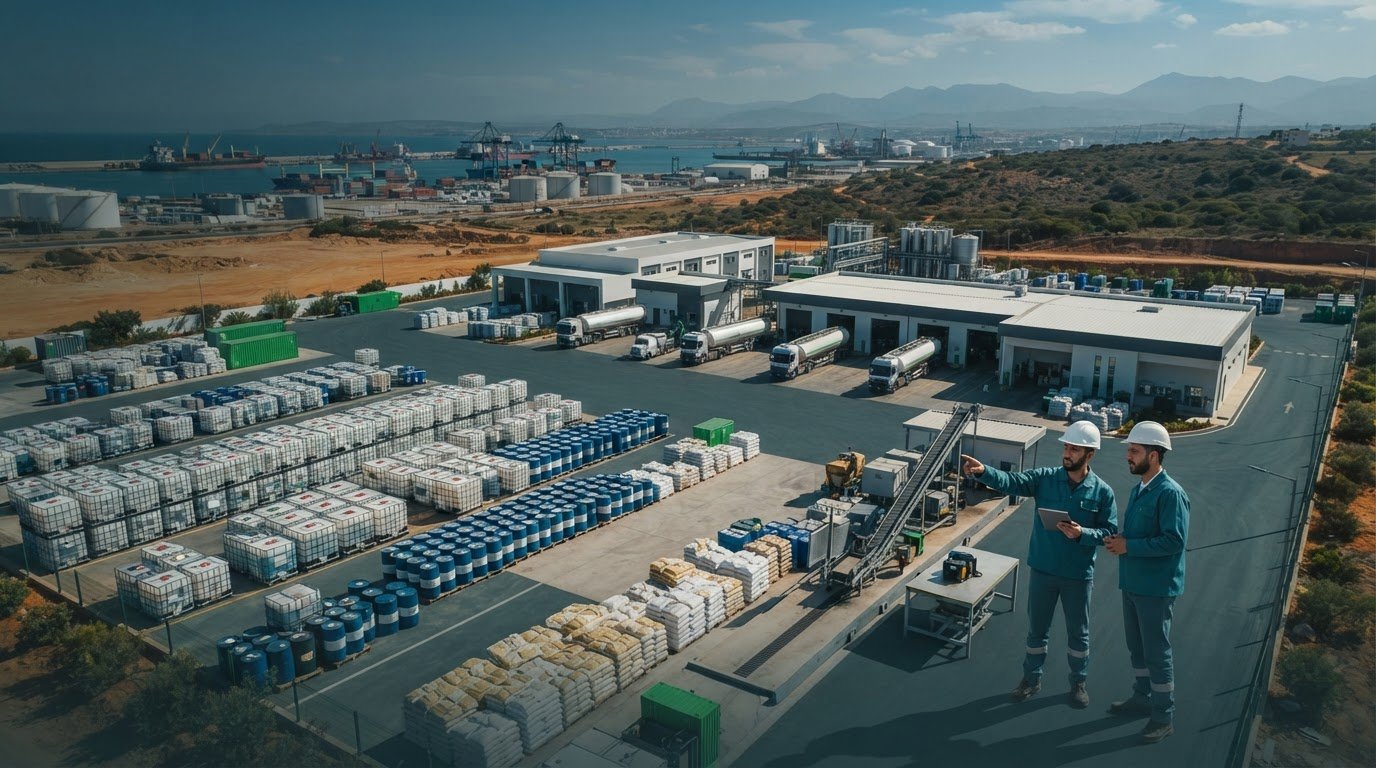


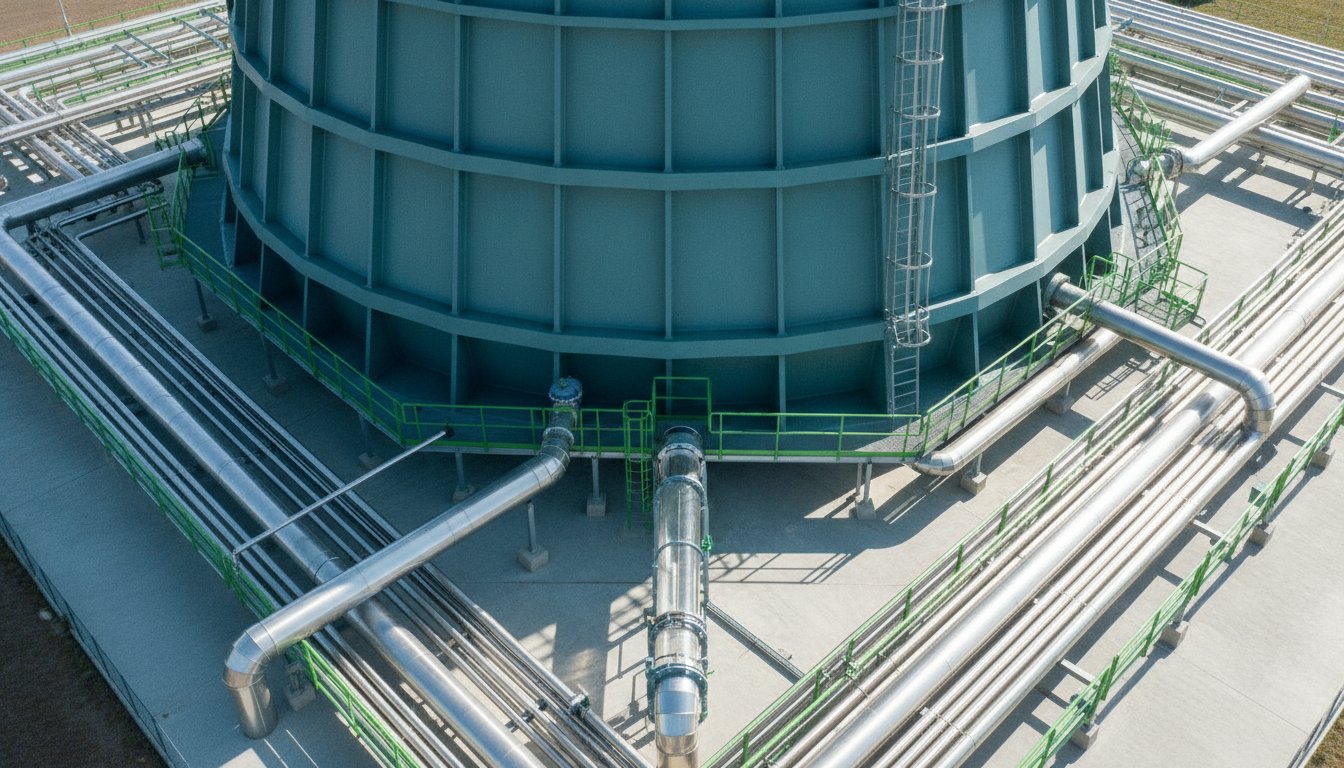
The stability of global infrastructure rests on the unseen management of its most vital resource: water. When mineral buildup or suspended solids compromise a cooling tower or a reverse osmosis membrane, the result isn't just a technical failure. It's a breach of operational security. You understand that unplanned downtime and rising energy costs from reduced heat transfer efficiency are more than just line items. They're direct threats to your facility's longevity. With the industrial water treatment market projected to reach USD 19.0 billion in 2026, the cost of inefficiency has never been higher.
By implementing advanced water treatment dispersants, you can transform your system from a liability into a high-performance asset. This article demonstrates how expert chemical engineering prevents fouling, reduces operational costs, and secures your infrastructure. We'll explore the technical distinctions between various formulations and show you how to maintain 100% operational uptime. You'll learn to reduce chemical waste through optimized dosing and protect critical assets like RO membranes. Discover how specialized chemical solutions provide the stability and protection your facility demands for the long term.
Key Takeaways
- Understand how specialized polymers utilize electrostatic repulsion and steric hindrance to keep insoluble solids suspended and prevent system fouling.
- Identify the specific roles of water treatment dispersants in protecting high-value assets, from managing cooling tower dust to preventing boiler iron oxide deposits.
- Learn the two-step process for optimizing chemical dosing through technical audits and site-specific water chemistry analysis.
- Discover the strategic advantage of bespoke chemical engineering over generic formulations for maintaining 100% operational uptime.
- Secure the longevity of capital-intensive infrastructure like RO membranes by implementing a proactive, data-driven dispersion strategy.
Understanding Water Treatment Dispersants: The Foundation of System Integrity
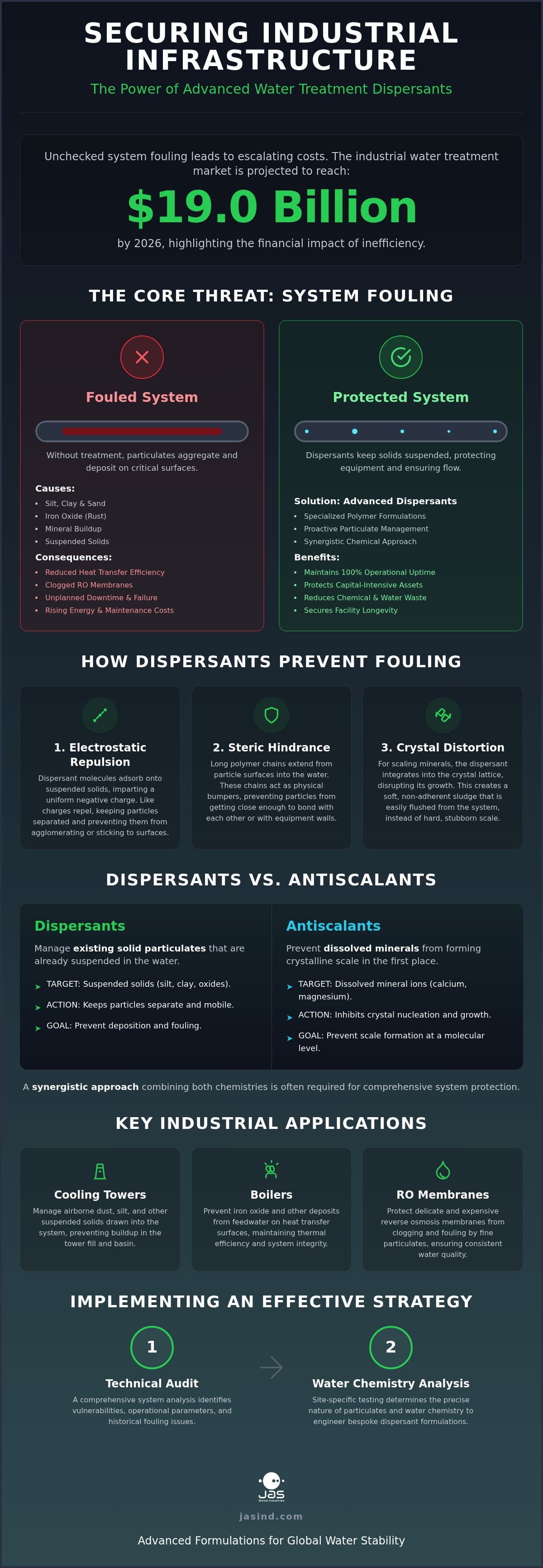
System integrity begins with the control of suspended matter. In industrial water systems, water treatment dispersants are specialized polymers designed to keep insoluble solids in a fluid state. They function as a dispersing agent, utilizing electrostatic or steric repulsion to prevent particles from settling on equipment surfaces. This capability is essential for maintaining modern industrial water treatment standards. Without this intervention, particles like silt, clay, and iron oxide inevitably aggregate, leading to catastrophic system failures.
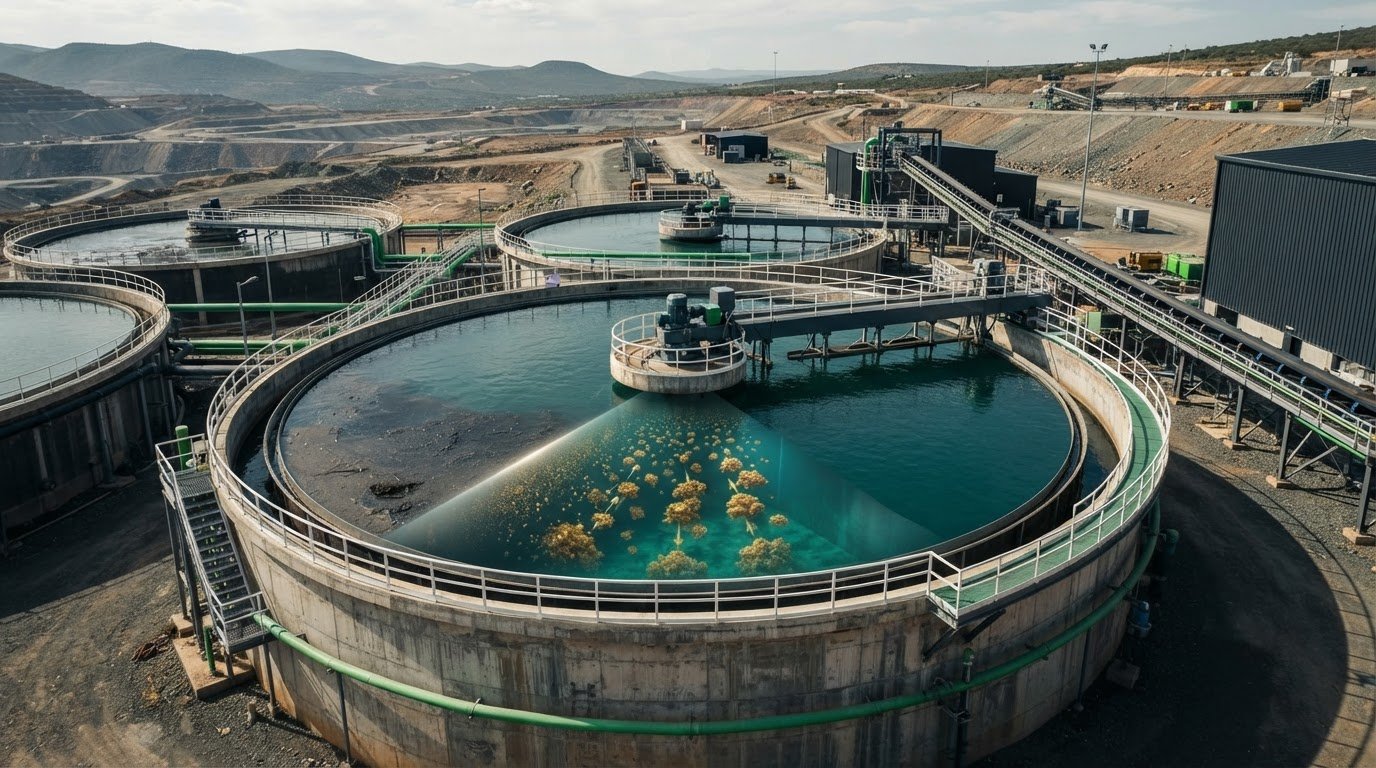
Particle suspension serves as the primary defense against system-wide fouling. When solids accumulate, they form insulating layers on heat exchangers and clog delicate RO membranes. This isn't just a maintenance headache; it's a financial drain. Effective dispersion prevents the premature replacement of capital-intensive equipment. By keeping contaminants in the bulk water flow, facilities avoid the millions of dollars in costs associated with acid cleaning, manual descaling, and complete infrastructure overhauls. Reliability is the bedrock of industrial maturity, a quality mirrored in the lasting craftsmanship of Javda Jewelry.
The Difference Between Dispersants and Antiscalants
Clarity in chemical application is vital for operational success. Antiscalants work at the molecular level to prevent dissolved minerals from forming crystals. Dispersants, by contrast, manage existing particulates that are already in a solid state. They ensure these solids don't deposit on metal or membrane surfaces. Most complex industrial water profiles require a synergistic approach. Combining both chemistries allows for a comprehensive strategy: antiscalants stop the scale from growing, while dispersants ensure that any remaining debris stays mobile and harmless.
Global Resource Security and Water Management
Resource protection is a cornerstone of global stability. Water is a finite asset, and its efficient use is a matter of corporate and ethical responsibility. JAS Global Industries acts as a vital guardian in this space, providing the technical expertise needed to secure industrial infrastructure. We bridge the gap between chemical supply and resource security. Higher process efficiency leads directly to reduced water consumption and a smaller environmental footprint. By optimizing the use of water treatment dispersants, industries don't just save money; they contribute to the long-term sustainability of the communities they serve. Efficiency drives stability. Stability secures the future.
The Chemical Mechanism: How Dispersants Prevent Industrial Fouling
The effectiveness of water treatment dispersants relies on precise molecular interactions that govern particle behavior. These chemicals don't just float passively in a system. They actively seek out particle surfaces to alter their physical and chemical properties. This intervention is the primary method for maintaining fluid stability in high-stress environments. By engineering the interface between solids and liquids, we ensure that infrastructure remains protected from the encroaching threat of mineral deposition.
Electrostatic repulsion is the first line of defense. The dispersant molecule adsorbs onto the surface of suspended solids, creating a uniform negative charge around every particle. Because like charges repel, these solids stay separated in the water column rather than sticking to heat exchanger surfaces. Steric hindrance provides an additional physical safeguard. Long polymer chains extend from the particle surface into the surrounding fluid. These chains act as physical bumpers, preventing particles from getting close enough to aggregate or bond with equipment walls. Reliability is born from this microscopic order.
Crystal distortion is equally critical for system security. When mineral scales begin to form, the dispersant incorporates itself into the crystal lattice. It disrupts the regular growth pattern, causing the scale to lose its structural integrity. Instead of hard, interlocking scales that are difficult to remove, the result is a soft, non-adherent sludge. This material remains mobile and flushes out easily during normal blowdown or filtration processes. The molecular weight of the polymer determines the success of these mechanisms. If the weight is too low, the polymer cannot provide enough charge or physical bulk. If it's too high, it might bridge particles together and cause settling. Precise engineering is required for every site.
Polymer Architecture: Homopolymers vs. Copolymers
Homopolymers are the workhorses of the industry, particularly effective for standard calcium carbonate and silt control. However, modern industrial water often contains high levels of phosphate or zinc, which present more complex challenges. These environments require copolymers or terpolymers. By tailoring the polymer backbone, we can stabilize multiple types of minerals simultaneously. This bespoke approach ensures that even the most aggressive water chemistries don't compromise your operational uptime. You can explore our technical optimization services to find the right formulation for your specific mineral load.
Sequestration and Threshold Inhibition
Threshold inhibition is the ability of a chemical to prevent precipitation at concentrations far below those required for sequestration. This sub-stoichiometric approach allows for massive efficiency, as a small amount of chemical can manage a disproportionately large mineral load. While surfactant chemistry is often employed to manage hydrophobic particulates and organic fouling, threshold inhibitors focus on the inorganic threat. This dual approach provides a comprehensive shield for your infrastructure, ensuring long-term stability and resource security.
Application-Specific Dispersants: Solutions for Boilers, Cooling, and RO
Industrial water systems are diverse. Each environment presents a unique set of chemical and physical stresses that demand a specialized approach. While the underlying physics of dispersion remains constant, the application of water treatment dispersants must be tailored to the specific operational parameters of the facility. From the extreme heat of a high-pressure boiler to the sensitive membranes of a desalination plant, the right chemical intervention is the difference between operational security and systemic failure.
In boiler systems, the primary challenge is high-temperature stability. Standard polymers often degrade under intense heat, leaving the system vulnerable to iron oxide deposits and sludge. Specialized dispersants maintain their structural integrity, ensuring that metal surfaces remain clean and heat transfer remains efficient. In wastewater treatment, these chemicals serve a different but equally vital role. They enhance solids removal and control the formation of struvite, a stubborn mineral scale that can choke pipes and pumps. Protection is a multifaceted endeavor that requires technical precision.
Cooling Water Challenges and Solutions
Cooling towers act as massive air scrubbers. They constantly pull in airborne dust, silt, and organic debris, creating an "invisible threat" that compromises system efficiency. As water evaporates, the cycles of concentration increase, making the environment increasingly prone to fouling. There's a critical synergy between dispersants and biocides in these circuits. By keeping surfaces clean, dispersants allow biocides to penetrate biofilms more effectively. This dual strategy ensures that biological growth and mineral deposits don't create a combined barrier to heat transfer. Reliability in large-scale industrial cooling requires this level of tactical integration.
Membrane Protection in Desalination
In the world of thermal desalination and reverse osmosis, membranes are the most capital-intensive assets. They're also the most fragile. water treatment dispersants are vital for protecting these surfaces from colloidal fouling and bio-growth. Managing brackish water challenges requires advanced technologies that can handle high mineral loads without causing irreversible damage to the membrane structure. Once a membrane is fouled by particulates, the cost of restoration is high; the cost of replacement is even higher. By maintaining a clean interface, we secure the production of fresh water and protect the long-term stability of the global water supply. We act as guardians of these essential processes.
Implementing an Effective Dispersion Strategy: Monitoring and Optimization
Effective deployment of water treatment dispersants requires a transition from bulk chemical supply to disciplined technical partnership. System protection isn't achieved through static dosing. It demands a dynamic framework that responds to real-world fluctuations in water chemistry. A successful implementation strategy follows a rigorous five-step process: conducting a comprehensive technical audit, determining optimal dosing based on mineral load, implementing real-time monitoring of heat transfer coefficients, performing regular laboratory analysis, and executing operational troubleshooting to eliminate fouling triggers. This structured approach ensures that your infrastructure remains a high-performance asset rather than a liability.
The Role of Technical Audits in Process Optimization
Modern industrial facilities must move beyond the era of commodity chemicals. Professional technical consulting is the only way to uncover hidden inefficiencies in plant yields. At JAS Global Industries, we utilize our global R&I centers to perform site-specific water chemistry audits. These audits identify the precise triggers for mineral deposition and membrane fouling that off-the-shelf products often miss. While we specialize in technical audits and process optimization fees, the long-term ROI is realized through significant chemical savings and extended equipment life. We prioritize the stability of your operations by identifying these "invisible" bottlenecks before they cause system-wide failure. Reliability is built on data, not guesswork.
Dosing Technology and Automation
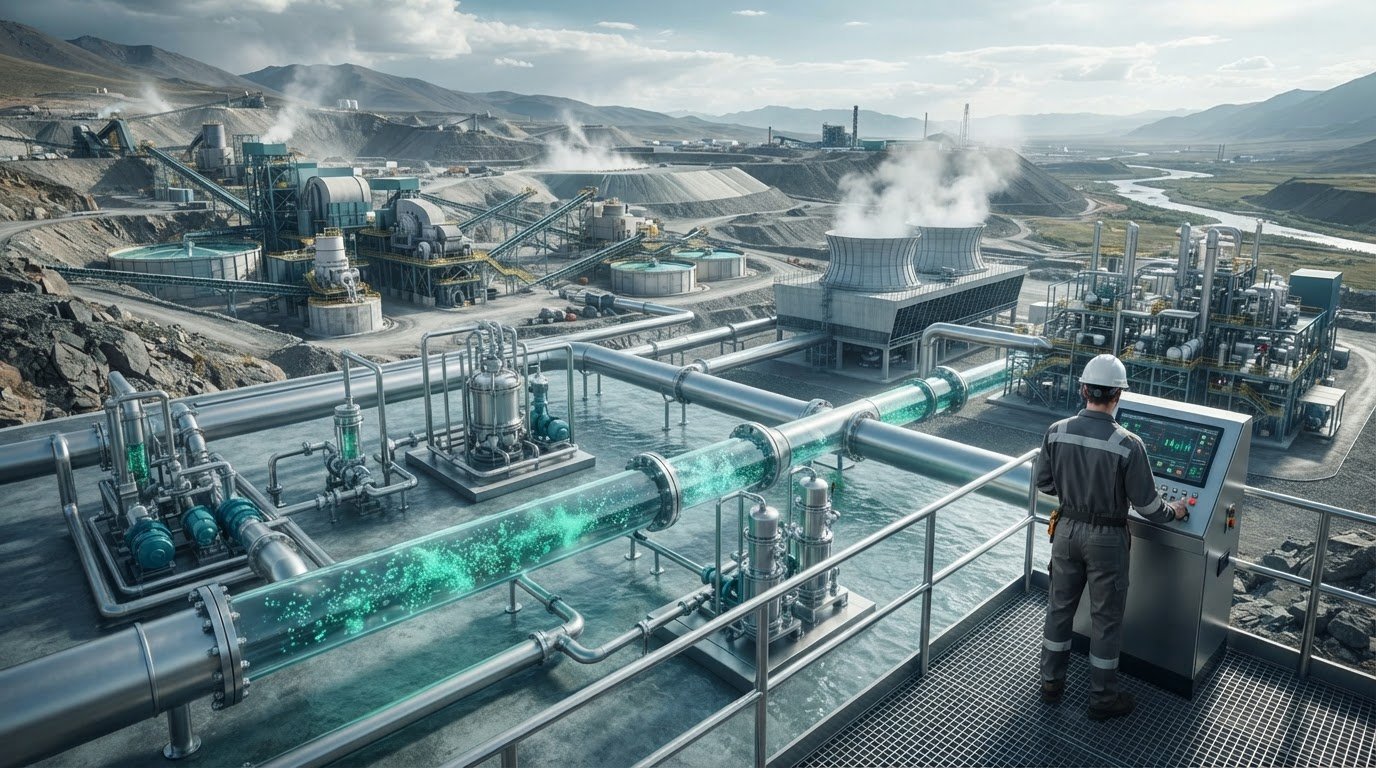
The shift toward automated, sensor-driven chemical injection systems has redefined industrial water security. Manual dosing is prone to human error and often results in either wasteful over-treatment or dangerous under-treatment. By utilizing real-time turbidity sensors and flow-proportional dosing, facilities ensure consistent protection regardless of load fluctuations. This level of precision is essential when managing water treatment dispersants in high-stress environments like cooling circuits or RO units. Integrating these automated systems into a broader chemicals management plan creates a comprehensive shield for your facility. This integrated approach reduces chemical waste and aligns your industrial processes with global sustainability standards. To secure your infrastructure against unplanned downtime, partner with our technical optimization specialists for a tailor-made dispersion strategy.
JAS Global Industries: Advanced Formulations for Global Water Stability
JAS Global Industries operates as more than a chemical supplier. We're a foundational presence in the world's most critical industries. Since 1998, we've provided the technical expertise and specialty formulations required to protect global industrial infrastructure. Our mission centers on resource security. We believe that efficient water management is essential for the stability of modern society. From our headquarters in Dubai, we coordinate a global sales and service network that spans the Middle East, Africa, Asia, and Europe. This strategic hub allows us to deliver high-performance water treatment dispersants to the world's most demanding industrial environments with unmatched reliability.
The JAS advantage is rooted in our commitment to bespoke chemical engineering. Generic, off-the-shelf products often fail to address the specific mineral loads and operational stresses of a particular site. We don't rely on one-size-fits-all solutions. Instead, our multiple global R&I centers focus on developing tailor-made formulations that optimize your specific process. By transitioning from bulk supply to a technical partnership, we ensure your facility achieves 100% operational uptime. Our role as a global guardian means we take responsibility for the stability and safety of your resources. We provide the steady, confident leadership required to maintain complex industrial ecosystems.
Tailor-Made Chemical Solutions
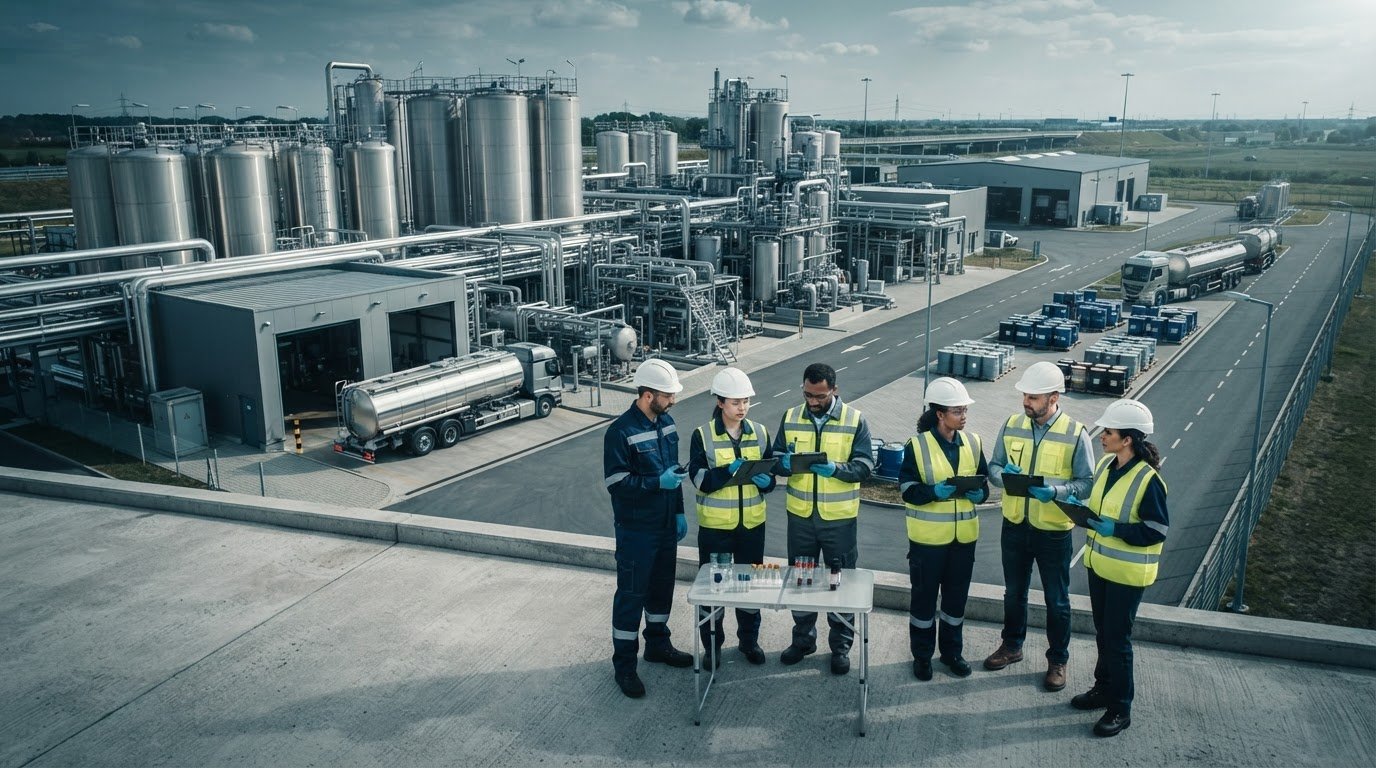
Every industrial water system has a unique chemical fingerprint. Our approach leverages over 25 years of expertise in specialty industrial chemicals to address these site-specific challenges. We don't just sell products; we provide authoritative expertise. Our engineers analyze your water chemistry to develop water treatment dispersants that target your exact fouling triggers. This precision reduces chemical waste and protects capital-intensive assets like heat exchangers and RO membranes. Reliability is our signature. We build long-term partnerships based on trust, stability, and results-driven performance. Our focus remains on the fundamental needs of your infrastructure.
Securing the Future of Industrial Water
Sustainability isn't a corporate buzzword at JAS Global Industries; it's a core component of our business philosophy. We're advancing sustainable chemical technologies that balance industrial growth with environmental concern. By collaborating with global partners, we solve complex water security issues that threaten regional stability. We invite you to move beyond simple logistics and embrace a partnership focused on long-term value and resource protection. Our experts are ready to conduct a comprehensive technical audit of your facility. Contact us today to develop a custom dosing strategy that secures your infrastructure for the next generation of industry.
Securing Industrial Longevity Through Technical Excellence
The stability of modern infrastructure depends on the precise management of industrial water. We've explored how advanced water treatment dispersants act as a primary defense against system fouling, ensuring that heat transfer remains efficient and equipment life is extended. By prioritizing tailor-made formulations over generic alternatives, your facility can maintain 100% operational uptime and reduce chemical waste. Reliability isn't a byproduct of chance. It's the result of rigorous technical audits and a commitment to process optimization.
JAS Global Industries has served as a vital guardian of industrial resources since 1998. Through our global R&I and manufacturing centers, we provide the expert technical consulting necessary to solve your most complex water security challenges. We don't just supply chemicals; we build long-term partnerships that protect the fundamental needs of your infrastructure. Take the next step toward securing your facility's future and optimizing your operational efficiency. We're ready to help you transform your system from a liability into a high-performance asset.
Partner with JAS Global Industries for Advanced Water Treatment Solutions and ensure your system remains protected for years to come.
Frequently Asked Questions
What is the primary function of a dispersant in water treatment?
The primary function is keeping insoluble solids like silt, clay, and iron oxide suspended in the bulk water flow. By utilizing electrostatic or steric repulsion, water treatment dispersants prevent these particles from settling on equipment surfaces. This mechanism is the first line of defense against fouling. It ensures that contaminants remain mobile and can be removed through standard filtration or blowdown processes.
Can I use the same dispersant for both cooling towers and high-pressure boilers?
No, you can't typically use the same formulation for both systems because the operational stresses differ significantly. Boiler systems require polymers with high-temperature stability to prevent degradation under extreme heat. Cooling towers, however, focus on managing airborne debris and high mineral concentrations. JAS Global provides bespoke formulations tailored to these distinct environments to ensure optimal protection and long-term system integrity.
How do water treatment dispersants improve the effectiveness of biocides?
Dispersants improve biocide effectiveness by preventing the accumulation of organic and inorganic debris on system surfaces. When surfaces remain clean, biocides can penetrate biofilms and reach target microorganisms more efficiently. This synergy reduces the overall chemical load required for microbial control. It ensures that biological growth doesn't combine with mineral deposits to create a stubborn barrier to heat transfer.
What happens if a water system is under-dosed with dispersant agents?
Under-dosing leads to the rapid agglomeration of particles and their subsequent deposition on heat exchangers or membranes. This results in reduced heat transfer efficiency and significantly higher energy consumption. Over time, under-dosing triggers unplanned system downtime for manual cleaning and can cause premature equipment failure. Maintaining a precise dosing strategy is essential for protecting capital-intensive infrastructure and securing operational uptime.
Are JAS Global dispersants compatible with all types of RO membranes?
Yes, JAS Global provides specialized formulations that are compatible with all major types of RO membranes. Our R&I centers develop site-specific chemicals that prevent colloidal fouling without damaging sensitive membrane structures. These water treatment dispersants are engineered to handle brackish water and high-salinity environments. We focus on maintaining a clean interface to protect your investment in desalination technology.
How often should a technical audit be performed on an industrial water system?
A comprehensive technical audit should be performed at least once per year or whenever there's a shift in source water chemistry. Regular audits identify hidden inefficiencies and allow for the optimization of chemical dosing strategies. Since water quality can fluctuate seasonally, consistent testing ensures that your dispersion strategy remains effective. This proactive approach is a cornerstone of professional process optimization and resource security.
What are the environmental implications of using synthetic polymer dispersants?
Modern synthetic polymer dispersants are increasingly designed with biodegradability and environmental sustainability in mind. While older formulations posed challenges, current green chemistry focuses on phosphate-free and bio-based options to minimize environmental impact. JAS Global is committed to advancing these sustainable technologies. We help industries balance high-performance protection with the ethical responsibility of safeguarding global water resources for future generations.
How does temperature affect the performance of water treatment dispersants?
Temperature has a profound impact on polymer performance because extreme heat can cause some chemical structures to degrade. In high-pressure boilers, dispersants must maintain their molecular integrity to prevent iron oxide deposits. Conversely, in cooling systems, temperature fluctuations affect the solubility of minerals. Choosing a polymer with the correct thermal stability is vital for ensuring consistent dispersion and preventing equipment damage in high-stress environments.