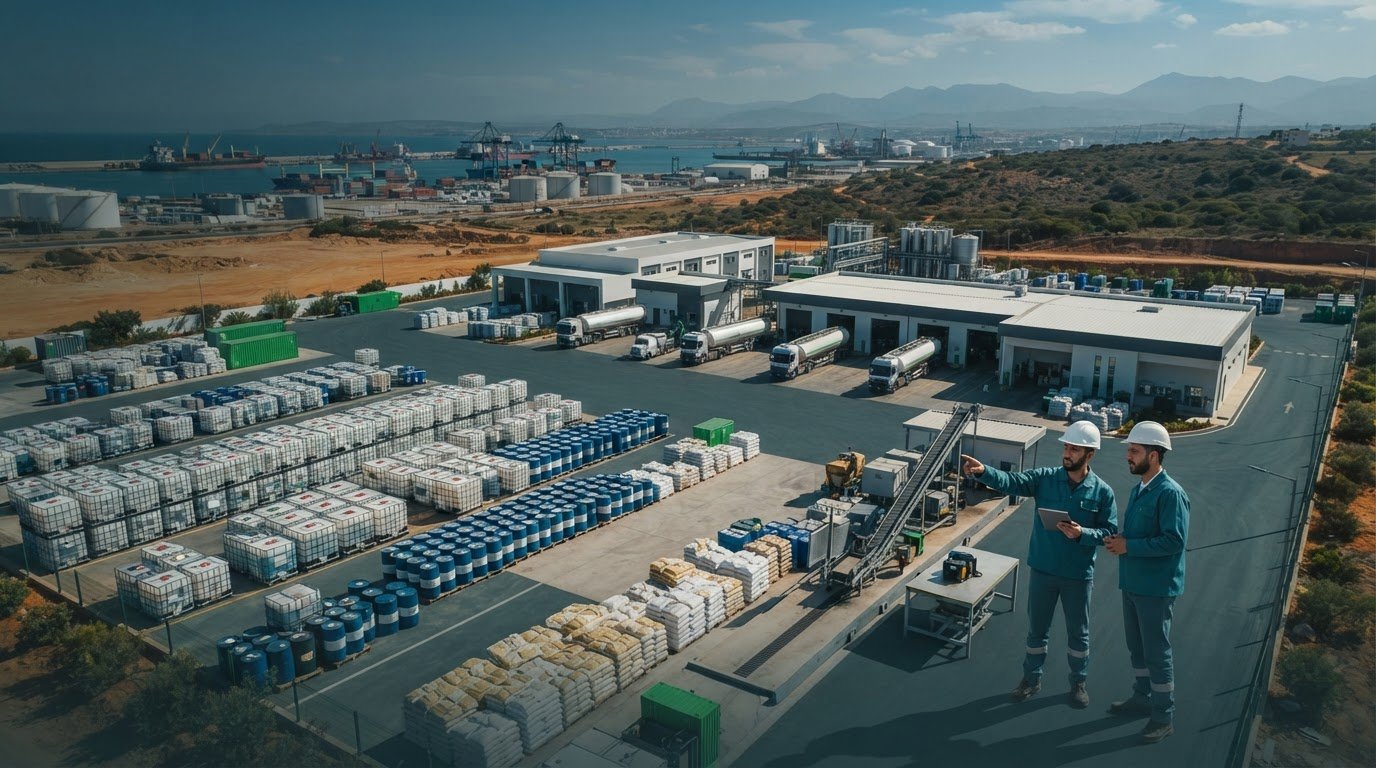


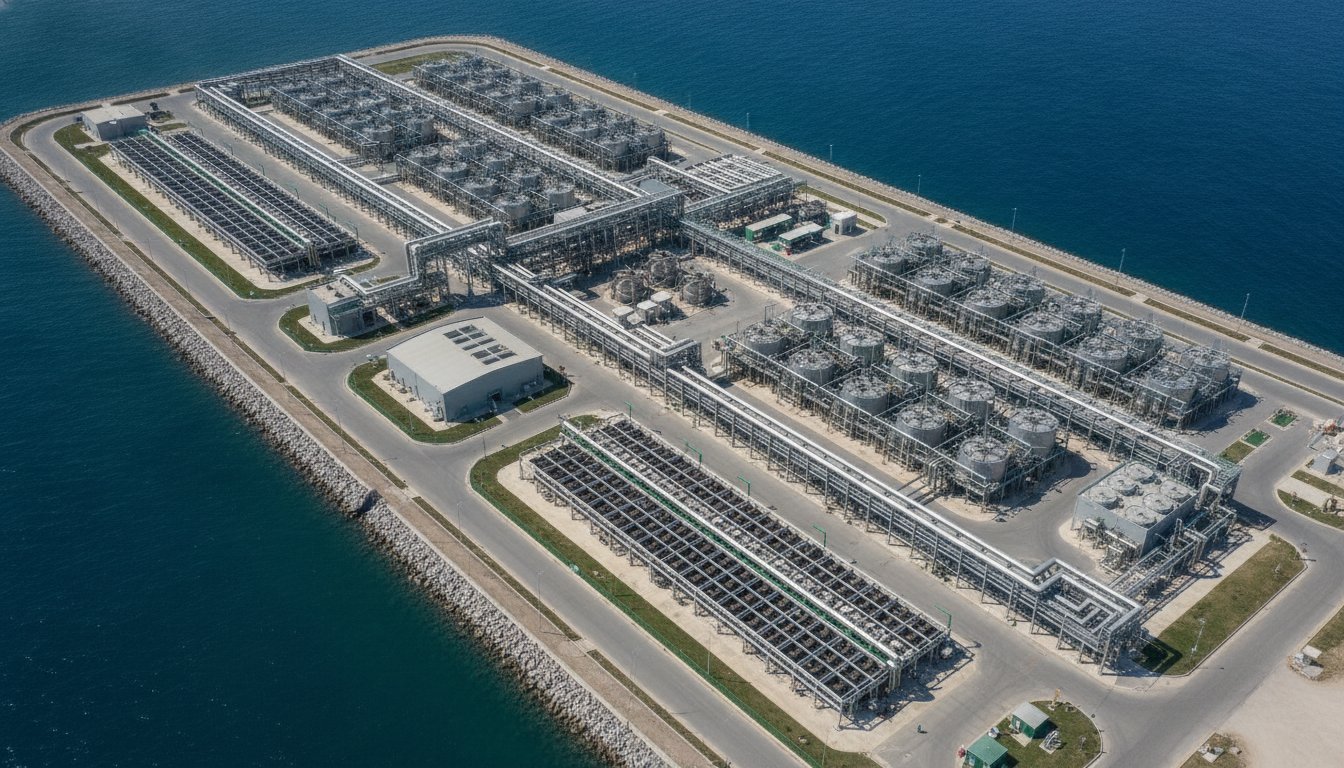
The global desalination chemicals market is projected to reach $10.4 billion by 2034, reflecting the critical role chemical precision plays in securing the world’s water supply. For operators of massive infrastructure, the challenge isn't just producing water; it's protecting the assets that create it. You've likely seen how even a thin layer of scale in an MSF or MED unit can drive energy consumption to unsustainable levels. This is where high-performance Thermal Desalination Chemicals become more than just additives. They're the essential guardians of your plant's efficiency and longevity.
We understand that frequent downtime for acid cleaning and the constant threat of corrosion-related failure are significant obstacles to your operational goals. By implementing advanced chemical formulations, you can stabilize thermal processes and ensure long-term reliability. This article explores how modern antiscalants, corrosion inhibitors, and defoamers work in tandem to optimize plant performance. We'll examine the specific strategies needed to prevent scaling, maintain distillate purity, and protect the foundational infrastructure that communities depend on every day.
Key Takeaways
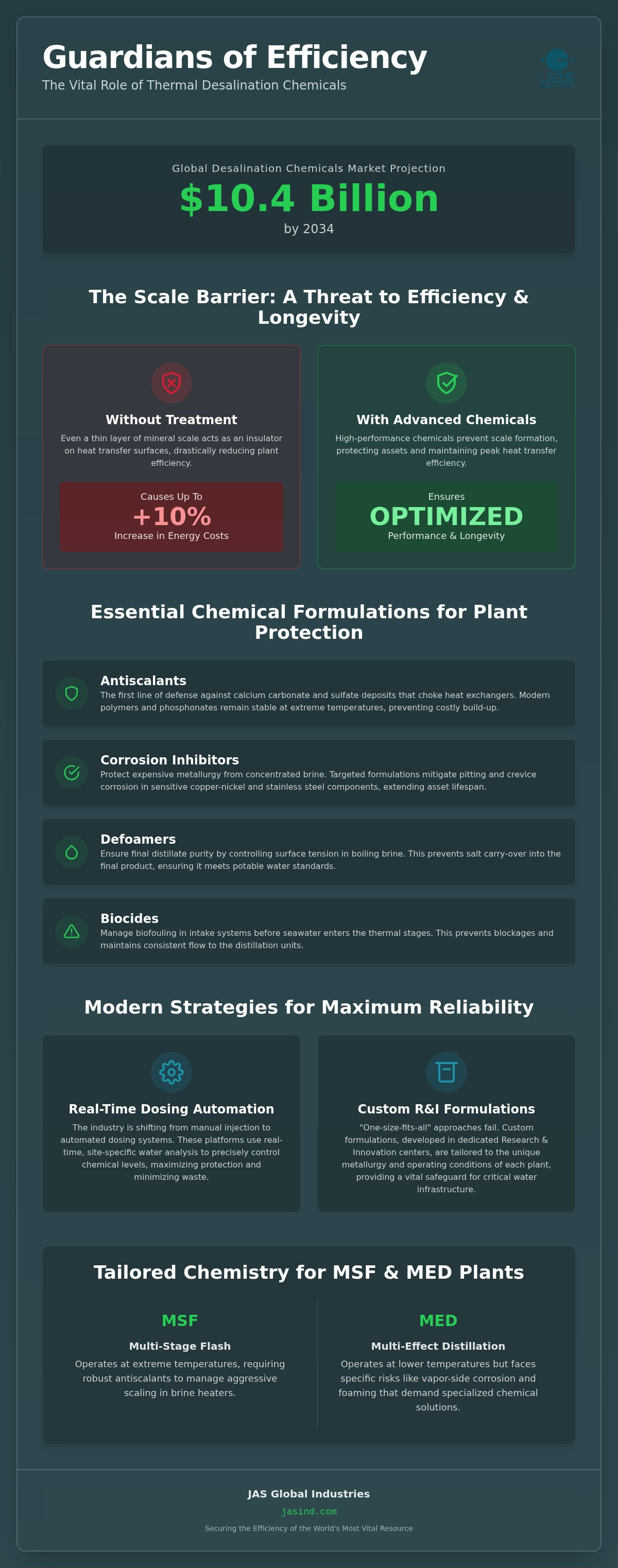
- Understand the "scale barrier" and how advanced chemical treatments prevent the 10% energy cost increase caused by even minor mineral deposits.
- Identify the specific functions of Thermal Desalination Chemicals, including how defoamers maintain distillate purity by controlling surface tension in boiling brine.
- Learn to mitigate pitting and crevice corrosion in sensitive stainless steel and copper-nickel alloys through targeted chemical stabilization.
- Discover the shift from manual injection to real-time dosing automation based on site-specific water analysis for maximum operational reliability.
- Explore how custom formulations developed in dedicated R&I centers provide a vital safeguard for critical water infrastructure across the globe.
What are Thermal Desalination Chemicals and Why are They Vital?
Thermal Desalination Chemicals are specialty reagents engineered to stabilize the volatile environments inside distillation units. These formulations don't just treat water; they preserve the integrity of the massive infrastructure required for Desalination processes. High-temperature operations create a unique set of challenges. As heat increases, mineral solubility decreases, which accelerates the formation of hard crystalline scale on heat transfer surfaces. Without precise chemical intervention, this buildup acts as an insulator, forcing the plant to consume more energy to achieve the same distillate output.
The primary goal is maintaining peak heat transfer efficiency. When scale accumulates, energy-per-cubic-meter costs skyrocket. Beyond energy, chemical neglect leads to metal fatigue and localized corrosion, significantly shortening the plant's operational lifecycle. Neglecting these chemical balances compromises distillate quality and risks total system failure. Reliable Thermal Desalination Chemicals act as a protective barrier, ensuring that the heavy investment in MSF and MED technology remains productive for decades.
MSF vs. MED: Differing Chemical Requirements
Multi-Stage Flash (MSF) and Multi-Effect Distillation (MED) operate under distinct thermodynamic profiles. MSF plants require robust antiscalants to manage extreme temperatures in brine heaters where scaling is most aggressive. Conversely, MED units operate at lower temperatures but face specific risks like vapor-side corrosion and foaming. A "one-size-fits-all" approach fails because the chemical kinetics of scale inhibition vary significantly between these processes. Hybrid plants especially require tailored dosing strategies to protect every stage of the water production cycle.
The Link Between Chemistry and Global Water Security
In arid regions like the Middle East, thermal desalination serves as an indispensable pillar of modern infrastructure. It's the difference between stability and crisis. Chemical stability ensures a continuous, reliable supply of potable water for millions. At JAS Global Industries, we view our Thermal Desalination Chemicals as more than industrial supplies. We act as a global guardian of these critical resources. Since 1998, we've focused on technical excellence and custom formulations to protect the fundamental needs of society. By securing the efficiency of these plants, we help maintain the stability of the world's most vital resource.
Essential Chemical Formulations for Thermal Processes
Success in thermal distillation depends on a multi-layered chemical strategy. Thermal Desalination Chemicals are not generic commodities; they are precision-engineered tools designed to manage the aggressive nature of heated seawater. Without these specific formulations, the efficiency gains of modern MSF and MED units would be impossible to maintain. Each reagent serves a specific protective role, from the intake screens to the final distillate collection.
- Antiscalants: These act as the first line of defense against calcium carbonate and sulfate deposits that would otherwise choke heat exchangers.
- Corrosion Inhibitors: They protect expensive metallurgy from concentrated brine. The Impact of Corrosion Inhibitors is critical for preserving copper-nickel and stainless steel components.
- Defoamers: These ensure distillate purity by controlling surface tension in boiling brine, preventing salt carry-over.
- Biocides: They manage biofouling in intake systems before the water enters the thermal processing stages.
Reliable operations require a deep understanding of how these reagents interact with your plant's unique metallurgy. It's not just about adding chemicals; it's about maintaining a delicate balance that protects your long-term investment. Selecting the right formulation often requires specialized technical consulting to ensure complete compatibility with plant standards and potable water regulations.
High-Temperature Antiscalants
The evolution of scale control has moved from simple polyphosphates to advanced phosphonates and polymers. Polyphosphates often revert to orthophosphates at high temperatures, which can lead to secondary calcium phosphate scaling. Modern Thermal Desalination Chemicals must remain stable at temperatures exceeding 110°C to protect MSF brine heaters effectively. Threshold inhibition is the primary mechanism here; it prevents crystal growth by interfering with the precipitation process at sub-stoichiometric levels, ensuring surfaces remain clean and efficient.
Specialized Defoaming Agents
Controlling surface tension is essential for vapor-side protection. When brine foams excessively, carry-over occurs, which increases the conductivity of the distillate and ruins its purity. Operators must choose between silicone-based and non-silicone formulations based on their specific equipment. Non-silicone defoamers are often preferred for their compatibility with downstream processes, while silicone-based options provide rapid foam knockdown in aggressive boiling conditions. This ensures that the final water meets the stringent requirements for municipal or industrial use.
Operational Challenges: Mitigating Scaling and Corrosion
Efficiency in thermal plants is a battle against thermodynamics. The "Scale Barrier" represents a primary operational threat. Plant managers must recognize that chemical precision is the primary safeguard for the massive energy investments required by thermal infrastructure. Even a 1mm layer of scale can increase energy costs by 10%. This isn't just an efficiency issue; it's an economic one. When heat transfer surfaces are compromised, the entire plant's cost-per-cubic-meter profile shifts. Effective use of Thermal Desalination Chemicals is the only way to maintain the delicate balance between production and preservation.
Corrosion is the second half of this challenge. Pitting and crevice corrosion frequently target stainless steel and copper-nickel alloys. These failures often start small but lead to catastrophic equipment loss and expensive replacement cycles. Managing dissolved oxygen is vital for long-term plant longevity. There's a clear synergy between comprehensive industrial water treatment and operational uptime. When chemistry is neglected, uptime vanishes, and the stability of the water supply is put at risk.
Identifying Scale Types in Thermal Units
Scaling isn't uniform. Alkaline scales, such as calcium carbonate and magnesium hydroxide, are common but manageable. Non-alkaline deposits like calcium sulfate are far more aggressive and difficult to remove. The Top Brine Temperature (TBT) is the critical variable here. As TBT rises to increase efficiency, the risk of sulfate scaling grows exponentially. Operators must monitor these levels to decide when to move from simple prevention to intensive chemical cleaning cycles. Understanding these chemical kinetics is essential for preventing permanent damage to the brine heater.
Protecting Critical Metallurgy
Heat exchanger tubes are the heart of the plant. They're also the most vulnerable to seawater impingement and chemical attack. Our specialized Thermal Desalination Chemicals don't just inhibit scale; they create molecular-level protective films on metal surfaces. This barrier is essential in high-salinity feedwaters where the corrosive potential is highest. Since 1998, JAS Global Industries has specialized in these custom dosing strategies developed in our dedicated R&I centers. We've successfully managed complex cases where high-salinity feedwaters threatened to shut down production. We ensure that your critical metallurgy remains shielded from the harsh realities of the brine environment. This proactive stance is what defines a responsible corporate guardian.
Strategic Selection and Dosing for Process Optimization
Precision isn't optional. It's a fundamental requirement for operational stability. Generic solutions often fail to account for the shifting chemistry of coastal intakes, where salinity and organic loads fluctuate with the seasons. A site-specific water analysis serves as the foundation for any successful treatment program. By conducting detailed technical audits, operators can identify hidden bottlenecks through rigorous brine and distillate analysis. This data-driven approach moves the plant from reactive maintenance to proactive security, ensuring that Thermal Desalination Chemicals are applied where they're most effective.
Modern facilities are rapidly moving away from manual injection toward dosing automation. Real-time monitoring allows for immediate adjustments based on feed water fluctuations. This ensures that chemical concentrations remain optimal, preventing the risks of under-dosing while eliminating unnecessary waste. Environmental compliance is also a core pillar of modern infrastructure. Selecting biodegradable additives for brine discharge fulfills the responsibility of a global guardian. It protects marine ecosystems without compromising the efficiency of the desalination process.
Custom Formulations and R&I
Suboptimal yields often stem from "off-the-shelf" products that ignore the nuances of local seawater chemistries. Tailor-made solutions provide the exact molecular weight and functional groups needed for specific mineral profiles. We leverage our dedicated R&I centers to develop high-performance Water Treatment Antiscalants that outlast standard formulations. These custom strategies ensure that every stage of the process is protected against the unique challenges of your specific location. This commitment to research transforms a simple supplier relationship into a long-term technical partnership.
Cost-Benefit Analysis of Advanced Chemistry
The ROI of a premium chemical program is found in the absence of trouble. Reduced downtime and extended equipment life far outweigh the initial cost of specialized reagents. In hybrid facilities, the right chemistry protects downstream components, significantly extending membrane life in RO units paired with MSF plants. Most importantly, advanced Thermal Desalination Chemicals reduce the frequency of aggressive acid cleaning procedures. This preserves the internal metallurgy and maintains the design life of the facility. To optimize your plant's chemical performance and ensure long-term reliability, consult with our technical specialists for a comprehensive process audit.
JAS Global Industries: Your Partner in Desalination Excellence
JAS Global Industries stands as an indispensable pillar in the global water treatment landscape. Since 1998, we've provided specialized Thermal Desalination Chemicals to the world's most critical industrial sectors. Our mission transcends simple chemical supply; we act as a global guardian of water resources. By ensuring the operational reliability of MSF and MED plants from our Dubai headquarters to facilities across Europe and Asia, we contribute directly to the stability of modern infrastructure. We balance technical industrial expertise with a profound sense of global responsibility, positioning our solutions as essential contributors to resource security.
Our legacy of trust is built on long-term partnerships rather than simple transactional agreements. We understand that thermal desalination is a foundational industry presence. It's serious, focused, and results-driven. We provide the technical stability needed to protect these massive capital investments. Our commitment to sustainability ensures that your plant achieves cost-effective operational reliability while adhering to the highest environmental standards for brine discharge and chemical safety.
Global Logistics and Supply Reliability
Desalination is a 24/7 necessity. Any interruption in chemical supply threatens the water security of entire communities. We've established strategic manufacturing plants near major industrial hubs to guarantee safety and stability throughout our supply chain. Our logistics network is designed to handle the massive scale of bulk chemical requirements while maintaining the agility needed for emergency technical support. We don't just deliver reagents; we deliver the certainty that your plant will remain online, efficient, and protected against unforeseen disruptions.
Expert Technical Consulting
True optimization requires more than just high-quality Thermal Desalination Chemicals. It requires a deep understanding of process kinetics and site-specific water chemistry. Our multiple R&I centers focus on developing custom formulations that address the unique scaling and corrosion profiles of your facility. We move beyond generic specifications to provide precision-engineered solutions.
- On-site laboratory testing for real-time process audits and performance tracking.
- Customized dosing strategies designed to maximize heat transfer efficiency in MSF heaters.
- Specialized consulting for process optimization and the identification of operational bottlenecks.
- Development of sustainable, biodegradable formulations to meet evolving regulatory requirements.
Our technical specialists are ready to help you manage the complexities of thermal process management. Whether you're operating a legacy MSF plant or a modern hybrid facility, our expertise ensures long-term operational reliability. We invite you to contact our specialists for a comprehensive water treatment audit to discover how custom chemistry can safeguard your infrastructure and protect your vital water resources.
Securing the Future of Global Water Infrastructure
Maintaining the efficiency of thermal distillation is a continuous commitment to technical excellence. The difference between a plant that struggles with scaling and one that operates at peak performance lies in the precision of the chemistry. Advanced Thermal Desalination Chemicals provide the necessary protection against mineral deposits and aggressive corrosion that otherwise threaten long-term stability. By implementing site-specific dosing strategies, operators can effectively eliminate the energy waste associated with the scale barrier.
JAS Global Industries has been a dedicated partner in this mission since 1998. From our industrial headquarters in Dubai, we leverage global R&I centers to deliver custom formulations that meet the unique needs of MSF and MED plants across every continent. We don't just supply reagents; we provide the technical expertise required for total process optimization. Optimize Your Thermal Desalination Plant with JAS Global Chemicals and ensure the reliability of your water infrastructure. Your plant's efficiency remains the foundation of a stable and secure future.
Frequently Asked Questions
What are the most common chemicals used in thermal desalination?
The primary Thermal Desalination Chemicals include antiscalants, corrosion inhibitors, defoamers, and biocides. Antiscalants prevent mineral buildup in heat exchangers, while corrosion inhibitors protect metallurgy from aggressive brine. Defoamers are essential for maintaining distillate purity, and biocides manage biofouling in intake systems. Each reagent plays a specific role in ensuring the operational reliability of the entire plant.
How do antiscalants improve the efficiency of MSF plants?
Antiscalants improve efficiency by preventing the formation of a "scale barrier" on heat transfer surfaces. In MSF plants, mineral deposits like calcium carbonate act as insulators; this forces the system to consume more energy to achieve the same water output. By maintaining clean surfaces, these chemicals ensure the plant operates at its design heat transfer coefficient, significantly reducing energy-per-cubic-meter costs.
Can defoamers affect the quality of the produced distillate?
Defoamers directly impact distillate quality by suppressing foam that causes salt carry-over. When brine boils aggressively, foam can rise into the vapor space and carry salt droplets into the condenser. This increases the conductivity of the produced water and ruins its purity. High-performance defoamers control surface tension, ensuring the final water meets stringent municipal or industrial standards.
Why is corrosion more aggressive in thermal desalination than in RO?
Corrosion is more aggressive in thermal processes because heat accelerates the chemical kinetics of oxidation and pitting. Unlike RO, which operates at ambient temperatures, MSF and MED units involve boiling brine and high-velocity vapors. These conditions, combined with concentrated chlorides, create a highly corrosive environment. This requires specialized chemical stabilization to protect expensive stainless steel and copper-nickel alloys.
Are thermal desalination chemicals environmentally safe for brine discharge?
Yes, modern Thermal Desalination Chemicals are designed to be biodegradable and environmentally responsible. Industry leaders now prioritize phosphorus-free and non-toxic formulations to minimize the ecological impact of brine discharge. These advanced reagents ensure that plants comply with strict global water protection rules while maintaining high operational efficiency and protecting local marine ecosystems.
How often should a thermal desalination plant undergo a technical audit?
A comprehensive technical audit should occur at least once per year or whenever significant changes in feed water salinity are detected. Regular audits allow operators to identify bottlenecks in chemical dosing and heat transfer before they lead to costly downtime. These evaluations ensure that the chemical program remains optimized for the plant's current operational state and environmental conditions.
What is the difference between MSF and MED chemical requirements?
MSF plants require antiscalants with extreme thermal stability to survive top brine temperatures often exceeding 110°C. MED plants operate at lower temperatures, which changes the scaling kinetics and requires different polymer structures for effective inhibition. While MSF focuses on brine heater protection, MED chemistry often prioritizes vapor-side protection and preventing scaling at lower thermal gradients.
How does JAS Global Industries develop custom formulations for specific plants?
We develop custom formulations through site-specific water analysis conducted in our global R&I centers. Our specialists analyze the unique mineral and organic profile of a plant's feed water to engineer reagents that address specific scaling and corrosion risks. This data-driven approach ensures that every chemical solution is tailor-made for maximum efficiency and long-term infrastructure protection.