

A single millimeter of scale can force a multi-million dollar thermal desalination plant to consume 10% more energy just to maintain its output. It's a staggering inefficiency for critical infrastructure designed to secure the world's most precious resource. You understand that maintaining Multi-Stage Flash (MSF) and Multi-Effect Distillation (MED) units is a constant battle against mineral deposits and equipment fatigue. High-performance Thermal Desalination Chemicals act as the primary safeguard for these massive energy investments. They provide the stability needed to prevent costly scaling and ensure long-term operational reliability.
In this article, you'll discover how advanced chemical formulations eliminate the need for frequent downtime and aggressive acid cleaning. We'll explore how targeted additives prevent corrosion-related failures and resolve foaming issues that compromise distillate purity. This overview provides a technical framework for optimizing plant performance through precision dosing and specialized chemical management. You'll learn to stabilize your process while protecting the integrity of your most vital assets.
Key Takeaways
- Learn why specialty reagents are indispensable for managing the extreme thermal conditions that accelerate mineral scaling and metal fatigue.
- Identify how specific Thermal Desalination Chemicals, such as antiscalants and defoamers, act as a primary defense against deposits and foaming.
- Examine the long-term impact of pitting and crevice corrosion on alloy infrastructure and how to prevent these structural failures.
- Understand the shift toward automated dosing and real-time monitoring as a means to optimize chemical consumption and plant reliability.
- Discover how technical partnerships and site-specific water analysis stabilize critical infrastructure to protect global water resources.
What are Thermal Desalination Chemicals and Why are They Vital?
Thermal Desalination Chemicals are specialty reagents formulated to stabilize the volatile environments inside industrial distillation units. These aren't simple commodities. They are precision-engineered protectors of infrastructure. Their primary role involves managing the extreme chemical and thermal stresses that occur during the evaporation and condensation of seawater. Without these agents, the fundamental physics of desalination would quickly lead to system failure.
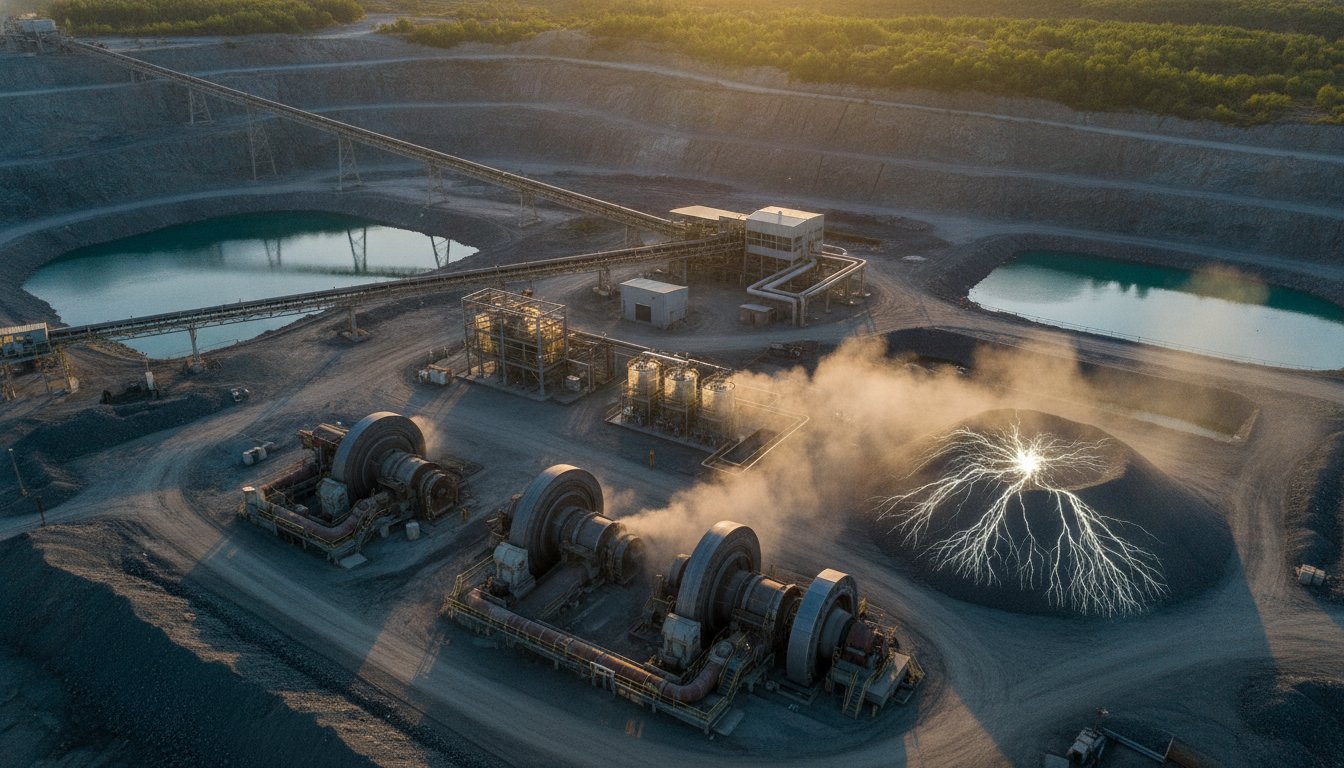
High temperatures in these systems accelerate mineral precipitation. Heat acts as a catalyst for scale formation. Without intervention, calcium carbonate and sulfate deposits form a dense thermal barrier on heat exchange surfaces. This barrier forces the system to consume significantly more energy to achieve the same distillate output. It drives up the energy-per-cubic-meter cost. In a world where desalination construction is valued at approximately US$9.6 billion as of July 2026, protecting these assets is a fiscal necessity. Chemical neglect doesn't just increase daily overhead; it shortens the entire plant lifecycle through irreversible metal fatigue and pitting.
MSF vs. MED: Differing Chemical Requirements
The chemical strategy must align with the specific distillation technology in use. Multi-stage flash (MSF) distillation requires Thermal Desalination Chemicals that remain stable at high brine heater temperatures. These chemicals must prevent scale while enduring intense pressure drops across multiple stages. Multi-Effect Distillation (MED) typically operates at lower temperatures but faces unique challenges with vapor-side corrosion and thin-film scaling. A one-size-fits-all approach fails because the chemistry must match the thermal profile and metallurgy of the plant. Hybrid plants, which combine different technologies, require even more sophisticated, site-specific dosing regimes to maintain efficiency.
The Link Between Chemistry and Global Water Security
Water security is the foundation of modern infrastructure. In arid regions like the Middle East, a desalination plant failure isn't just a business loss; it's a social crisis. Reliability is the only acceptable standard. JAS Global Industries has been operational since 1998, utilizing multiple R&I centers to develop custom formulations that meet these high stakes. We act as a global guardian of water resources. By ensuring chemical stability, we ensure a continuous supply of potable water for millions. We focus on protecting resources and securing futures. This commitment transforms industrial chemistry into a vital pillar of global sustainability and community well-being.
Essential Chemical Formulations for Thermal Processes
Thermal distillation systems operate under extreme conditions that demand specialized chemical intervention. These Thermal Desalination Chemicals are categorized by their specific functional roles in stabilizing the brine and protecting the infrastructure. While antiscalants address mineral precipitation, defoamers and corrosion inhibitors ensure the purity of the final product and the longevity of the metallic surfaces. Each formulation serves as a critical link in the operational chain.
High-Temperature Antiscalants
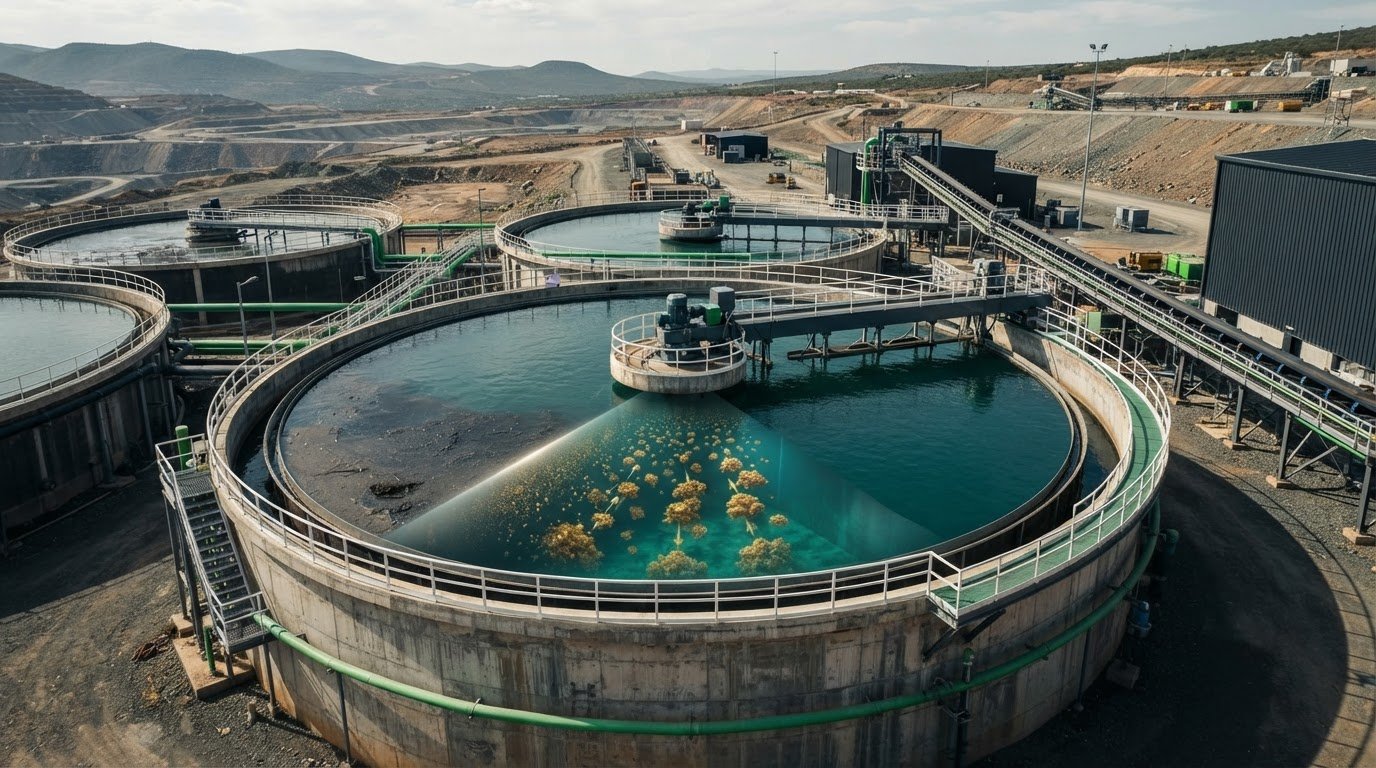
Scale control technology has evolved significantly from basic polyphosphates to advanced phosphonates and polymer-based blends. Polyphosphates were once the industry standard, yet they often hydrolyzed into orthophosphates at temperatures exceeding 90°C, which actually contributed to calcium phosphate scaling. Modern phosphonates offer superior thermal stability, making them the preferred choice for MSF brine heaters. Thermal stability is why standard RO antiscalants fail in MSF brine heaters; they simply cannot withstand the sustained heat without degrading. Threshold inhibition is the primary mechanism here; it involves using sub-stoichiometric amounts of chemicals to prevent crystal growth by distorting the crystal lattice. This allows the system to operate at higher top brine temperatures without the risk of hard scale formation. If you're looking to optimize these processes, exploring customized scale inhibition strategies is a logical next step.
Specialized Defoaming Agents
Maintaining distillate purity requires precise control over surface tension. In boiling brine, foam can lead to carry-over, where salty water droplets contaminate the vapor stream and increase the conductivity of the distillate. Specialized defoaming agents are essential for vapor-side protection. Silicone-based formulations are highly effective but must be carefully managed to ensure they don't interfere with downstream processes or violate potable water standards. Non-silicone alternatives are often utilized in MED systems where compatibility is a priority. These agents maintain low conductivity and ensure that the water produced meets stringent safety requirements. They act as a silent guardian of water quality.
Corrosion inhibitors and biocides complete the chemical suite. Corrosion inhibitors protect expensive metallurgy, such as stainless steel and copper-nickel alloys, from the aggressive nature of hot brine. Meanwhile, biocides manage biofouling in intake systems before the water even reaches the thermal processing unit. This proactive approach prevents organic matter from entering the heaters, where it could char and create difficult-to-remove deposits. By integrating these specific formulations, plant operators can achieve a stable, reliable, and efficient desalination process that protects both the equipment and the community it serves.
Operational Challenges: Mitigating Scaling and Corrosion
Scaling remains the most persistent threat to thermal distillation efficiency. Even a thin layer of mineral deposits creates what engineers call the 'Scale Barrier.' Just 1mm of scale on heat exchange surfaces can increase energy costs by 10%. This inefficiency compromises the stability of global resource protection. Thermal Desalination Chemicals are the primary tool for dismantling this barrier. They ensure that heat transfer remains at peak performance, which directly impacts the bottom line. When these chemicals are neglected, the economic burden of increased fuel consumption and reduced output becomes unsustainable.
Corrosion poses an equally severe risk to infrastructure longevity. Pitting and crevice corrosion frequently attack stainless steel and copper-nickel alloys. These localized failures often occur in stagnant areas or under deposits. Managing dissolved oxygen is critical; high oxygen levels accelerate oxidative damage in high-temperature brine. Integrating these chemical strategies with broader industrial water treatment protocols ensures maximum operational uptime and equipment security. It's about protecting the massive capital investment required for these facilities.
Identifying Scale Types in Thermal Units
Scale composition varies based on the Top Brine Temperature (TBT). Alkaline scales, such as calcium carbonate and magnesium hydroxide, typically dominate at lower temperatures. However, as TBT rises, non-alkaline scales like calcium sulfate become a major concern. These deposits are significantly harder to remove. Prevention is always more cost-effective than remediation. While chemical cleaning cycles are necessary for periodic maintenance, relying on them too heavily indicates a failure in the preventative chemical program. Effective scale control keeps the system running at peak thermal efficiency for longer durations without the need for aggressive acid cleaning.
Protecting Critical Metallurgy
Heat exchanger tubes are the heart of any MSF or MED plant. They are vulnerable to seawater impingement, where high-velocity brine wears down protective oxide layers. Once this layer is breached, rapid corrosion follows. JAS Global formulations are designed to go beyond simple inhibition. They create microscopic, protective films on metal surfaces. These films act as a shield against aggressive chloride ions and dissolved gases. Managing scale in high-salinity feedwaters requires this dual-action approach. By stabilizing the brine and filming the metal, we provide the security needed for plants operating in the most challenging environments. Reliability isn't just a goal; it's an industrial necessity.
Strategic Selection and Dosing for Process Optimization
Effective chemical management requires a transition from reactive dosing to proactive process optimization. Thermal Desalination Chemicals cannot be treated as a generic input because seawater chemistry varies significantly by geography and season. A site-specific water analysis is the only way to determine the exact mineral profile and biological load of the intake. This data allows for the calibration of chemical programs that prevent deposits before they reach critical heat exchange surfaces. When you understand the unique chemistry of your feed water, you can apply a precision strategy that protects your infrastructure.
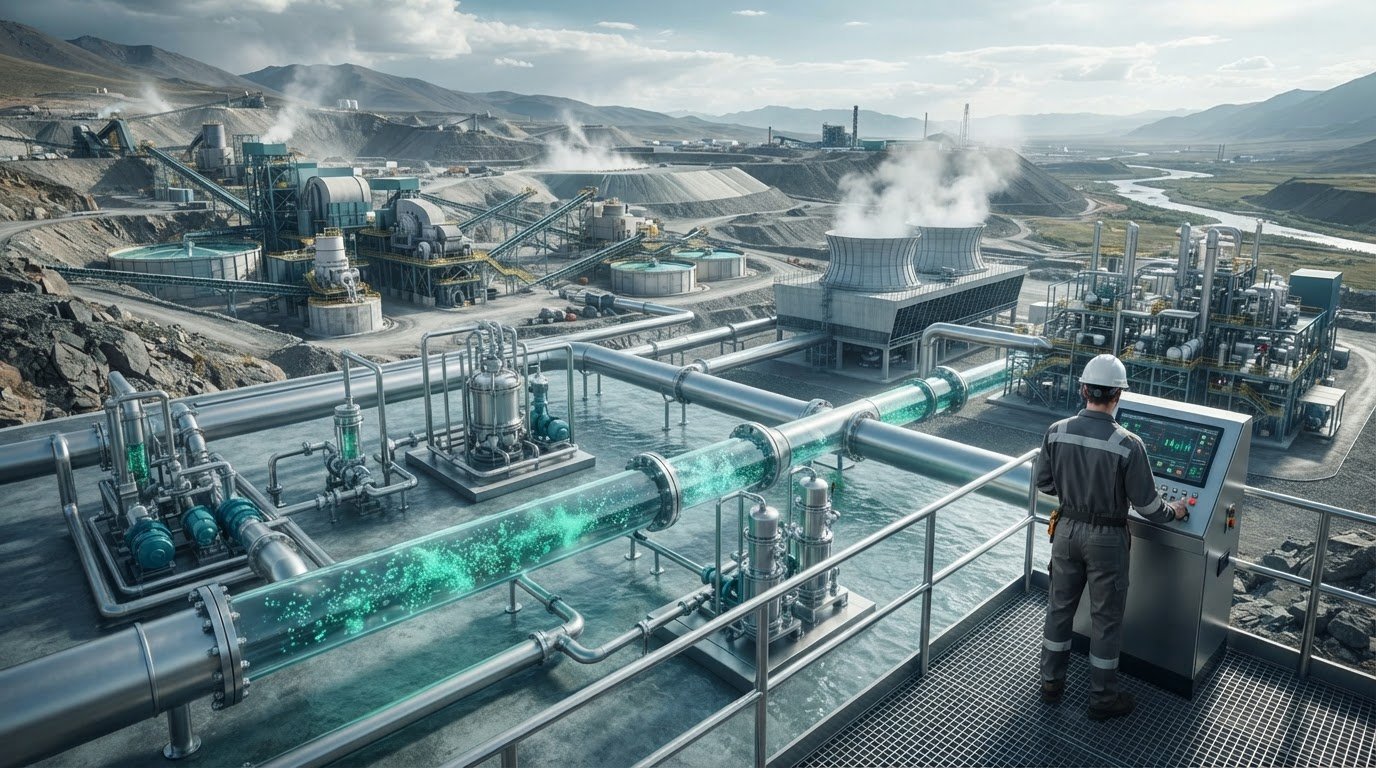
The industry is currently witnessing a massive shift toward digitalization and automation. As of July 2026, the adoption of automated dosing systems has become a standard for ensuring compliance with increasingly stringent environmental regulations. These systems use real-time monitoring to adjust chemical injection rates based on fluctuating brine conditions. This precision reduces chemical waste and protects the environment from over-dosing. It's a move toward operational maturity that prioritizes both efficiency and sustainability. If you're ready to enhance your facility's reliability, you can consult with our technical experts to design a customized dosing strategy.
Environmental compliance is no longer a secondary concern. Authorities in the US, EU, and the Middle East are setting specific rules for the salinity and chemical composition of discharged brine. Selecting biodegradable additives is essential for maintaining your social license to operate. This move toward eco-friendly chemistry aligns with the broader industry trend of brine valorization. The goal is to minimize environmental impact while potentially extracting valuable minerals like magnesium or sodium chloride from the waste stream. It's about transforming a waste product into a resource.
Custom Formulations and R&I
Off-the-shelf chemicals often lead to suboptimal yields because they fail to account for the unique pressure and temperature profiles of a specific plant. Tailor-made solutions are necessary for high-salinity or high-turbidity feedwaters found in many arid regions. By leveraging dedicated R&I centers, JAS Global develops high-performance Water Treatment Antiscalants that are engineered for the exact conditions of the facility. This custom approach ensures that every drop of chemical contributes directly to operational stability and resource security.
Cost-Benefit Analysis of Advanced Chemistry
The ROI of an advanced chemical program is measured in avoided costs and extended equipment life. When you reduce the frequency of aggressive acid cleaning, you preserve the integrity of your heat exchanger tubes and reduce labor overhead. In hybrid facilities that combine MSF with Reverse Osmosis (RO), the chemistry must be compatible with membrane life to prevent premature fouling. With the global antiscalants market projected to grow to USD 6.68 billion by 2031, the focus has shifted toward high-efficiency formulations that maximize uptime. Reliability isn't just about profit; it's about the security of the water supply for the communities we serve.
JAS Global Industries: Your Partner in Desalination Excellence
JAS Global Industries operates as a vital guardian of industrial stability. We don't just supply products; we secure the processes that sustain global communities. Since 1998, our organization has established itself as an indispensable pillar of modern infrastructure. We provide specialized Thermal Desalination Chemicals that ensure the reliability of critical water resources across the Middle East, Africa, Asia, and Europe. This global reach is balanced by a deep understanding of local challenges. We believe that technical excellence must be paired with ethical purpose. Our history is rooted in trust and a proven track record of supporting the world's most critical industries.
Our commitment goes beyond simple logistics. We focus on long-term value. By optimizing MSF and MED plant performance, we help facilities reduce their environmental footprint while maximizing output. This balance of sustainability and cost-effective reliability is the hallmark of our partnership approach. We don't view clients as transactional accounts. We view them as partners in the mission to protect the world's most essential resources. Our comprehensive support model includes:
- Technical Consulting: Specialized process optimization for complex distillation environments.
- Custom Formulations: Tailor-made reagents developed in our global R&I centers.
- Bulk Supply: Reliable chemical delivery tailored to large-scale industrial needs.
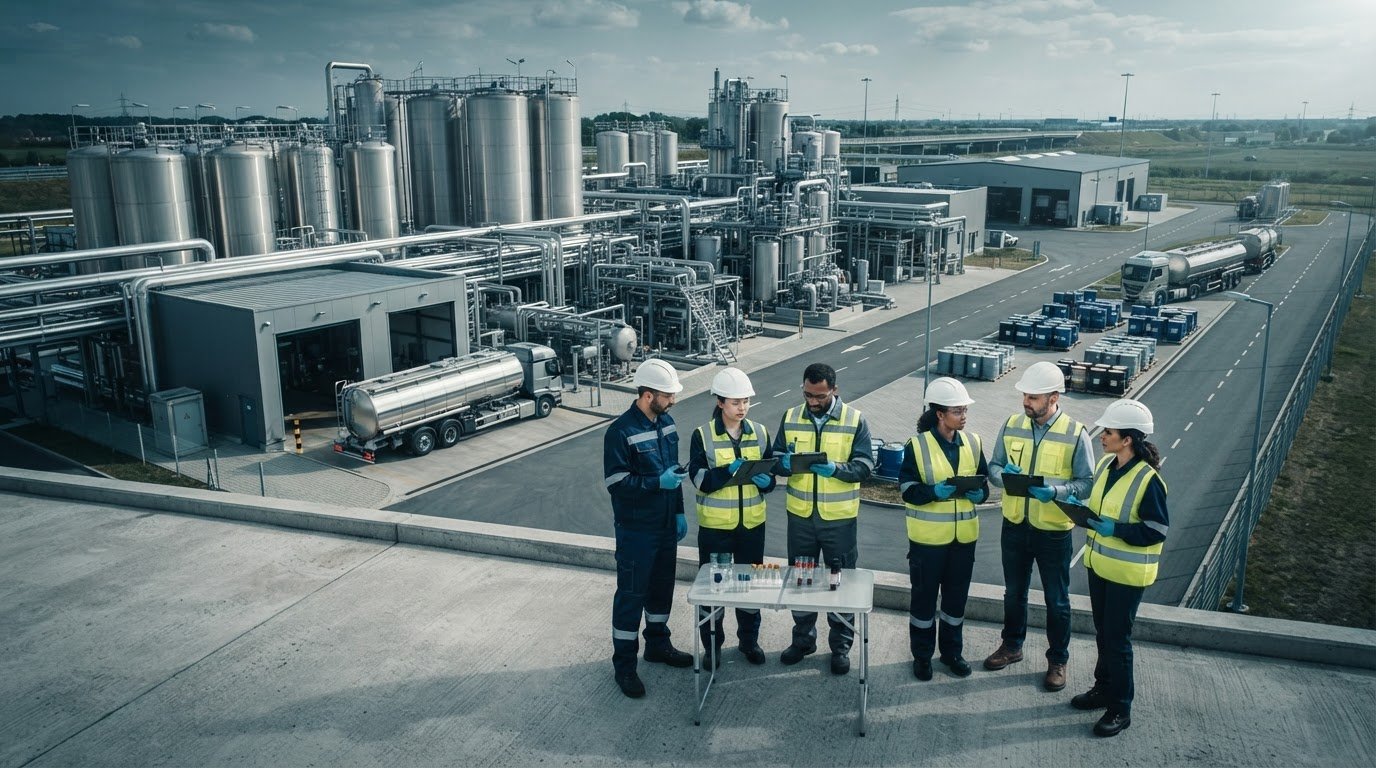
- Site Audits: Comprehensive water analysis and system performance reviews.
Global Logistics and Supply Reliability
Desalination is a 24/7 operation. There is no room for downtime. Our supply chain is built on the principles of safety and stability. We maintain strategic manufacturing plants located near major industrial hubs to ensure an uninterrupted flow of Thermal Desalination Chemicals. This proximity reduces lead times and minimizes the risks associated with global supply chain disruptions. We prioritize the security of your operations. Our logistics team works with categorical precision to ensure every delivery meets the highest standards of industrial safety. We protect your supply so you can protect your community.
Expert Technical Consulting
True process optimization requires more than just chemistry. It requires insight. Our multiple R&I centers serve as hubs for custom formulations and process innovation. We offer on-site laboratory testing to identify the specific bottlenecks in your distillation units. Our specialists develop custom dosing strategies that address the unique mineral profiles of your feed water. This technical consulting moves your facility from manual intervention to real-time monitoring and control. We invite you to contact our specialists for a comprehensive water treatment audit. Let's work together to stabilize your infrastructure and protect your community's future. Reliability is our legacy. Security is our promise.
Securing the Future of Global Water Infrastructure
Optimizing thermal distillation is a profound commitment to global resource stability. You've seen how precision dosing and site-specific water analysis dismantle the 'Scale Barrier' and protect critical metallurgy from irreversible fatigue. These advanced Thermal Desalination Chemicals are more than operational inputs. They are essential safeguards for the massive energy investments required by modern infrastructure. By transitioning to automated, real-time monitoring, you ensure environmental compliance while maximizing the lifecycle of your most vital assets.
JAS Global Industries has been a trusted partner in this mission since 1998. Headquartered in Dubai's primary industrial hub, we leverage global R&I centers to develop custom formulations that meet the unique seawater chemistries of your facility. We act as a foundational presence for the world's most critical industries, ensuring safety and stability at every stage of production. This established trust is the cornerstone of our global partnerships and our shared commitment to the communities we serve.
Optimize Your Thermal Desalination Plant with JAS Global Chemicals. It's time to secure the long-term reliability your community depends on. Let's build a more stable and sustainable future together.
Frequently Asked Questions
What are the most common chemicals used in thermal desalination?
The primary chemistry suite for thermal plants includes high-temperature antiscalants, defoaming agents, corrosion inhibitors, and biocides. These formulations stabilize the brine and protect the distillation infrastructure from mineral deposits and metal fatigue. Each reagent serves a specific protective role. For instance, antiscalants prevent calcium carbonate precipitation, while defoamers maintain the purity of the produced vapor stream. Utilizing specialized Thermal Desalination Chemicals ensures that these massive industrial assets operate with maximum efficiency and security.
How do antiscalants improve the efficiency of MSF plants?
Antiscalants improve efficiency by preventing the formation of a thermal barrier on heat exchange surfaces. In Multi-Stage Flash plants, mineral deposits on brine heaters force the system to consume significantly more energy to achieve the required evaporation. By using threshold inhibition to distort crystal growth, these chemicals ensure that heat transfer remains at peak levels. This reduces the energy-per-cubic-meter cost and extends the time between required cleanings, which preserves the overall plant lifecycle and reduces operational overhead.
Can defoamers affect the quality of the produced distillate?
Defoamers directly impact distillate quality by controlling surface tension in the boiling brine. Without these agents, excessive foaming leads to carry-over, where salty water droplets contaminate the vapor stream. This contamination increases the conductivity of the final product and reduces its purity. High-performance defoamers ensure that the distillate remains within potable water standards by maintaining a stable, foam-free evaporation process. They act as a silent guardian of water quality throughout the entire distillation cycle.
Why is corrosion more aggressive in thermal desalination than in RO?
Corrosion is more aggressive in thermal plants due to the combination of high temperatures and concentrated brine. Heat acts as a catalyst for oxidative reactions and pitting, particularly in stainless steel and copper-nickel alloys. Unlike Reverse Osmosis, which operates at ambient temperatures, thermal processes subject equipment to sustained thermal stress. This environment accelerates the breakdown of protective oxide layers on metallic surfaces, requiring more robust chemical inhibition strategies to prevent structural failure and frequent equipment downtime.
Are thermal desalination chemicals environmentally safe for brine discharge?
Modern Thermal Desalination Chemicals are increasingly formulated to be biodegradable and compliant with stringent environmental regulations. As of July 2026, regulatory scrutiny on brine discharge has intensified across the Middle East and Europe. Manufacturers now prioritize eco-friendly additives that minimize the impact on marine ecosystems. Selecting these biodegradable formulations is essential for maintaining operational licenses and supporting the industry's move toward sustainability. It ensures that water production doesn't come at the cost of ecological health.
How often should a thermal desalination plant undergo a technical audit?
A comprehensive technical audit should ideally be conducted annually or whenever there's a significant change in feed water quality. These audits involve detailed brine and distillate analysis to identify bottlenecks in the distillation process. Regular reviews allow engineers to calibrate dosing strategies and detect early signs of scaling or corrosion. This proactive approach ensures that the chemical program remains aligned with the current operational state of the facility, protecting the massive capital investment required for these facilities.
What is the difference between MSF and MED chemical requirements?
The primary difference lies in the temperature stability requirements of the chemicals. Multi-Stage Flash (MSF) plants operate at higher top brine temperatures, demanding antiscalants that won't degrade under intense heat. Multi-Effect Distillation (MED) units generally operate at lower temperatures but face unique vapor-side corrosion challenges and thin-film scaling. While both technologies require scale control, the specific chemical backbone of the reagents must match the thermal profile and metallurgy of the distillation process to ensure stability.
How does JAS Global Industries develop custom formulations for specific plants?
JAS Global Industries utilizes its global R&I centers to develop formulations based on site-specific water analysis. We analyze the unique mineral profile and biological load of the intake water to create tailor-made solutions. This custom approach ensures that the chemicals are perfectly calibrated for the plant's metallurgy and operational parameters. It's a strategy that prioritizes reliability and resource security over generic products. We focus on providing the stability needed for critical industrial infrastructure to ensure a continuous supply of water.