

What if the most expensive component of your water treatment plant was being destroyed by the very water it's meant to clean? A single unexpected system shutdown can cost an industrial facility thousands in lost productivity and emergency maintenance. While many operators view water treatment as a routine expense, the reality is that your choice of Reverse Osmosis Chemicals is a strategic insurance policy for your entire infrastructure. You likely deal with the constant pressure of rising operational costs and the looming threat of premature membrane failure. It's a difficult balance to maintain when scaling issues lead to inefficient flow and high energy consumption.
We understand that protecting your critical resources is essential to your mission. This article shows you how to optimize membrane performance and longevity through precise chemical management. You'll discover how specialized antiscalants and biocides reduce CAPEX by extending the life of your assets. We will examine the technical strategies that ensure your water quality remains reliable, turning your RO system into a stable, high-performing pillar of your industrial operations.
Key Takeaways
- Understand how high-performance chemical reagents act as a vital safeguard for industrial infrastructure and global water security.
- Identify the specific roles of Reverse Osmosis Chemicals, including antiscalants and biocides, in preventing mineral scaling and biological fouling.
- Learn why custom-formulated solutions outperform generic reagents by addressing the unique feedwater profiles of complex industrial environments.
- Discover best practices for precision dosing and automated monitoring to reduce energy consumption and operational costs.
- Explore how integrated chemical management strategies extend membrane lifespan and ensure the long-term reliability of water treatment systems.
The Strategic Importance of Reverse Osmosis Chemicals in Industrial Processes
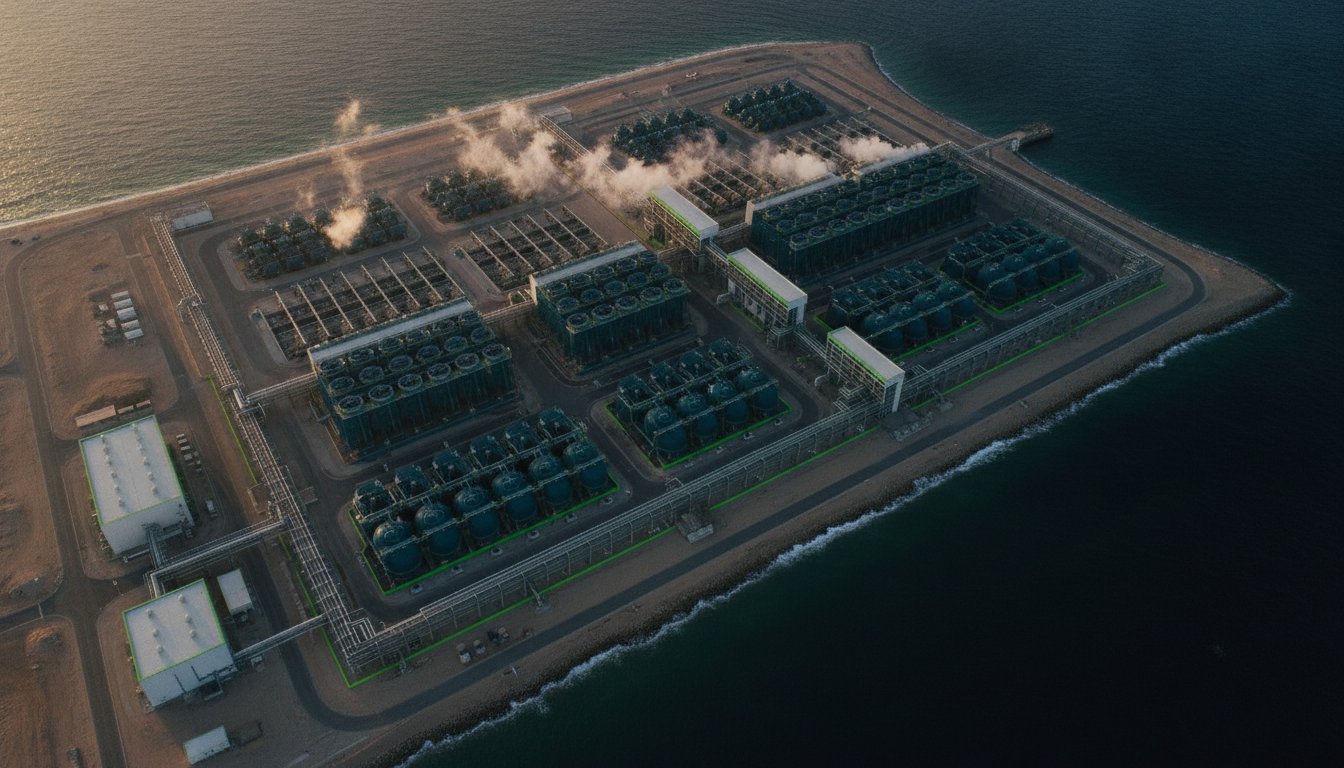
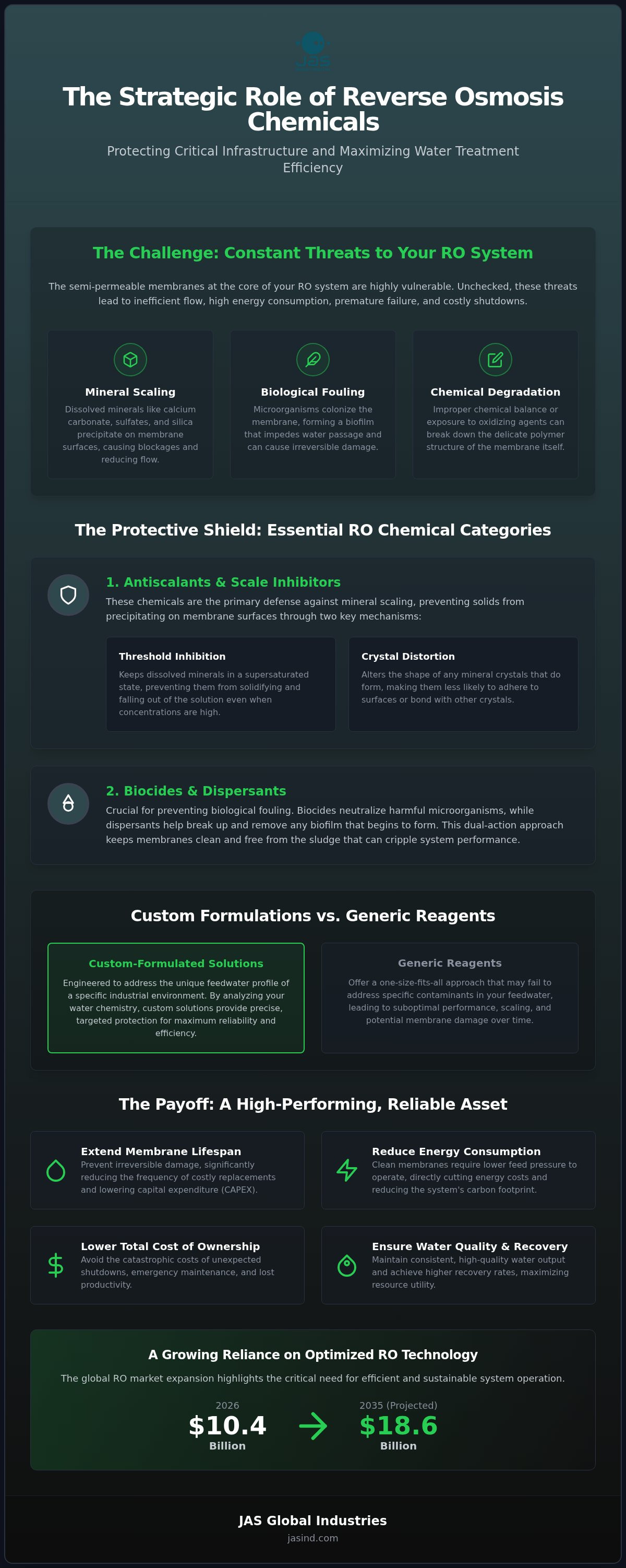
The Reverse osmosis (RO) process stands as a critical pillar of modern industrial water management. While the technology is powerful, the semi-permeable membranes at its core are inherently vulnerable. They face constant threats from mineral scaling, biological growth, and chemical degradation. Reverse Osmosis Chemicals are not merely additives. They are essential reagents formulated to neutralize these threats before they compromise system integrity. These specialized solutions act as a protective shield. They ensure that high-recovery industrial systems maintain peak performance while avoiding the catastrophic costs of sudden membrane failure.
The global reverse osmosis market reached USD 10.4 billion in 2026. It is projected to grow to USD 18.6 billion by 2035. This expansion highlights the increasing reliance on RO technology for global water security. However, this growth is only sustainable if systems operate efficiently. Chemical optimization directly influences a facility's energy efficiency and carbon footprint. When scale accumulates on membrane surfaces, the system demands higher feed pressure to maintain flow. This spike in pressure increases energy consumption and accelerates mechanical wear. Precision chemical treatment keeps surfaces clean. It reduces energy demand and aligns industrial operations with global sustainability standards.
Protecting Critical Industrial Infrastructure
Industrial infrastructure relies on the stability of its water supply. Membrane replacement represents a substantial capital expenditure that can disrupt financial planning. Reverse Osmosis Chemicals provide a robust defense against irreversible physical damage. This preventative chemistry extends the functional lifespan of membranes and secures the reliability of downstream processes. Whether in power generation, mining, or manufacturing, consistent water quality is essential. By reducing the frequency of replacements and preventing unexpected shutdowns, these chemicals significantly lower the total cost of ownership for complex water treatment plants.
Global Resource Security and Sustainability
Water scarcity requires a serious, mission-oriented response from global industry leaders. Optimized chemical dosing enables plants to achieve higher recovery rates. This means more usable water is produced from the same source, and less concentrated waste is discharged into the environment. Such efficiency is vital for sustainable desalination and comprehensive industrial water treatment. By maximizing resource utility, industries act as guardians of the world's most precious commodity. High-performance chemicals transform water treatment into a foundational element of global resource stability and environmental protection.
Essential Chemical Categories for Comprehensive RO Membrane Protection
Success in industrial water treatment depends on the precise application of chemical reagents. These tools act as the front line defense for sensitive membranes. By categorizing Reverse Osmosis Chemicals into functional groups, operators can address specific threats like mineral precipitation and biological growth. This systematic approach ensures that every component of the water treatment cycle contributes to the stability of the entire infrastructure. It's not just about maintenance; it's about the security of the process.
Antiscalants and Scale Inhibitors
Scaling occurs when dissolved minerals exceed their solubility limits and precipitate onto the membrane surface. Water Treatment Antiscalants prevent this through threshold inhibition and crystal distortion. Threshold inhibition keeps minerals in a supersaturated state, preventing them from falling out of solution. Crystal distortion modifies the shape of forming crystals. This makes them less likely to adhere to the membrane or bond together. These mechanisms are vital for managing calcium carbonate, sulfates, and silica. In high-salinity feedwater environments, where mineral concentrations are naturally elevated, these scale inhibitors are indispensable. They maintain the flow and prevent the irreversible physical blockages that lead to system failure.
Biocides and Dispersant Agents
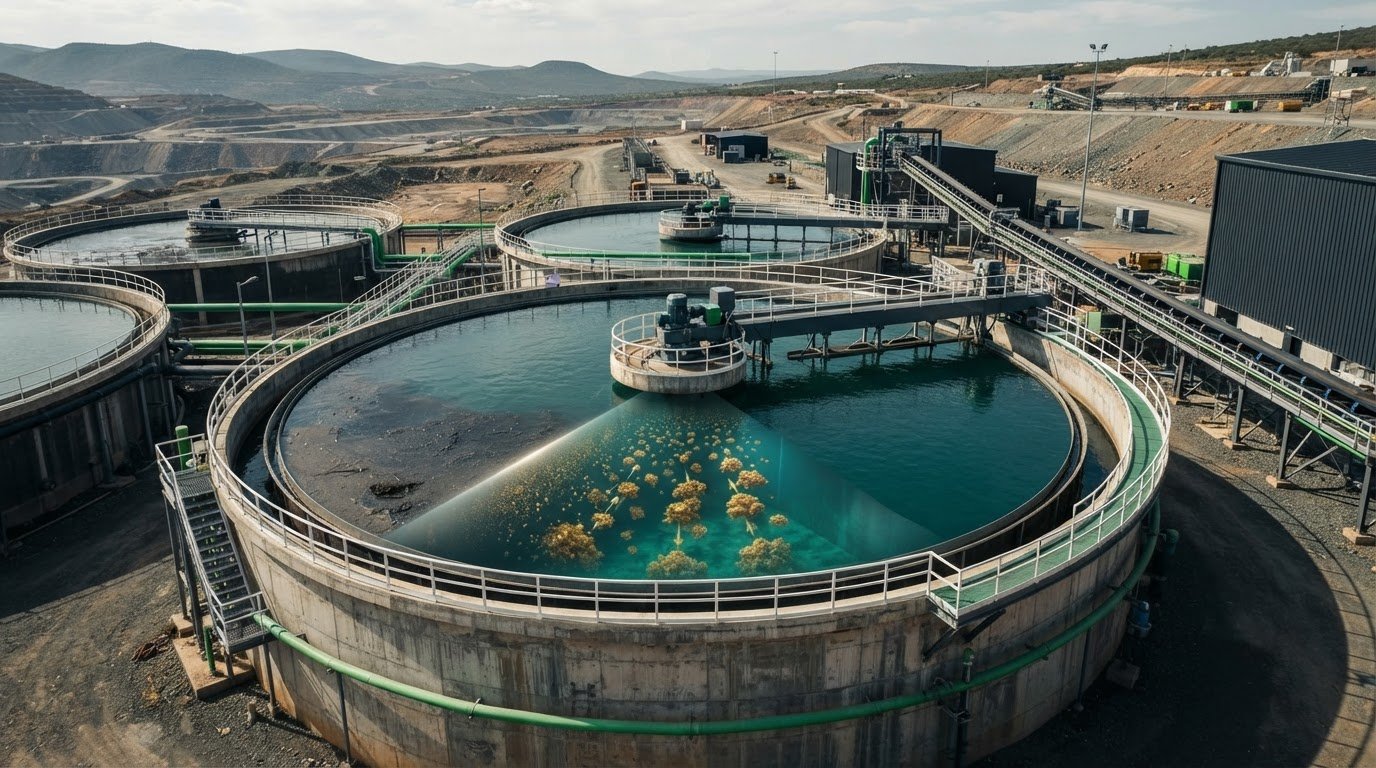
Biological fouling presents a different but equally dangerous risk. Microorganisms can colonize membrane surfaces, creating resilient biofilms that increase differential pressure and reduce permeate quality. Water Treatment Biocides are categorized into oxidizing and non-oxidizing varieties. Oxidizing biocides are powerful but must be used carefully to avoid damaging thin-film composite membranes. Non-oxidizing biocides provide a safer, targeted alternative for sensitive systems. According to the FDA's technical guide on reverse osmosis, maintaining microbiological quality is a cornerstone of system maintenance and safety.
To complement biocides, dispersant agents play a critical role in preventing particulate accumulation. They keep organic and inorganic debris suspended in the water stream so they can be flushed out of the system. This proactive management of biofilms and particulates is essential for maintaining low differential pressure and high energy efficiency. Even with these preventative measures, periodic cleaning is inevitable. Membrane Cleaners (CIP) are used to restore performance by removing stubborn deposits that resist routine treatment. For plants seeking to enhance their yields, selecting tailor-made chemical formulations ensures that these categories work in harmony to protect long-term assets and global resources.
Custom Formulations vs. Generic Reagents: Maximizing Operational Reliability
Generic chemical programs often treat water treatment as a commodity purchase. This approach fails to account for the unique chemical fingerprint of a plant's feedwater. While generic reagents may meet basic specifications, they lack the precision required for complex industrial environments. High-performance Reverse Osmosis Chemicals should be viewed as strategic assets rather than simple consumables. Relying on "one-size-fits-all" solutions frequently leads to sub-optimal recovery rates and increased membrane stress. True operational reliability requires a deep understanding of how specific ions and organic matter interact with membrane polymers. Transitioning from generic dosing to advanced chemical technologies is a fundamental step in securing industrial infrastructure.
The FDA guide to reverse osmosis technology highlights the importance of understanding membrane composition and operational principles. This foundational knowledge is critical when selecting chemistry that aligns with specific plant metallurgy and biology. Tailor-made formulations are designed to address the exact foulants present in your system. This precision prevents the "trial and error" approach that often characterizes generic programs. It ensures that every drop of chemical added to the system serves a specific, documented purpose in protecting the asset.
The Role of Technical Consulting and Process Optimization
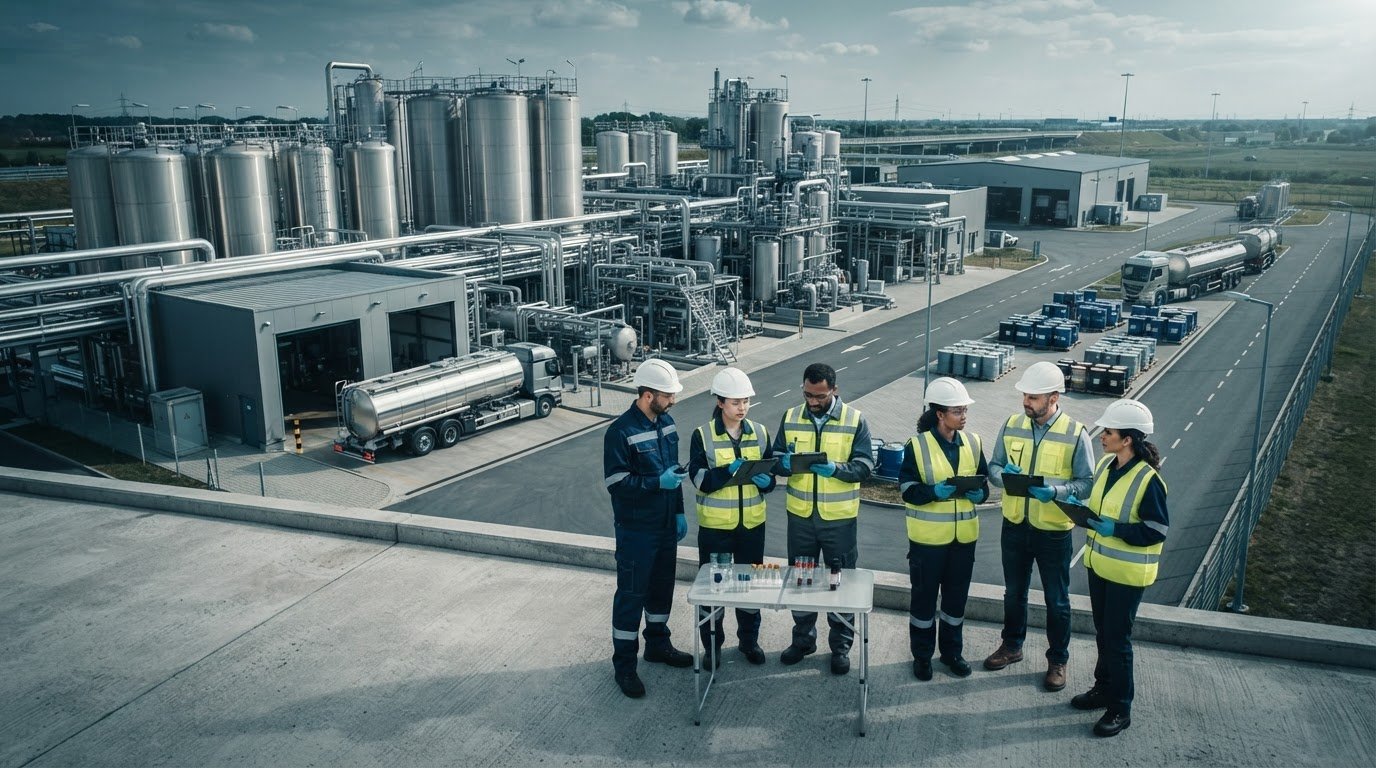
A sophisticated chemical strategy begins with a technical audit. This process involves on-site laboratory testing to identify the specific mineral and biological challenges of the feedwater. These audits often reveal hidden efficiency gaps in RO circuits that generic programs overlook. For instance, seasonal water quality variations can shift the scaling potential of a system within weeks. Technical consulting allows for the customization of dosing strategies to match these fluctuations. This proactive adjustment maintains a stable permeate quality and prevents the sudden spikes in differential pressure that signal membrane degradation. It's about moving from reactive maintenance to a state of constant process optimization.
Case for Specialized Industrial Formulations
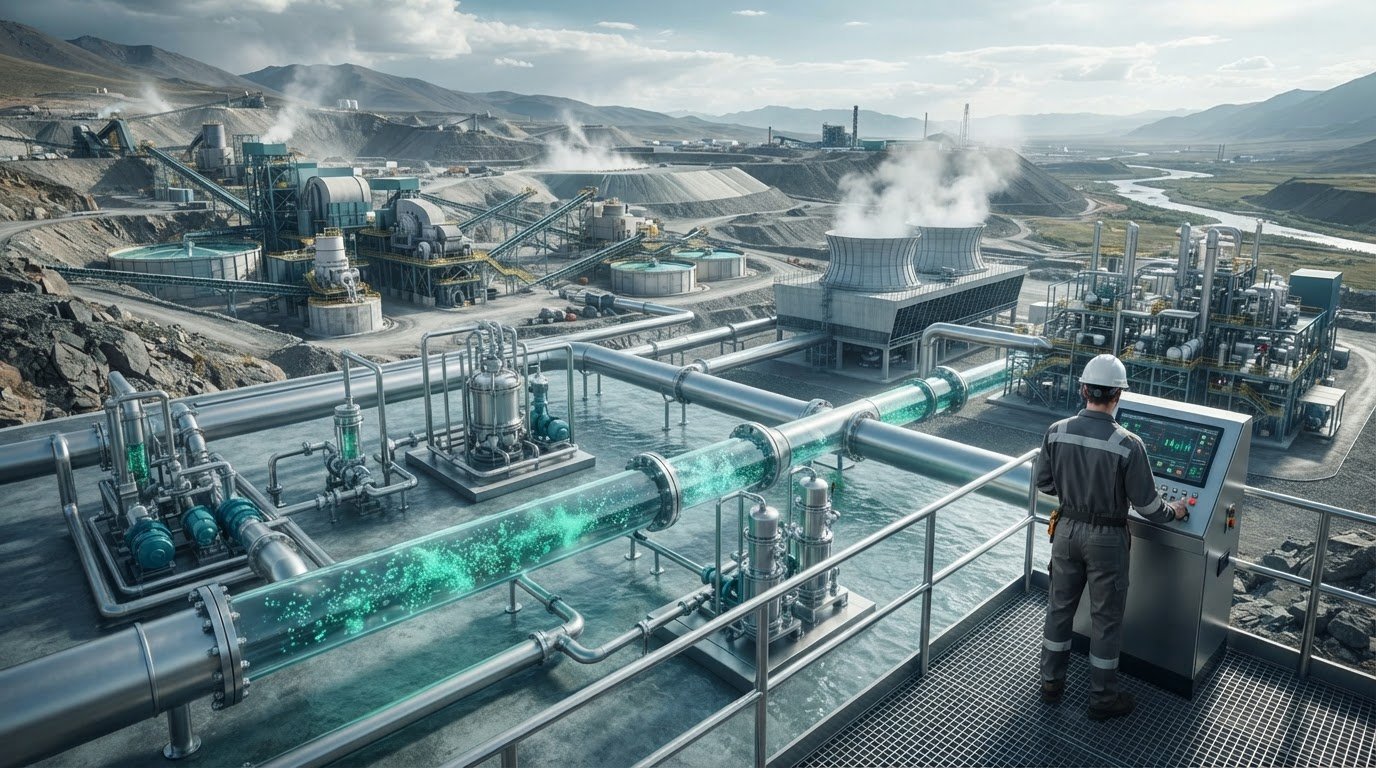
Specialized formulations offer superior potency compared to generic reagents. This higher concentration allows for lower dosing rates, which reduces the overall chemical footprint and storage requirements of a facility. When comparing long-term membrane health, systems using specialty chemicals consistently show fewer signs of irreversible fouling. These advanced solutions are also designed for compatibility across integrated industrial sites. In complex operations where water treatment must align with mining solutions and other extraction processes, specialized chemistry ensures that the water cycle supports, rather than hinders, global resource security. Investing in custom formulations is a commitment to the long-term stability and yield of the entire plant.
Best Practices for Dosing, Monitoring, and RO System Maintenance
Operational excellence in water treatment isn't accidental. It is the result of a rigorous, data-centric framework that treats chemical application as a core engineering function. Effective use of Reverse Osmosis Chemicals demands more than just adding reagents; it requires a comprehensive management plan that integrates chemical science with mechanical precision. This approach transforms water treatment from a variable expense into a predictable, stable component of industrial infrastructure. Precision matters. Even minor deviations in dosing can lead to rapid scaling or unnecessary chemical waste, both of which threaten the security of your global resources.
Implementing an RO Chemicals Management Plan
A structured protocol ensures that every intervention is purposeful and documented. This framework moves the facility from reactive troubleshooting to proactive asset protection. Establishing this plan involves four essential phases:
- Step 1: Baseline Performance Mapping. Conduct a detailed feedwater analysis to understand current scaling and fouling risks. This data establishes the "normal" operating signature for the system.
- Step 2: Regime Optimization. Select specific antiscalants and biocides that align with the site's unique biological and mineral profile. This avoids the inefficiencies of generic programs.
- Step 3: Precision Integration. Deploy automated dosing pumps and sensors to ensure chemicals are delivered at exact concentrations. Automation eliminates human error and ensures consistency.
- Step 4: Continuous Refinement. Review performance data regularly to adjust chemical setpoints. This allows the system to adapt to seasonal water quality variations or process shifts.
Monitoring Membrane Health and Cleaning Cycles
Membrane health is best understood through normalized permeate flow and salt rejection data. Raw data can be misleading because it fluctuates with temperature and pressure changes. Normalization provides a clear view of the actual state of the membrane surface. Predicting a scaling event before it occurs is the hallmark of a mature maintenance program. For facilities aiming to eliminate unexpected downtime, partnering with technical experts for process optimization ensures your dosing strategy remains both efficient and secure.
The "10% rule" serves as a critical threshold for operational security. When normalized permeate flow decreases by 10%, salt passage increases by 10%, or differential pressure rises by 15%, a Clean-In-Place (CIP) procedure must be initiated. Waiting beyond these markers often results in irreversible fouling. By using data to predict these cycles, operators can schedule maintenance during planned outages, preventing catastrophic scaling that could lead to premature membrane replacement.
Safety and environmental compliance remain non-negotiable pillars of this process. Using chemicals that meet the NSF/ANSI 60-2025 standard ensures that water treatment practices remain safe for public health and compliant with global regulations. Responsible chemical handling protects your personnel and the environment, reinforcing your role as a conscientious corporate citizen in the global industrial landscape.
Integrated RO Solutions from JAS Global: Enhancing Process Efficiency
JAS Global Industries has served as a foundational presence in the specialty chemical sector since 1998. We act as a vital global guardian for industrial infrastructure. Our approach to Reverse Osmosis Chemicals goes beyond basic supply. We provide a comprehensive umbrella of security for your water treatment assets. Through our multiple global R&I centers, we continuously advance the science of water purification. We turn technical expertise into long-term stability for our partners. This corporate history creates a reassuring atmosphere of trust. We don't just sell products; we protect the stability of critical global resources. It's a mission-oriented focus that defines our corporate identity.
Every industrial site faces unique challenges. One-size-fits-all solutions don't work for complex desalination or high-salinity mining water. We develop tailor-made formulated solutions that address specific feedwater profiles. This precision ensures operational reliability where generic reagents fail. Our technical consulting and site audits identify the exact chemistry needed to optimize plant yields and protect membrane integrity. We focus on the broader human impact of our technical solutions. This ensures that your facility remains an indispensable pillar of sustainability. By aligning chemistry with site-specific biology, we eliminate the inefficiency of trial-and-error dosing.
Why Industrial Leaders Partner with JAS Global
Reliability is built on established trust and proven results. Our partners gain access to a global supply chain and world-class manufacturing excellence. We maintain a specialized focus on critical sectors like mining and fertilizer processing. We understand the high stakes of these industries. Our goal is to provide cost-effective water treatment reagents that don't sacrifice sustainability. We frame our solutions as essential contributors to resource stability. This mindset drives our commitment to innovation and social concern. We act as an indispensable pillar of infrastructure. Our long-term partnerships are rooted in safety and stability rather than simple logistics.
Next Steps for RO System Optimization
Optimization is a continuous journey. It starts with a deep understanding of your current system performance. We invite you to inquire about our custom technical audits for your desalination plant. These audits uncover hidden efficiency gaps and pave the way for precision dosing strategies. Our experts analyze your specific process to ensure every reagent serves a protective purpose. You can also explore our full range of Water Treatment Antiscalants to see how we protect global infrastructure and enhance process security.
Global reach requires a steady, authoritative presence. For large-scale operations and global supply contracts, contact our Dubai headquarters. We are ready to act as your indispensable partner in modern infrastructure. Let's work together to ensure the safety and stability of your critical resources. Our team remains serious, focused, and results-driven. We are dedicated to the fundamental needs of society. Your operational success is our global mission. We stand as a vital guardian for the industries that power the world.
Securing the Future of Industrial Water Infrastructure
Strategic water management is a commitment to the long-term stability of our global resources. By moving beyond generic reagents, industrial facilities can achieve the high recovery rates necessary for truly sustainable operations. The precise application of Reverse Osmosis Chemicals acts as an indispensable pillar of modern infrastructure. It protects sensitive membranes from irreversible damage and ensures that water remains a reliable asset for every downstream process. Data-driven monitoring and precision dosing are no longer optional. They're essential requirements for any facility focused on operational excellence and environmental security.
Reliability is rooted in established trust and specialized technical expertise. Since 1998, JAS Global Industries has supported critical industrial sectors through our global logistics and technical support network. Our multiple specialized R&I centers focus on creating custom formulations that address the unique mineral and biological challenges of your specific feedwater profile. We act as a vital guardian for your industrial infrastructure, providing the steady performance your operations demand. Optimize your RO system with JAS Global Industries’ specialty formulations. We look forward to securing your success through innovation and long-term partnership.
Frequently Asked Questions
What are the most common chemicals used in reverse osmosis systems?
The most common reagents include Water Treatment Antiscalants, Water Treatment Biocides, and specialized membrane cleaners. These Reverse Osmosis Chemicals are essential for preventing mineral scaling and biological growth on semi-permeable surfaces. Additionally, pH adjusters and coagulants are often utilized to stabilize feedwater before it enters the membrane housing. Each chemical category serves a specific protective function to ensure the stability of the industrial water cycle and prevent irreversible damage to critical infrastructure.
How do antiscalants prevent membrane scaling in high-recovery systems?
Antiscalants function through threshold inhibition and crystal distortion mechanisms. By keeping minerals in a supersaturated state, they prevent the precipitation of calcium carbonate, sulfates, and silica. High-performance formulations interfere with the growth of mineral nuclei, making them unable to form a rigid scale layer. This process is vital for high-recovery systems where mineral concentrations are naturally elevated. Effective scale management maintains the permeate flow and protects the system from the mechanical stress caused by increased feed pressure.
Can using the wrong RO chemicals damage my membranes?
Yes, using incompatible chemistry can cause irreversible physical and chemical degradation. For instance, oxidizing biocides like chlorine can destroy the thin-film composite layer of a membrane if it's not properly neutralized. Similarly, using generic cleaners with extreme pH levels or incompatible surfactants may cause the membrane to lose its salt rejection capabilities. Selecting the correct Reverse Osmosis Chemicals through technical consulting is a necessary safeguard for protecting your capital investments and ensuring long-term operational reliability.
What is the difference between an RO antiscalant and a scale inhibitor?
While these terms are often used interchangeably in industrial settings, an antiscalant is a specialized subset of scale inhibitors designed for the unique dynamics of membrane surfaces. Standard scale inhibitors might work in cooling towers, but RO antiscalants are formulated to handle the high concentration polarization found at the membrane-water interface. These advanced reagents prevent complex mineral salts from adhering to the polymer surface. This ensures that the water treatment process remains efficient and the membrane pores remain clear.
How often should I perform a Clean-In-Place (CIP) for my RO membranes?
A Clean-In-Place procedure should be initiated when normalized performance data shows a 10% decrease in permeate flow or salt rejection. Waiting for more significant drops can lead to irreversible fouling that standard cleaners cannot remove. Most industrial plants find that a quarterly CIP is standard, though this frequency depends heavily on feedwater quality and the effectiveness of your daily dosing strategy. Regular technical audits help determine the optimal cleaning frequency to maximize membrane longevity and process yield.
Is biofouling preventable with specialty RO biocides?
Biofouling is manageable through the consistent application of non-oxidizing Water Treatment Biocides and dispersant agents. These chemicals prevent microorganisms from colonizing the membrane surface and forming resilient biofilms. Biofilms are particularly dangerous because they increase differential pressure and demand higher energy consumption. By integrating specialty biocides into a comprehensive management plan, operators act as guardians of their system's efficiency. This proactive approach prevents the biological contamination that often leads to unexpected and costly system shutdowns.
Why is feedwater analysis necessary before selecting RO chemicals?
Feedwater analysis provides the chemical fingerprint necessary for developing a custom dosing strategy. Without this data, operators rely on generic reagents that may not address the specific scaling or fouling risks of their water source. A detailed laboratory report identifies the concentration of silica, barium, and organic matter, allowing for the selection of optimized formulations. This precision ensures that your chemical investment directly contributes to the security and stability of your industrial water supply rather than being wasted.
How do custom chemical formulations improve RO plant yield?
Custom formulations improve plant yield by allowing for higher recovery rates without the risk of membrane scaling. These tailor-made solutions are more potent than generic alternatives, which often leads to lower overall chemical consumption and reduced operational costs. Since 1998, JAS Global Industries has used specialized R&I centers to develop these advanced technologies. By aligning chemistry with the specific metallurgy and biology of a site, we enhance process efficiency and ensure the long-term reliability of critical global resources.