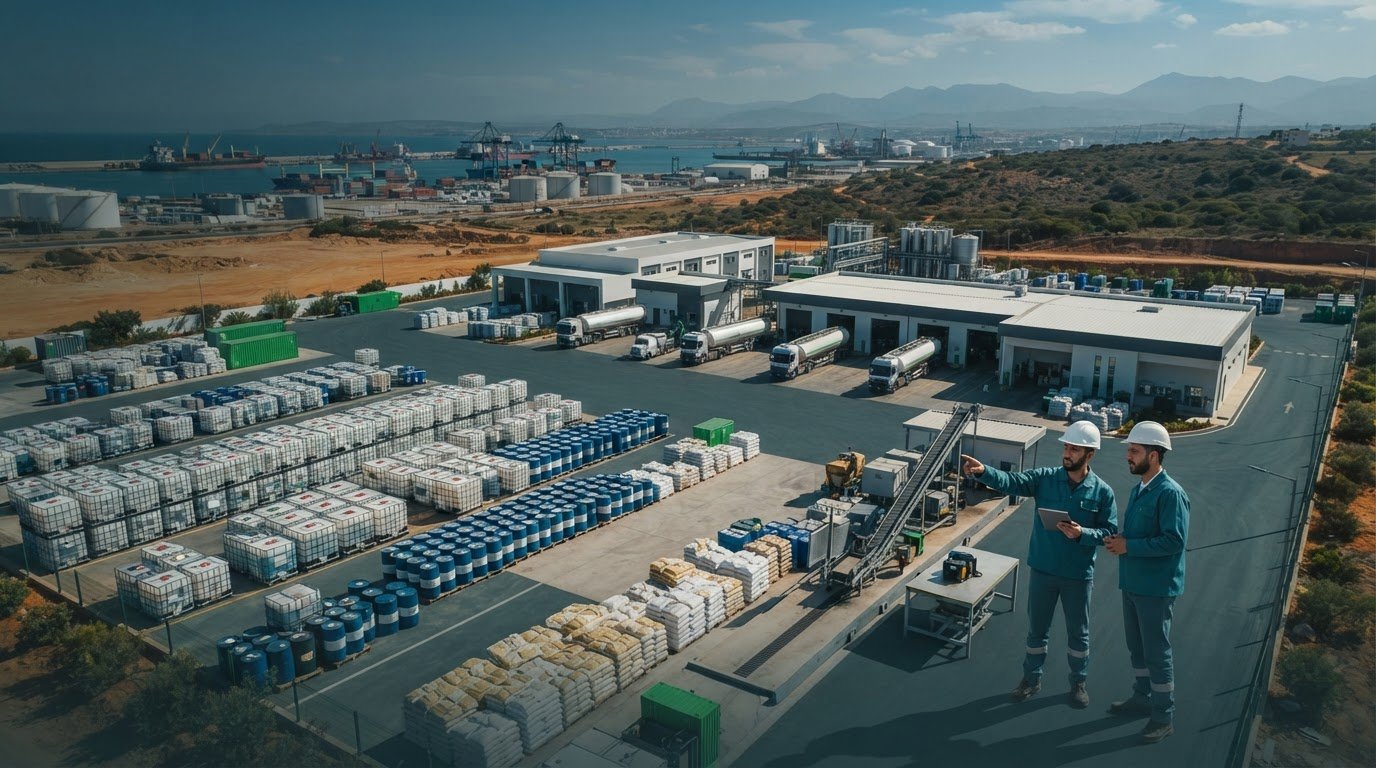

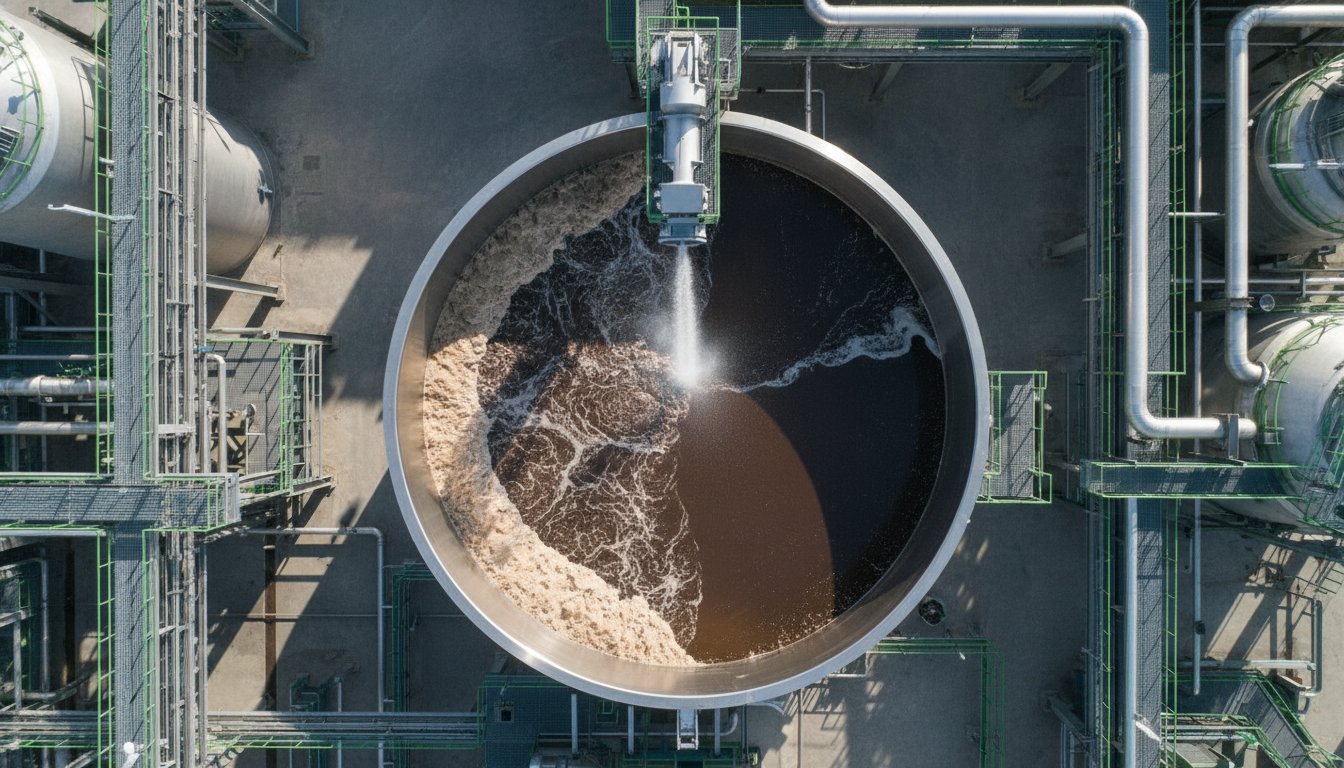
Why are you still paying to ship water across the globe when the solution to your foam crisis weighs significantly less? In an era where the global antifoaming market is surging toward a $6.68 billion valuation, many operators remain trapped by the logistical burden of liquid chemicals. Integrating Powder Antifoam into your workflow isn't just a technical shift. It's a strategic move to protect your infrastructure from the volatility of process overflow and equipment cavitation.
You've likely struggled with inconsistent dosing in dry-blend formulas or watched profit margins evaporate due to high shipping costs in high-temperature environments. We recognize that process stability is the bedrock of industrial security. This article will help you master the technical application of powdered solutions to eliminate foam and optimize your 2026 throughput. We'll examine how these high-performance agents ensure stable control across wide pH ranges while navigating the critical 2026 PFAS reporting deadlines and state-level bans. By the end of this guide, you'll be equipped to reduce operational downtime and secure the integrity of your final industrial products.
Key Takeaways
- Understand the solid-state mechanism that destabilizes foam lamellae to ensure continuous process stability and resource protection.
- Discover how Powder Antifoam reduces global logistics costs and eliminates phase separation risks in high-temperature environments.
- Identify specialized applications in mining and fertilizer production to prevent costly process overflow and equipment cavitation.
- Master dispersion techniques to ensure rapid active agent release and avoid mixing defects in high-viscosity slurries.
- Learn how technical audits and tailor-made formulations optimize industrial plant yields while reducing chemical waste.
The Science of Powder Antifoam in Industrial Processes
Effective foam management is a pillar of industrial stability. Powder Antifoam agents are solid-state chemical solutions engineered to destabilize and rupture foam lamellae within aqueous systems. These agents function as a protective barrier against process overflow and equipment cavitation. By maintaining the integrity of the air-liquid interface, they ensure that critical resources remain secure during extraction and processing. This solid-state approach provides a level of reliability that liquid chemicals often struggle to match in demanding environments.
The core mechanism relies on the strategic release of active ingredients from solid carriers. When these particles enter a foaming medium, the active components, typically silicones or polyethers, migrate to the bubble surface. This process is governed by surface tension dynamics. The spreading coefficient determines the speed at which the antifoam covers the lamella, while the entry coefficient dictates the initial penetration of the bubble wall. Understanding The Science of Defoamers is essential for selecting a chemistry that provides the necessary physical force to collapse stable foam structures. Unlike liquid counterparts, the powder format ensures that these active ingredients remain protected until the moment of application.
Active Ingredients and Carrier Materials
Modern powder formulations utilize robust carriers such as silica, salts, or carbonates. These materials provide a stable foundation for the active defoaming agents, preventing the phase separation often seen in liquid alternatives. Silicone-based powders offer high-performance versatility across various industries. Non-silicone polyethers are preferred in applications where silicone interference could compromise the final product quality. The entry coefficient is defined as the energetic ability of a defoamer droplet to break into the air-liquid interface, which is the first step toward bubble rupture. Choosing the correct carrier ensures the active agent remains viable throughout long-term storage in high-temperature environments common in the Middle East and Africa.
Foam Formation and Prevention (Antifoam vs. Defoamer)
Proactive protection is more efficient than reactive correction. Antifoams are integrated into the initial stages of industrial slurries to prevent foam generation before it disrupts production. This differs from defoamers, which are added to knock down existing foam. Powder formats are uniquely suited for dry-mixed formulations, providing easy integration into fertilizer and mining processes. A deep understanding of Surfactant Chemistry reveals how these powders counteract the stabilizing effects of organic matter and chemical additives. By neutralizing foam at the source, operators reduce downtime and optimize plant throughput.
Powder vs. Liquid Antifoams: A Strategic Comparison for 2026
Choosing between liquid and powder formats is no longer a matter of habit. It's a strategic calculation of resource security and operational efficiency. Liquid antifoams often consist of high percentages of water, which becomes a logistical liability during international transit. This "water weight" inflates shipping costs and unnecessarily expands a company's global carbon footprint. In 2026, industrial leaders are prioritizing Powder Antifoam to ensure they're only paying for active chemistry rather than the medium used to carry it. This shift reflects a broader commitment to lean manufacturing and environmental stewardship.
A comprehensive cost-benefit analysis must look beyond the initial price-per-kilogram. Total cost of ownership includes the expenses associated with specialized climate-controlled storage, the maintenance of complex dosing pumps, and the risk of product degradation. Liquid emulsions are notoriously sensitive. They require constant monitoring to prevent microbial growth or chemical breakdown. Conversely, powdered reagents provide a stable, concentrated alternative that simplifies the supply chain and reduces the total volume of hazardous materials handled on-site. For large-scale operations, the transition to solids is a move toward long-term stability.
Stability in Extreme Environments
Liquid emulsions frequently fail in high-heat storage conditions common in Dubai, Riyadh, or across the African continent. Intense temperatures cause these liquids to undergo phase separation, rendering the active ingredients ineffective. Once an emulsion breaks, it's nearly impossible to restore its original properties without high-shear industrial equipment. Powders are inherently more robust. They maintain their chemical integrity and activity levels for 12 months or longer, even in non-conditioned warehouses. This reliability is vital for remote mining operations where restocking is infrequent. Research into high-performance powder antifoam solutions shows that solid carriers protect the active silicone or polyether chains from thermal degradation, ensuring consistent performance upon application.
Integration and Handling in Large-Scale Plants
Industrial plants are increasingly moving away from liquid dosing pumps in favor of dry feeders. These systems are easier to calibrate and carry a lower risk of environmental contamination through spills or leaks. When preparing bulk fertilizer anti-caking agents or detergents, Powder Antifoam integrates directly into the dry-blend phase. This eliminates the need for secondary mixing steps and reduces the complexity of the production line. Solid-state chemicals are also safer for personnel to handle, as they don't present the same splash hazards as concentrated liquids. To determine the most efficient dosing strategy for your specific facility, you can consult with our technical specialists for a comprehensive process audit.
Industrial Applications: From Mining Flotation to Water Treatment
Industrial scale and operational security depend on the precise management of aqueous systems. Powder Antifoam serves as a critical guardian in these environments, preventing the chaotic foam generation that leads to resource waste and equipment damage. While liquid alternatives struggle with stability, powdered reagents offer a reliable shield for infrastructure across diverse sectors. These applications range from the deep extraction processes of mineral processing to the essential purification of global water resources. By securing these pathways, operators ensure the steady flow of materials necessary for modern society.
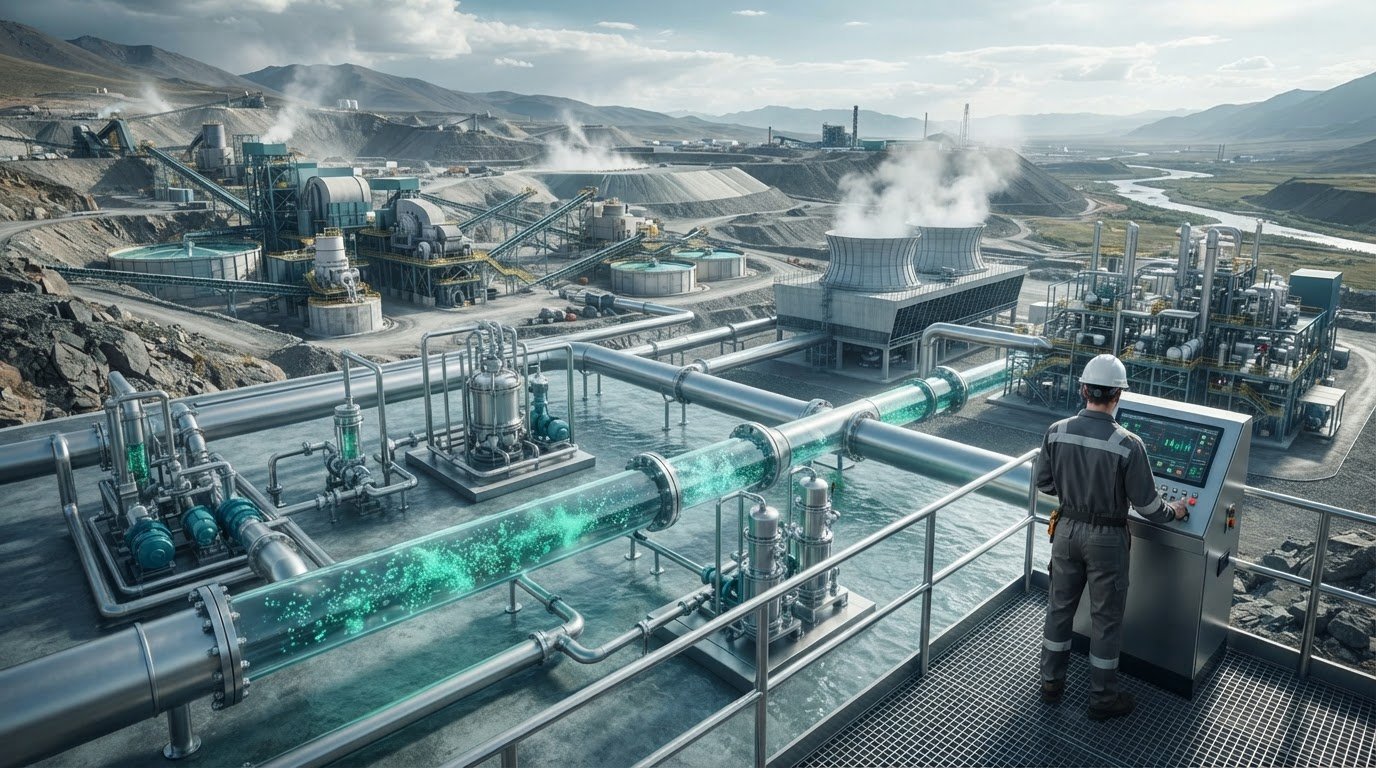
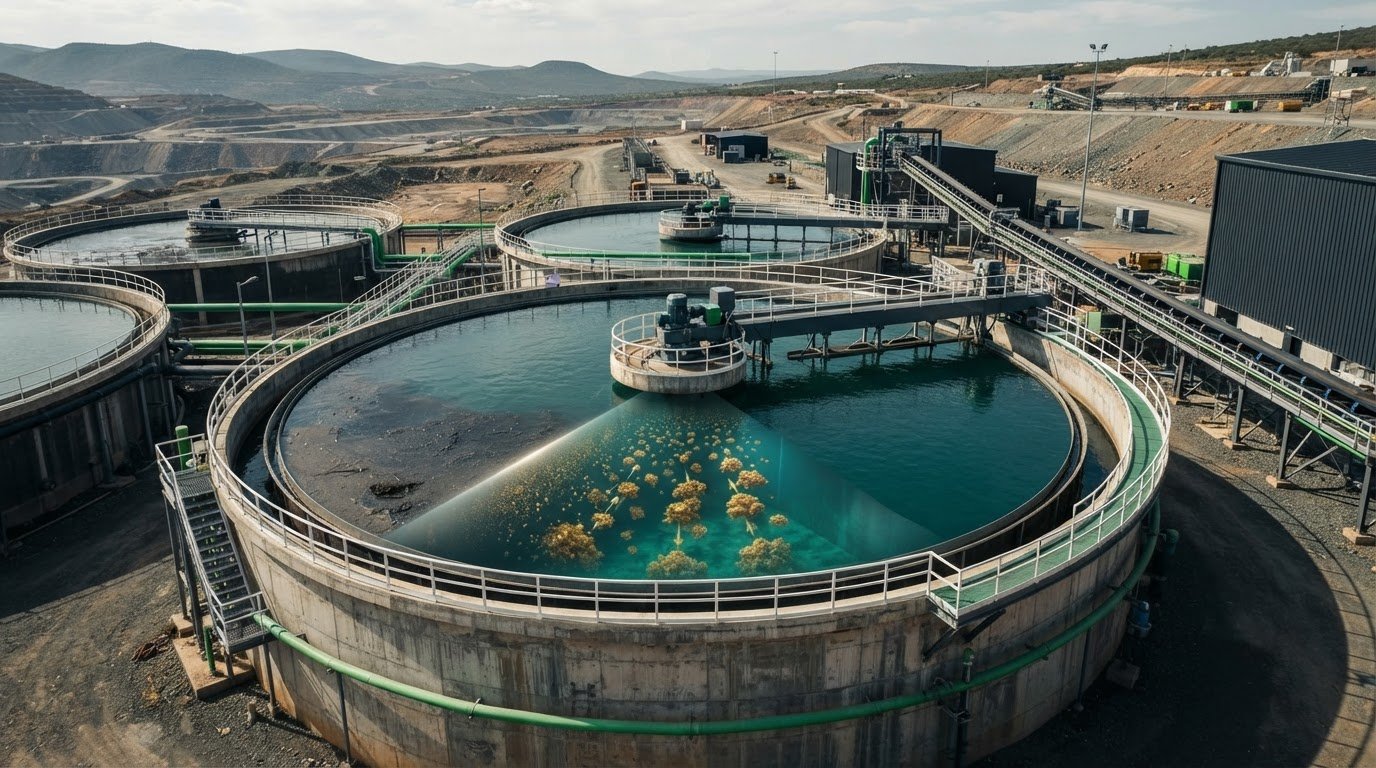
In industrial water treatment, managing foam in high-salinity environments is a constant challenge. Desalination plants and Reverse Osmosis (RO) systems often encounter organic contaminants that stabilize bubbles, threatening membrane integrity. Powdered solutions provide a concentrated, stable method for foam suppression that doesn't interfere with sensitive filtration media. Similarly, the home care sector relies on these agents to maintain performance in powdered laundry formulations. Without effective foam control, high-efficiency washing machines can fail due to "suds lock," leading to consumer dissatisfaction and mechanical wear.
Mining Solutions and Mineral Recovery
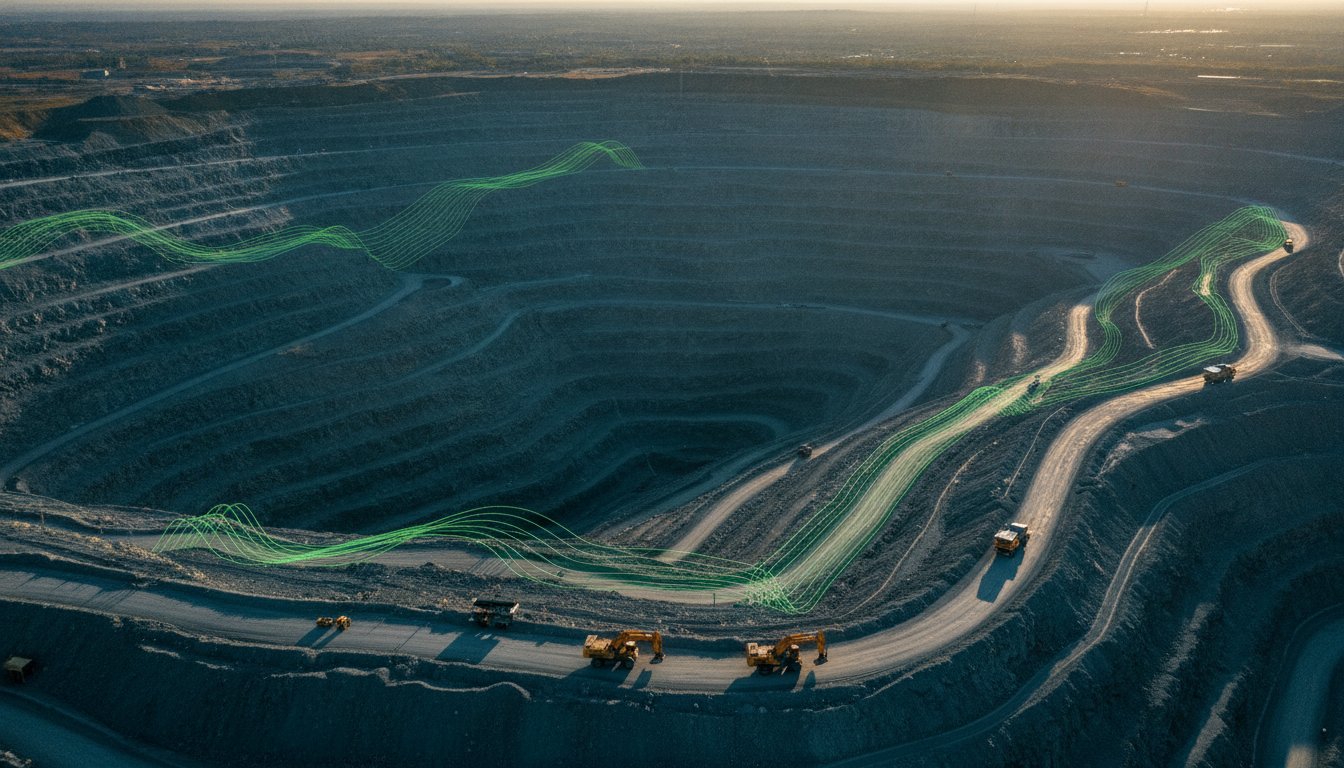
Froth management is the heartbeat of mineral processing. In flotation circuits, the goal is to recover valuable minerals while suppressing unwanted gangue. However, uncontrolled foam in tailings management or grinding circuits can cause pump cavitation and overflow. Optimizing froth stability through advanced Mining Solutions is essential for maintaining high recovery rates. JAS Global specializes in customizing Powder Antifoam formulations to match specific ore mineralogies. This ensures that the reagent doesn't just kill foam, but does so without disrupting the delicate chemistry required for mineral separation. It's a balance of power and precision that protects the plant's bottom line.
Fertilizer Production and Quality Control
The fertilizer industry operates under aggressive chemical conditions. During the acidulation of phosphate rock, the rapid release of gases often leads to dangerous "boil-over" events in phosphoric acid plants. This foam doesn't just waste material; it creates significant safety hazards for personnel. Integrating high-performance antifoams into Anti-caking Agents provides a dual-action benefit. It prevents foam during the granulation process and ensures the final product remains free-flowing during global transit. This level of quality control is vital for food security, as it prevents process loss in granulation towers and maintains the nutrient integrity of the final fertilizer granules.
Overcoming Challenges in Powder Antifoam Dosing and Dispersion
Technical precision in the dosing phase is the difference between seamless operation and costly process defects. While Powder Antifoam provides superior stability in extreme climates, its physical integration into aqueous systems requires a strategic approach. Poor dispersion often manifests as "fish-eyes" or undissolved clumps, particularly in high-viscosity slurries or cold-water environments. These residues don't just waste active chemistry; they can clog filters and create surface defects in final industrial products. Achieving rapid activation requires understanding the balance between particle size and mixing energy.
Compatibility testing is another essential pillar of foam control security. Industrial processes are complex chemical ecosystems where surfactants, polymers, and other reagents interact. If a powder carrier isn't compatible with the existing surfactant package, the antifoam may lose efficacy or cause unwanted precipitation. Monitoring efficacy through real-time foam height measurement allows operators to make precise dosing adjustments. This data-driven approach prevents over-dosing, which can otherwise lead to increased chemical costs and potential downstream interference.
Troubleshooting Industrial Dispersion
High-shear mixing is the most effective method for ensuring rapid antifoam activation. For plants with limited agitation capacity, pre-dispersing the powder into a concentrated side-stream can prevent clumping in the main vessel. To evaluate the performance of a specific formulation, operators should perform a "Bottle Shake Test." Fill a 500ml graduated cylinder with 200ml of the process liquid. Add the calculated dose of Powder Antifoam and shake vigorously for 30 seconds. Observe the time required for foam collapse and the clarity of the solution to identify potential dispersion issues before full-scale application.
Raw Material and Water Chemistry Variability
Water hardness and pH fluctuations significantly impact the stability of silicone-based powder carriers. High concentrations of calcium or magnesium ions can interfere with the "spreading" mechanism described in earlier sections. Dosing strategies must remain flexible to account for seasonal changes in Industrial Water Treatment systems. Continuous laboratory monitoring ensures that the chemical balance remains optimal as source water quality shifts. Maintaining this equilibrium protects infrastructure and ensures the reliability of the entire production line. For a detailed technical audit of your dosing systems, contact JAS Global today.
Strategic Sourcing: The JAS Global Advantage in Specialty Chemicals
Securing a reliable supply of high-performance reagents is the foundation of industrial continuity. Powder Antifoam sourcing requires more than a simple transaction; it demands a partnership rooted in technical expertise and global reach. Off-the-shelf solutions frequently fall short in complex environments like phosphate mining or high-salinity water treatment. These generic products often fail to account for the specific mineralogical interference or water chemistry variables unique to each site. JAS Global Industries serves as a vital guardian of these processes, providing the stability and reliability necessary for modern infrastructure.
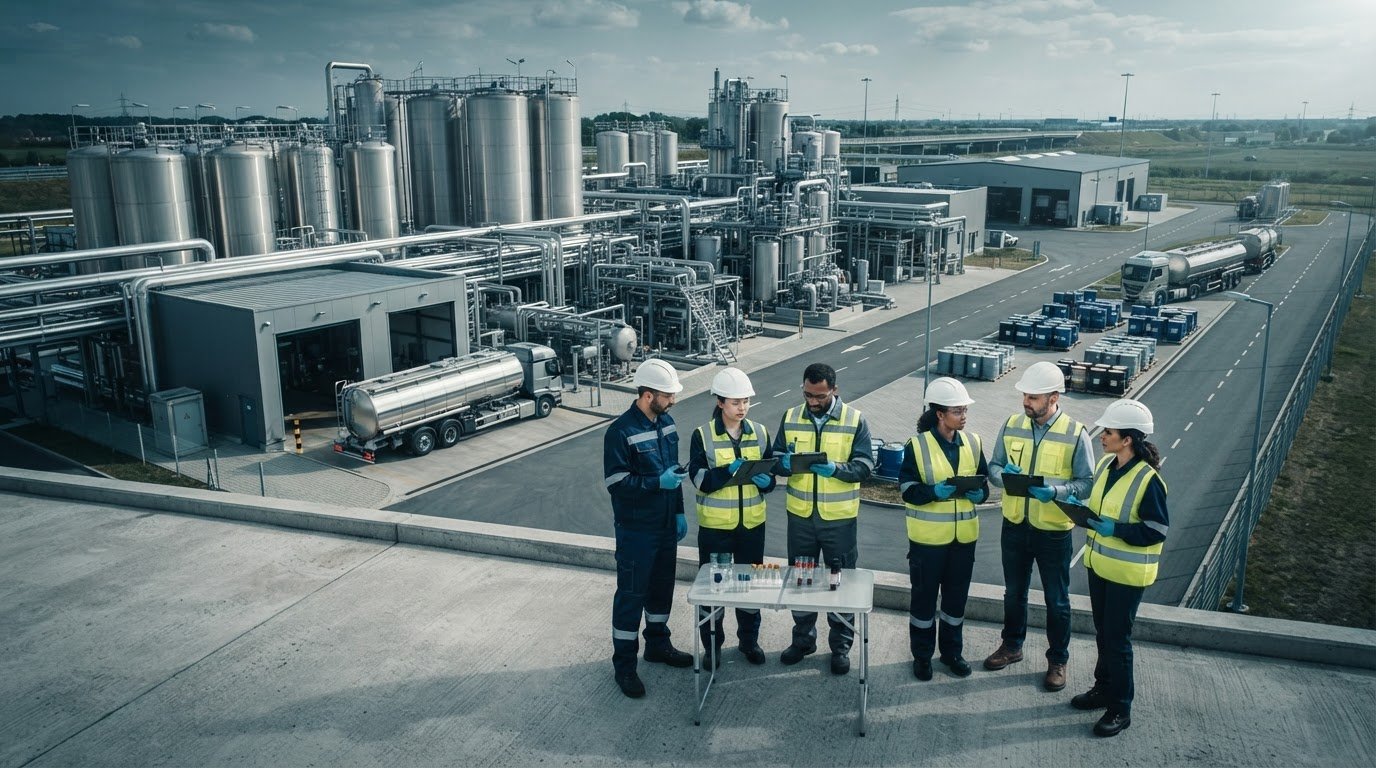
Our commitment to excellence begins with comprehensive technical audits. By conducting on-site laboratory testing, we identify the precise mechanisms causing foam instability in your facility. This data-driven approach allows us to improve industrial plant yields and significantly reduce chemical waste. We move beyond the role of a supplier to act as a strategic consultant, ensuring that every kilogram of reagent contributes to the optimization of your throughput. Since 1998, we've focused on delivering measurable results that protect both your profit margins and the global resources you manage.
Custom Chemical Dosing Strategies
Process mineralogies vary significantly across global operations. Our multiple R&I centers leverage advanced chemistry to match Powder Antifoam variants with your specific ore or slurry characteristics. This level of customization is particularly critical for the high-performance slurry management required in Ceramics Chemicals and mineral processing. By tailoring the active silicone or polyether chains to your environment, we ensure maximum foam suppression with minimal dosage. This "Process Optimization" model transforms chemical sourcing into a long-term strategy for operational security.
Operational Reliability and Global Support
Operational since 1998, JAS Global Industries has built a robust global logistics footprint headquartered in Dubai. We ensure supply chain security across Europe, Asia, and Africa, navigating the complexities of international transit with established trust. Our concentrated powder formats play a dual role: they lower shipping costs and reduce the environmental impact of transporting water-heavy liquids. This ethical approach to chemistry aligns with our mission to provide sustainable solutions for the world's most critical industries. We invite you to Contact JAS Global Industries for a Technical Audit of your Industrial Process to experience the difference that 25 years of specialized expertise can make.
Securing Industrial Stability through Chemical Precision
The transition to Powder Antifoam represents a definitive shift toward operational security and logistical efficiency. By eliminating the burden of water weight and ensuring chemical stability in extreme climates, your facility can finally overcome the volatility of process foam. We've explored the importance of surface tension dynamics and the necessity of precise dosing to maintain the integrity of global resources. These technical solutions are the pillars of a resilient production line in 2026. Process stability isn't just an operational goal; it's a foundational requirement for global resource protection.
JAS Global Industries stands as a vital guardian of your infrastructure. With over 25 years of specialty chemical expertise and a global logistics hub in Dubai, we provide the reliability your operations demand. Our on-site technical audits and custom formulations ensure that your chemistry is perfectly matched to your specific process mineralogy. We invite you to optimize your industrial process with JAS Global's custom powder antifoams and secure your plant's throughput for the long term. Trust in a partner that prioritizes the stability of your resources as much as you do. We'll help you build a more efficient and sustainable industrial future.
Frequently Asked Questions
What is the difference between a defoamer and an antifoam in powder form?
Antifoams prevent foam generation while defoamers eliminate existing foam. In powder form, these agents are often used proactively by mixing them into dry industrial precursors. This ensures that bubble formation is suppressed the moment the material contacts water. While the terms are used interchangeably, the powder format is uniquely suited for proactive antifoaming in dry-blend manufacturing environments where liquid dosing isn't feasible.
Can powder antifoams be used in high-temperature industrial processes?
Yes, Powder Antifoam solutions are highly effective in high-temperature industrial environments. Solid carriers protect the active silicone or polyether components from thermal degradation. This allows them to remain active at temperatures exceeding 100°C where standard liquid emulsions would break or separate. They're a reliable choice for steam-heavy processes in the chemical and textile sectors where process stability is a priority.
Are silicone-based powder antifoams safe for water treatment and desalination?
Silicone-based powder antifoams are generally safe for water treatment when sourced from reputable industrial suppliers. These formulations are engineered to avoid membrane fouling in Reverse Osmosis and thermal desalination systems. It's critical to verify that the specific reagent is compatible with your filtration media. Proper sourcing ensures that your water treatment process remains secure, efficient, and environmentally responsible for long-term resource protection.
How do I calculate the correct dosage for a powder antifoam in a large-scale slurry?
Dosage is usually calculated as a percentage of the total slurry weight or the liquid volume. Most industrial applications require a concentration between 100 and 500 parts per million (ppm). To avoid over-dosing, you should conduct a technical audit to identify the exact threshold for foam collapse. This prevents unnecessary chemical costs and protects the stability of your process from unwanted chemical interactions.
Will powder antifoams leave a residue in my final industrial product?
Properly formulated powder antifoams don't leave residues that compromise the quality of final industrial products. The active agents migrate to the bubble surface and dissipate as the foam ruptures. Choosing a carrier that's compatible with your process chemistry is vital. This ensures the solid components dissolve or integrate fully without affecting the appearance, texture, or performance of the final output in your production line.
How does the shelf-life of powder antifoam compare to liquid emulsions in hot climates?
Powder antifoams maintain their integrity for over 12 months in hot climates, far outlasting liquid emulsions. Liquid products often suffer from phase separation or bacterial contamination when stored in non-conditioned warehouses. The solid-state format is resistant to these temperature fluctuations. This reliability makes them the preferred choice for operations in the Middle East and Africa where maintaining chemical potency is essential for infrastructure security.
Can I mix powder antifoams directly into dry-blend fertilizer formulas?
You can mix powder antifoams directly into dry-blend fertilizer and detergent formulas with ease. This integration ensures the defoaming agent is ready to act as soon as the final consumer or industrial user adds water. It simplifies the manufacturing process by removing the need for liquid dosing pumps. The solid format provides a consistent distribution of active ingredients throughout the entire batch for reliable performance.
What is the best way to ensure rapid dispersion of powder antifoams in an aqueous system?
High-shear agitation is the superior method for ensuring the rapid dispersion of powder antifoams. If your equipment provides limited mixing energy, you should pre-slurry the powder in a separate vessel before introduction. This step prevents the formation of clumps and ensures the active ingredients are released immediately. Consistent dispersion is the key to maintaining continuous foam control across your entire aqueous system without process interruptions.