
A single day of worker absenteeism due to "stinkdamp" exposure costs more than just lost hours; it erodes the very foundation of your operational security. You shouldn't have to choose between hitting production targets and managing the volatile chemistry of your site. Effective Mining Odor & Gas treatment is no longer a secondary environmental concern. It's a critical industrial pillar. With the global gas treatment market projected to reach 5.84 billion dollars in 2026, the industry is shifting toward more aggressive, performance-based standards that demand total site reliability.
We know that balancing Australian Workplace Exposure Limits or US MSHA silica standards against a 6.25 percent rise in fuel costs is a constant pressure. This guide will help you master the complexities of industrial gas management to ensure worker safety, environmental compliance, and long-term operational reliability. We'll examine how to neutralize H2S and volatile organic compounds while protecting your expensive processing equipment from rapid corrosion. From technical audits to tailor-made reagents, we're exploring the path to a compliant, odor-free mining operation that protects both your people and your bottom line.
Key Takeaways
- Understand the chemistry behind lethal "stinkdamp" to proactively mitigate risks from H2S, VOCs, and ammonia.
- Master advanced Mining Odor & Gas treatment by utilizing non-reversible scavengers that provide permanent chemical stability over temporary masking.
- Optimize operational costs by treating gas at the source, reducing the massive energy load required for high-volume mechanical ventilation.
- Establish a framework for operational security through site-wide gas audits and the integration of automated reagent dosing systems.
- Align industrial productivity with global resource security by leveraging tailor-made chemical formulations designed for specific mineralogies.
The Critical Role of Gas and Odor Management in Modern Mining
Global resource security relies on the invisible stability of the mine site environment. Atmospheric control isn't a luxury; it's a foundational requirement for operational continuity. In the extraction of critical minerals, three primary foulants dominate the risk profile: Hydrogen Sulfide (H2S), Volatile Organic Compounds (VOCs), and Ammonia. While these gases often originate from deep geological pockets or chemical reactions in processing, their mismanagement leads to catastrophic failure. Effective Mining Odor & Gas treatment serves as a shield for both human capital and physical assets.
The "Stinkdamp" challenge remains the industry's most deceptive threat. Hydrogen Sulfide is famous for its rotten-egg odor, yet this scent is a trap. At high concentrations, H2S paralyzes the olfactory nerve. It strips workers of their ability to detect the gas just as it reaches lethal levels. This silent transition from a nuisance to a neurotoxin makes proactive chemical management essential. While Amine gas treating is a proven method for high-volume gas purification in industrial settings, mining sites often require immediate, site-specific scavengers to neutralize H2S at the point of release.
Regulatory pressure is intensifying. By December 1, 2026, Australia will complete its transition to Workplace Exposure Limits (WELs), shifting toward more enforceable, performance-based standards. Simultaneously, metal and nonmetal mine operators in the United States must comply with new MSHA silica exposure limits by April 8, 2026. Failing to meet these benchmarks isn't just a legal risk. It's an economic one. Neglect leads to rapid corrosion of expensive processing equipment, prolonged operational downtime, and the looming threat of community litigation over environmental nuisances.
Identifying Hazardous Foulants in Mineral Extraction
Modern extraction relies on complex chemistry that often yields unintended atmospheric results. In flotation circuits, chemical agents like xanthates can degrade, releasing VOCs that create complex, pungent odor profiles. Pressurized gas pockets within the ore body also discharge suddenly during crushing and harvesting. To maintain compliance, operators must distinguish between simple nuisance odors and toxic emissions. Precise Mining Odor & Gas treatment requires mapping these foulants to ensure reporting accuracy and targeted neutralization.
Impact of Gas Emissions on Worker Health and Safety
Safety is the cornerstone of industrial ethics. Chronic exposure to even low-level odors has a profound psychological impact on site personnel, leading to increased absenteeism and poor retention rates. Physical symptoms of prolonged exposure include:
- Persistent respiratory irritation and fatigue
- Chronic headaches and dizziness
- Reduced cognitive function during critical tasks
Meeting OH&S obligations requires moving beyond reactive ventilation. By implementing proactive chemical gas management, operators protect the long-term health of their workforce. Protecting people. Securing production.
Advanced Chemistry: How Scavengers and Neutralizers Protect Operations
Odor control in industrial mining is often dismissed as a cosmetic fix. In reality, it is a sophisticated chemical intervention essential for operational security. Effective Mining Odor & Gas treatment moves beyond simple masking agents, which only provide temporary relief by overwhelming the senses with stronger scents. True protection relies on non-reversible scavengers. These specialty reagents engage in a permanent chemical reaction with Hydrogen Sulfide (H2S), transforming toxic gas into stable, non-volatile salts that cannot be released back into the atmosphere even if temperatures fluctuate.
The stability of these reactions is a cornerstone of site safety. While federal multi-gas detector regulations mandate the use of monitoring equipment, detection is only the first step. Chemical neutralization ensures that gas levels remain well below regulatory thresholds. By utilizing tailor-made formulations developed in dedicated R&I centers, operators can address the unique mineralogy of their site. Every ore body is different; a reagent that works in a potash mine may fail in a phosphate circuit. Custom chemistry ensures that the reagents interact precisely with the specific foulants present in your mineral stream.
Uniform coverage is another critical factor. Without proper distribution, gas pockets can still form in "dead zones" of the processing plant. This is where dispersant agents become vital. These chemicals reduce the surface tension of the treatment fluid, allowing scavengers to penetrate every cubic meter of the air or liquid stream. For sites looking to enhance their current safety protocols, conducting a technical audit of your reagent application can reveal hidden gaps in your gas management strategy.
H2S Scavenging Mechanisms
Non-reversible scavenging relies on high-affinity chemical bonding. In the liquid phase, scavengers are injected directly into slurry lines or tailing ponds to capture H2S before it can volatilize. In the gas phase, specialized atomization systems create a mist of neutralizers that collide with gas molecules in real time. This dual-phase strategy is particularly effective in high-temperature environments where gas release is more rapid and aggressive.
Pyrophoric and NORM Decontamination
Beyond odors, chemical treatment addresses the invisible threat of pyrophoric materials like iron sulfide. These deposits can ignite spontaneously when exposed to air during maintenance, posing a severe fire risk in underground galleries. Integrating neutralizing reagents into routine cleaning cycles prevents these deposits from accumulating. Furthermore, specialized protocols for managing Naturally Occurring Radioactive Materials (NORM) ensure that your maintenance team remains protected from long-term health risks. Comprehensive decontamination is not just maintenance; it is the preservation of your most valuable assets.
Strategic Comparison: Chemical Treatment vs. Mechanical Ventilation
Mechanical ventilation is the legacy standard for underground air quality. It is a brute force approach. While moving massive volumes of air is necessary for oxygenation, relying solely on high-powered fans to manage toxic foulants is a costly inefficiency. For a production site operating at 100,000 m³/h, the capital expenditure for industrial gas treatment systems can reach up to $350,000. These figures don't account for the escalating energy costs required to maintain high-velocity airflow through deep, restrictive shafts. As fuel and energy prices continue to fluctuate, the financial burden of pure mechanical solutions becomes unsustainable.
Strategic Mining Odor & Gas treatment provides a surgical alternative. By neutralizing foulants at the source, such as within the slurry or at the active face, operators eliminate the gas load before it enters the primary air stream. This transition from dilution to elimination fundamentally alters the mine's economic profile. It shifts the operational burden from massive CAPEX hardware to precise, performance-linked OPEX. This approach protects the bottom line while ensuring the highest standards of site safety. Effective chemistry reduces the total demand on ventilation systems, allowing for significant power savings.
Limitations of Ventilation Alone
Ventilation doesn't solve the odor problem. It merely moves it. High-velocity exhaust systems often discharge untreated H2S and VOCs directly into surface communities. This creates environmental nuisances that lead to community friction and expensive legal challenges. Within the mine, "dead zones" with stagnant circulation allow lethal gas pockets to accumulate, regardless of fan capacity. Chemical removal provides a safety blanket that mechanical systems simply cannot offer. It ensures the atmosphere remains stable even in the most remote extraction galleries.
Process Optimization and ROI
True resource security stems from a hybrid strategy. Combining advanced chemistry with smart airflow management allows for lower fan speeds and significant energy efficiency gains. Technical audits help determine the exact dosing requirements per ton of ore, preventing chemical waste and maximizing impact. This precision reduces the rate of equipment corrosion, significantly lowering long-term maintenance costs. For a holistic site management plan, operators must also consider industrial water treatment. By stabilizing both the liquid and gaseous environments, you create a foundation for long-term operational reliability. Professionalism. Precision. Protection.
Implementing an Effective Mining Odor & Gas Treatment Plan
Execution is the bridge between strategic intent and operational reality. A robust Mining Odor & Gas treatment strategy requires a systematic rollout that integrates advanced chemistry with site-specific architecture. It's not enough to simply purchase reagents; you must deploy them through a framework of precision and accountability. This starts with a transition from reactive responses to a data-driven monitoring loop. By establishing a continuous feedback system, operators can adjust chemical dosages in real time, responding to gas spikes before they breach safety thresholds.
The technical heart of this plan is the automated dosing system. These units eliminate the variability of human error, ensuring that specialty chemical reagents are delivered at the exact concentration required for the current ore grade. Training site personnel is equally vital. Workers must understand the sophisticated handling protocols and safety measures required for modern chemical management. Educated teams are the first line of defense in maintaining a stable, odor-free environment. For sites ready to upgrade their infrastructure, you can request a technical consultation to design a customized dosing framework.
Step-by-Step Site Audit
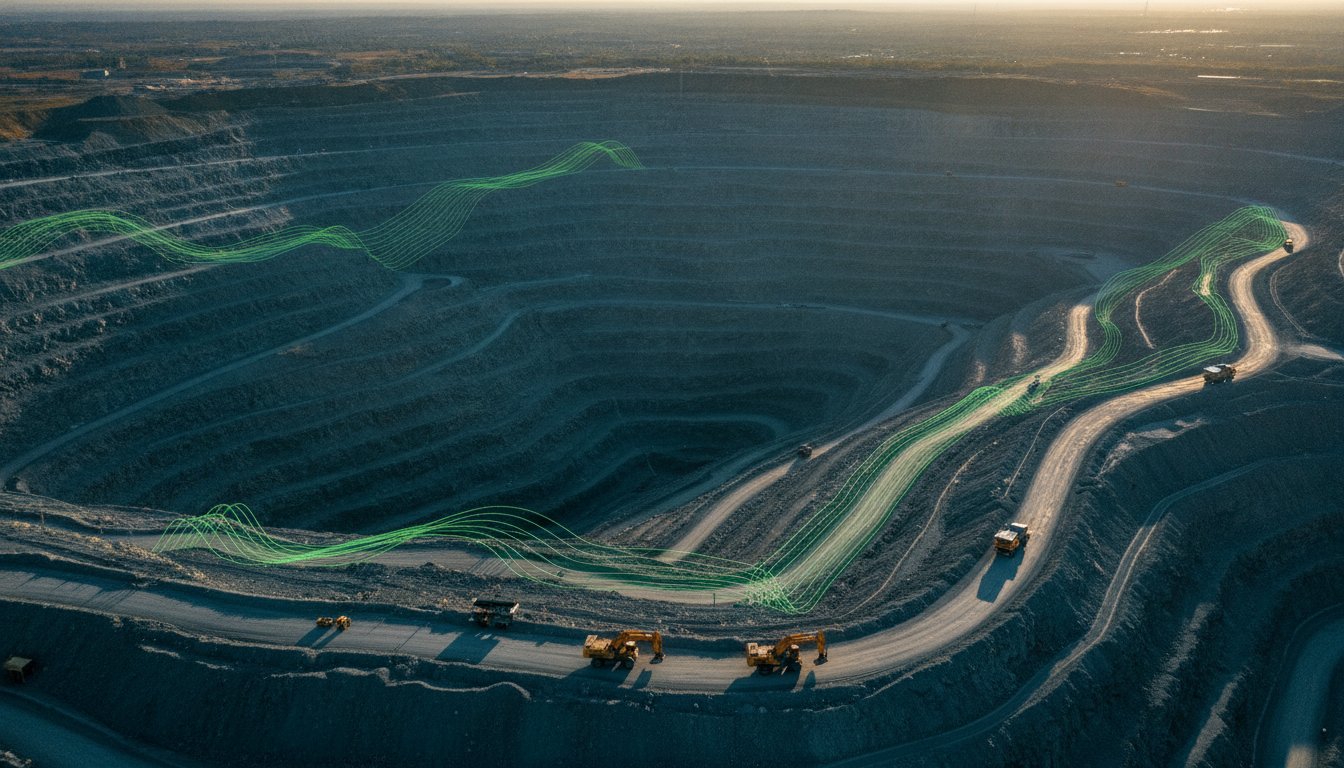
A successful implementation begins with a comprehensive gas audit. This exercise maps "hot spots" throughout the extraction circuit where gas emissions are most concentrated. By sampling mineral ores at various stages, technical teams can predict gas release patterns during crushing, grinding, and flotation. This predictive data is essential for setting baseline metrics that align with 2026 environmental reporting standards. Accurate mapping ensures that your treatment resources are concentrated where they provide the most protection.
Logistics and Supply Chain Security
Remote and landlocked operations face unique challenges in chemical procurement. Reliability in the supply chain is a form of operational security. Managing bulk contracts requires a partner capable of ensuring chemical stability during long-distance maritime transport and extreme climate shifts. Dubai has emerged as a central pillar for global mining solutions, leveraging its strategic position and world-class R&I centers to provide tailor-made formulations to the most isolated regions. This logistical advantage ensures that your site never faces a protection gap due to supply delays. Global reach. Local impact. Uninterrupted security.
The JAS Advantage: Tailor-Made Solutions for Global Resource Security
Global resource security is not a static goal. It's a continuous commitment to safety, efficiency, and industrial stability. Operating since 1998, JAS Global Industries has evolved from a specialty supplier into an indispensable pillar of modern mining infrastructure. Our Dubai-based headquarters and Research & Innovation (R&I) centers allow us to develop tailor-made formulations for the most complex mineralogies. We don't just offer products; we provide a shield for your operations. By maintaining a presence across Africa, Asia, and Europe, we ensure that technical consulting and on-site laboratory testing are always within reach of local mining needs.
Our Global Guardian approach balances aggressive industrial output with a deep sense of ethical safety. We understand that every mine presents a unique chemical challenge. Our specialized approach to Mining Odor & Gas treatment involves more than shipping drums of reagents. It includes a comprehensive technical partnership. This commitment to reliability ensures that your site remains compliant and your workforce remains protected. Protecting assets. Preserving health. Securing production.
Innovation in H2S Removal and Odor Neutralization
JAS utilizes a proprietary approach to non-reversible scavengers, specifically designed for complex ores that resist standard treatments. These formulations ensure that toxic foulants are permanently neutralized, preventing the "re-release" of gases during downstream processing. By focusing on high-affinity chemical bonding, we help operators significantly reduce the environmental footprint of their mining chemicals. Efficient dosing means less waste and higher site safety. For those requiring deep technical insights into these chemical mechanisms, explore our guide on h2s treatment.
Partnering for Long-Term Operational Reliability
We've moved beyond the role of a traditional chemical vendor. We act as a strategic technical partner. This distinction is vital for long-term operational reliability. We design custom dosing strategies that align with your specific mineral recovery goals, ensuring that gas management never comes at the expense of production efficiency. Our reagents are formulated to reduce equipment corrosion and environmental impact, providing a sustainable path to compliance. True security is built on trust and technical excellence. Contact JAS Global Industries for a Technical Audit to begin securing your site's future.
Advancing the Standard for Operational Stability
Mastering the atmosphere of a complex mine site requires more than just airflow; it demands a sophisticated chemical shield. By integrating non-reversible scavengers and automated dosing, you transition from reactive crisis management to proactive resource protection. This shift doesn't just satisfy 2026 regulatory standards. It preserves your most valuable physical and human assets while significantly lowering long-term energy costs.
Effective Mining Odor & Gas treatment is a foundational pillar of global resource security. Since 1998, JAS Global Industries has provided the technical expertise needed to navigate these industrial complexities. Our Dubai-based logistics network and specialized R&I centers ensure that every site receives a tailor-made formulation designed for its specific mineralogy. With over 25 years of experience, we act as a vital guardian for the world's most critical industries. Protecting people. Securing production. We're ready to help you build a more resilient future for your site.
Secure Your Mining Operations with JAS Global Industries
Frequently Asked Questions
What are the most common gases that require treatment in mining operations?
Hydrogen Sulfide (H2S), Volatile Organic Compounds (VOCs), and Ammonia are the primary foulants requiring professional treatment. These gases originate from ore degradation, chemical reactions in flotation circuits, or pressurized geological pockets. Effective management prevents the accumulation of toxic "stinkdamp" and protects personnel from immediate neurotoxic threats and long-term respiratory risks.
How do H2S scavengers differ from simple odor masking agents?
H2S scavengers engage in a permanent chemical reaction to neutralize toxic molecules, while masking agents merely overwhelm the senses with a stronger fragrance. Masking is a temporary sensory fix that doesn't reduce the actual toxicity of the air. Scavengers provide non-reversible H2S removal, ensuring that neutralized foulants cannot be released back into the atmosphere during downstream processing.
Is chemical gas treatment safe for the mineral recovery process?
Modern chemical gas treatment is engineered to remain neutral toward mineral recovery circuits. Reagents are specifically formulated to ensure they don't interfere with the performance of flotation collectors, frothers, or grinding aids. This chemical compatibility allows operators to maintain high recovery rates while simultaneously securing the site's atmospheric safety.
How often should a mine perform a technical audit of its gas emissions?
Technical audits should be conducted at least annually or whenever there is a significant shift in the ore body's mineralogy. Regular audits identify new emission "hot spots" and ensure that dosing strategies remain optimized for current production levels. Establishing these baselines is essential for meeting the more stringent 2026 environmental reporting requirements.
Can odor treatment chemicals help in meeting environmental compliance regulations?
Specialized Mining Odor & Gas treatment is a critical tool for meeting complex environmental compliance regulations. These chemicals reduce airborne contaminants to levels well below the Workplace Exposure Limits (WELs) mandated in jurisdictions like Australia and the US. Proactive treatment demonstrates a commitment to ethical safety and preserves the mine's social license to operate.
What is the role of pyrophoric control in underground mining safety?
Pyrophoric control agents neutralize iron sulfide deposits that can ignite spontaneously when exposed to oxygen. This is a vital safety protocol during maintenance shutdowns or when opening processing equipment for inspection. Preventing these underground fires protects both the workforce and the mine's physical infrastructure from catastrophic thermal events.
How does JAS Global Industries customize formulations for specific mining sites?
We utilize our Dubai-based R&I centers to analyze site-specific mineral samples and develop custom chemical formulations. Our technical teams perform rigorous laboratory testing to ensure the reagents match the unique foulant profile and mineralogy of your ore body. This precision prevents chemical waste and maximizes the efficiency of the treatment plan.
What logistics support is available for remote mining operations in Africa and Asia?
Our Dubai headquarters serves as a global logistics hub, providing seamless maritime and land transport to remote sites across Africa and Asia. We manage the entire supply chain to ensure chemical stability and safety during long-distance transit through extreme climates. This logistical excellence guarantees that your operation never faces a protection gap due to supply delays.