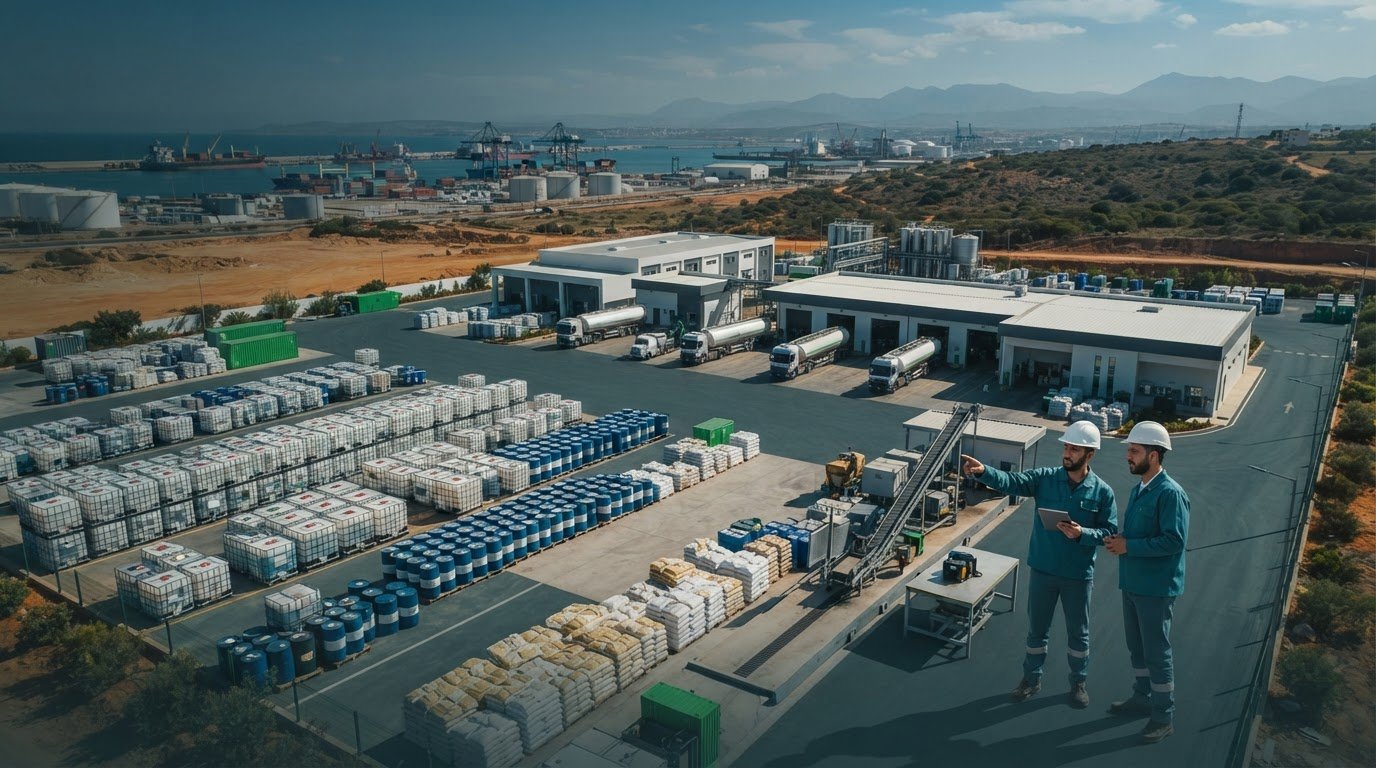

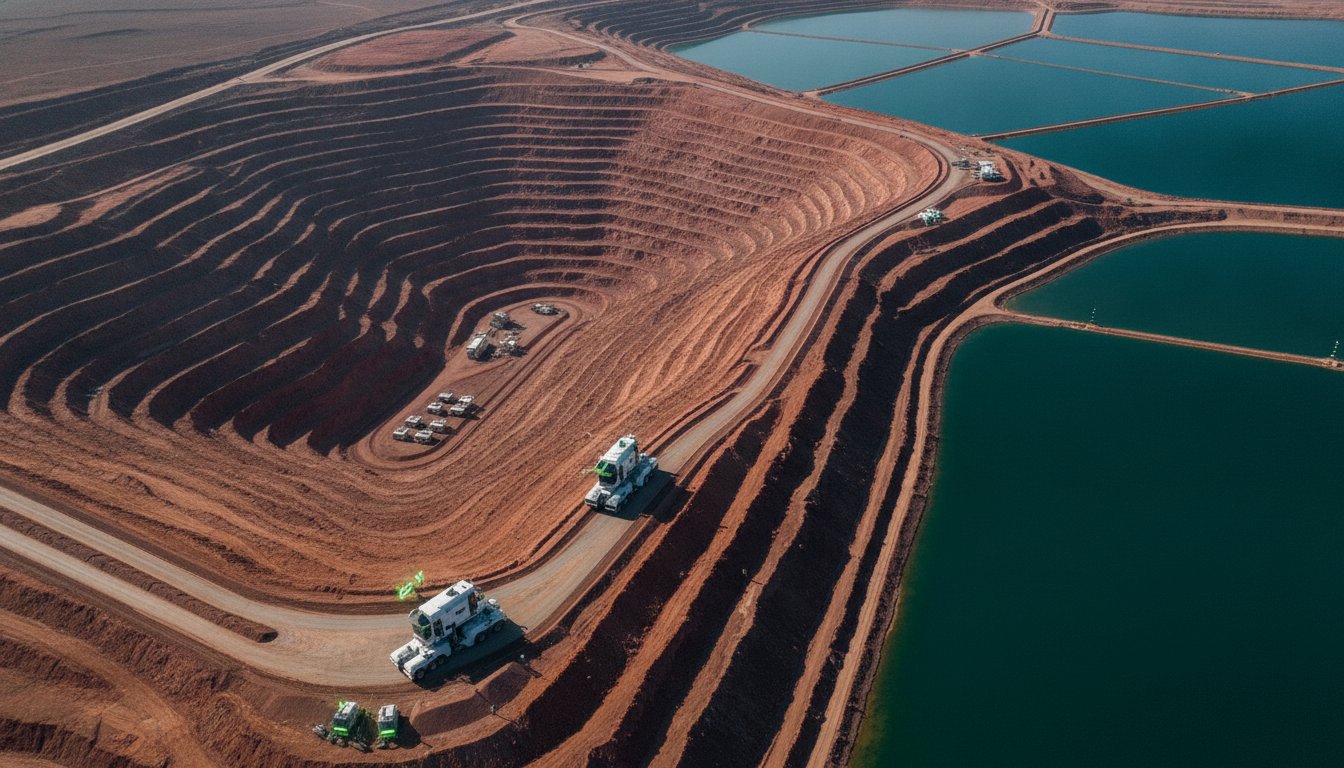
With the global potash market reaching a valuation of $30.5 billion in 2026, can your current recovery circuit afford to leave 10% or more of your ore in the tailings? As potash solidifies its status as a designated critical mineral, the margin for operational inefficiency has vanished. You likely recognize that complex ore bodies and rising energy demands in grinding circuits make traditional extraction methods increasingly difficult to justify. It's a persistent challenge when low recovery rates and product degradation during maritime transport undermine your site's total profitability.
This guide provides a technical roadmap for utilizing specialized Potash Mining Chemicals to maximize yield and protect product integrity. We'll explore how tailor-made flotation collectors, frothers, and anti-caking agents stabilize product flowability and ensure high Muriate of Potash (MOP) purity. By focusing on site-specific formulations and advanced grinding aids, we'll preview how to reduce operational downtime and meet the rigorous environmental standards of 2026. We'll move from the micro-chemistry of the flotation cell to the macro-logistics of global supply chain security.
Key Takeaways
- Understand the strategic importance of Potash Mining Chemicals in securing global fertilizer supplies through advanced extraction and recovery techniques.
- Learn how to optimize selective flotation by balancing fatty acid amine collectors with high-performance frothers for maximum hydrophobicity.
- Discover how starch and guar-based depressants effectively manage insoluble slimes to prevent reagent waste and improve circuit efficiency.
- Identify specialized anti-caking and dust suppression strategies to maintain product flowability and integrity during long-distance maritime transport.
- Explore the benefits of custom-engineered formulations and on-site technical audits in reducing operational downtime and improving site-specific yields.
The Strategic Role of Specialty Chemicals in Global Potash Production
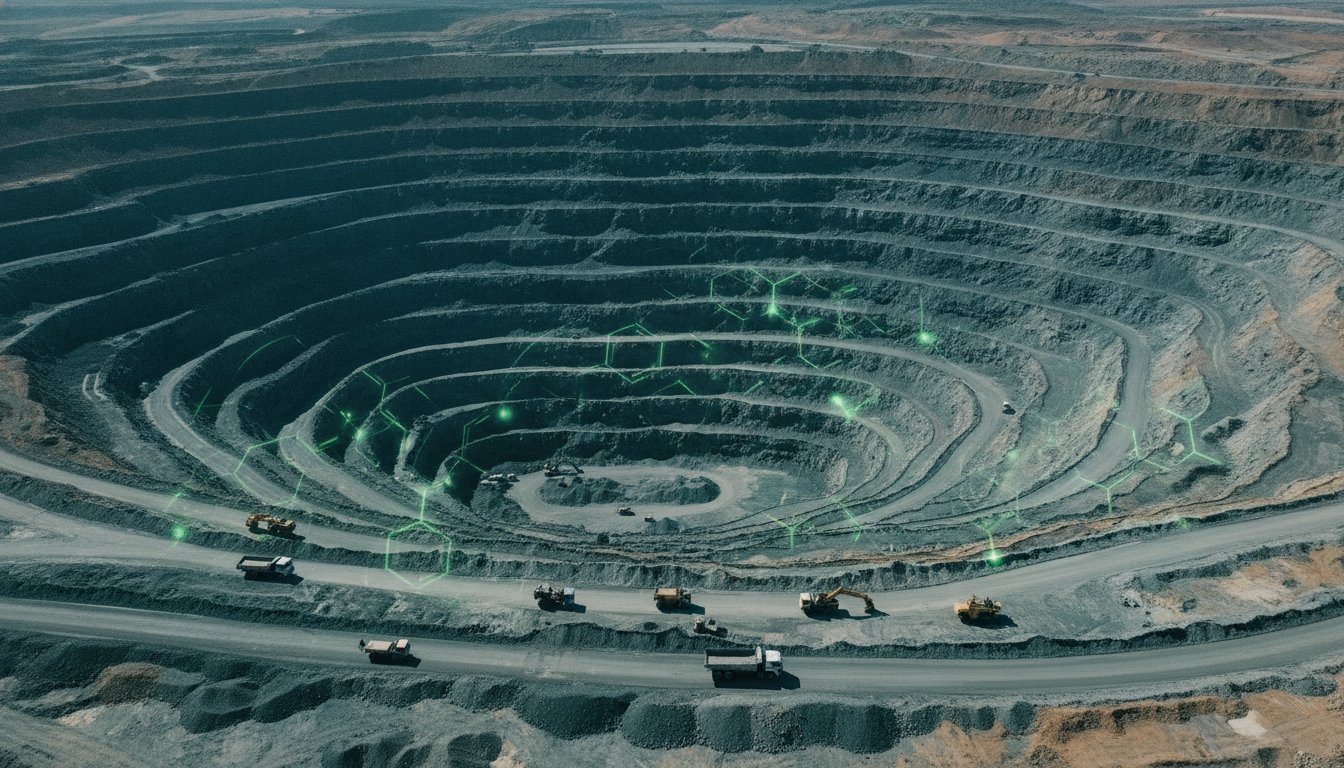
Potash mining chemicals are not mere industrial additives. They are precision tools engineered to secure the stability of the global food supply. In 2026, the demand for high-purity Muriate of Potash (MOP) has never been higher. This surge is driven by a global mandate for agricultural productivity and soil health. To meet these standards, producers must look beyond basic extraction. A fundamental understanding of the resource is required. Many professionals start by asking, What is Potash? It is a broad term for various mined salts containing potassium. Extracting these salts from complex ore bodies requires a sophisticated chemical strategy that begins at the face of the mine and extends to the final point of application.
The production cycle typically focuses on two primary ores: sylvinite and carnallite. Sylvinite remains the preferred source due to its higher potassium content, but carnallite processing is becoming essential as easier deposits are depleted. Commodity chemicals often fail in these environments. They lack the molecular specificity needed to handle varying gangue levels or temperature fluctuations in the brine. Modern high-purity standards demand reagents that can differentiate between potassium chloride and sodium chloride with absolute precision. Potash mining chemicals are the enablers of mineral liberation and product longevity.
Securing the Global Fertilizer Supply Chain
Maintaining industrial flow is a core mission at JAS Global Industries. Potash is inherently hygroscopic, meaning it greedily absorbs moisture from the air. Without advanced chemical protection, a premium product can transform into a solid, unusable mass during long-distance maritime transport. We implement tailored anti-caking agents and dust suppressants to prevent this degradation. This isn't just about logistics; it's about ethical resource management. By ensuring the mineral resource remains stable from the plant to the port, we protect the value of the asset and the stability of the global supply chain.
Economic Impact of Chemical Optimization
Efficiency in the circuit translates directly to the bottom line. Optimization reduces the cost-per-ton by maximizing recovery rates and minimizing reagent waste. The industry is currently undergoing a shift. Producers are moving away from transactional chemical sourcing and toward strategic technical partnerships. These partnerships focus on site-specific formulations that address the unique mineralogy of an ore body. When recovery rates improve by even a small percentage, the return on investment is immediate. Protecting resources; powering growth. This dual focus ensures that potash remains a viable, profitable, and secure pillar of modern infrastructure.
Optimizing Potash Flotation: The Synergy of Collectors and Frothers
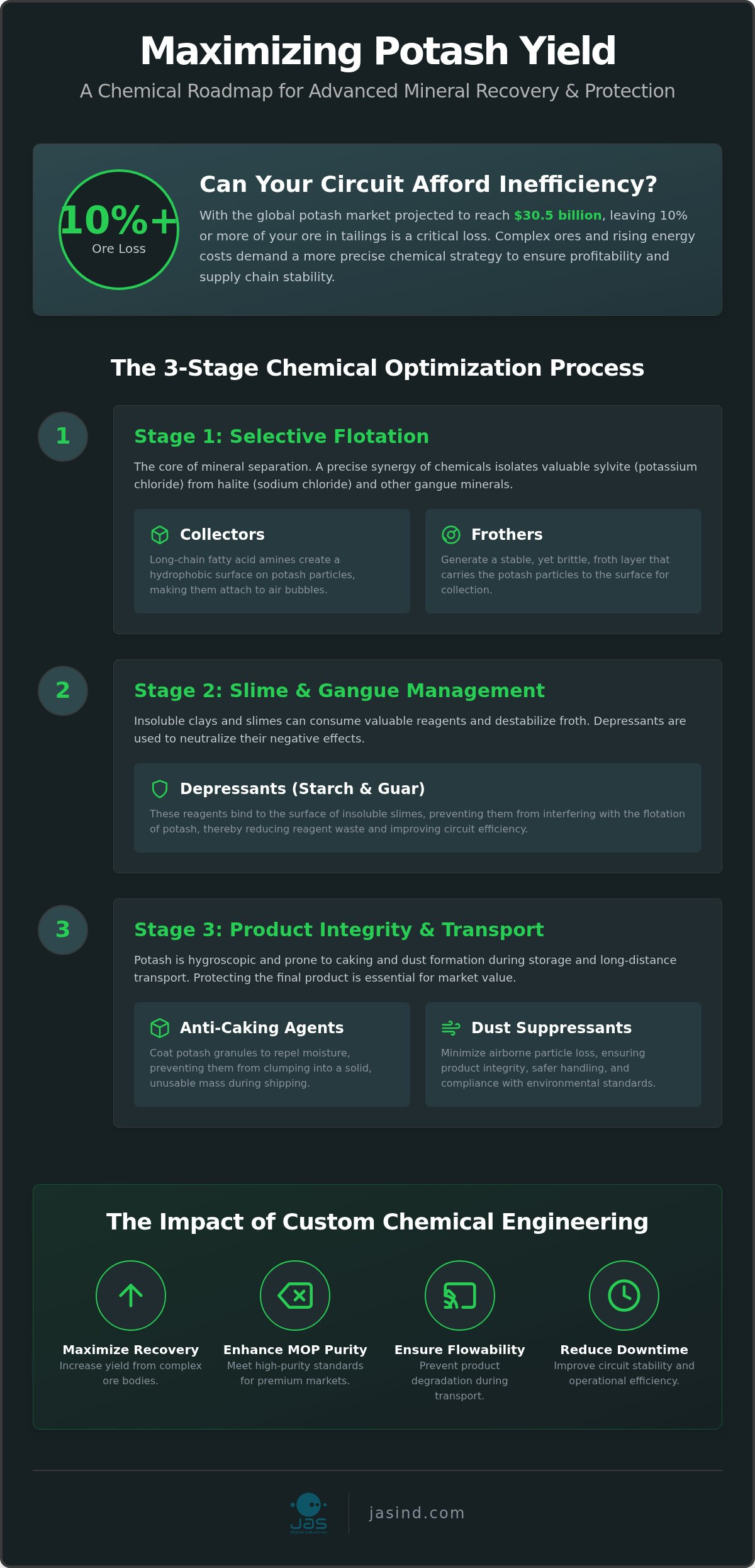
Selective flotation is the engine of efficiency in mineral processing. It requires a precise chemical orchestration to separate sylvite from halite. Potash Mining Chemicals act as the primary drivers of this separation. By leveraging the ionic charge differences on mineral surfaces, specialty collectors ensure that potassium chloride particles attach to air bubbles while sodium chloride remains in the brine. This process is fundamental to meeting the rising demand documented in Global Potash Production. Success depends on the synergy between the collector and the frother. One provides the attraction; the other provides the vehicle.
Balancing the reagent suite is a continuous engineering task. As ore grades shift, the ratio of collectors to frothers must adapt. High clay content, or "slimes," can consume collectors and destabilize the froth. This interference requires a holistic approach where the chemical suite is viewed as a single, integrated system. By treating the flotation cell as a dynamic environment rather than a static tank, we ensure that recovery remains high even as the ore body changes. This systematic protection of the mineral resource is what distinguishes a high-performing circuit from a standard one.
Advanced Flotation Collectors for Sylvinite Ores
Primary collectors often utilize long-chain fatty acid amines to achieve maximum hydrophobicity. These aren't off-the-shelf solutions. We engineer amine chains to perform under specific plant conditions, such as high salinity or fluctuating brine temperatures. High-selectivity formulas reduce overall reagent consumption and minimize the environmental footprint of the tailings. When dosing is precise, operations can consistently achieve 95% or higher recovery rates. This level of control protects the mineral resource. It ensures that every ton of ore processed contributes to the final yield.
Frothers and Process Control
Frothers are essential for creating a stable, manageable froth phase. They control bubble size distribution, which is critical for the transport of mineralized particles to the surface. If bubbles are too large, they burst prematurely. If they're too small, they lack the buoyancy to carry coarse particles. Our Mining Frothers are designed to interact seamlessly with existing brine chemistry to maintain a consistent bubble dynamic. This prevents "over-frothing" events that lead to plant downtime and lost production. For sites dealing with complex mineralogy, a technical audit of your reagent suite can identify the exact balance needed to handle varying clay content and gangue interference.
Enhancing Recovery with Tailored Depressants and Flocculants
Recovery rates depend on more than just the collectors discussed earlier. Insoluble impurities, specifically clay slimes, act as chemical thieves. They possess high surface areas that indiscriminately absorb expensive collectors. This renders the primary reagent suite ineffective. Managing these slimes is a critical step in the global overview of potash resources. Without effective Potash Mining Chemicals like depressants, recovery circuits suffer from high reagent consumption and low product purity. We focus on neutralizing these gangue minerals before they can interfere with the mineralized bubbles. This ensures that the chemical energy of the plant is directed exactly where it delivers the most value.
Clay Management and Depressant Strategy
The chemical battle against gangue minerals requires molecular precision. We utilize starch and guar-based depressants to blind the clay surfaces. This prevents the clay from interacting with the flotation collectors. It's not a one-size-fits-all approach. We customize the molecular weight of our depressants to match the specific clay types found in each deposit. High-purity Muriate of Potash (MOP) is only achievable when these impurities are neutralized. This selective depression ensures that the collectors focus solely on the sylvite. For a deeper look at how these reagents fit into the broader extraction landscape, see our guide on Mining Solutions: Advanced Chemistry for Global Resource Security.
Water and Brine Treatment in Potash Plants
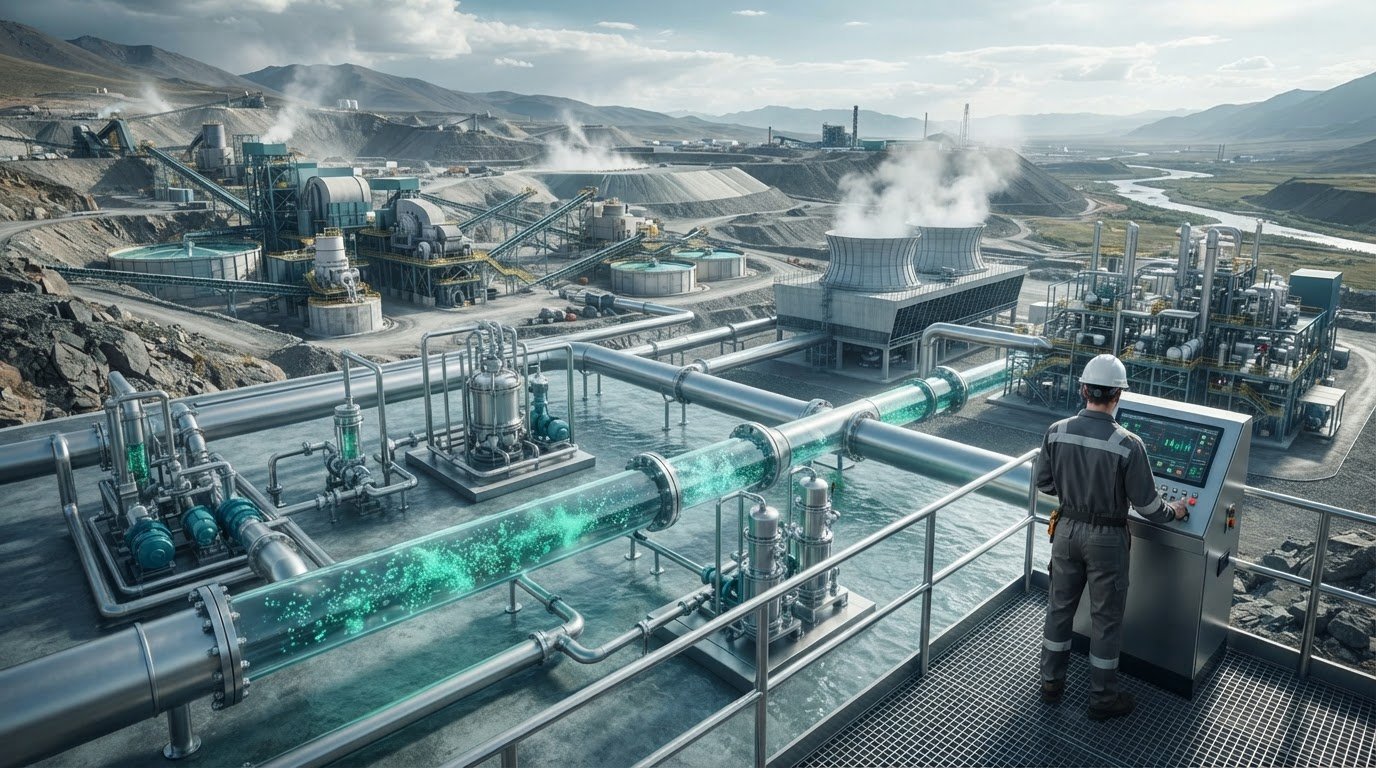
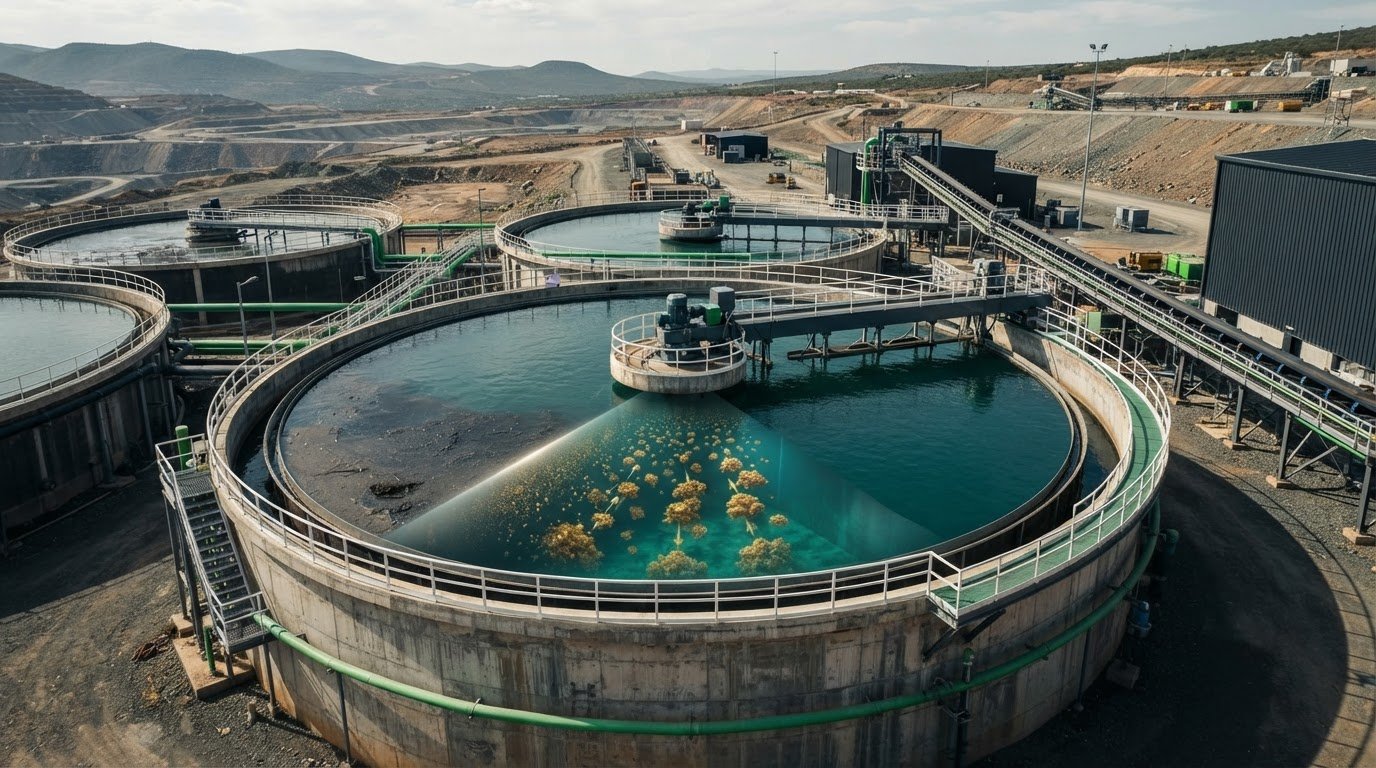
Efficient potash production relies on the integrity of the brine. High-salinity environments are notoriously aggressive. They cause rapid scale buildup and corrosion in plant infrastructure. Our Water Treatment Scale Inhibitors and Corrosion Inhibitors protect these assets. This ensures operational continuity. Simultaneously, Mining Flocculants are deployed to accelerate the settling process in thickeners and tailings ponds. Rapid settling allows for immediate brine reclamation. This reduces the overall water footprint and improves the clarity of the process water. Sustainable tailings management isn't just a regulatory hurdle. It's a commitment to reducing the environmental footprint of potash waste. We provide the specialized Potash Mining Chemicals needed to ensure that waste streams are managed with the same precision as the primary product. Effective brine management is essential for long-term site viability, as detailed in Industrial Water Treatment: A Strategic Guide to Global Water Security.
Preserving Product Quality: Anti-caking and Dust Suppression
The journey of a potash crystal doesn't end at the flotation cell. Once the mineral is liberated and purified, it faces its most significant physical challenge: the environment. Potash is inherently hygroscopic. It greedily absorbs moisture from the atmosphere. This leads to the formation of crystal bridges, a process known as caking. Without the intervention of specialized Potash Mining Chemicals, a high-purity product can turn into a solid, unworkable block before it reaches its destination. Protecting the physical integrity of the mineral is essential for global resource security. It ensures that the effort expended in extraction translates into a usable commodity for the end-user.
Mechanically, anti-caking agents function by modifying the crystal habit or the surface tension of the residual brine film. By reducing the capillary forces between particles, these reagents prevent the fusion of individual grains. This ensures the product remains free-flowing throughout the supply chain. We also utilize Fertilizer Coloring Agents for global exporters. These agents do more than identify the product. They enhance brand value. They provide a visual marker of quality in a competitive global market, allowing producers to distinguish their high-purity MOP from standard grades.
Advanced Anti-caking Formulations
Selecting the right coating depends heavily on the destination climate and the expected storage duration. Oil-based coatings provide a robust moisture barrier for humid maritime routes. Conversely, water-soluble options may be preferred for specific downstream fertilizer applications. A critical metric for any exporter is long-term stability. A high-performance coating must ensure flowability even after six months of storage in a silo or warehouse. Understanding the molecular interactions involved is vital for maintaining this stability, as detailed in Anti-caking Agents: The Science of Maintaining Industrial Flow.
Dust Suppression and Environmental Safety
Material loss during handling is a direct hit to profitability. Fertilizer Dust Suppressants are applied at critical transfer points and load-outs to lock fine particles onto the larger granules. This protects worker safety by reducing airborne particulates. It also prevents the loss of valuable product during bulk handling. In environmentally sensitive markets, we offer biodegradable options that meet strict local regulations without compromising performance. Effective coating can significantly reduce product loss. This ensures that the volume mined matches the volume sold. For tailored protection that matches your specific export requirements, consult with our technical specialists about custom anti-caking solutions.
Custom Chemical Engineering: The JAS Approach to Potash Optimization
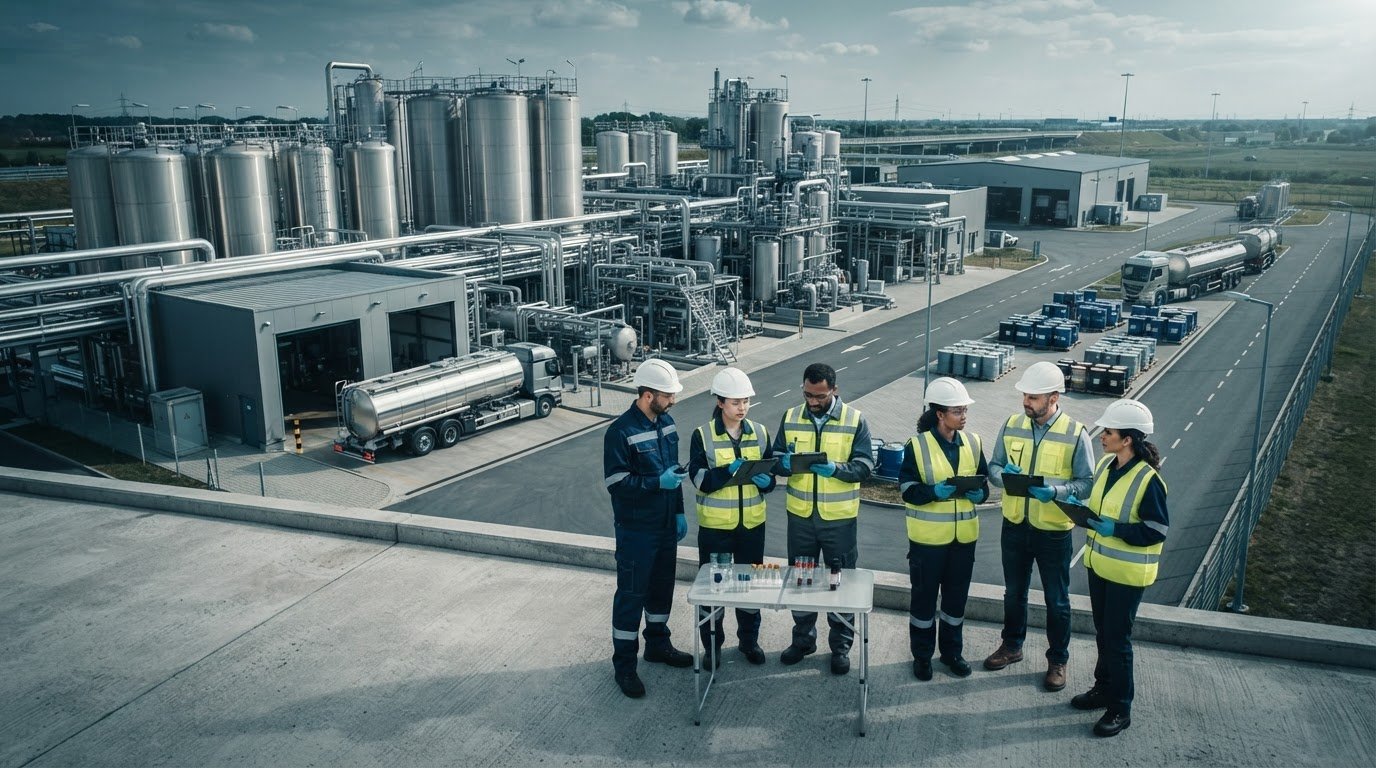
Chemical reagents are only as effective as the engineering strategy behind their application. In the complex world of mineral processing, a catalog-based approach often leads to reagent waste and suboptimal recovery. JAS Global Industries operates on the principle that every ore body possesses a unique chemical fingerprint. Our approach to Potash Mining Chemicals begins in the laboratory and ends with a fully optimized, site-specific dosing regimen. This ensures that the specialized collectors and frothers discussed in previous sections perform at their peak theoretical efficiency. We don't just supply products. We provide the technical certainty required to maintain global resource stability.
Our Dubai-based headquarters serves as the central hub for a network of global R&I centers. These facilities are equipped to perform rapid formulations that respond to the immediate needs of mine operators. Whether it's a sudden shift in ore mineralogy or a change in brine temperature, our technical teams are positioned to adjust chemical suites in real-time. By 2026, the industry is moving toward high-efficiency, sustainable reagents that minimize environmental impact while maximizing yield. We lead this transition by focusing on tailor-made solutions that prioritize long-term value over transactional volume. Protecting the resource; stabilizing the supply.
Technical Consulting and Process Audits
Optimization starts with a comprehensive on-site technical audit. We identify hidden bottlenecks in existing flotation and filtration circuits that lead to mineral loss. Our process includes:
- Site-Specific Testing: Custom laboratory analysis of your specific ore samples to determine the ideal reagent balance.
- Circuit Optimization: Evaluating the interaction between grinding aids, collectors, and depressants to reduce energy consumption.
- Real-Time Adjustments: Implementing dosing strategies that adapt to operational fluctuations, ensuring consistent MOP purity.
This rigorous methodology eliminates the "one size fits all" failure point common in commodity chemical supply. It transforms the chemical suite from an operational expense into a strategic asset for process reliability.
A Global Partner for Resource Security
JAS Global Industries is more than a manufacturer. We're a vital guardian of the critical minerals industry. Our manufacturing footprint spans the Middle East, Africa, and Asia, ensuring that supply security is never compromised by regional logistics challenges. This global reach, combined with our mission-oriented focus on ethical industrial solutions, makes us an indispensable pillar for modern potash producers. We understand that your success is foundational to global food security. We're committed to providing the technical expertise and custom formulations necessary to meet the production demands of 2026 and beyond. Partner with JAS Global Industries for tailor-made potash solutions that secure your recovery and protect your product integrity.
Securing the Future of Global Potash Production
The extraction and protection of potash are foundational to global stability and food security. Success in 2026 requires more than basic reagents; it demands a strategic engineering approach. We've explored how the synergy of collectors and frothers maximizes recovery, while tailored anti-caking agents preserve product integrity during long-distance transit. The precision of Potash Mining Chemicals is what transforms a complex ore body into a high-purity, reliable resource for the world stage.
Operational since 1998, JAS Global Industries provides the reliability of an extensive global R&I and manufacturing network. We are specialists in custom-formulated industrial reagents that address the unique mineralogy and temperature profiles of your specific site. Don't leave your recovery rates or product quality to chance. Request a Technical Audit for Your Potash Operation to identify circuit bottlenecks and optimize your dosage for the challenges ahead. We look forward to securing your operation's success and contributing to a resilient global supply chain.
Frequently Asked Questions
What are the primary types of potash mining chemicals used today?
Potash Mining Chemicals encompass a broad range of specialty reagents designed for specific stages of the production cycle. Primary categories include flotation collectors for mineral separation, frothers for bubble stability, and depressants to neutralize insoluble clay slimes. Beyond extraction, the industry relies on Mining Grinding Aids to improve mill efficiency and specialized anti-caking agents to maintain product flowability during storage. Each reagent serves as a critical link in the stability of the global fertilizer supply chain.
How do flotation collectors improve MOP recovery rates?
Flotation collectors improve Muriate of Potash (MOP) recovery by selectively increasing the hydrophobicity of potassium chloride particles. These specialty reagents, often based on long-chain fatty acid amines, attach to the sylvite surface while ignoring the sodium chloride gangue. This selective attachment allows the target mineral to cling to air bubbles and rise to the surface of the flotation cell. Precise chemical dosing ensures maximum mineral liberation and significantly higher recovery rates than standard commodity chemicals.
Why is anti-caking essential for potash exporters?
Anti-caking agents are essential because potash is naturally hygroscopic and prone to absorbing atmospheric moisture. This moisture leads to the formation of solid crystal bridges between granules, turning free-flowing material into unworkable blocks during maritime transport. By applying specialized Fertilizer Anti-caking Agents, producers modify the surface tension of the mineral. This protection ensures the product remains stable for six months or longer, protecting the value of the resource for global agricultural markets.
Can specialty chemicals reduce the energy consumption of potash grinding?
Specialty Mining Grinding Aids reduce energy consumption by preventing the re-agglomeration of fine particles within the grinding circuit. These chemicals lower the surface energy of the mineral, which improves the flow of material through the mill and reduces the cushioning effect of ultrafine particles. By increasing throughput and reducing the specific energy required per ton, these aids directly lower operational costs while preparing the ore for more efficient downstream flotation and separation.
How does JAS Global Industries customize reagents for different ore bodies?
JAS Global Industries customizes reagents by conducting comprehensive on-site technical audits and laboratory testing of site-specific ore samples. Since 1998, we've recognized that no two deposits are identical in mineralogy or brine chemistry. Our global R&I centers develop tailor-made formulations that account for specific clay content, temperature fluctuations, and salinity levels. This engineering-first approach replaces generic catalog sales with strategic chemical suites designed to solve the unique bottlenecks of each individual mine operation.
Are there environmentally friendly options for potash tailings flocculation?
Environmentally friendly options for tailings management include biodegradable flocculants and high-efficiency Mining Flocculants designed for rapid brine clarification. These specialty reagents accelerate the settling of fine solids in thickeners and tailings ponds, allowing for immediate water reclamation. By reducing the volume of active waste and improving the quality of discharge water, these chemicals help producers meet the strict environmental compliance standards of 2026 while minimizing the overall ecological footprint of the mining site.
What is the role of frothers in potash flotation circuits?
Frothers play a critical role in flotation by stabilizing the air bubbles that transport mineralized particles to the surface. They control the bubble size distribution to ensure the froth phase is robust enough to carry coarse potash particles without bursting prematurely. Effective Mining Frothers must interact seamlessly with the existing brine chemistry to prevent over-frothing. This stability is essential for maintaining a consistent mineral grade and preventing the plant downtime associated with uncontrolled froth volume.
How do dust suppressants improve safety in mining operations?
Fertilizer Dust Suppressants improve safety by significantly reducing the amount of airborne particulate matter generated during handling and load-out. Airborne dust poses a respiratory risk to workers and can lead to visibility issues at critical transfer points. By locking fine particles onto the larger granules, these suppressants also prevent material loss and ensure environmental compliance. This protective coating maintains the physical integrity of the potash, ensuring a safer work environment and a more stable product.