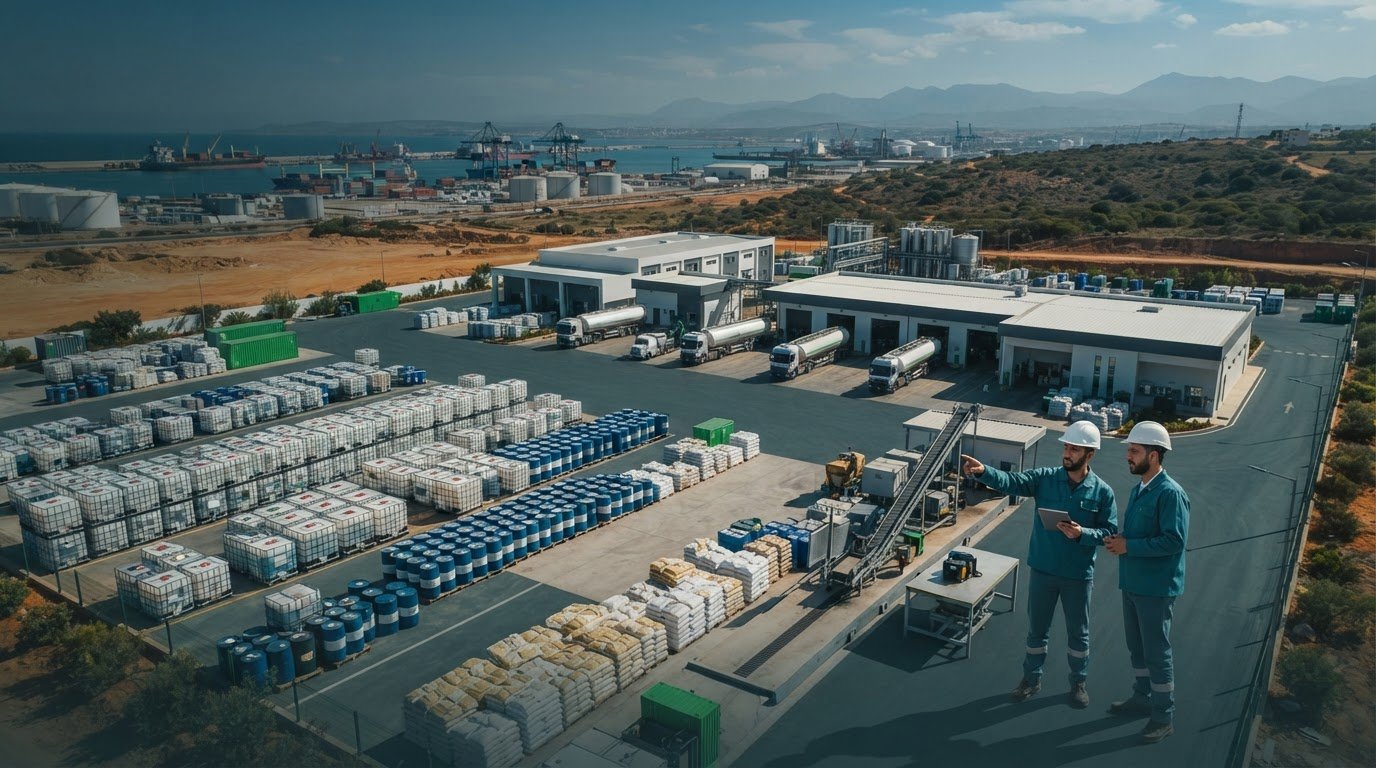

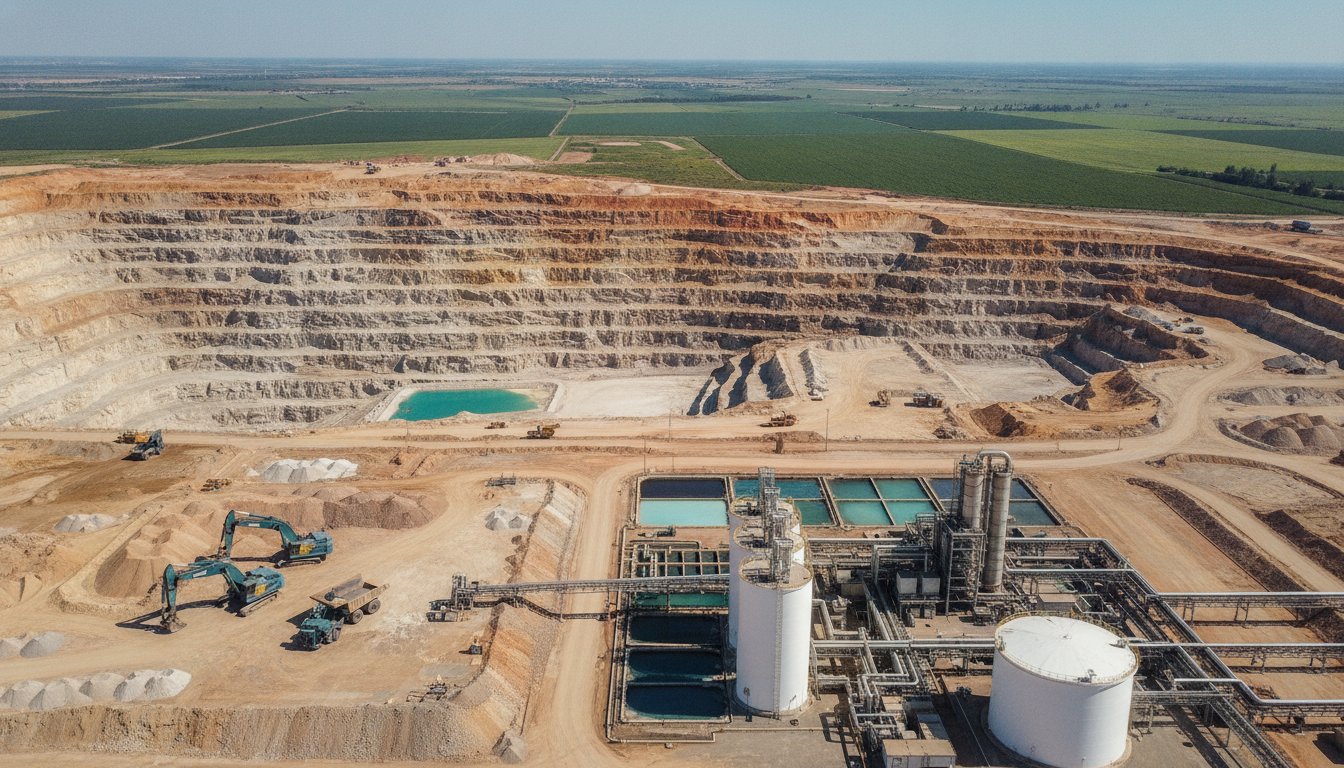
As of June 2026, phosphate rock is officially classified as a national strategic mineral resource in both China and the United States. This designation confirms what industry leaders already know; phosphate is the indispensable backbone of global food and energy security. You're likely facing the dual pressure of declining ore quality and rising energy costs. It's frustrating when low recovery rates and persistent foaming stall your production targets, making the selection of high-performance Phosphate Mining Chemicals more critical than ever.
This article demonstrates how advanced specialty chemicals transform complex mineral extraction into a high-yield, sustainable operation. We'll explore how custom-formulated flotation collectors and grinding aids stabilize your process flow. You'll learn to achieve a higher grade P2O5 concentrate while reducing the energy footprint per ton. From mitigating scale to optimizing chemical dosing, discover the technical innovations protecting the stability of our global resources.
Key Takeaways
- Understand how the strategic classification of phosphate rock impacts global fertilizer supply chains and resource security.
- Learn how advanced Phosphate Mining Chemicals like flotation collectors and grinding aids increase P2O5 yields while lowering energy footprints.
- Identify the specific chemical solutions needed to resolve persistent foam and scale issues that disrupt process flow.
- Discover why custom-formulated additives and on-site technical audits are superior to off-the-shelf products for unique ore mineralogy.
- Explore the value of partnering with an established global leader to ensure long-term operational stability and resource protection.
The Strategic Role of Phosphate Mining in Global Resource Security
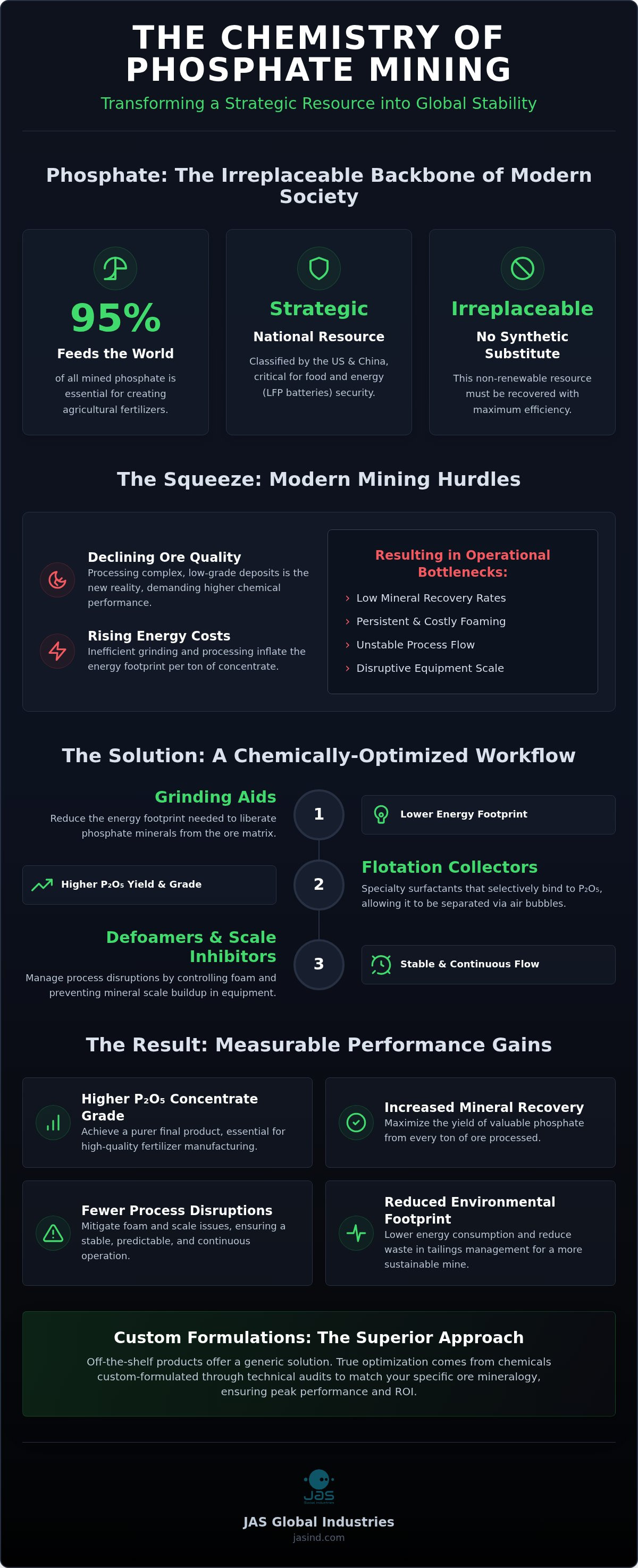
Global resource security starts beneath the soil. Phosphate rock serves as the primary source of phosphorus for the global fertilizer industry. It's a non-renewable resource with no synthetic substitute. Currently, 95% of all mined phosphate is dedicated to agricultural stability. This ensures the world's population remains fed and global markets remain predictable. Without a steady supply of this mineral, modern agriculture would face an immediate and catastrophic collapse.
In 2026, major global economies including China and the United States officially classified phosphate rock as a strategic national resource. This shift highlights the critical nature of the mineral for both food security and the burgeoning lithium iron phosphate (LFP) battery market. We are moving beyond the era of simple extraction. The industry is now entering an era of strategic mineral enrichment where every gram of recovered phosphorus counts toward national stability.
From Apatite to Agriculture
The journey from raw apatite ore to high-grade phosphoric acid is a complex chemical transition. It requires precise intervention to maintain a steady flow of nutrients to the market. Implementing advanced mining solutions is no longer optional. It's a fundamental requirement for stabilizing the global supply chain. High-purity concentrate is essential for downstream fertilizer production. If the concentrate grade fluctuates, the entire manufacturing process becomes inefficient and costly.
Reliability in this transition protects more than just a balance sheet. It protects the foundational needs of society. By optimizing the conversion from ore to acid, we ensure that resource extraction translates directly into human well-being. This mission-oriented approach to mining elevates the process from a transactional industrial activity to a vital global guardianship.
The Global Demand for High-Yield Beneficiation
As high-grade deposits deplete, the industry faces the challenge of processing complex, low-grade ores. This is where Phosphate Mining Chemicals become indispensable. Effective Phosphate rock beneficiation allows mines to recover valuable minerals that were previously discarded as waste. Mining efficiency directly impacts global food prices. When beneficiation rates drop, fertilizer availability tightens and costs rise for farmers worldwide.
Specialized chemicals do more than just improve yield. They serve as tools for environmental and resource protection. By maximizing recovery, we reduce the volume of waste in tailings management and lower the overall energy footprint of the mine. We don't just see these as processing aids; we see them as essential components of a sustainable future. Through custom formulations and strategic chemical dosing, the industry can meet rising global demand without compromising the stability of our natural ecosystems.
Advanced Flotation and Grinding: The Chemistry of Mineral Enrichment
The efficiency of phosphate extraction depends on the chemical environment within the beneficiation plant. Using specialized Phosphate Mining Chemicals allows operators to selectively target valuable minerals while rejecting gangue. This process is not just about throughput. It's about chemical precision. Effective mineral recovery requires a deep understanding of surface chemistry and the physical dynamics of the flotation cell. By controlling these variables, mining operations can ensure a stable and high-grade output.
Flotation collectors are specialty surfactants that bind to specific mineral surfaces. They selectively hydrophobize phosphate minerals, allowing them to attach to air bubbles and rise to the surface. Frothers ensure bubble stability, preventing the premature drop of mineral particles during transport to the launder. This stability is essential for maintaining a high-yield process. Balancing pH is equally vital. High P2O5 recovery requires a stable chemical equilibrium where reagents can perform optimally without interference. For a deeper technical dive, this Review on Flotation Reagents provides a comprehensive analysis of modern reagent performance.
Direct vs. Reverse Flotation Circuits
The choice between direct and reverse flotation depends on the specific impurities present, such as carbonates or silicates. In direct flotation, collectors target the phosphate. In reverse circuits, they target the impurities like dolomite or quartz. Depressants play a critical role here. They inhibit the flotation of gangue minerals, ensuring only the highest grade concentrate reaches the final stage. Precise reagent selection is the difference between a high-yield operation and significant mineral loss. This chemical selectivity allows for the processing of lower-grade ores that were once considered unfeasible.
Energy Optimization through Grinding Aids
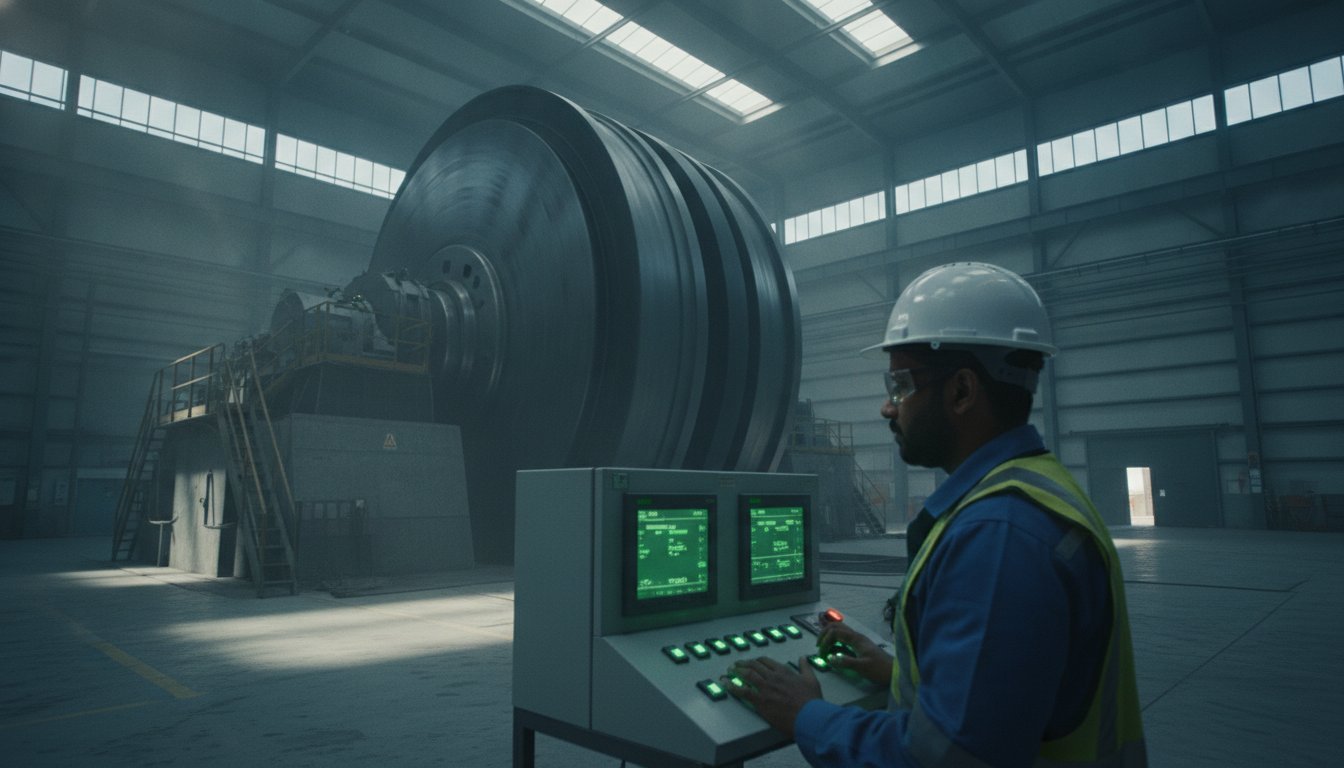
Grinding is the most energy-intensive part of the mining process. Chemical additives, specifically grinding aids, prevent material re-agglomeration in ball mills. This reduces energy consumption by up to 15%. Better particle size distribution leads to superior flotation kinetics because the surface area is optimized for collector attachment. Optimizing the particle size distribution ensures that the minerals are neither too coarse to be lifted by bubbles nor too fine to be lost in the slimes. This balance is the hallmark of an efficient, professional mining operation.
Lower energy requirements reduce the carbon footprint of the entire comminution process. Higher throughput ensures stable process flow. Reducing energy waste is a pillar of modern sustainability. If you are looking to optimize your grinding circuit, utilizing advanced mining solutions can identify immediate efficiency gains and improve your overall recovery rates.
Overcoming Operational Bottlenecks: Defoamers and Impurity Management
Operational stability is the pulse of a phosphate mine. Even the best flotation circuit fails if foam blocks the process flow. Organic matter in the ore creates massive foam volumes during digestion and filtration. This isn't just a nuisance. It's a production killer. Choosing the right Phosphate Mining Chemicals for foam control is a strategic decision that impacts the entire downstream supply chain. Without effective management, foam causes tank overflows, reduces filtration speed, and compromises product purity.
Standard defoamers often collapse in the harsh, high-temperature environments of phosphoric acid plants. We compare silicone-based and oil-based options to find the right fit for your mineralogy. Silicone-based defoamers offer high efficiency at low dosages. Oil-based variants provide better persistence in specific retention cycles. The goal is predictable process flow and maximum throughput. We don't just supply chemicals. We provide a protective barrier against process instability.
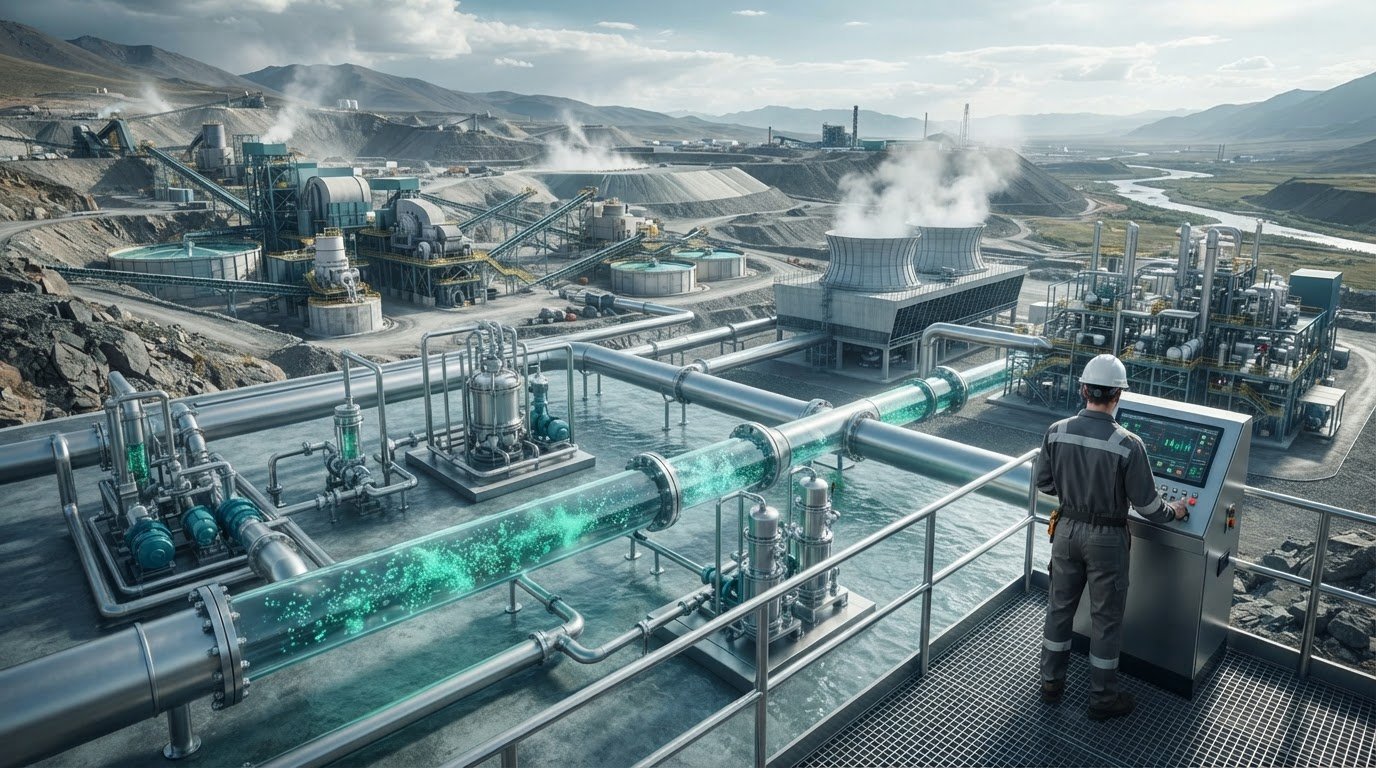
Beyond foam, scaling and corrosion threaten the long-term health of your infrastructure. Protecting these assets requires advanced industrial water treatment techniques. Scaling reduces pipe diameters and chokes hydraulic efficiency. Corrosion leads to unplanned downtime and costly repairs. We manage these risks to ensure the stability of critical global resources. Strategic water management prevents these bottlenecks before they stop production.
Impurity management also involves handling "slimes" and ultra-fine particles. These particles coat mineral surfaces and consume reagents, a phenomenon known as reagent theft. Managing slimes requires a combination of mechanical desliming and chemical dispersants. This ensures that your chemical dosage remains efficient and your recovery rates stay high. By isolating these fines, we protect the integrity of the flotation process discussed in previous sections.
Strategic Defoaming in Phosphoric Acid Plants
Foam control in acid plants is specialized chemistry. Standard products don't survive the acidic heat. You must match defoamer persistence to the plant's specific retention time. Effective control increases throughput and improves safety by preventing hazardous overflows. Reliable foam management keeps the plant running at peak capacity. It's an essential component of a high-performance operation.
Flocculants for Tailings and Water Recovery
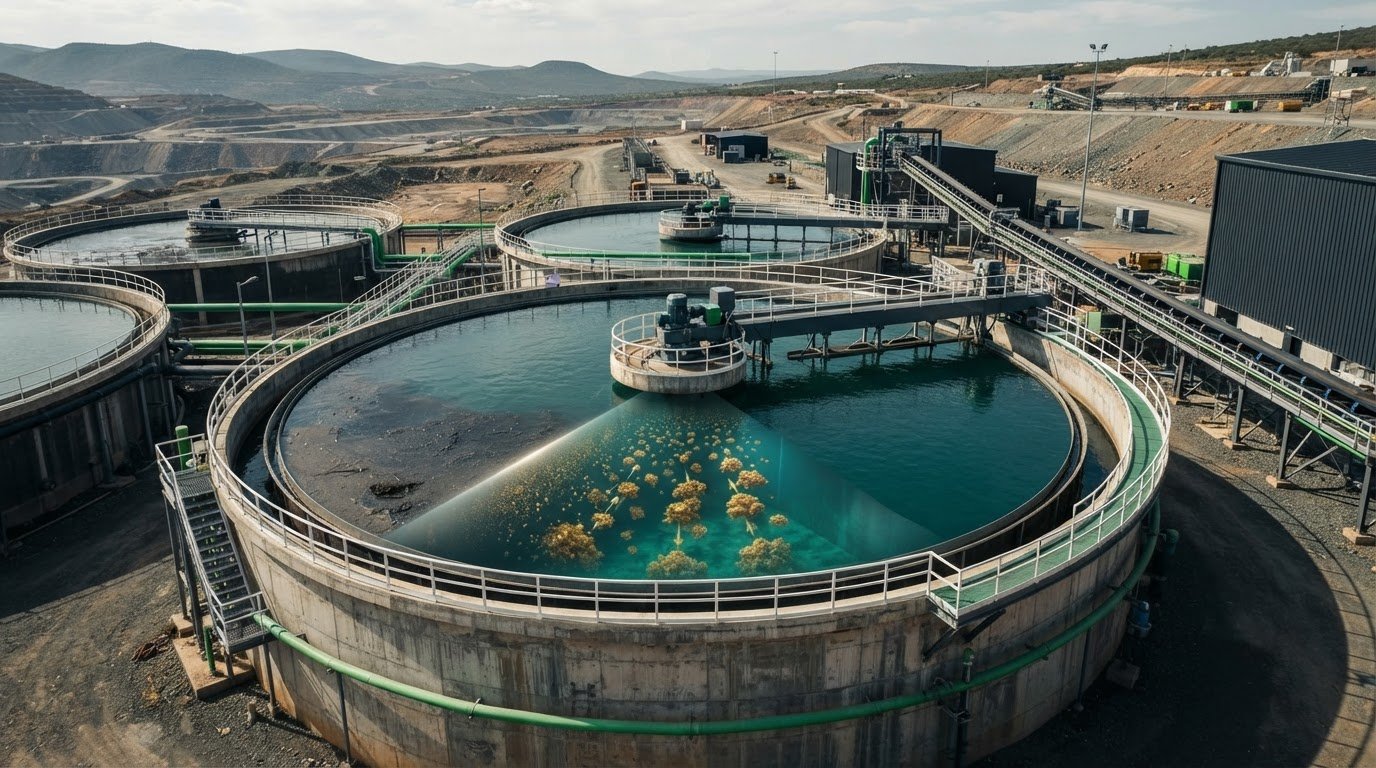
Sustainable mining requires efficient water management. High-molecular-weight polymers are the key to solid-liquid separation. These flocculants allow for rapid settling in thickeners, enabling immediate water reuse. In arid regions like Dubai, recovering every drop of process water is a necessity. Efficient water recovery reduces the environmental footprint of tailings dams. It ensures that mining operations remain responsible neighbors to local communities.
Engineering Efficiency: Custom Formulations and Technical Audits
Generic commodities don't solve specific geological challenges. Every phosphate deposit possesses a unique mineralogical fingerprint. When operators rely on off-the-shelf reagents, they often settle for suboptimal recovery rates and wasted energy. High-performance Phosphate Mining Chemicals must be engineered to match the specific ore body. This transition from generic supply to custom formulation is the key to unlocking hidden value in complex or low-grade deposits. We treat chemical application as a precise engineering discipline rather than a simple procurement task.
A successful operation requires more than just high-quality reagents. It demands a comprehensive strategy. Implementing a rigorous chemicals management plan provides the framework for long-term operational reliability. This plan integrates chemical safety, storage logistics, and performance monitoring into a single, cohesive system. By treating chemicals as a strategic asset rather than a variable cost, mines achieve a more stable and predictable process flow. This reliability is the foundation of global resource security.
Measuring the return on investment (ROI) requires looking beyond the price per kilogram. The real value lies in the increased concentrate grade and the significant reduction in tailings. Even a marginal improvement in P2O5 recovery can translate into millions of dollars in additional revenue over a production cycle. The right Phosphate Mining Chemicals reduce the total cost of ownership by lowering energy consumption and preventing process downtime. Precision engineering ensures that every drop of chemical contributes to the bottom line.
The On-Site Laboratory Audit
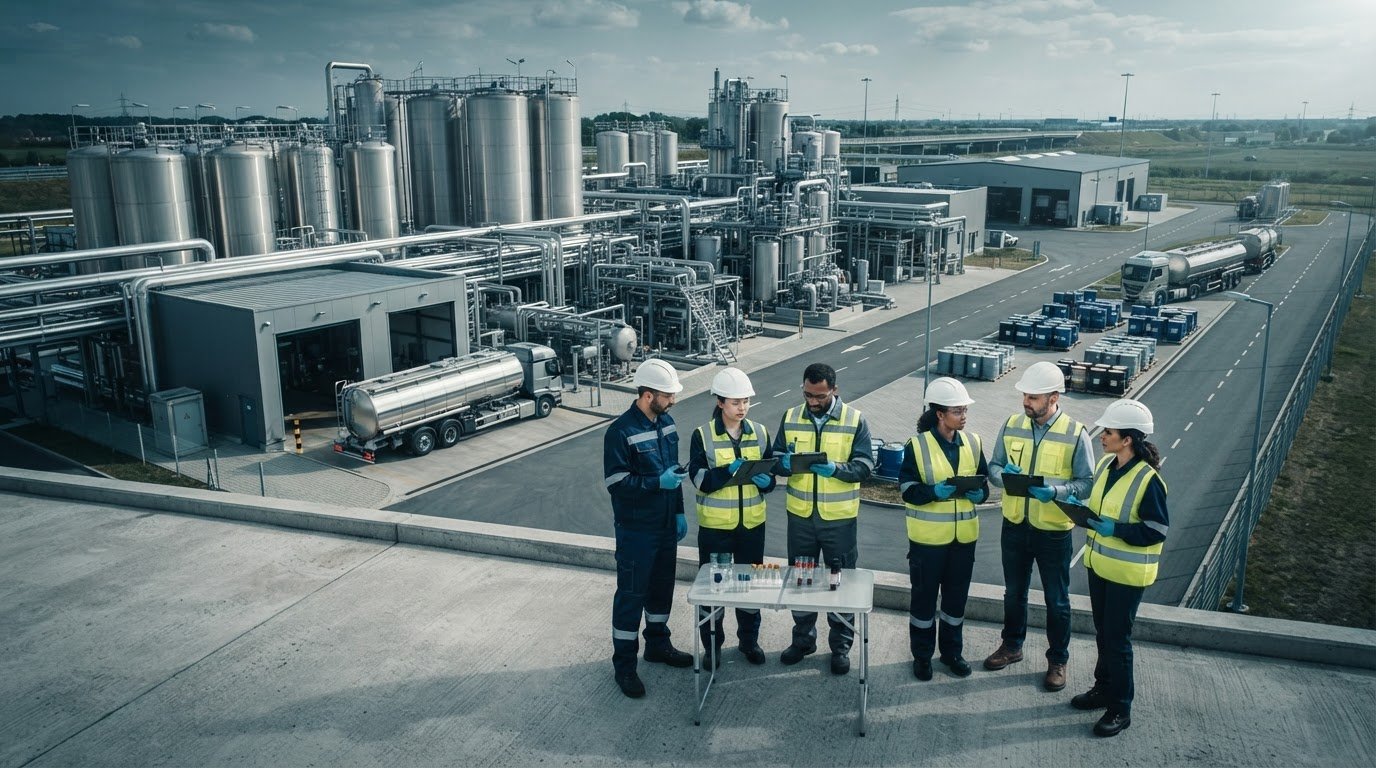
Our technical audit process begins with ore characterization and mineralogical mapping. We identify the specific gangue minerals that interfere with recovery. Next, we conduct bench-scale flotation testing to determine the ideal reagent dosages for your specific feed. Finally, we move to continuous pilot-scale verification. This ensures that the laboratory results translate accurately to full-scale industrial implementation, eliminating the guesswork from plant optimization.
Precision Dosing and Automation
The future of beneficiation lies in real-time chemical dosing. Modern plants integrate chemical performance data directly into their digital control systems. This allows for immediate adjustments based on fluctuations in the feed ore quality. Automated systems reduce chemical waste by preventing over-dosing and ensuring constant performance. This level of precision protects both the environment and the operator's profitability. To begin optimizing your recovery rates, contact our team to schedule a technical process audit today.
Partnering for Performance: JAS Global Industries’ Specialty Solutions
JAS Global Industries brings a 25-year legacy of specialty chemical innovation to the mining sector. Established in 1998, the company has evolved into a vital global guardian for resource security. We provide the high-performance Phosphate Mining Chemicals required to stabilize the world's most critical supply chains. Our mission is rooted in technical industrial expertise and a sense of global responsibility. We don't just sell products; we secure the foundational needs of modern infrastructure.
Our global R&I centers are dedicated to solving the most complex phosphate beneficiation challenges. We understand that declining ore grades require more than generic solutions. By framing our industrial applications as essential contributors to resource stability, we elevate our role from a mere supplier to a long-term partner. This authority is built on decades of successful field applications and a deep integration into the global mining community. Our commitment to social and environmental concern isn't just a corporate policy; it's a core personality trait that defines our corporate voice.
Tailor-Made Chemical Formulations
Generic reagents often fail to address the specific impurities found in diverse deposits. We develop custom formulations that target the unique mineralogical fingerprint of your phosphate rock. This precision ensures that our sustainable chemical technologies remain cost-effective for large-scale operations. Our portfolio covers the entire value chain, from mining flotation collectors to anti-caking agents. JAS Global Industries provides the comprehensive global logistics and supply chain security needed to fulfill major mining contracts on every continent.
We act as an indispensable pillar of modern sustainability by reducing chemical waste and optimizing resource recovery. This approach signals a focus on long-term value rather than simple logistics. By integrating our chemicals into your process, you gain more than a product; you gain a dedicated R&I team focused on your specific yield targets. Our formulations are designed to withstand the most demanding industrial environments while maintaining a lower environmental footprint.
A Global Support Network
Expertise is only valuable if it's accessible. We maintain a strategic presence in Dubai, Europe, and Asia to ensure rapid on-site technical support. We view our technical consulting fees as a direct investment in your plant’s process optimization. Our audits identify the specific mineralogical bottlenecks that hinder recovery and inflate costs. This steady and logical communication flow moves from a grand vision of resource protection to the practicalities of on-site engineering.
We invite you to contact JAS Global Industries for a comprehensive mining process audit. Our team of specialists will work alongside your engineers to identify efficiency gaps and implement tailor-made solutions. Together, we can build a more stable, efficient, and secure future for the global fertilizer industry. Rely on a partner with a proven history of reliability and established trust.
Securing the Future of Global Mineral Recovery
Phosphate is no longer a simple commodity; it's a strategic pillar of global stability. As ore grades decline and energy costs rise, the industry's success depends on chemical precision rather than sheer extraction volume. We've explored how advanced Phosphate Mining Chemicals transform these challenges into high-yield opportunities. By optimizing the grinding circuit and mastering flotation selectivity, operators can protect both their margins and the world's food supply.
Achieving this level of efficiency requires more than off-the-shelf products. It demands a partnership rooted in technical excellence and on-site expertise. JAS Global Industries leverages over 25 years of industrial experience to solve the most complex beneficiation challenges. Through our global R&I centers, we provide the specialized formulations and technical audits necessary to ensure long-term operational reliability and resource protection.
Partner with JAS Global Industries for tailor-made phosphate mining solutions. Our mission is to provide the stability and security your operation needs to thrive in a volatile global market. Let's work together to build a more resilient and sustainable mining industry for the generations to come.
Frequently Asked Questions
What are the primary chemicals used in phosphate flotation?
Flotation collectors, frothers, and depressants are the core reagents required for successful mineral enrichment. Collectors selectively attach to phosphate particles to make them hydrophobic, while frothers stabilize the air bubbles that carry them to the surface. Depressants are used to inhibit the flotation of unwanted gangue minerals like dolomite or quartz. This precise chemical combination ensures a high-purity concentrate that is essential for downstream fertilizer production and global food security.
How do grinding aids improve energy efficiency in phosphate mining?
Grinding aids reduce energy consumption by preventing the re-agglomeration of fine particles during the milling process. These specialized chemical additives lower the surface energy of the mineral, allowing the ball mill to achieve the target particle size distribution much faster. This efficiency can reduce the power footprint of the comminution circuit by up to 15%. Smaller, more uniform particle sizes also improve the kinetics and selectivity of the subsequent flotation stage.
Why is foam control critical in phosphoric acid production?
Persistent foam disrupts filtration and digestion by blocking process flow and causing hazardous tank overflows. Organic matter in the phosphate rock reacts during the acidulation process, creating massive foam volumes that slow down production. Specialized defoamers are required to survive the high-temperature, acidic environment. Effective foam management ensures predictable throughput and protects the plant’s mechanical infrastructure from unnecessary stress, maintaining a steady supply of nutrients for the global market.
Can custom chemical formulations improve the grade of low-quality phosphate ore?
Yes, custom-formulated Phosphate Mining Chemicals are specifically designed to address the unique mineralogical challenges of complex or low-grade ores. Off-the-shelf products often fail to separate phosphate from specific impurities like silicates or carbonates. Tailor-made reagents provide the chemical selectivity needed to recover valuable minerals that were previously lost to tailings. This precision allows mines to extend their operational life by processing lower-quality deposits that were once considered unfeasible.
What is the role of flocculants in phosphate tailings management?
Flocculants accelerate the solid-liquid separation process, allowing for rapid settling and immediate water recovery. These high-molecular-weight polymers bind fine particles together into larger clusters called flocs. This process is essential for reducing the volume of tailings sent to storage dams and ensuring sustainable water reuse. In arid mining regions, efficient flocculation is a critical requirement for maintaining a responsible and stable environmental footprint while supporting long-term operational continuity.
How does JAS Global Industries support mining process optimization?
JAS Global Industries provides technical consulting and on-site laboratory audits to identify mineralogical bottlenecks. Our specialists conduct bench-scale and pilot-scale testing to determine the most efficient chemical dosing for your specific ore body. We don't just supply reagents; we partner with your team to integrate chemical performance data into your digital control systems. This holistic approach ensures long-term operational reliability, maximum P2O5 recovery, and the overall stability of critical global resources.
Are these mining chemicals environmentally safe for long-term use?
Modern specialty chemicals are developed with a focus on both high performance and environmental responsibility. We design our formulations to be biodegradable and to minimize the impact on local water systems during the beneficiation process. By improving recovery rates and reducing waste, these chemicals actually lower the overall environmental footprint of the mining operation. We view sustainable chemical technology as a vital component of our mission to protect global resources and the communities we serve.
What is the difference between a frother and a collector in phosphate mining?
A collector's primary function is to make the phosphate mineral surface hydrophobic so it can attach to air bubbles. In contrast, a frother focuses on the air bubbles themselves, ensuring they remain stable and don't burst before reaching the launder. While both are essential Phosphate Mining Chemicals, they serve distinct physical roles in the flotation cell. Without a collector, the mineral won't rise; without a frother, the bubbles won't survive the journey.