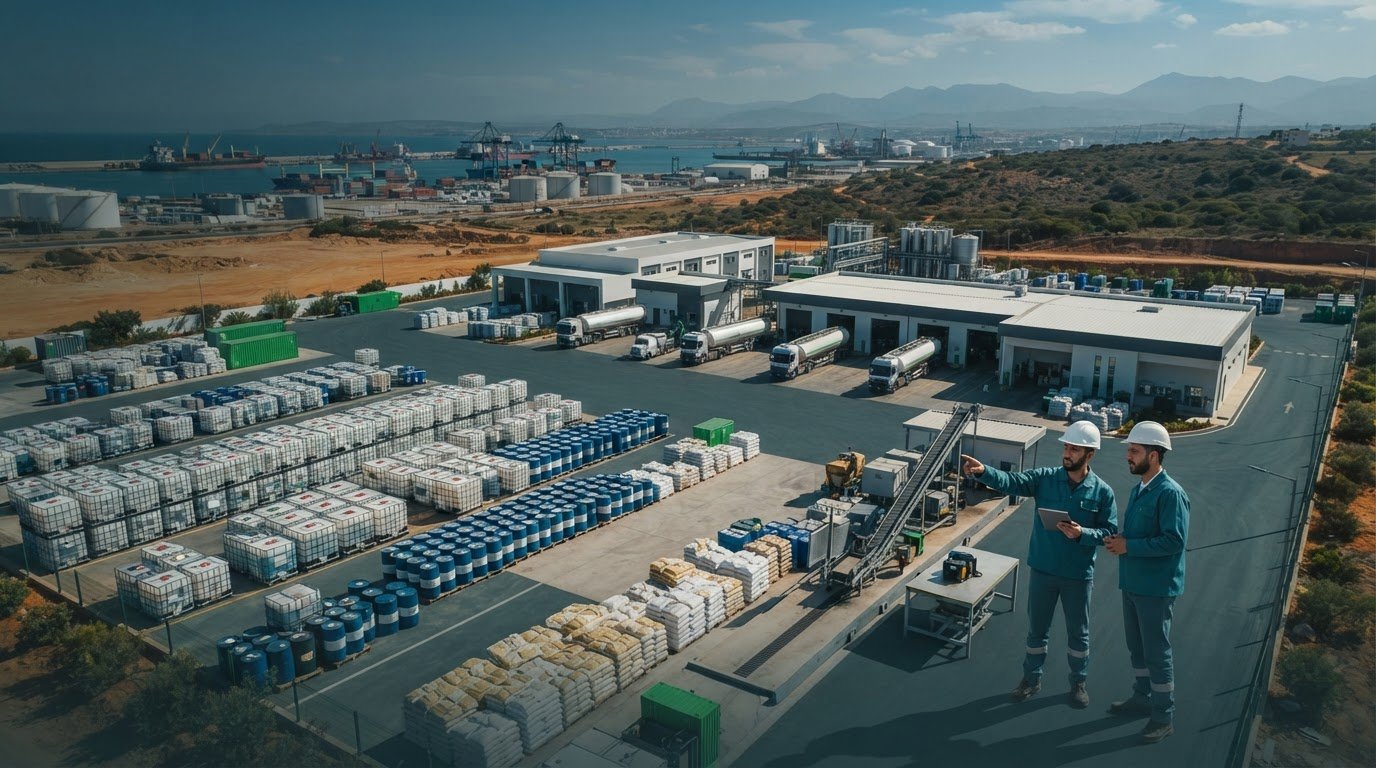


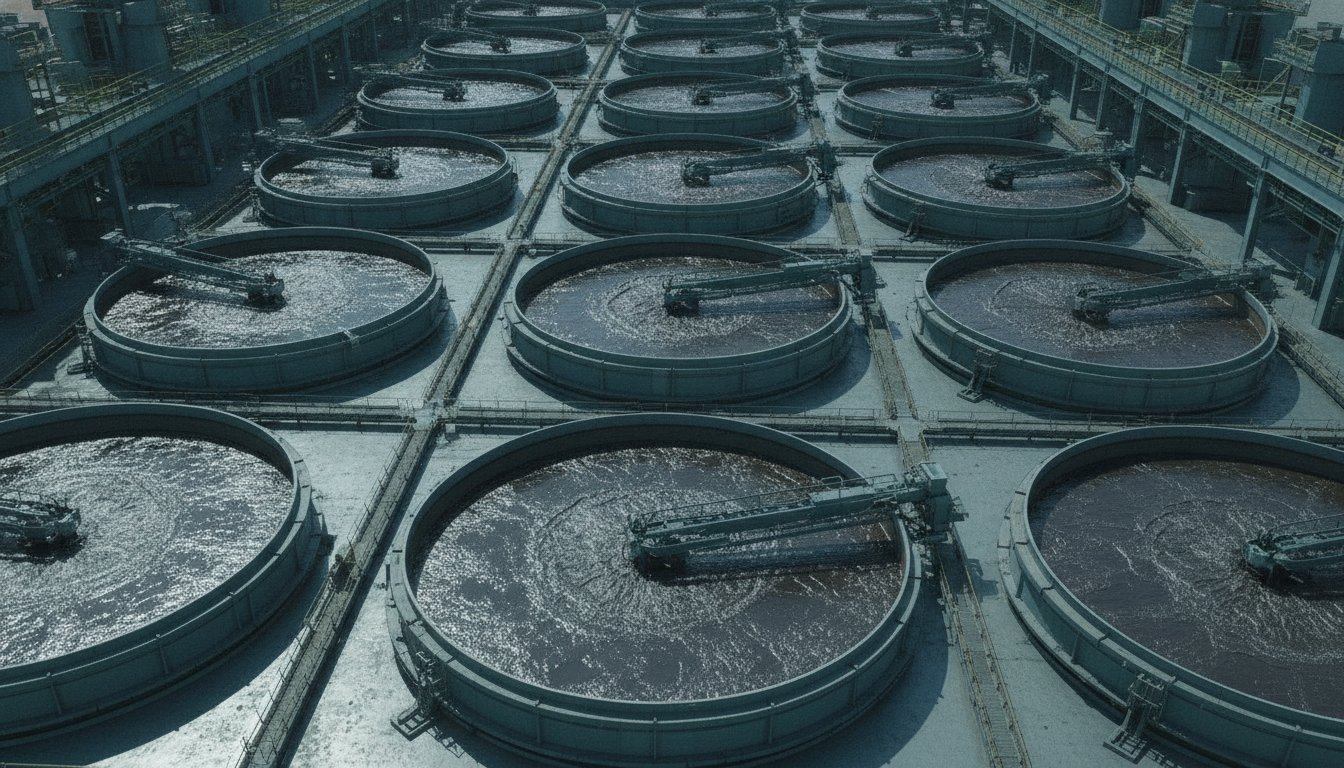
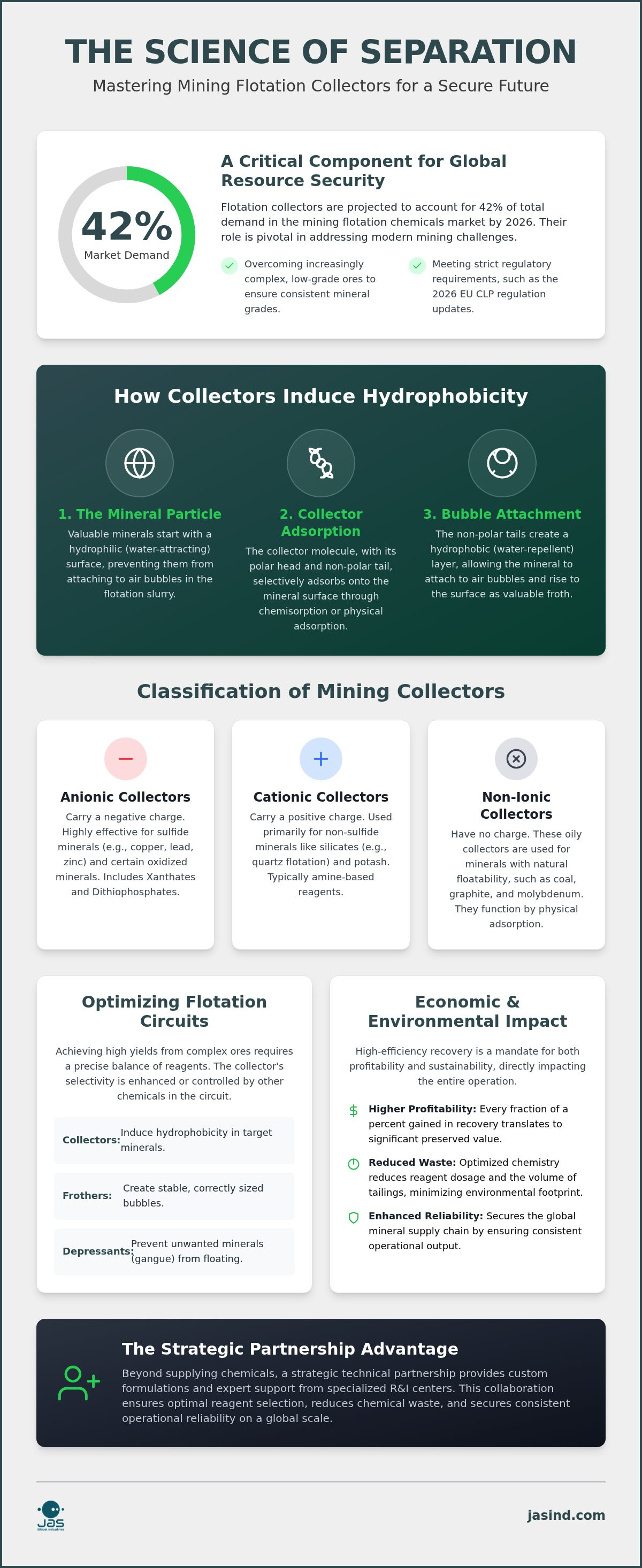
With flotation collectors projected to account for 42% of the total demand in the mining flotation chemicals market by 2026, the chemistry you choose has never been more critical to your bottom line. You understand the strain of processing increasingly complex, low-grade ores while meeting the strict requirements of the 2026 EU CLP regulation updates. It's a difficult balance. You need to reduce chemical waste and operational costs without sacrificing the consistent mineral grade your facility must deliver. This is why selecting the right Mining Flotation Collectors is no longer just a procurement choice; it's a strategic necessity for resource security.
We're here to help you protect your assets and optimize your yields. This article explores how advanced collector chemistry enhances mineral recovery and provides the stability required in modern mineral processing. You'll discover how selective formulations overcome ore complexity and why expert technical support is the foundation of global operational reliability. We'll preview the latest innovations in biodegradable reagents and the strategic role of specialized R&I centers in achieving higher recovery rates with reduced reagent dosage. This is how we move from simple extraction to responsible, high-efficiency resource management.
Key Takeaways
- Learn how the molecular structure of collectors creates selective hydrophobicity to separate valuable minerals from waste rock efficiently.
- Understand the distinct applications of anionic, cationic, and non-ionic Mining Flotation Collectors to ensure precise chemical alignment with your specific ore mineralogy.
- Discover how to optimize your flotation circuit by balancing collectors with frothers and depressants to maintain grade stability in complex, low-grade ores.
- Explore the critical link between high-efficiency chemical recovery and the long-term security of the global mineral supply chain.
- Gain insights into how strategic technical partnerships and custom formulations reduce chemical waste while securing consistent operational reliability.
The Strategic Role of Flotation Collectors in Global Resource Security
Global resource stability relies on the efficient extraction of critical minerals. As global ore grades continue to decline, the margin for operational error disappears. In this high-stakes environment, Mining Flotation Collectors serve as the primary reagents that selectively induce hydrophobicity in valuable minerals. They don't just facilitate separation; they secure the mineral supply chain. By ensuring that even trace amounts of valuable material are recovered, these chemicals act as a safeguard for modern infrastructure and the energy transition.
We view the collector as the intelligence of the flotation circuit. It's the decisive factor that determines the success of the entire separation process. While other reagents provide support, the collector dictates which particles rise and which remain as waste. This chemical precision is the only way to maintain consistent yields when processing low-grade or complex mineralogies. Without advanced Mining Flotation Collectors, the stability of the global resource market would be at risk.
Defining Collector Chemistry: Beyond Basic Separation
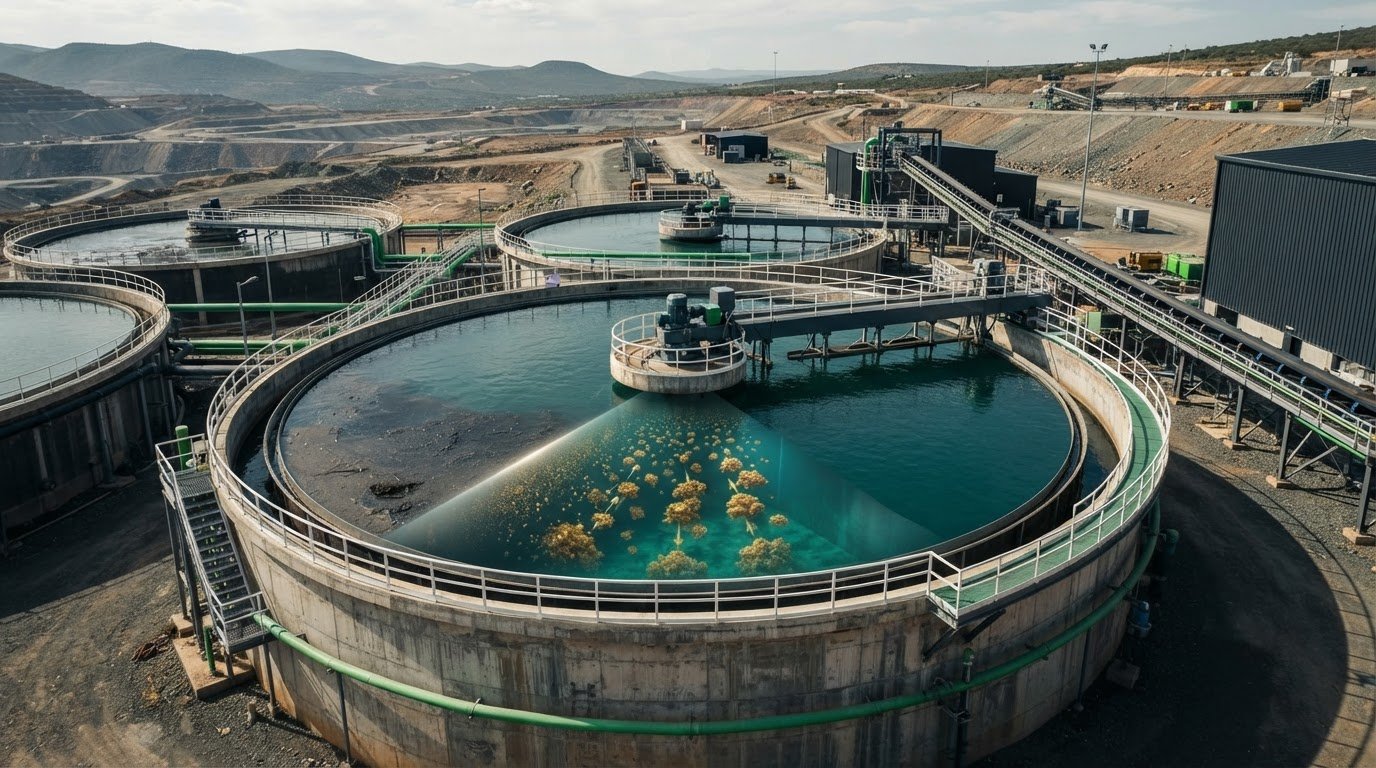
Many industry perspectives focus solely on the physical mechanics of the Froth flotation process. This is a mistake. Physical separation is the result, but chemical selectivity is the cause. Collectors work through a sophisticated adsorption process at the mineral-water interface. They transform the surface properties of specific minerals while leaving the gangue unaffected. This level of selectivity is what separates a profitable operation from a failed venture. Flotation collectors are the chemical bridge that allows valuable minerals to attach to air bubbles.
The Economic and Environmental Impact of High-Yield Recovery
High-yield recovery is a mandate for both profitability and sustainability. When collector chemistry is optimized, the volume of tailings is significantly reduced. This minimizes the environmental footprint of the mine and lowers the long-term risks associated with waste storage. There's a direct, measurable correlation between recovery percentages and the overall ROI of a mining project. Every fraction of a percent gained in recovery translates to millions of dollars in preserved value.
Our commitment to precision ensures that these recovery goals are met with ethical responsibility. By prioritizing chemical efficiency, we help operators reduce reagent dosage and minimize chemical waste. We believe that robust mining solutions are the foundation of sustainable mineral extraction. This approach secures the future of the industry by balancing technical excellence with a deep sense of global guardianship.
Understanding the Mechanism: How Collectors Induce Hydrophobicity
The molecular structure of Mining Flotation Collectors is a study in functional duality. Each molecule consists of a polar, hydrophilic head and a non-polar, hydrophobic tail. This dual nature allows the collector to act as a chemical bridge. The polar head group attaches to the mineral surface through specific chemical or physical forces, while the non-polar hydrocarbon tail extends into the water. This orientation creates a water-repellent film that transforms the mineral's surface properties, making bubble-particle attachment possible.
Success in the cell depends on the thermodynamics of the contact angle. When a collector adsorbs onto a mineral, it increases the contact angle between the particle and the air bubble. A higher contact angle indicates greater hydrophobicity, which strengthens the attachment force. In high-velocity flotation circuits, the "induction time" becomes a critical variable. This is the time required for the thin liquid film between the bubble and the particle to rupture. Advanced Flotation Reagents are designed to minimize this induction time, ensuring that valuable minerals are captured even in turbulent conditions.
The interaction between the collector and the mineral occurs through either physical adsorption or chemisorption. Physical adsorption involves relatively weak electrostatic forces, which are often reversible. Chemisorption is more robust; it involves a chemical reaction that forms a bond between the collector and the mineral surface. This stronger bond is typically more selective and resistant to the shear forces present in the slurry. For those seeking to refine these chemical interactions, exploring specialized mining chemical formulations can provide the necessary precision.
The Polar vs. Non-Polar Dynamic
Hydrocarbon chain length dictates the strength and selectivity of the collector. It's a delicate balance. While longer chains increase the contact angle and improve recovery rates, they also risk over-collecting gangue minerals, which compromises the final concentrate grade. Shorter chains offer higher selectivity but may require higher dosages to achieve the desired recovery. Selecting the right chain length is essential for protecting the purity of the final resource.
Factors Affecting Adsorption Efficiency
Pulp pH significantly impacts the ionization of collector molecules and the surface charge of the minerals. If the pH isn't optimized, the collector may not ionize properly, or the mineral surface may repel the reagent. Mineralogy and surface oxidation levels also dictate the choice of chemical head groups, as oxidized surfaces often require different activation strategies. Effective mineral recovery requires the collector to overcome the natural hydration layer of the particle. This ensures the non-polar tail can effectively interface with the air bubble for successful lofting.
Classification of Mining Collectors: Anionic, Cationic, and Non-Ionic
Categorization is the foundation of chemical precision in the flotation circuit. We categorize Mining Flotation Collectors based on the ionic charge of their polar head groups to ensure a targeted response at the mineral-water interface. This classification isn't just a matter of lab nomenclature; it's a strategic framework for resource security. For those seeking a foundational understanding of these systems, an Introduction to Mineral Processing provides the essential context for how these reagents integrate into the broader metallurgical flow.
Modern operations rarely rely on a single chemical solution. The rise of mixed-collector systems and amphoteric reagents reflects the growing complexity of global ore bodies. These sophisticated formulations utilize advanced surfactant chemistry to create synergistic effects that individual collectors cannot achieve alone. By aligning the right chemical class with the specific mineralogical DNA of the ore, we protect the stability of the recovery process and maximize the value of the extracted resource.
Anionic Collectors: Xanthates and Beyond
Anionic collectors are the most widely used reagents in the industry. Sulfhydryl collectors, including Xanthates and Dithiophosphates, remain the workhorses for sulfide ore processing. They offer exceptional selectivity for minerals like chalcopyrite and galena. In contrast, Oxyhydryl collectors, such as fatty acids and alkyl sulfates, are utilized for oxides and industrial minerals. The selection of Mining Flotation Collectors in this category often hinges on hydrocarbon chain length. Short-chain variants prioritize high selectivity for premium grades, while long-chain collectors provide the robust power needed to recover minerals from challenging, low-grade streams.
Cationic and Non-Ionic Systems
Cationic collectors, specifically amines, are indispensable for the flotation of potash, feldspar, and silica. These reagents are highly effective but require careful management; they're sensitive to slime coating and even minor pH fluctuations. Non-ionic systems take a different approach. Using non-polar oils and non-ionic surfactants, these reagents enhance the recovery of naturally hydrophobic minerals like coal and molybdenite. These oils don't ionize in the pulp. Instead, they spread across the mineral surface to reinforce its inherent water-repellency. This diverse chemical toolkit allows operators to adapt to varying ore conditions while maintaining consistent operational reliability.
Optimizing Flotation Circuits for Complex Ores and High Yields
Mining Flotation Collectors are not commodities. They are strategic assets. Achieving high yields in modern circuits requires more than a standard reagent list; it demands the strategic alignment of chemistry with the specific mineralogical challenges of the site. Tailor-made formulations are the only way to handle "dirty" ores that would otherwise compromise plant profitability. We focus on creating these bespoke solutions to ensure that your recovery remains consistent despite declining feed grades.
Success depends on the synergy within the circuit. While collectors induce hydrophobicity, mining frothers work in tandem to stabilize the mineralized froth. Without this balance, even the most powerful collector will fail to deliver a clean concentrate. Depressants and modifiers complete this chemical trinity, ensuring that only the target minerals reach the launder. This holistic view of the flotation cell is essential for maintaining grade stability and operational reliability.
Overcoming Ore Mineralogy Challenges
Processing high-clay ores or oxidized surfaces presents significant hurdles. These materials often inhibit collector adsorption and lead to excessive reagent consumption. We utilize secondary collectors, or promoters, to boost the recovery of these difficult-to-float particles. This multi-layered approach ensures the circuit remains resilient against fluctuating feed conditions. Industry data suggests that implementing custom dosing strategies can reduce reagent consumption by 15-20% while simultaneously improving recovery rates. This efficiency protects both your budget and the environment.
The Role of Technical Consulting
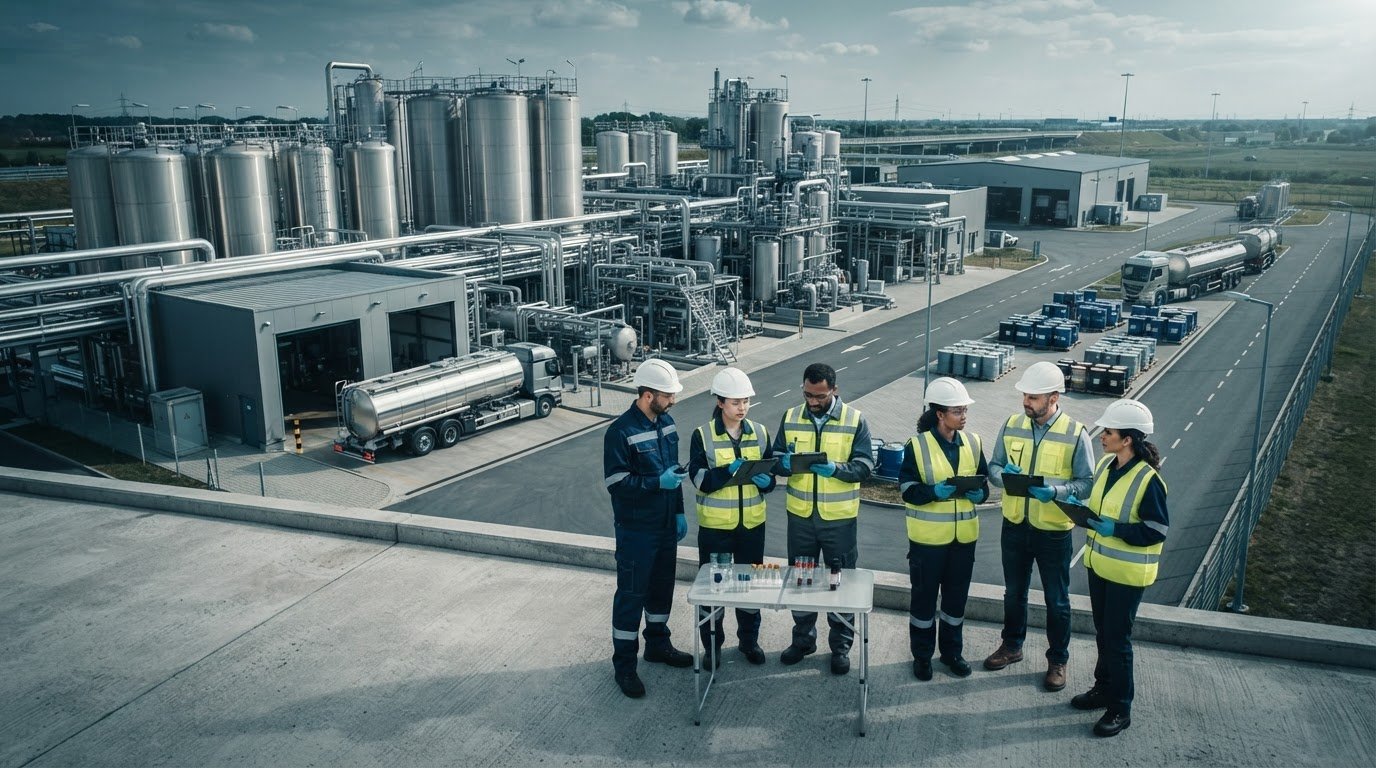
Technical audits and on-site laboratory testing identify the hidden bottlenecks in your recovery process. We don't just supply Mining Flotation Collectors; we provide the technical expertise to optimize their performance. Laboratory flotation tests using Denver or JK cells provide a critical baseline for performance. These results aren't just data points. They are the roadmap for full-scale plant performance and process security.
We believe in a transition from bulk chemical supply to a process optimization partnership. This approach focuses on long-term value and the broader human impact of technical solutions. If you are ready to enhance your plant's efficiency, request a technical audit from our expert team today. Our R&I centers are dedicated to developing the custom formulations your specific ore body requires. This is how we secure the stability of your production and the future of your resources.
Strategic Reagent Partnership: Enhancing Operational Reliability
JAS Global Industries has maintained a foundational presence in the mining sector since 1998. We don't view ourselves as a simple chemical vendor. We act as a vital guardian of the world's most critical resources. Our mission is clear: we provide the chemical stability necessary to protect the global mineral supply chain. Through our specialized R&I centers and global manufacturing plants, we ensure that high-performance Mining Flotation Collectors are always available when and where they're needed most. This reliability is rooted in a long-standing corporate history. It creates a stable and reassuring atmosphere for our partners.
Global Reach and Local Expertise
Operational reliability requires a physical presence near the source. We maintain regional service offices across the Middle East, Africa, Asia, and Europe. This geographic footprint allows us to offer local expertise tailored to specific regional mineralogies. We manage complex bulk chemical supply contracts for industrial-scale operations with categorical precision. Our logistics network ensures that Mining Flotation Collectors reach your site without interruption. Managing the security of supply for critical mining chemicals is a responsibility we take seriously. It's about more than simple logistics; it's about the stability of modern infrastructure. We protect your operations by securing your reagents.
Commitment to Innovation and Sustainability
Our focus on research and innovation (R&I) is driven by the industry's most pressing challenges. We develop specialized formulations that don't just improve recovery; they enhance safety. Our chemistry contributes to safer tailings management by reducing chemical toxicity and improving reagent efficiency. This commitment to sustainability aligns our technical solutions with the broader needs of society and the environment. We move beyond transactional agreements to build long-term technical partnerships. We focus on the fundamental needs of the community and the long-term value of the resource. This is how we demonstrate our role as a responsible corporate citizen on a massive scale.
We invite you to consult with our mining experts for process optimization. Our team is ready to conduct technical audits and develop the custom formulations your site requires. We focus on results-driven solutions and the broader human impact of our work. Our R&I centers act as a moral compass for our corporate voice, ensuring every product meets the highest standards of ethics and efficiency. Together, we can secure the future of mineral recovery through chemistry that is both powerful and responsible.
Securing the Future of Global Mineral Recovery
The evolution of mineral processing demands a shift from commodity reagents to intelligent chemical systems. We've explored how the selective power of Mining Flotation Collectors determines the success of your entire circuit. By mastering molecular mechanisms and choosing the precise ionic class, you protect both grade and recovery. This alignment is the only way to maintain stability as ore complexity increases globally. It transforms a simple industrial process into a mission of resource security.
Since 1998, our global service network has supported major operations across the Middle East, Africa, Asia, and Europe. We provide more than just chemical supply. Our specialized R&I centers develop tailor-made formulations; meanwhile, our expert technical consulting identifies the bottlenecks that hinder your plant's performance. You don't have to face declining ore grades alone. Optimize your mineral recovery with JAS Global Industries and secure the long-term value of your assets. We look forward to building a sustainable future together.
Frequently Asked Questions
What is the primary difference between anionic and cationic collectors?
Anionic collectors possess a negatively charged polar head, while cationic collectors have a positively charged head. This ionic charge determines which mineral surfaces the reagent will successfully bond with during processing. Anionic types, such as xanthates, are the industry standard for sulfide ores. Cationic collectors, primarily amines, are typically reserved for silicates, potash, and specific oxide minerals.
How do I choose the right collector for a complex sulfide ore?
Selecting the right reagent for complex sulfides requires a detailed mineralogical analysis to identify specific associations between target minerals and gangue. You must balance collector power with high selectivity to avoid floating unwanted pyrite or pyrrhotite. We often recommend a blend of collectors to target different mineral species within the same ore body, ensuring the stability of the final concentrate grade.
Can custom collector formulations improve the recovery of low-grade minerals?
Yes, custom Mining Flotation Collectors are essential for maintaining profitability as global ore grades decline. Standard off-the-shelf chemicals often lack the selectivity needed to recover trace minerals from highly diluted or complex streams. Our R&I centers develop bespoke formulations that target specific surface properties, allowing operators to achieve higher recovery rates with a lower overall reagent dosage.
What role does pH play in the efficiency of flotation collectors?
pH is the primary variable that controls the ionization of collectors and the surface charge of the minerals. It dictates whether the collector will successfully adsorb onto the target particle or be repelled by it. Most sulfide flotation circuits operate in an alkaline range to optimize the performance of sulfhydryl collectors. If the pH drifts, your recovery rates will drop and chemical waste will increase.
How do collectors interact with frothers and depressants in the circuit?
Collectors work in a delicate chemical synergy with frothers and depressants to ensure a balanced circuit. While the collector induces hydrophobicity, the frother stabilizes the bubbles to carry the mineral to the surface. Depressants simultaneously prevent unwanted minerals from attaching to those bubbles. This three-part harmony is the foundation of operational reliability and clean mineral separation.
What are the environmental considerations for mining flotation chemicals?
Environmental stewardship requires the use of biodegradable reagents and low-toxicity formulations that meet modern regulatory standards. We focus on developing collectors that minimize the chemical footprint in tailings dams. Reducing reagent dosage through higher efficiency also lowers the total volume of chemicals released into the environment, protecting local ecosystems and the stability of the surrounding community.
How can on-site technical audits reduce chemical waste in mining?
On-site technical audits identify the specific points in the circuit where chemical over-dosing or poor mixing occurs. By troubleshooting these bottlenecks, we help mines reduce chemical waste significantly. These audits transition the operation from a bulk supply model to a process optimization partnership. This ensures that every drop of chemical contributes to mineral recovery and long-term project value.
What is the typical induction time for bubble-particle attachment?
Typical induction time for bubble-particle attachment ranges from 10 to 100 milliseconds, depending on the mineral type and collector efficiency. This is the critical window where the thin liquid film between the bubble and the particle must rupture. Advanced Mining Flotation Collectors are engineered to shorten this time, which is vital for maintaining high recovery rates in high-velocity, turbulent flotation cells.