

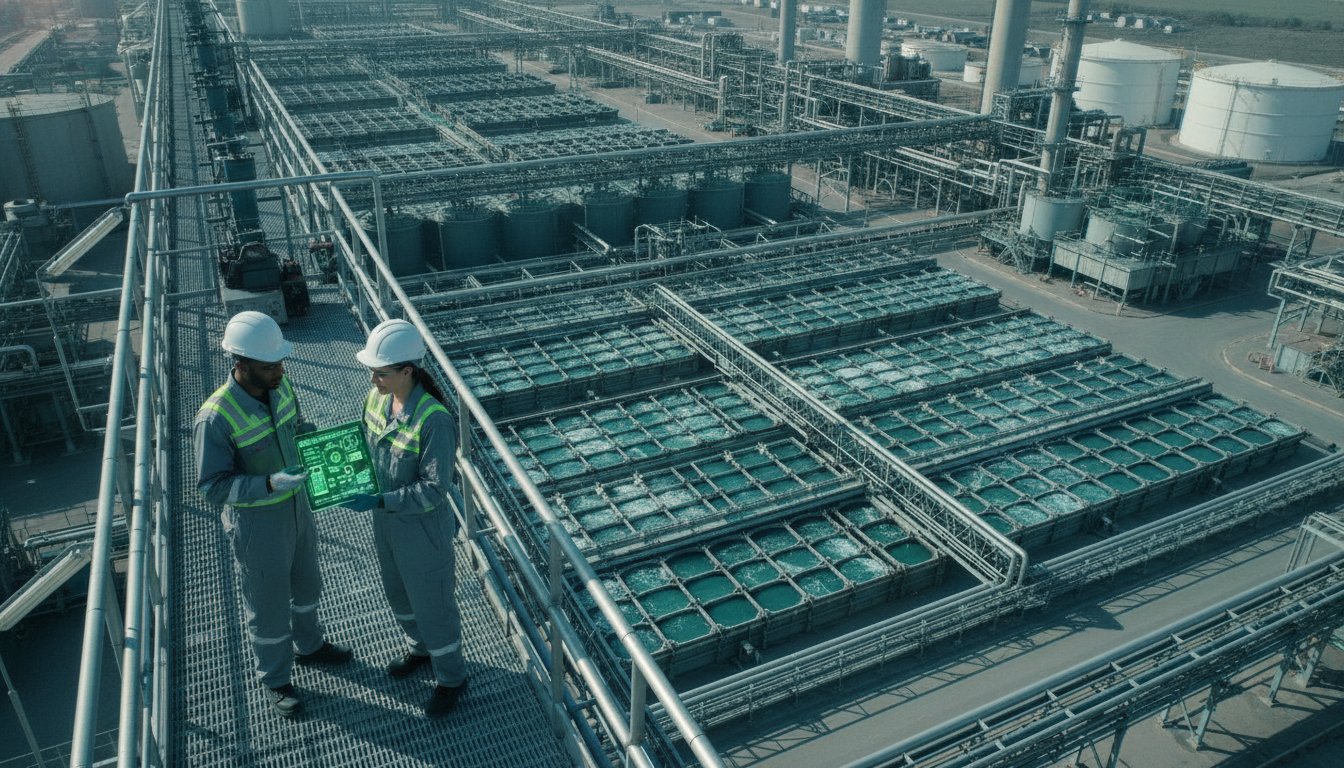
With unplanned downtime now costing the average manufacturer between $125,000 and $260,000 every single hour, the margin for operational error has effectively vanished. For leaders in mining and fertilizer production, these losses often manifest as unexplained product caking or aggressive equipment scaling that defies standard maintenance. Effective industrial process troubleshooting is no longer just about fixing what is broken; it is about protecting the stability of the global resources your facility provides.
It is frustrating to watch mineral recovery rates decline or chemical dosing costs climb without a clear path to resolution. You deserve a process that functions with predictable precision and reliability. This guide will show you how to master the systematic frameworks and chemical optimization strategies needed to resolve complex bottlenecks and secure global resource efficiency. We will explore the transition from reactive repairs to prescriptive maintenance, providing you with a repeatable roadmap to restore yield, improve product quality, and integrate cost-effective specialty chemicals into your daily operations.
Key Takeaways
- Learn to transition from reactive maintenance to a systematic framework for industrial process troubleshooting that restores operational stability.
- Identify the critical difference between surface symptoms and true root causes in chemical operations using the "5 Whys" technique.
- Discover how to optimize specialty chemical dosing to eliminate reagent interference and reduce the hidden costs of inefficient application.
- Access targeted strategies for resolving caking in fertilizer logistics and improving recovery rates in complex mining flotation circuits.
- Understand why a professional technical audit serves as the most cost-effective step toward implementing tailor-made operational solutions.
Mastering Industrial Process Troubleshooting: A Systematic Framework
Effective industrial process troubleshooting is a rigorous, disciplined methodology used to restore operational status with maximum safety and efficiency. It's the difference between a temporary patch and a permanent solution. In the context of 2026, the industry has moved beyond reactive "firefighting" toward prescriptive maintenance and proactive process optimization. This shift is driven by the staggering cost of unplanned downtime, which now averages between $125,000 and $260,000 per hour for many manufacturers. Protecting the process is no longer just a maintenance goal; it's a mandate for global resource security.
Systematic troubleshooting provides the foundational structure for this discipline. It requires a deep understanding of the "operational baseline"—the specific set of conditions where a process runs at peak efficiency. Without a clearly defined baseline, identifying an anomaly becomes a matter of guesswork rather than science. We must establish what "normal" looks like in terms of flow rates, temperature profiles, and chemical concentrations before we can diagnose why a system is failing.
Mechanical checks are only 50% of the solution in modern chemical processing. While a pump might be spinning at the correct RPM, the chemical interaction within the fluid could be causing sub-surface scaling or reagent interference. True operational excellence requires a dual-focus: mechanical precision must be balanced with optimized chemical dosing to ensure long-term stability and yield.
The 6-Step Methodology for Process Recovery
Process recovery begins with symptom recognition. This involves identifying clear deviations in yield, mineral recovery rates, or product purity. Once a symptom like fertilizer caking or dusting is identified, we move to symptom elaboration. This stage uses SCADA systems and manual sampling to gather high-fidelity data. The goal is to localize the fault. Is the bottleneck caused by a mechanical failure, a change in raw material quality, or an inefficiency in the reagent dosing circuit? By narrowing the scope, we prevent unnecessary downtime and focus resources on the true root cause.
Safety Protocols and LOTO in Process Audits
Safety is the primary pillar of every technical audit. As of November 2026, OSHA has modernized the Lockout/Tagout (LOTO) standards to align with current computer-based hazardous energy controls. Troubleshooting in chemical environments requires integrating these LOTO protocols with robust chemical containment strategies. Personnel must utilize sector-specific Personal Protective Equipment (PPE) to mitigate risks from corrosive reagents or high-pressure systems. Secure the person, then secure the process. This approach ensures that troubleshooting efforts do not compromise environmental compliance or worker well-being while seeking to restore operational efficiency.
Identifying Root Causes in Complex Chemical Operations
In the high-stakes environment of mineral processing and fertilizer production, confusing a symptom with a root cause is a costly error. Surface-level symptoms, such as product caking or dusting, are merely signals of a deeper systemic instability. If an operator sees caking and simply increases the dosage of a coating agent, they may be masking the problem while increasing operational costs. True industrial process troubleshooting demands a move beyond these reactive patches to uncover the fundamental mechanism of failure, whether it is moisture migration, poor coating distribution, or chemical reagent interference.
The "5 Whys" technique remains a cornerstone of this investigative process. In a flotation circuit with declining recovery rates, the first "why" might reveal unstable froth. The second might point to fluctuating collector concentrations. By the fifth "why," the investigation often leads to a root cause like temperature-induced viscosity changes in the reagent. In regions like the Middle East, environmental factors play a decisive role. High ambient humidity can trigger rapid moisture absorption in fertilizers, making the protection of product integrity a constant challenge. Identifying these variables requires a blend of technical intuition and rigorous data analysis.
Data-Driven Diagnostics and SCADA Integration
Modern operations rely on SCADA systems to provide the high-fidelity data needed for correlation analysis. By linking real-time dosing fluctuations to final product quality, engineers can spot trends before they escalate into full-scale failures. Utilizing a practical guide to troubleshooting helps bridge the gap between electrical instrumentation and chemical yields. In industrial chemical yields, Root Cause Analysis is the systematic process of identifying the fundamental chemical or mechanical instability that triggers a cascade of operational failures. This data-driven approach ensures that every adjustment is backed by empirical evidence rather than trial and error.
Laboratory Validation and Pilot Testing
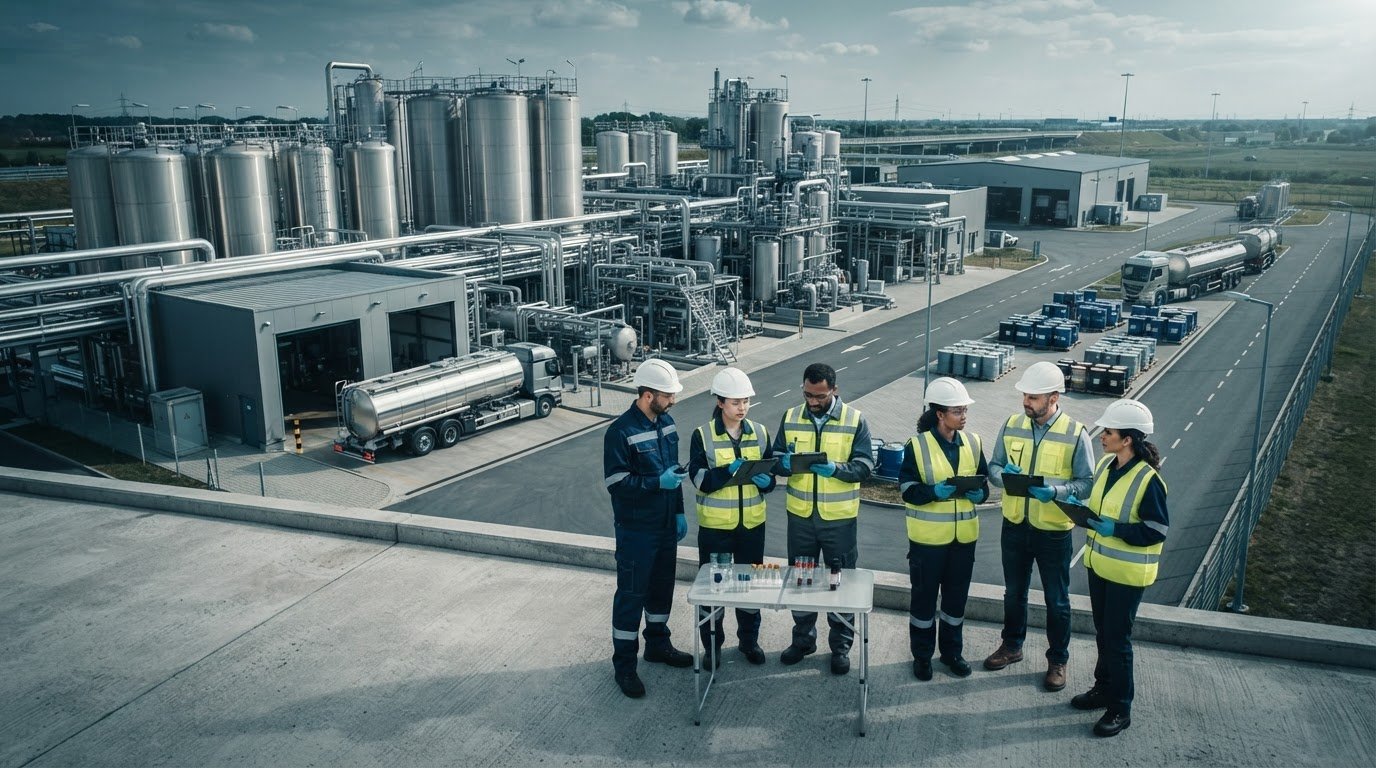
Bench-scale testing is an essential safeguard before implementing process changes at scale. It allows teams to simulate transport conditions for anti-caking agents, ensuring that a specific formulation will perform under the exact pressure and temperature profiles of a global supply chain. Specialized R&I centers provide the controlled environment necessary to develop site-specific chemical solutions that account for local ore variations or water chemistry. To ensure your facility is operating at its peak potential, a professional technical audit can provide the laboratory validation needed to secure your process stability. These audits transform hypotheses into actionable, tailor-made strategies that protect both your yield and your bottom line.
Optimizing Specialty Chemical Dosing and Reagent Efficiency
Precision in chemical application is the cornerstone of operational stability. While hardware failures are visible, chemical inefficiencies are often invisible. They hide in the margins of your yield reports. Effective industrial process troubleshooting requires a granular look at dosing rates. Over-dosing doesn't just waste capital; it creates reagent interference that can destabilize the entire circuit. Conversely, under-dosing leaves valuable minerals in the tailings. Industrial process control systems provide the necessary oversight to manage these delicate balances through real-time data integration.
Water quality is a decisive factor in reagent efficacy. High calcium hardness or fluctuating pH levels can deactivate collectors or trigger premature precipitation. In 2026, static dosing is no longer sufficient for global resource security. Dynamic dosing strategies must account for raw material variability. If the ore grade changes or the source water shifts, the chemical formulation must adapt in real-time to maintain recovery rates. Troubleshooting surfactant applications requires understanding these environmental interactions at a molecular level.
Overcoming Reagent Incompatibility
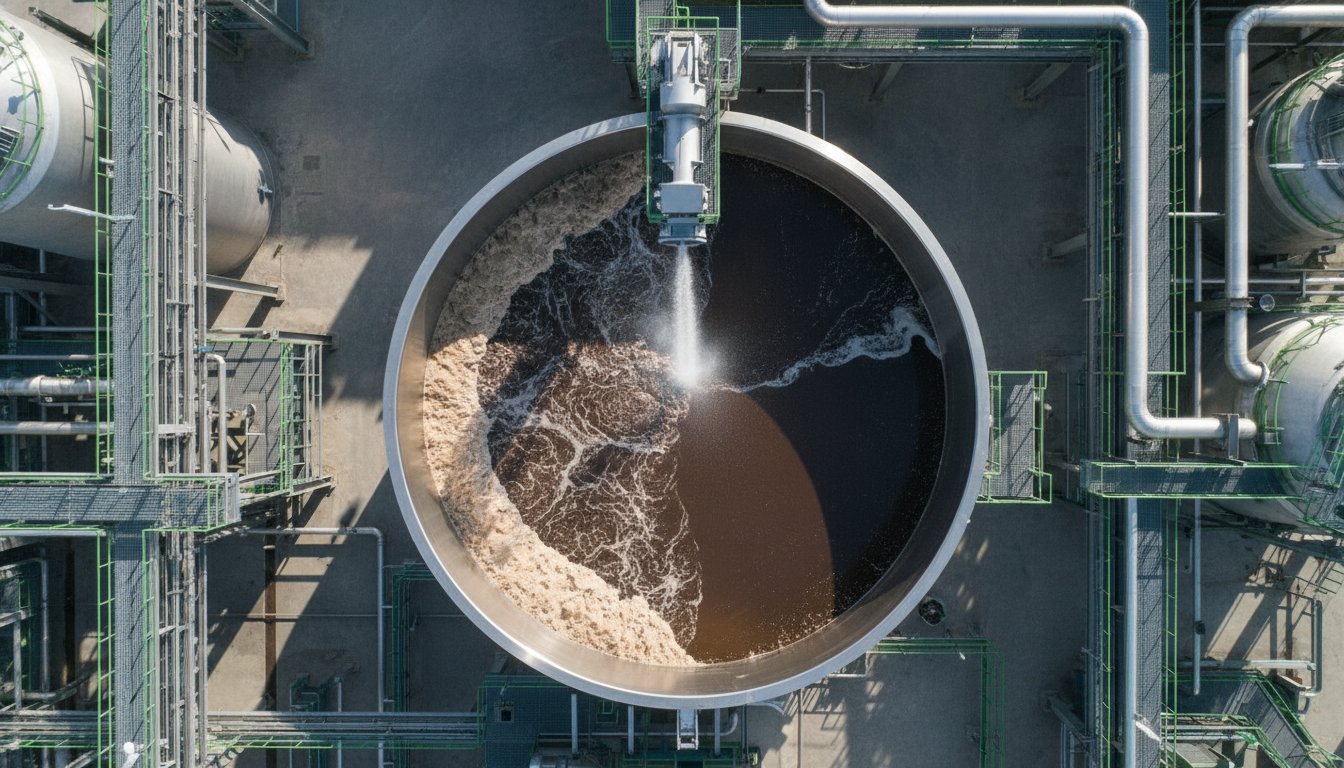
Reagent incompatibility often manifests as "chemical fights" within the process stream. When collectors, frothers, and depressants are added without regard for their combined interaction, the result is often excessive foam or reduced selectivity. Troubleshooting these issues involves identifying the specific chemical interference and neutralizing it. Specialized defoamers and antifoams are essential tools for managing unwanted foam buildup. However, the most effective solution is often optimizing the point of addition. This ensures maximum chemical contact time while minimizing competitive reactions between incompatible reagents.
Automation in Chemical Management
Automation is the final step in securing chemical efficiency. Smart dosing pumps and electromagnetic flow meters provide precision control that manual systems cannot match. Implementing a robust chemicals management plan reduces operational waste and ensures environmental compliance. This systematic approach allows for the remote monitoring of chemical inventory and dosing rates in global operations. It transforms chemical reagents from a variable expense into a predictable, high-performance asset. Reliable dosing. Protected yield. Stable operations.
Troubleshooting by Sector: Fertilizer, Mining, and Water Treatment
While the logic of industrial process troubleshooting remains constant, the chemical variables shift dramatically between sectors. In fertilizer production, the challenge is often physical integrity. In mining, it's selective recovery. In water treatment, it's membrane longevity. Each vertical requires a specialized approach to ensure the security of global resource chains. Relying on generic fixes often leads to recurring failures, whereas sector-specific analysis uncovers the exact chemical instability causing the bottleneck.
Fertilizer Quality and Flowability Issues
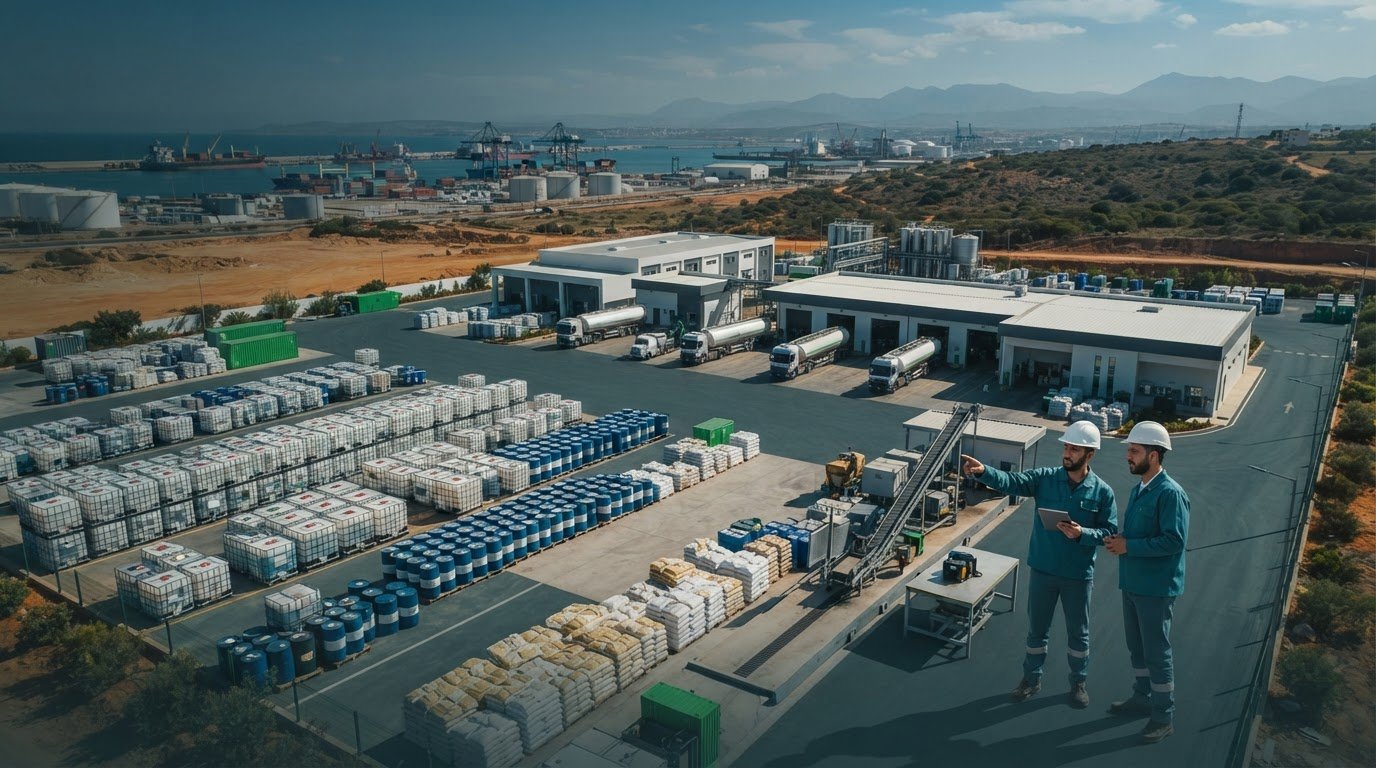
Hygroscopic caking in NPK and Urea fertilizers often stems from moisture migration during maritime transport or prolonged storage. Troubleshooting this requires more than just applying a coating; it involves analyzing the interaction between the granule surface and Fertilizer Anti-caking Agents. Dust emission during bulk handling is another critical failure point. Effective troubleshooting identifies whether the issue is poor granule strength or an insufficient application of Fertilizer Dust Suppressants. Optimizing granulation aids can significantly improve granule crush strength, reducing product loss before it reaches the final stage of the supply chain.
Mining Mineral Recovery Bottlenecks
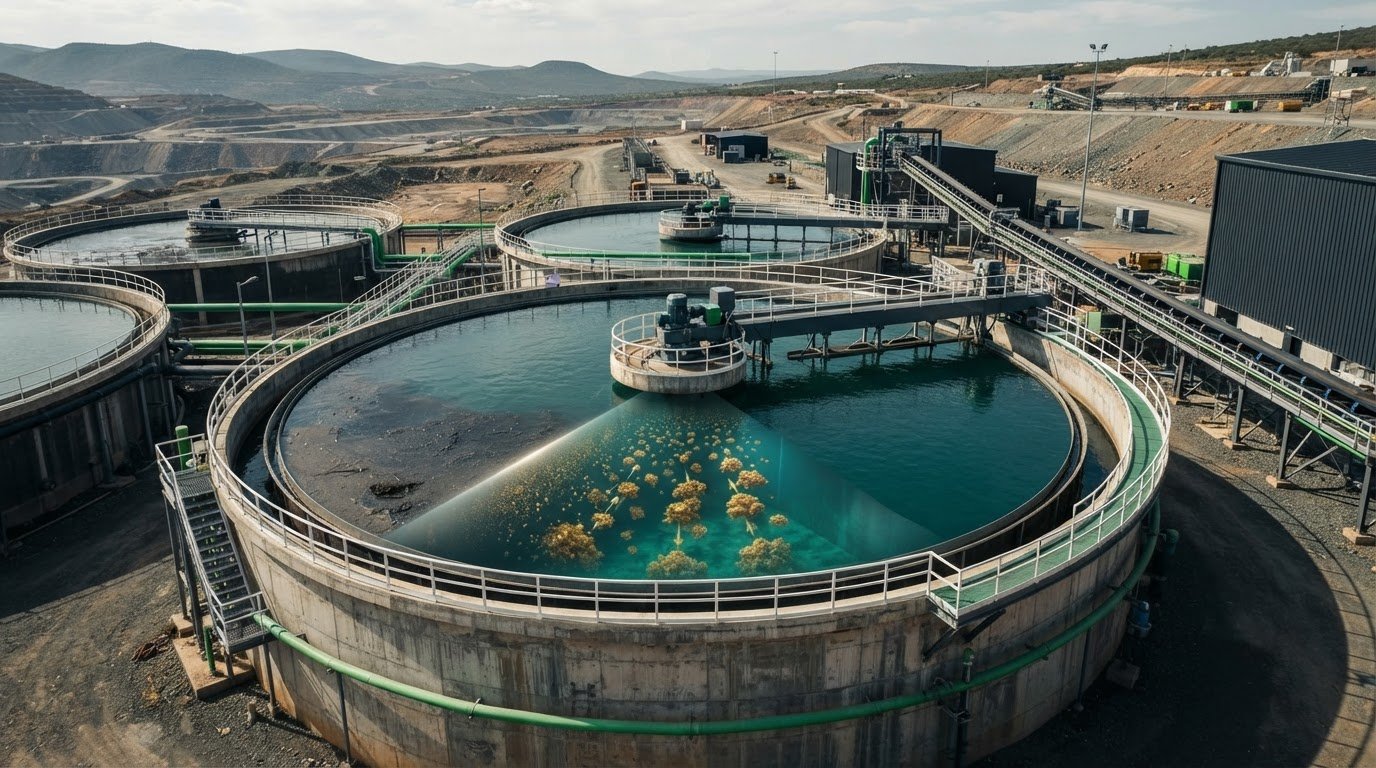
Low recovery rates in flotation circuits are frequently caused by poor froth stability or reagent interference. Diagnosing mining solutions requires a deep dive into the pulp chemistry and mineralogy. Troubleshooting grinding aid efficiency is equally vital. If energy consumption per ton is rising, the grinding aid may not be effectively reducing the slurry viscosity. Managing tailings stability with advanced Mining Flocculants ensures environmental compliance while recovering process water for immediate reuse in the plant.
Industrial Water System Failures
Rapid scale formation in RO membranes and thermal desalination plants is a primary cause of system failure. Identifying the root cause of scale and corrosion in industrial water treatment involves mapping the mineral profile of the feed water against the current antiscalant dosing rate. Troubleshooting biocide efficacy in cooling towers is critical to prevent biofouling and maintain heat transfer efficiency. Precision dosing of Water Treatment Antiscalants allows for higher recovery rates in RO systems, protecting both the expensive equipment and the local water supply.
Ensuring safety and efficiency in gas treatment plants requires rigorous H2S management. Troubleshooting odor and gas treatment circuits is a matter of both operational stability and personnel protection. If you're facing persistent bottlenecks in these complex sectors, a specialized technical audit can provide the tailor-made solutions needed to secure your process stability and yield.
The JAS Global Approach: From Technical Audit to Tailor-Made Solutions
Resolving operational instability requires a partner that views itself as a guardian of your resources rather than a mere supplier. At JAS Global, our "Technical Guardian" philosophy transforms industrial process troubleshooting from a series of reactive fixes into a proactive shield for your facility. We recognize that the security of global mineral and food supplies depends on the stability of your specific circuit. By moving beyond standard chemical applications, we focus on the fundamental protection of your yield and the long-term health of your infrastructure.
A professional technical audit is the most cost-effective step any facility can take toward operational excellence. While trial-and-error adjustments might offer temporary relief, they often lead to chemical waste and equipment fatigue. Our approach replaces guesswork with empirical certainty. We bridge the gap between complex chemical theory and practical on-site application, ensuring that every reagent used serves a precise, documented purpose. This disciplined focus on ROI ensures that your troubleshooting efforts result in measurable gains in both purity and recovery.
The Technical Audit Process
Our audit process is a deep dive into the molecular and mechanical realities of your plant. We begin with on-site sampling and rigorous laboratory analysis to identify hidden inefficiencies that SCADA systems might overlook. This includes a comprehensive review of your dosing equipment and application points. We don't just look at what you are dosing; we analyze where and how it enters the process stream. The final output is a detailed report providing actionable, ROI-focused recommendations that address the root causes identified in earlier diagnostics. This systematic review ensures that your chemical management plan is perfectly aligned with your current raw material profile.
Custom Formulation and Continuous Innovation
Standard products are often a compromise that complex ore bodies or fertilizer grades cannot afford. JAS Global specializes in the transition from off-the-shelf reagents to site-specific custom formulations. Whether you're dealing with unique mineralogy in a flotation circuit or specific moisture challenges in Urea production, we develop formulations that match your exact operational needs. This commitment to innovation is supported by recurring technical support, which is essential for maintaining process stability as environmental conditions or raw materials shift over time. JAS Global’s legacy of over 25 years in the industry serves as a foundational pillar of trust and reliability for our global partners.
Leveraging a robust service network across Africa, Asia, and Europe, our technical teams provide on-site troubleshooting wherever your operations are located. This global presence ensures that local ore variations or regional climate factors are integrated into your solution. We act as a foundational industry presence, focused on the fundamental needs of society through the protection of critical resources. Your process deserves more than a temporary fix; it deserves a tailor-made strategy that secures its future.
Securing Your Operational Future Through Process Stability
Operational excellence in 2026 demands a shift from reactive repairs to prescriptive mastery. We've explored how a systematic framework for industrial process troubleshooting transforms bottlenecks into opportunities for growth. By identifying chemical root causes and optimizing reagent dosing, you protect the integrity of your facility and the stability of global resources. Generic solutions are no longer sufficient for the complexities of modern ore bodies or fertilizer grades. Your process requires precision; your yield deserves protection.
Reliable partnership. Protected yield. Since 1998, JAS Global Industries has provided the expert technical consulting needed to navigate these challenges. Our global R&I centers develop tailor-made formulations that address your site-specific needs in mining, fertilizers, and water treatment. You don't have to face operational instability alone. Take the first step toward securing your facility's long-term efficiency today. This commitment to technical precision ensures that your operations remain a vital pillar of modern infrastructure.
Request a Technical Audit from JAS Global Industries and discover how our "Guardian" philosophy can restore your process stability. Let's build a more resilient and efficient industrial future together.
Frequently Asked Questions
What is the first step in industrial process troubleshooting?
Establishing a clearly defined operational baseline is the essential first step in every troubleshooting mission. You can't identify a deviation without knowing the exact parameters of peak efficiency, such as flow rates, temperature profiles, and reagent concentrations. This baseline serves as the scientific control for your investigation. It allows engineers to distinguish between minor fluctuations and systemic failures that threaten the security of your global resource supply.
How do specialty chemicals help in troubleshooting fertilizer caking?
Specialty chemicals like Fertilizer Anti-caking Agents resolve caking issues by modifying the surface of the granules to prevent the formation of crystal bridges. These agents create a protective barrier that resists moisture migration even during high-pressure storage or maritime transport. By integrating these custom formulations, manufacturers maintain product flowability and reduce losses caused by hygroscopic absorption in challenging climates, ensuring the material reaches the market in prime condition.
Why is mineral recovery dropping in my flotation circuit?
Declining mineral recovery in flotation circuits is often caused by reagent interference or poor froth stability. Troubleshooting these bottlenecks requires analyzing the interaction between Mining Flotation Collectors and the specific mineralogy of the ore body. Factors like fluctuating pulp density or temperature-induced viscosity changes can also deactivate reagents. A precise audit of the dosing points often reveals that chemical incompatibility is the underlying cause of the drop in yield.
Can chemical additives solve mechanical scaling in water treatment?
Yes, chemical additives like Water Treatment Antiscalants and dispersants are designed to inhibit the precipitation of scale-forming minerals before they bond to mechanical surfaces. These specialty chemicals modify the crystal structure of salts, keeping them in suspension rather than allowing them to deposit on RO membranes or heat exchangers. This proactive approach extends the life of critical infrastructure and prevents the aggressive mechanical cleaning that often leads to equipment damage.
What is the difference between a direct cause and a root cause in manufacturing?
A direct cause is the immediate, visible symptom of a failure, while a root cause is the fundamental mechanism that triggered the event. For example, product caking is a direct cause of shipping delays. However, the root cause might be moisture migration due to an ineffective coating agent. Effective industrial process troubleshooting focuses on identifying and neutralizing the root cause to ensure the problem doesn't recur across the global supply chain.
How does JAS Global conduct an on-site technical audit?
JAS Global conducts an on-site technical audit by performing rigorous sampling and laboratory analysis to identify hidden process inefficiencies. Our teams review your dosing equipment, application points, and current chemical formulations to ensure they match your raw material profile. The process concludes with a comprehensive, ROI-focused report that provides actionable recommendations. This audit acts as a technical guardian for your facility, ensuring every adjustment is backed by empirical evidence.
What role does humidity play in fertilizer troubleshooting?
Humidity plays a decisive role because of the hygroscopic nature of materials like Urea and NPK. High ambient moisture levels can trigger rapid moisture absorption and subsequent caking. Troubleshooting these issues involves analyzing the critical relative humidity of the product and adjusting the dosage of Fertilizer Dust Suppressants or anti-caking agents to account for local environmental variables. Protecting product integrity requires a formulation that adapts to these atmospheric shifts.
How can I reduce downtime during the troubleshooting process?
You can reduce downtime by transitioning from reactive repairs to a systematic framework of prescriptive maintenance and industrial process troubleshooting. Leveraging SCADA systems to monitor real-time dosing fluctuations allows you to spot trends before they become full-scale failures. By utilizing on-site technical audits and custom formulations, you ensure that adjustments are precise and effective. This proactive strategy protects your yield while minimizing the need for unplanned operational halts.