
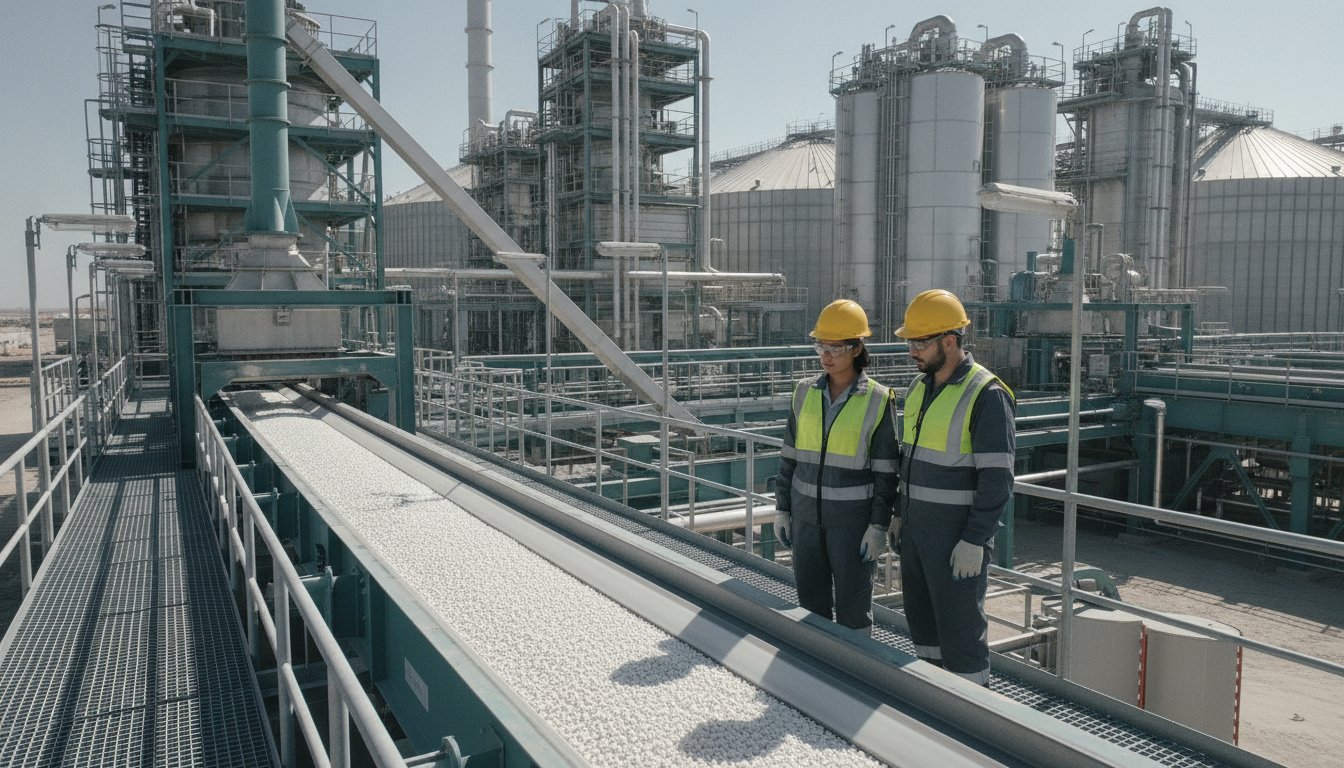
What if the most significant gains in your facility don't come from massive capital expenditure, but from mastering the chemical interface of your product? With Urea prices at $655 per ton and DAP reaching $918 per ton as of September 2026, every ounce of lost material directly impacts your bottom line. Fertilizer Plant Process Optimization is no longer just a technical goal; it's a strategic necessity for resource security in an increasingly volatile global market.
You likely face the daily frustrations of product caking during transport, hazardous dust levels, and inconsistent granulation that compromises nutrient distribution. These operational hurdles drain profitability and threaten your brand's reputation for quality. We'll show you how specialized chemical additives and expert technical audits transform these challenges into measurable competitive advantages.
This guide explores how to achieve lower operational costs per ton while ensuring compliance with the latest ISO 10249:2026 standards. We'll examine the role of tailor-made formulations in protecting your product's integrity from the plant floor to the final application. Discover the path to becoming a reliable, essential pillar of modern agricultural infrastructure.
Key Takeaways
- Integrate chemical stabilization with existing automation to master Fertilizer Plant Process Optimization and maximize product recovery.
- Eliminate storage caking and ensure uniform nutrient distribution through the application of specialized granulation aids and anti-caking agents.
- Implement a five-step operational audit to identify production bottlenecks and establish technical baselines for precise chemical dosing.
- Leverage tailor-made formulations to protect global resource security while maintaining your brand’s reputation for high-quality, free-flowing product.
The Strategic Importance of Fertilizer Plant Process Optimization
True optimization transcends simple automation. It represents a deliberate synergy between energy management, mechanical hardware, and chemical stabilization. In the context of Modern fertilizer production, this approach secures the entire value chain. It transforms a facility from a mere manufacturing site into a resilient source of global nutrition. Fertilizer Plant Process Optimization is the foundation of industrial stability; it ensures that the critical resources required to feed the world are managed with absolute precision.
The 2026 economic landscape leaves no room for operational inefficiency. With Urea prices holding at $655 per ton and DAP reaching $918 per ton as of September, 100% product recovery is a financial mandate. Material loss isn't just a ledger entry. It's a failure of resource stewardship. When the Haber-Bosch process consumes approximately 2% of global energy, every ton of ammonia lost to poor granulation represents a significant environmental and economic waste. Optimization ensures that every gram of nutrient synthesized survives the journey from the reactor to the soil.
Many facilities suffer from "Invisible Loss." This includes the financial drain of product caking, excessive dusting, and off-spec granules that require costly re-processing. These issues create safety hazards for workers and operational bottlenecks for logistics teams. Strategic Fertilizer Plant Process Optimization eliminates these friction points. It protects both the operator's margin and the end-user's crop yield, reinforcing the plant's role as a vital guardian of the food supply chain.
The Triple Bottom Line of Optimized Production
Efficiency builds reliability. By reducing downtime caused by granulation bottlenecks, plants maintain steady, predictable output. This reliability translates directly into market value. Premium brands are defined by flowability and dust-free handling; farmers won't pay premium prices for product that arrives as a solid block. Beyond the balance sheet, optimization serves environmental stewardship. It minimizes waste and improves resource utilization efficiency. This commitment to sustainability is no longer optional. It's a core requirement for modern industrial leaders who prioritize long-term value over short-term gains.
Regional Challenges and Global Logistics
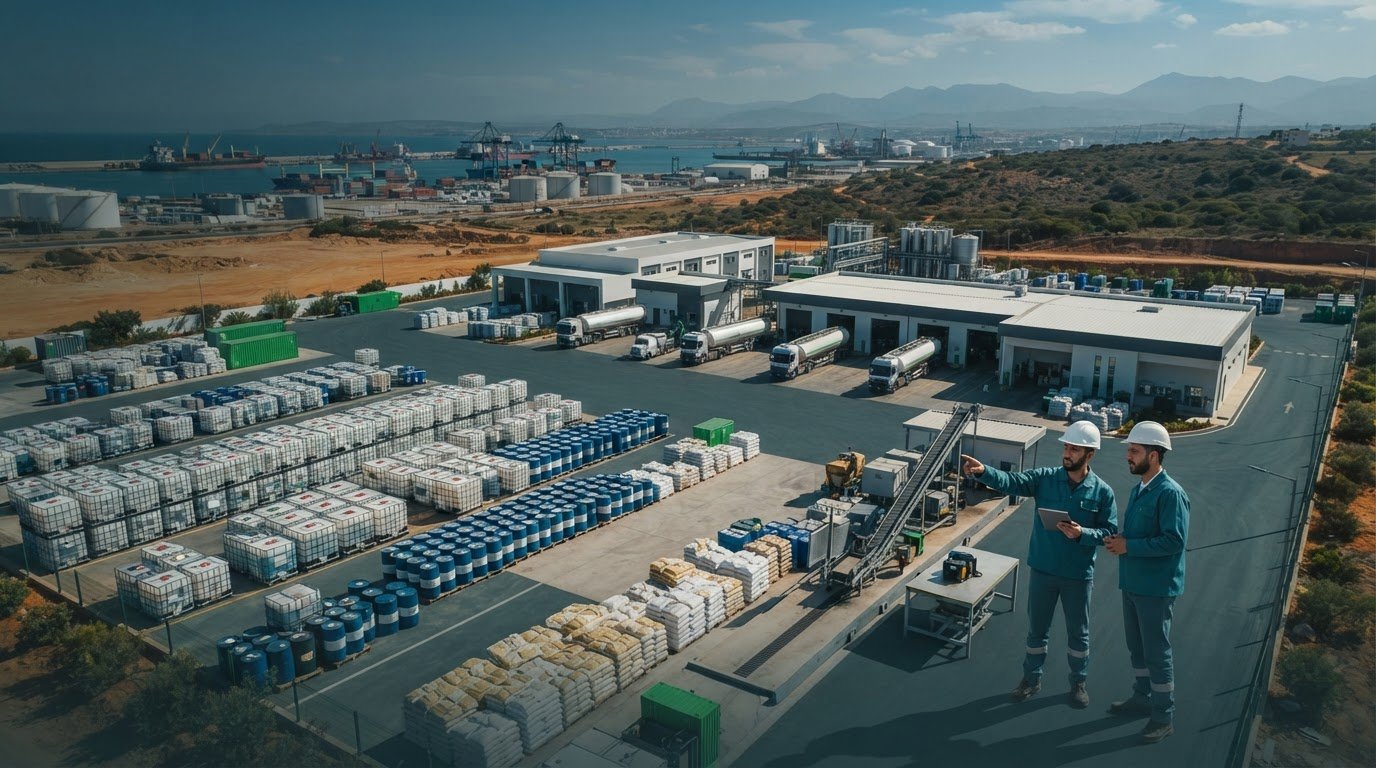
Production doesn't end at the factory gate. In regions like the Middle East and Africa, high humidity and extreme temperatures threaten product stability during storage. These environmental stressors accelerate chemical migration and caking within storage piles. Optimization must account for the entire supply chain, not just the manufacturing phase. Utilizing specialized Anti-caking Agents is essential for maintaining quality during maritime transport. This protective layer ensures that fertilizers remain free-flowing even after weeks of exposure to harsh oceanic conditions, allowing them to reach distant markets intact.
The Chemistry of Yield: Granulation and Anti-Caking Science
While hardware automation manages production volume, the chemical interface dictates the ultimate quality of the resource. Fertilizer Plant Process Optimization requires a deep understanding of the microscopic forces at play during particle formation. Without precise chemical intervention, even the most advanced control systems cannot prevent product degradation. We act as guardians of this process, ensuring that the chemistry supports the mechanical intent and the stability of the final product.
Fertilizer Granulation Aids are essential for achieving a uniform particle size distribution. This uniformity is a prerequisite for adhering to Nutrient management best practices. Uneven granules lead to inconsistent field application and increased environmental runoff, which compromises the efficiency of the entire agricultural cycle. By controlling the liquid phase during processing, these aids ensure that every granule meets rigorous technical specifications.
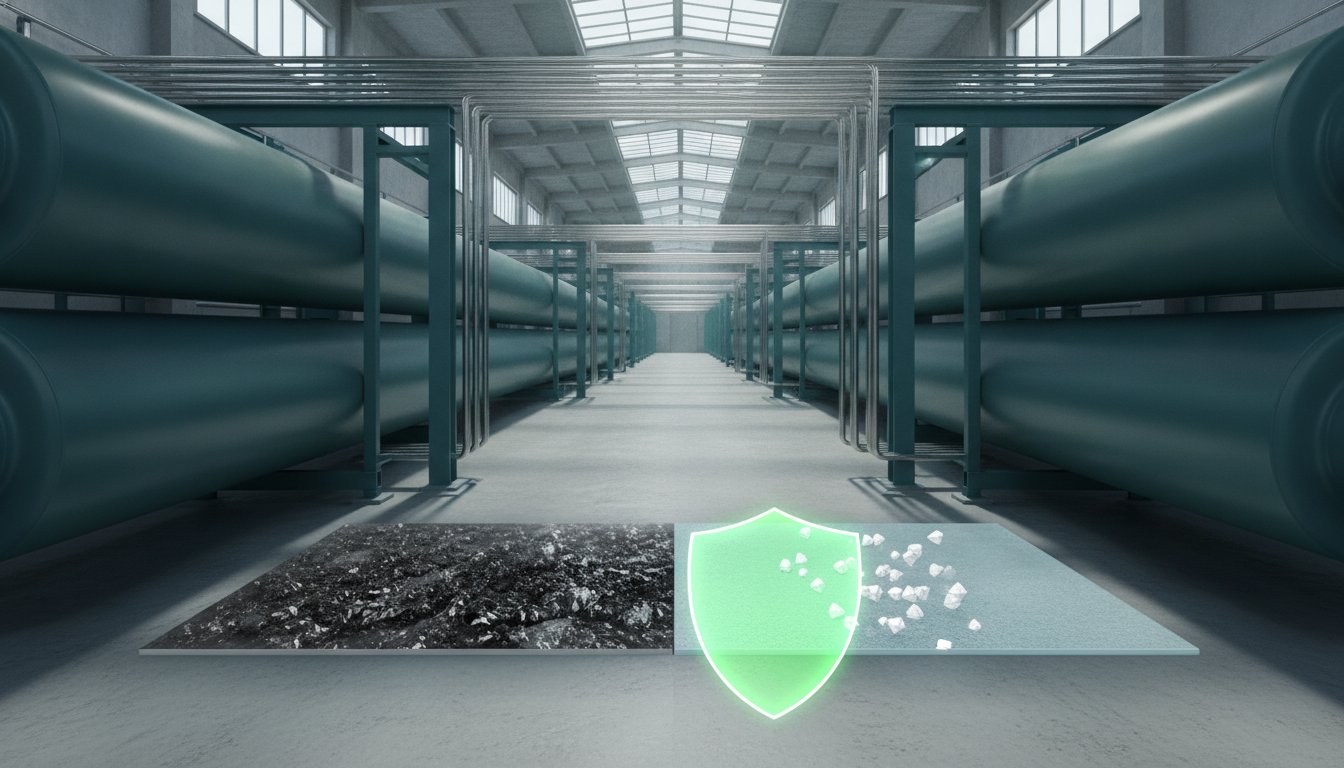
The primary enemy of storage stability is moisture migration. As temperatures fluctuate in storage piles, water vapor moves between granules, dissolving surface salts and forming crystal bridges upon cooling. This microscopic welding process is what leads to caking. Specialized anti-caking agents modify the surface tension of these droplets. This prevents the formation of strong crystalline bonds and maintains product flowability. Additionally, dust suppression is a non-negotiable safety and yield requirement. It protects the workforce from respiratory hazards and ensures that every ton produced reaches the customer rather than being lost to the atmosphere.
Optimizing the Granulation Circuit
Granulation aids are chemical catalysts for mechanical stability. By improving the binding efficiency of the slurry, these additives significantly reduce the "recycle ratio" in the production loop. A lower recycle ratio means less material is sent back through the system for re-processing. This directly reduces energy consumption in the dryer and cooler units, lowering the carbon footprint of the facility. It's a vital component of Fertilizer Plant Process Optimization that hardware alone cannot solve.
Long-Term Stabilization Strategies
Internal treatments provide structural integrity throughout the granule, while external coatings offer a critical barrier against atmospheric moisture. Tailor-made formulations are necessary because a coating designed for dry climates will likely fail in humid regions like the Middle East or Southeast Asia. Adding Fertilizer Coloring Agents serves a dual purpose. It provides clear brand identification for the farmer and allows plant operators to visually monitor dosing consistency during the coating phase. To ensure your facility utilizes the most effective chemical solutions, consider exploring specialized industrial formulations tailored to your specific operational environment.
Hardware Automation vs. Chemical Process Additives
High-end Distributed Control Systems (DCS) and advanced sensors provide essential visibility into production flow. However, mechanical hardware alone cannot alter the fundamental chemical nature of the product. Fertilizer Plant Process Optimization requires a balanced strategy that pairs sophisticated automation with targeted chemical additives. While software manages the volume, chemistry manages the integrity. Relying solely on hardware to solve chemical problems like hygroscopicity is an expensive and often incomplete solution.
The return on investment (ROI) for chemical dosing optimization often outpaces hardware-heavy upgrades. High capital expenditure (CAPEX) on new machinery or complex automation suites may take years to deliver measurable value. Conversely, optimizing the application of anti-caking agents or granulation aids provides immediate operational improvements. This approach allows plant managers to secure product stability and brand reputation without the prohibitive costs of a total mechanical overhaul. It's a pragmatic path to industrial efficiency.
A "Hybrid Approach" represents the modern standard for global leaders. By integrating precise chemical dosing units into existing automated systems, facilities achieve a higher level of control. Mechanical systems can't stop the formation of crystal bridges in a storage pile; only a surface-active chemical barrier can achieve that. By leveraging chemistry as a flexible tool within an automated framework, plants become more resilient to environmental shifts and production fluctuations.
Comparing Optimization Methods
- Hardware: Sensors, automated valves, and energy management systems focus on mechanical throughput and utility consumption.
- Chemical: Anti-caking agents, dust suppressants, and granulation aids focus on the physical properties and stability of the granule itself.
- Service: Technical audits and on-site laboratory testing provide the data necessary to calibrate both hardware and chemical inputs for maximum yield.
The Strategic Advantage of Specialized Additives
Raw material variability is a constant challenge for fertilizer producers. Changes in ore quality or impurities in phosphoric acid can destabilize the granulation process. Chemical additives act as a vital buffer, neutralizing the impact of these inconsistencies. For facilities integrated with extraction sites, utilizing specialized mining solutions is critical. These custom formulations address specific ore impurities, such as those found in phosphate or potash mining, ensuring that the raw material entering the plant is already optimized for high-yield production. This proactive protection is what distinguishes a mere supplier from a global guardian of resource security.
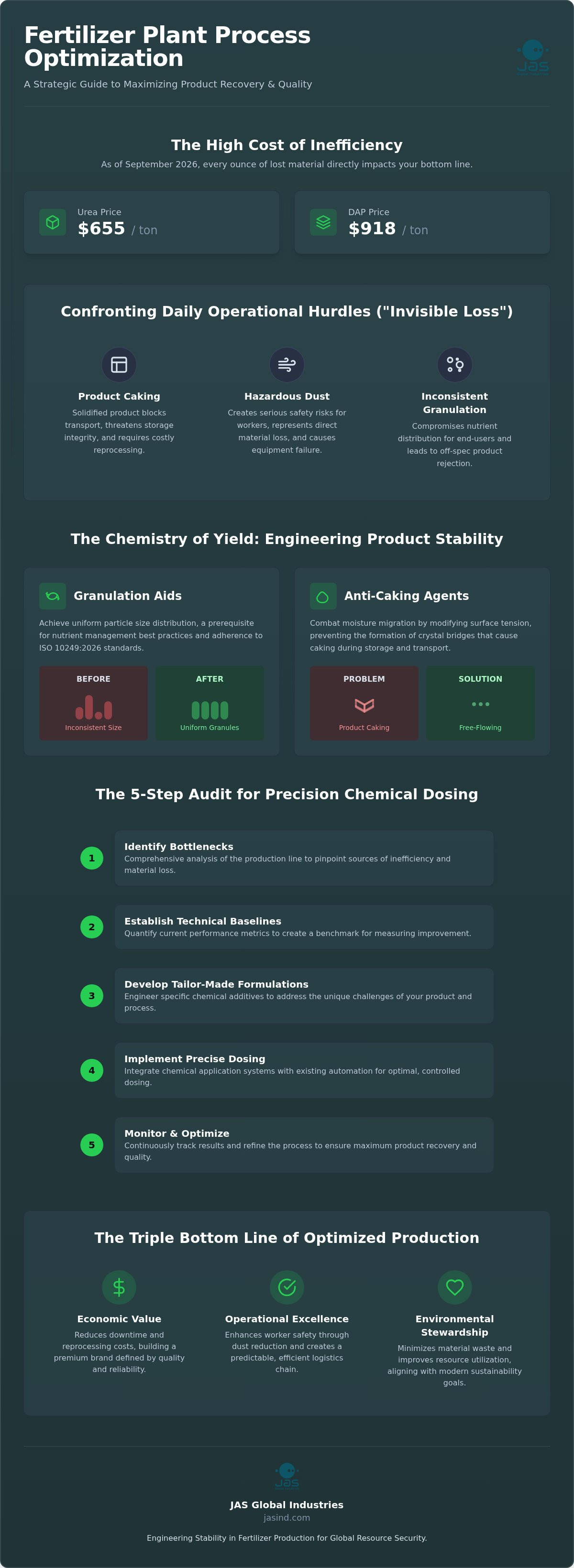
Operational Audit: 5 Steps to Optimize Chemical Dosing
Achieving peak efficiency requires moving beyond high-level strategy into a granular, on-site evaluation of the production floor. Fertilizer Plant Process Optimization is most effective when it bridges the gap between laboratory theory and industrial reality through a structured operational audit. This systematic approach identifies hidden inefficiencies that compromise both yield and product stability. By following a rigorous five-step framework, plant managers can transform their chemical application from a fixed cost into a strategic asset.
- Step 1: Establishing a Technical Baseline. We begin with on-site laboratory testing to determine the current efficacy of all chemical applications. This baseline provides the data necessary to measure future improvements accurately.
- Step 2: Identifying Granulation and Cooling Bottlenecks. Our technical teams analyze the phases where material loss is most prevalent. Identifying these friction points allows for targeted chemical intervention.
- Step 3: Evaluating Dosing Equipment Precision. Even the most advanced additive fails if the delivery system is inconsistent. We assess the reliability of current pumps and nozzles to ensure uniform coverage.
- Step 4: Testing Custom Formulations. We subject tailor-made formulations to simulated climatic storage conditions. This ensures the product remains free-flowing in its specific destination market, whether that's the high humidity of Southeast Asia or the heat of the Middle East.
- Step 5: Implementing Monitoring Protocols. Optimization isn't a one-time event. We establish a continuous adjustment protocol to maintain peak performance as raw material quality fluctuates.
The Role of Technical Consulting
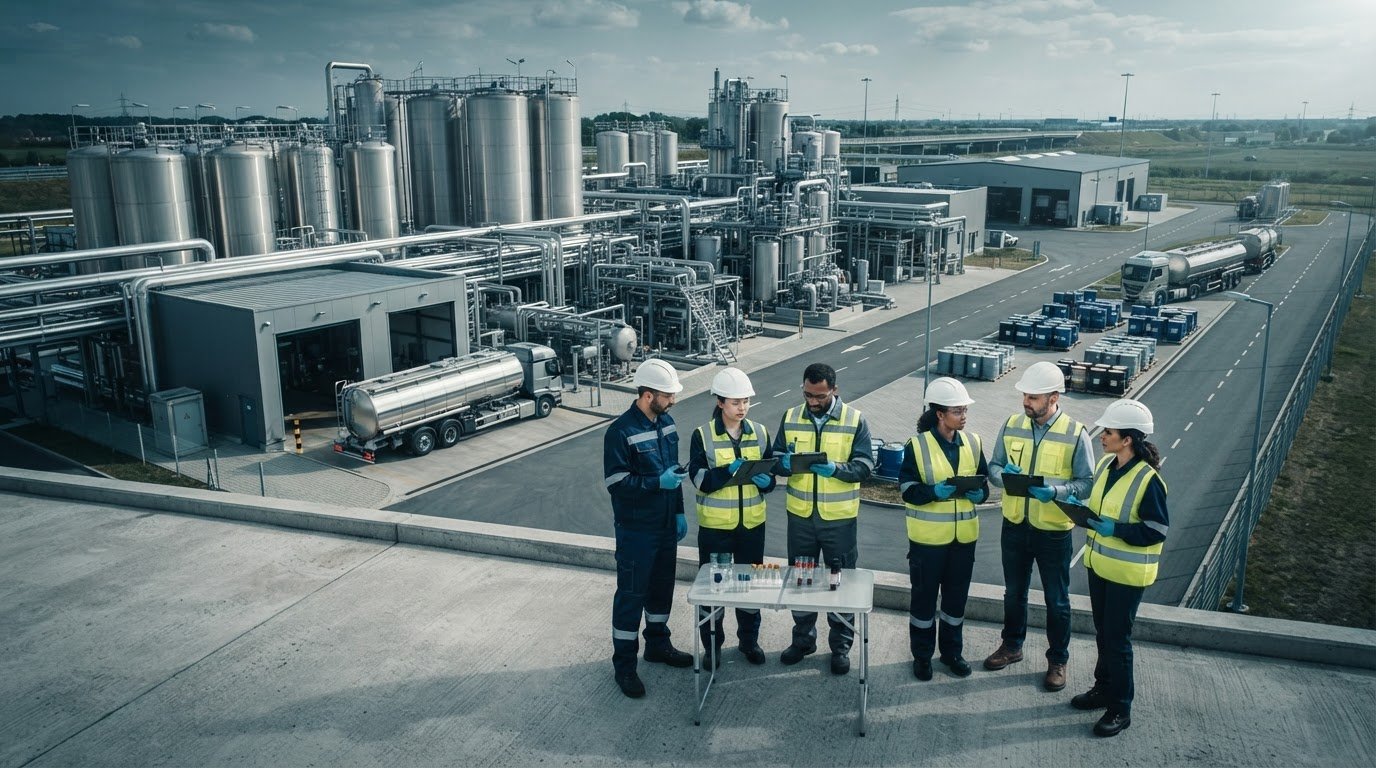
Internal teams are often consumed by the demands of daily output. Third-party audits provide a fresh perspective, uncovering inefficiencies that internal personnel might overlook. A "bench-to-plant" scaling approach is vital; it ensures that successful laboratory results translate perfectly to the factory floor. Precision in this area delivers immediate financial results. For example, a 1% reduction in the recycle ratio can save thousands in energy costs by significantly reducing the load on dryers, coolers, and elevators. You can secure these gains by scheduling a technical process audit with our global consulting team.
Monitoring Yield and Product Stability
Tracking Key Performance Indicators (KPIs) is the only way to ensure long-term operational reliability. A comprehensive quality management plan must include the regular tracking of dust levels and caking indices. Utilizing surfactant chemistry is a critical part of this process. These agents improve the dispersion of coatings across the granule surface, ensuring that every particle is protected against moisture and abrasion. This proactive monitoring reinforces your brand’s reputation for delivering a premium, reliable product to the global market.
JAS Global Industries: Engineering Stability in Fertilizer Production
JAS Global Industries acts as a vital guardian for the world's most essential industries. Since 1998, we've engineered the chemical interfaces that define modern resource security. Our approach to Fertilizer Plant Process Optimization is rooted in a deep understanding of the chemical and mechanical variables that drive industrial success. From our Dubai headquarters, we manage a sophisticated international network with sales offices strategically located across Africa, Asia, and Europe. This presence allows us to provide the local expertise necessary for global reliability.
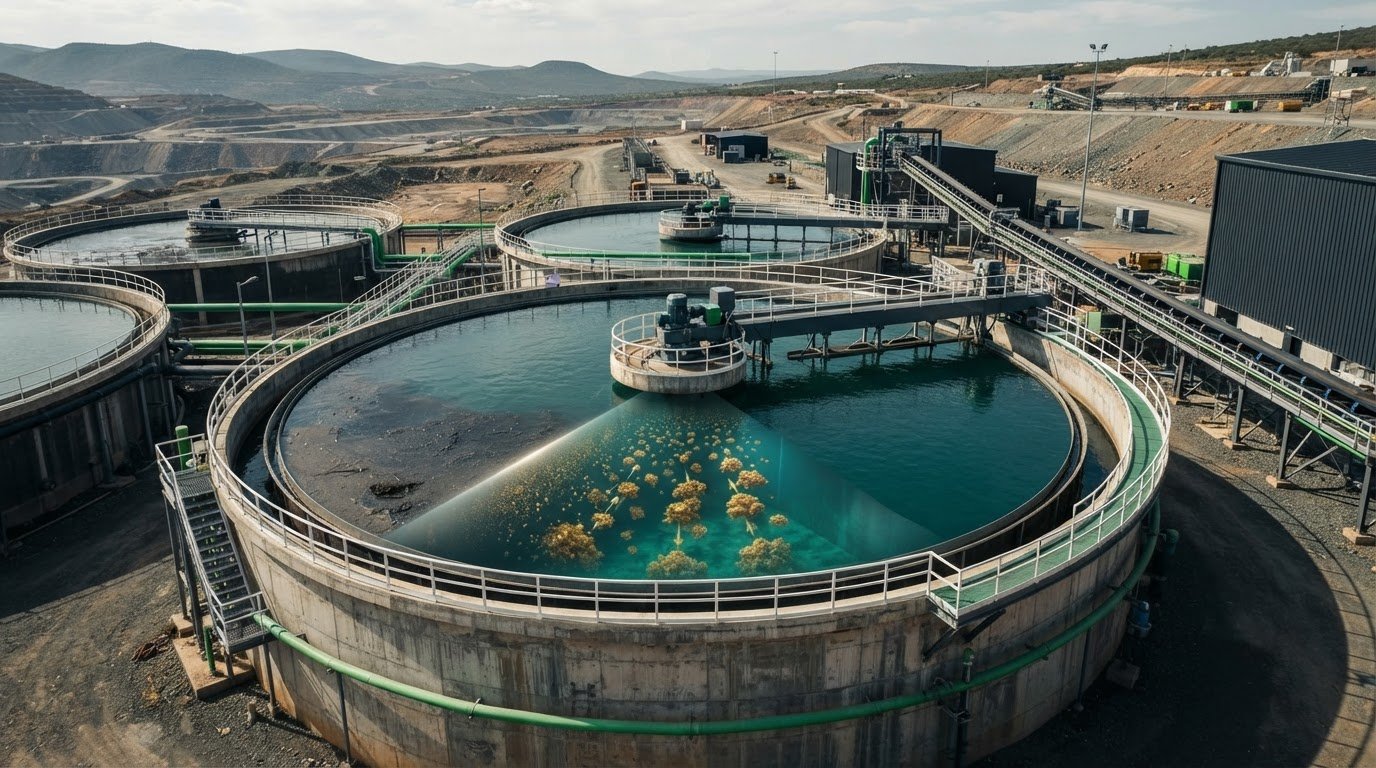
Our history is defined by the development of custom formulations that solve the most persistent plant challenges. We don't believe in generic solutions. Every facility faces unique environmental stressors and raw material inconsistencies. We provide the tailor-made chemistry required to neutralize these risks. Our influence extends beyond the granulation loop; we offer comprehensive integrated solutions for industrial water treatment and mining. By protecting the water and minerals that feed industrial processes, we ensure the long-term stability of the global supply chain.
Tailor-Made Solutions for Complex Ores
Effective resource extraction demands specific reagents for phosphate and potash mining operations. We develop specialized flotation collectors, depressants, and grinding aids that account for the unique mineralogy of every site. Our technical consulting doesn't stop at the laboratory door. We provide on-site technical support and maintain advanced laboratory capabilities to assist our global partners in real-time. This commitment to operational reliability fosters long-term technical partnerships built on mutual trust and shared success. We act as an extension of your engineering team, providing the specialized knowledge required to master complex ore bodies.
The JAS Advantage: Global Reach, Local Expertise
The core of our innovation lies in our Dubai R&I centers. These facilities are dedicated to rapid formulation prototyping, allowing us to respond to emerging plant challenges with unprecedented speed. We understand that in modern manufacturing, supply chain security is just as important as chemical efficacy. Our logistics framework is designed to ensure the stability of bulk chemical supply contracts, providing a buffer against global market volatility. We protect your production, your profitability, and your brand's integrity. Take the next step in securing your facility's performance: Optimize your fertilizer plant with a JAS Global technical audit.
Securing the Future of Industrial Efficiency
True industrial resilience is built on the synergy between mechanical automation and tailor-made chemical stabilization. By addressing the microscopic causes of material loss, such as crystal bridge formation and inconsistent granulation, facilities transform from high-cost operations into essential pillars of global resource security. Fertilizer Plant Process Optimization isn't just a technical upgrade; it's a commitment to the long-term protection of vital resources and brand integrity in a volatile market.
With over 25 years of industrial chemical expertise, JAS Global Industries provides the foundational support necessary for this transformation. Our global R&I centers specialize in custom formulation development, creating solutions that are currently trusted by major fertilizer and mining operations worldwide. We act as a vital guardian, ensuring your product reaches its final destination in peak condition regardless of climatic challenges.
It's time to move beyond reactive maintenance and embrace a proactive strategy for sustainable growth. Partner with JAS Global Industries for Process Optimization to secure your facility's yield and operational reliability. Your plant's maximum potential is waiting to be unlocked.
Frequently Asked Questions
What are the main causes of fertilizer plant inefficiency?
The primary causes of inefficiency include high recycle ratios in the granulation loop, excessive moisture migration, and inconsistent particle size distribution. These factors lead to significant material loss through dusting and off-spec granules. Energy waste is also a major concern; poorly formed granules require more heat for drying and cooling. Addressing these friction points is essential for maintaining the stability of critical global resources.
How do anti-caking agents improve fertilizer plant process optimization?
Anti-caking agents are fundamental to Fertilizer Plant Process Optimization by preventing the formation of crystal bridges between granules. These specialized chemical barriers modify the surface tension of moisture droplets. This prevents the microscopic welding that causes product solidification during storage and maritime transport. By ensuring a free-flowing product, facilities protect their brand reputation and reduce the need for costly re-processing of hardened material.
Can chemical additives reduce energy consumption in fertilizer manufacturing?
Yes, chemical additives directly lower energy consumption by improving the efficiency of the granulation circuit. Granulation aids reduce the recycle ratio, meaning less material is sent back through the dryers and coolers. This optimization reduces the thermal load on the plant's utility systems. Efficient granule formation also allows for faster drying at lower temperatures, significantly cutting the carbon footprint of the production cycle.
What is the difference between a granulation aid and an anti-caking agent?
A granulation aid is used during the production phase to improve the binding and shape of the particle. It acts as a catalyst for mechanical stability in the slurry. In contrast, an anti-caking agent is applied to the finished granule to prevent moisture-related bonding during storage. While one ensures the integrity of the granule's formation, the other protects its flowability throughout the supply chain.
How often should a fertilizer plant undergo a technical process audit?
Facilities should ideally undergo a technical process audit at least once a year or whenever there's a significant change in raw material quality. Since ore impurities and environmental conditions fluctuate, regular audits ensure that chemical dosing remains precise. These evaluations identify emerging bottlenecks in the cooling and granulation phases. Continuous monitoring allows for the rapid prototyping of tailor-made formulations to maintain peak operational reliability.
Is it possible to customize fertilizer coloring agents for specific markets?
Yes, fertilizer coloring agents are frequently customized to meet specific brand requirements and regional market preferences. Beyond simple aesthetics, these additives serve as a tool for process control. Operators use visual cues to monitor the uniformity of chemical coatings on the production line. Custom colors help distinguish premium products in the field, ensuring that the brand is easily recognized by farmers and distributors globally.
How does dust suppression impact the overall yield of a fertilizer plant?
Dust suppression significantly increases total yield by capturing material that would otherwise be lost to the atmosphere. Excessive dusting represents a direct loss of finished product and creates significant safety hazards for the workforce. Effective suppression ensures that every ton of nutrient produced remains within the bag or bulk shipment. This protection of material integrity is a core component of Fertilizer Plant Process Optimization and resource security.
What role does water treatment play in fertilizer plant optimization?
Water treatment is a strategic necessity for protecting the critical infrastructure within a manufacturing facility. Scale inhibitors and corrosion inhibitors ensure that boilers and cooling towers operate at peak efficiency without unplanned downtime. By managing the water quality, plants prevent the degradation of heat exchangers and other vital hardware. This integrated approach to chemical management supports the overall reliability and longevity of the entire manufacturing operation.