
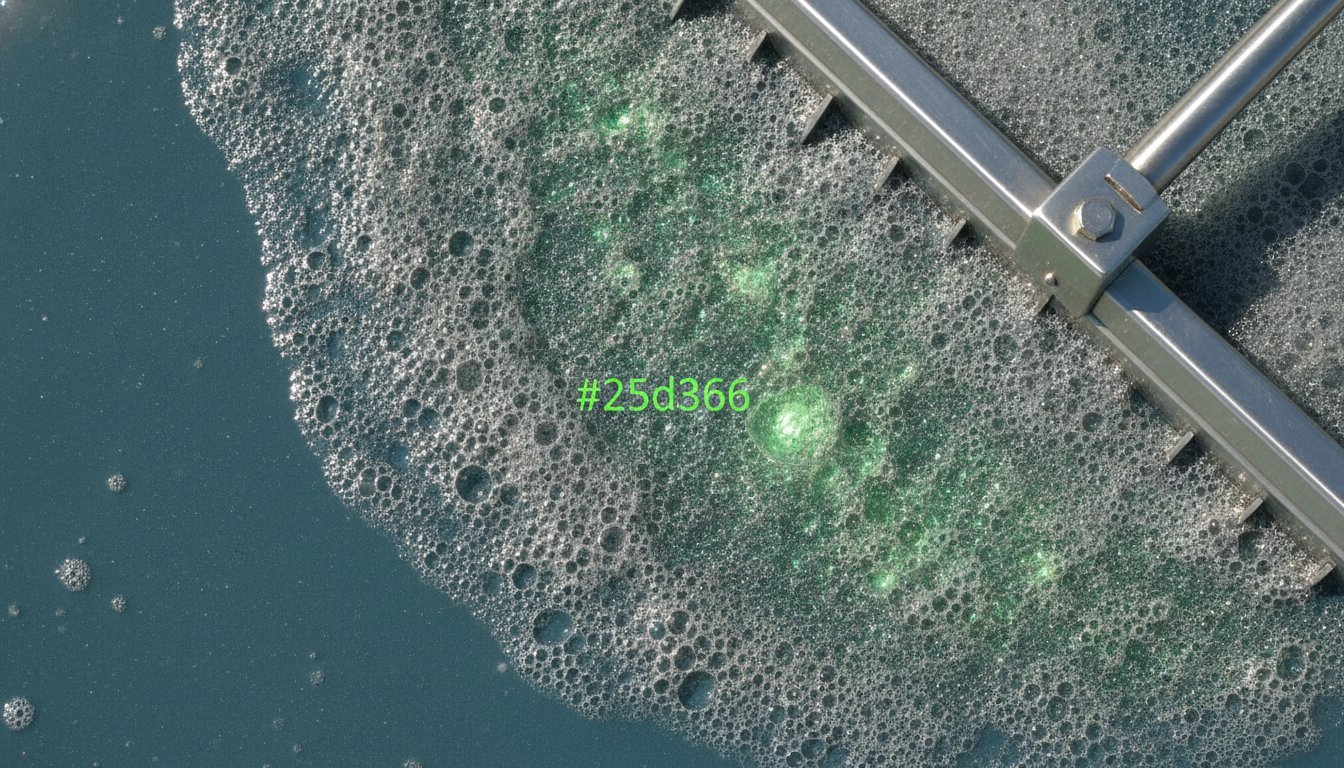
The future of global resource security isn't found in easier deposits; it's hidden within the complex, low-grade ores we once ignored. As high-grade veins deplete, your ability to selectively reject gangue becomes the deciding factor in operational viability. You likely feel the strain of rising reagent costs and the tightening grip of environmental regulations on traditional inorganic options. It's a frustrating balance to maintain. Mastering the use of depressants in mineral flotation is no longer just a technical requirement. It's a strategic necessity for protecting your recovery margins and ensuring long-term process stability.
This guide provides a deep dive into the chemical mechanisms and industrial applications of modern depressants. You'll learn how to optimize ore selectivity and maximize concentrate grade even in the most challenging mineralogies. We'll examine the shift toward sustainable organic alternatives, which now hold 62.4% of the market share, and provide actionable strategies for reducing reagent consumption. From understanding surface chemistry to implementing tailored dosing in variable feeds, this article prepares you to transform your flotation circuit into a reliable pillar of production.
Key Takeaways
- Understand why depressants in mineral flotation are essential for maintaining economic viability as global ore grades decline and mineralogy becomes more complex.
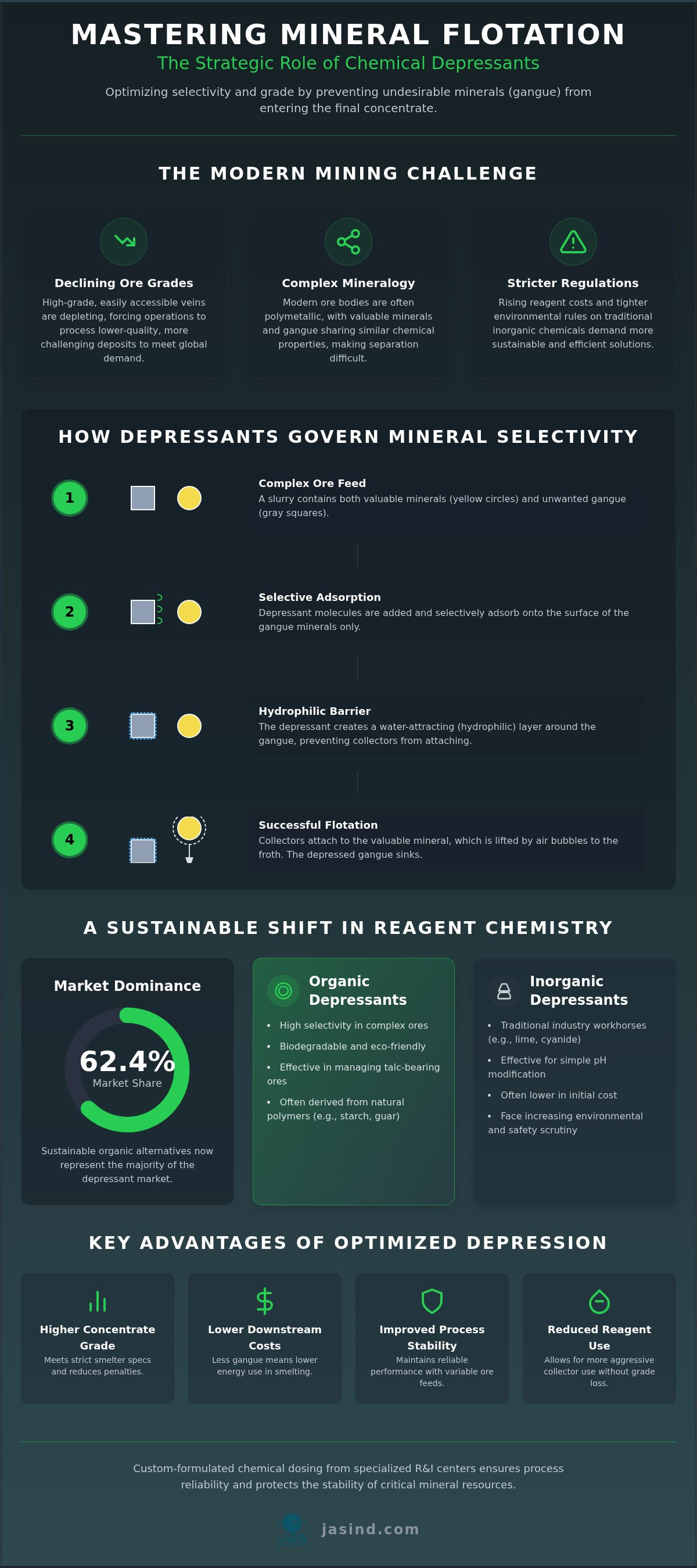
- Master the chemical adsorption mechanisms that create hydrophilic barriers, preventing collectors from attaching to undesired gangue minerals.
- Compare traditional inorganic workhorses with modern organic alternatives to balance high-performance selectivity with stringent environmental regulations.
- Implement a strategic selection process using mineralogical analysis to identify specific inhibitors that reduce reagent consumption and stabilize recovery.
- Discover how custom-formulated chemical dosing from specialized R&I centers ensures process reliability and protects the stability of critical mineral resources.
The Critical Role of Depressants in Modern Froth Flotation
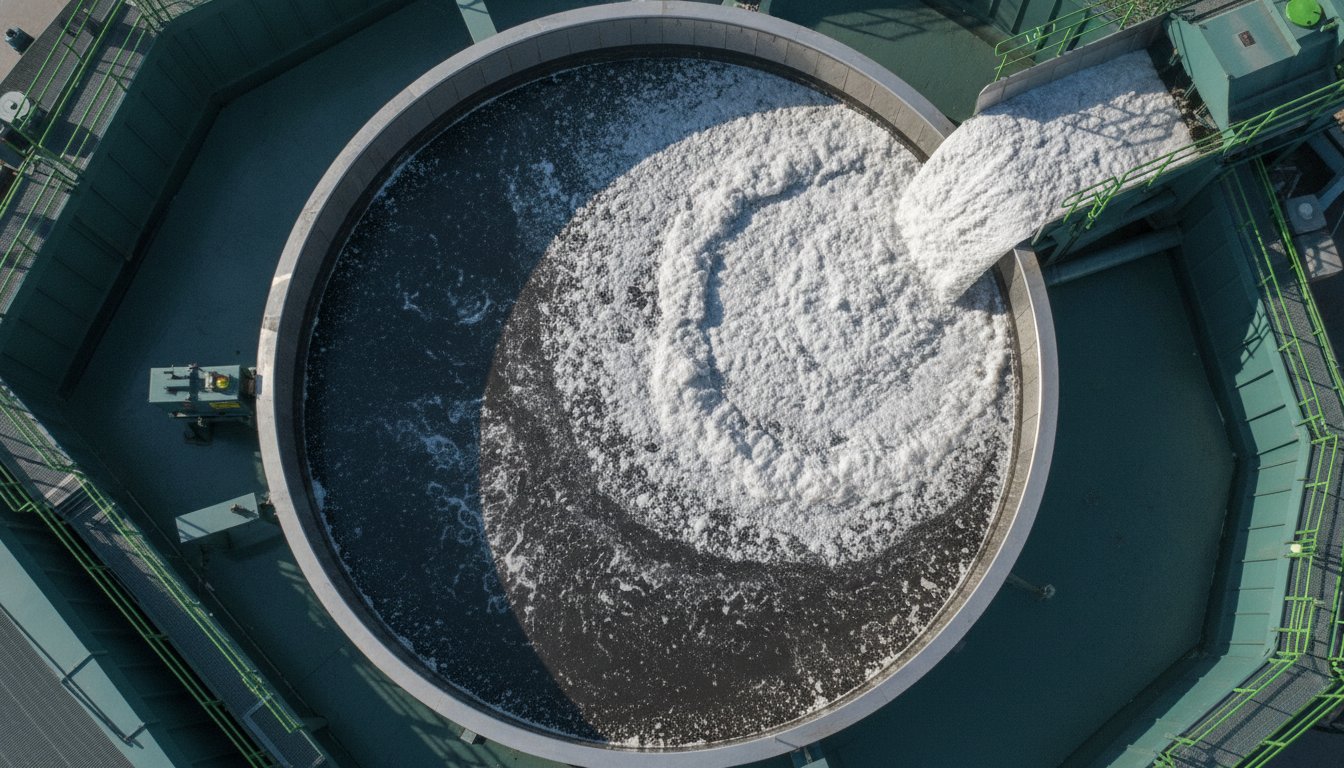
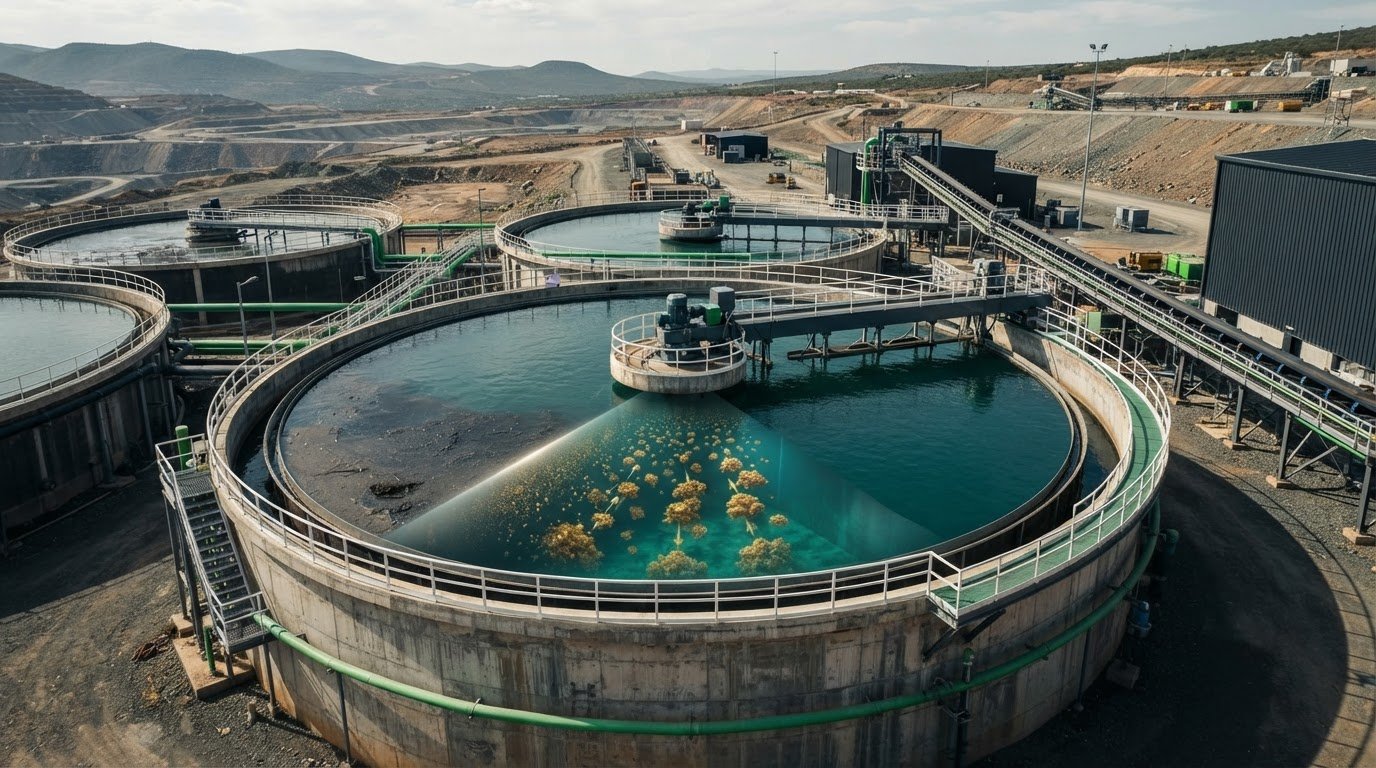
The Froth flotation process relies on the delicate interplay of surface chemistry. Success is defined by what we leave behind as much as what we recover. Depressants are specialty reagents that selectively prevent collectors from attaching to undesired gangue minerals. As global ore grades decline, the "selectivity challenge" has become a central hurdle for every modern mine operator. We're no longer processing high-grade, easily liberated veins. Today's feeds are complex. They require the strategic use of depressants in mineral flotation to act as the primary fine-tuning mechanism of the circuit. This isn't just about chemistry. It's about providing mining solutions for global resource security by making difficult deposits economically viable.
Selectivity vs. Recovery: The Balancing Act
High recovery figures mean nothing if the concentrate grade fails to meet strict smelter specifications. Without effective depression, operators are often forced to limit collector dosages. They do this to avoid pulling gangue into the froth. This caution often leads to valuable mineral losses in the tailings. Depressants change this dynamic entirely. They allow for more aggressive collector concentrations while ensuring the final product remains within purity limits. When you improve depressant efficiency, you directly reduce downstream processing costs. Lower gangue levels mean less energy spent on smelting. It results in fewer penalties from the refinery. It's a clear path to process reliability and long-term stability.
Addressing the Challenge of Complex Ore Bodies
Modern mineralogy is increasingly stubborn. Traditional pH modifiers, once the standard for controlling flotation behavior, are often insufficient for polymetallic or highly weathered ores. Many minerals share nearly identical flotation characteristics. Separation through simple alkalinity adjustments is often impossible in these environments. In these scenarios, depressants in mineral flotation provide the surgical precision needed to distinguish between chemically similar surfaces. They are vital for separating pyrite from chalcopyrite or managing talc-bearing ores. Mineral depression is a strategic process of selective surface modification. By creating a hydrophilic layer on unwanted particles, these chemicals protect the integrity of the target mineral stream. This level of control is essential for maintaining stable performance even when facing highly variable ore feeds.
Mechanisms of Action: How Chemical Depressants Govern Mineral Selectivity
The effectiveness of depressants in mineral flotation is dictated by their ability to manipulate the mineral-water interface. This isn't just a chemical addition; it's a strategic intervention. The primary mechanism involves the adsorption of depressant molecules onto the gangue surface. This process creates a stable, hydrophilic layer. Once coated, these particles attract water molecules rather than air bubbles. This prevents the bubble-particle attachment required for flotation. Surface oxidation plays a critical role here. Oxidized surfaces often present different active sites, which can either enhance or hinder depressant efficacy. Advanced formulations target specific crystal lattices to ensure that only the intended minerals are inhibited. By understanding these molecular interactions, operators can master the use of depressants in mineral flotation to maintain grade stability despite fluctuating feed quality.
Surface Hydration and Hydrophilicity
Depressants transform naturally hydrophobic or collector-activated minerals into water-loving surfaces. This transformation is essential for preventing gangue from entering the concentrate. The process often involves the use of dispersant agents to ensure the reagents reach every particle surface without interference. In modern circuits, researchers are increasingly looking toward biodegradable polymers. A recent Review of Eco-Friendly Depressants highlights how these large molecules wrap around mineral surfaces to provide robust hydration barriers. This structural shielding is a vital component of process stability. It prevents the mineral from ever becoming "floatable," effectively locking it in the pulp phase. Proper hydration ensures that even fine gangue particles remain suppressed throughout the cleaning stages.
Competitive Adsorption and Site Blocking
Flotation is a chemical battle for the mineral surface. Collectors and depressants compete for the same active sites. Timing and dosing order are critical factors in this competition. If a collector attaches first, the depressant must have enough chemical energy to displace it. Bonding mechanisms vary depending on the reagent type:
- Ionic bonding: Utilizes strong electrostatic attraction to secure reagents to charged mineral surfaces.
- Covalent bonding: Involves the sharing of electrons for a more permanent and selective attachment.
- Hydrogen bonding: Common in organic polymers, using polar groups to anchor onto hydrated mineral faces.
Effective depression requires a higher affinity for the gangue surface than the collector. This competitive inhibition is the foundation of selectivity. When the depressant "wins" the site, it blocks the collector from creating a hydrophobic patch. For those seeking to optimize their circuit, consulting with experts on tailored mining depressants can provide the necessary technical edge. This precision ensures that reagent consumption remains low while concentrate quality stays at peak levels.
Classification of Depressants: Organic vs. Inorganic Agents
The landscape of depressants in mineral flotation is divided between established inorganic salts and emerging organic polymers. Inorganic agents like cyanides and silicates have served as the industry's traditional workhorses for decades. They offer high precision but come with significant safety and environmental burdens. In contrast, organic depressants such as starch, dextrin, and CMC represent a modern, sustainable evolution. According to 2025 market data, organic depressants now account for 62.4% of the global market share by type. This shift reflects a broader commitment to resource protection and operational safety. Specialized surfactant modifiers further enhance these categories by improving reagent distribution and surface wetting across variable ore feeds.
Inorganic Depressants: Power and Precision
Inorganic reagents provide powerful chemical suppression for specific mineral groups. Sodium Cyanide remains the standard for separating gold and copper, though its high toxicity requires rigorous handling protocols. Zinc Sulfate and Sodium Silicate are essential for depressing sphalerite in lead-zinc circuits and inhibiting silica gangue. These salts are also critical in managing complex sulfide mineral surfaces during H2S treatment. While effective, high reagent consumption and the potential for environmental contamination drive many modern operations to seek cleaner alternatives. The precision of these agents is undeniable, yet the operational risk they introduce is a constant concern for safety-conscious plant managers.
Organic Depressants: The Sustainable Evolution
Polysaccharides like starch and guar gum are rapidly becoming industry standards due to their low toxicity and high efficiency. These organic agents are particularly effective in phosphate mining and potash beneficiation, where they selectively inhibit carbonate and silicate impurities. Unlike inorganic salts, custom organic formulations are often biodegradable. This reduces the long-term environmental impact of tailings management and simplifies water recycling processes. Tannins and cellulose-based derivatives offer unique selectivity for suppressing specific gangue minerals in polymetallic ores. By leveraging these sustainable options, mines can achieve high concentrate grades without compromising their social and environmental responsibility. This transition to organic depressants in mineral flotation isn't just a regulatory response; it's a strategic move toward more resilient and efficient mineral processing.
Strategic Selection and Process Optimization
Choosing the right depressants in mineral flotation requires a rigorous, data-driven framework. Off-the-shelf solutions often fail because they ignore the unique mineralogical DNA of a specific ore body. To secure long-term process stability, operators must follow a structured selection process:
- Step 1: Conduct a thorough mineralogical analysis using XRD and SEM to understand mineral associations and liberation sizes.
- Step 2: Identify the primary gangue minerals that require inhibition, such as talc, pyrite, or silica.
- Step 3: Evaluate the local water chemistry and pH requirements, as these factors significantly impact reagent stability and adsorption kinetics.
- Step 4: Execute laboratory-scale bench flotation tests to establish a baseline dosage and verify selectivity.
- Step 5: Implement real-time monitoring and periodic technical audits to adjust for the natural variability of the ore feed.
This systematic approach ensures that chemical interventions are precise and cost-effective. By grounding decisions in hard data, mines can protect their recovery targets while minimizing reagent waste.
The Role of Technical Audits and Lab Testing
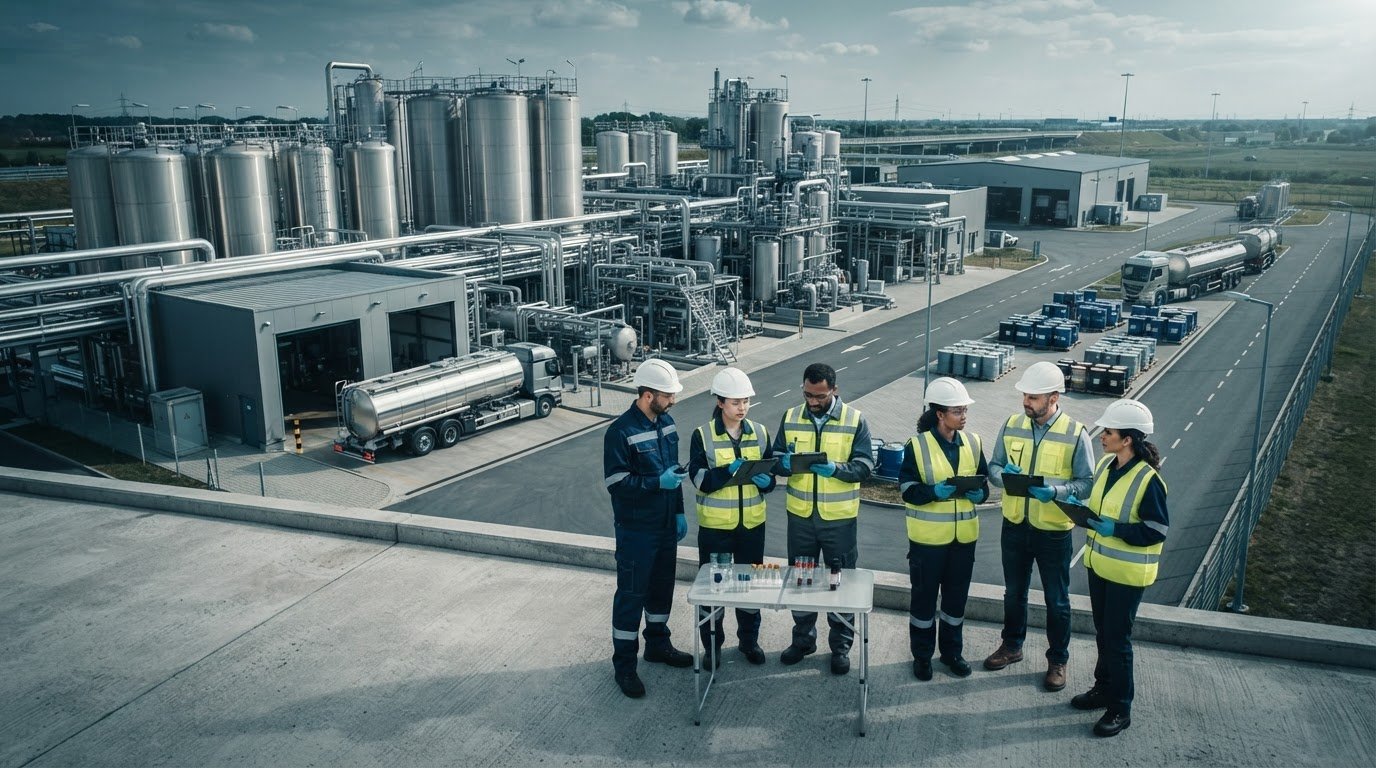
On-site laboratory testing is the backbone of any "tailor-made" chemical strategy. Ore bodies are not static. As a mine pit progresses into different zones, the mineralogy shifts. What worked for the oxidized cap will likely fail in the primary sulfide zone. Periodic re-evaluation is mandatory. While some view technical consulting fees as an added expense, these investments often save millions in avoided reagent waste and recovered product. Technical audits provide a clear picture of circuit health. They identify bottlenecks where poor depression might be diluting the final concentrate. For operators looking to stabilize their performance, engaging in specialized laboratory testing and technical consulting is a vital step toward operational excellence.
Managing Reagent Interactions
The flotation circuit is a complex chemical ecosystem. Collectors, frothers, and depressants in mineral flotation must work in synergy. A common mistake is "over-depression," where an excessive dosage of inhibitor begins to blind the target mineral's active sites. This leads to a sharp decline in recovery. To avoid this, operators must optimize the point of addition. Adding depressants earlier in the conditioning stage often provides the contact time necessary for full surface coverage. This prevents collectors from mistakenly attaching to gangue. Balancing these interactions requires a deep understanding of surface chemistry and a commitment to continuous process refinement.
Advanced Mining Solutions: The JAS Global Approach to Mineral Recovery
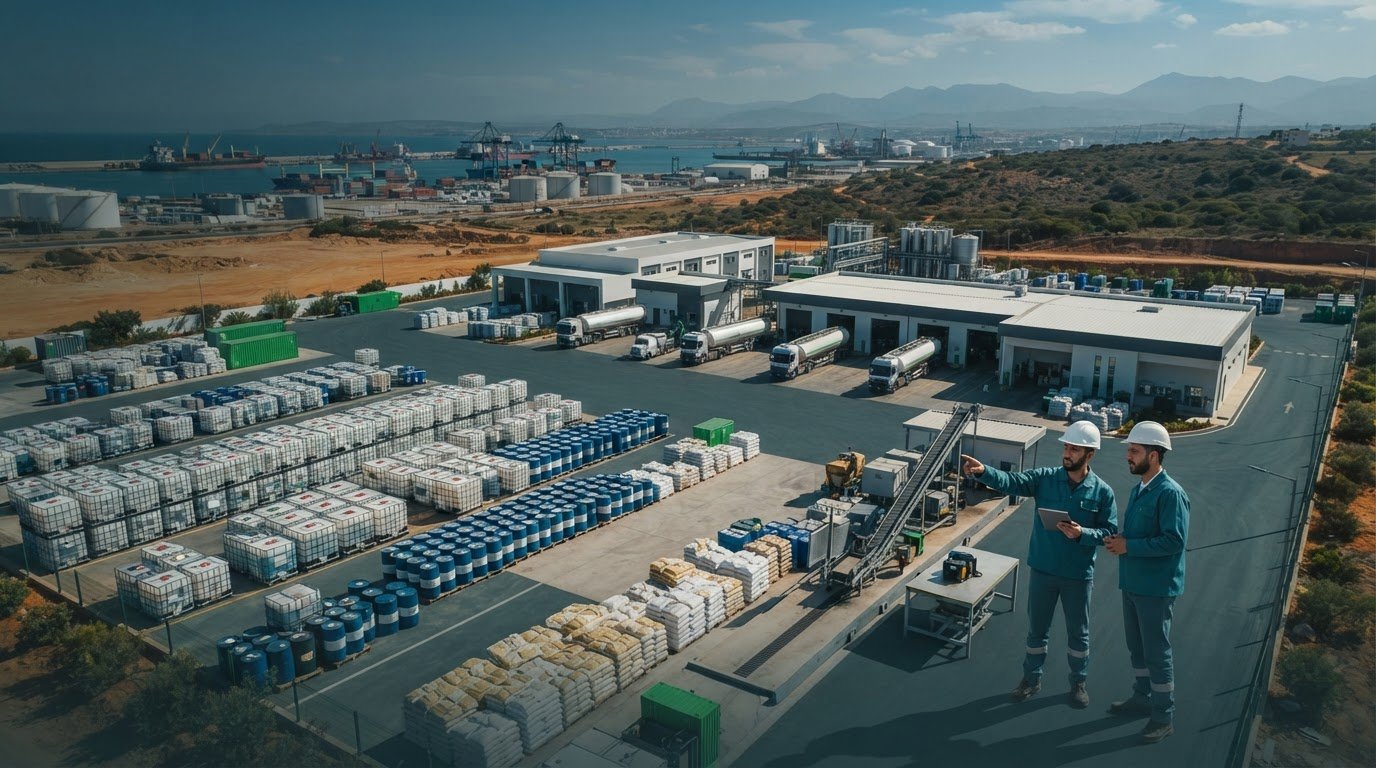
Since 1998, JAS Global Industries has acted as a vital guardian of resource efficiency. We operate as a strategic partner in global resource security. Our mission transcends simple chemical supply; we focus on long-term process reliability and the protection of critical mineral resources. Headquartered in Dubai, our global logistics network ensures steady delivery across Europe, Asia, Africa, and the Middle East. This infrastructure provides the stability needed for large-scale industrial operations. We don't just sell products. We build partnerships rooted in technical excellence and ethical purpose. This commitment to stability makes us an indispensable pillar of modern mining infrastructure.
Custom Formulations for Unique Ore Challenges
Every mine site presents a distinct chemical puzzle. Our multiple R&I centers specialize in developing tailor-made depressants in mineral flotation to address specific mineralogical challenges. In phosphate mining and potash beneficiation, our custom formulations allow for the precise rejection of carbonates and silicates. We take a holistic view of the beneficiation process. This includes integrating our Mining Depressants with grinding aids and flocculants. This additive approach builds a comprehensive picture of resource protection. It ensures that every stage of the circuit contributes to maximum grade optimization and reduced reagent waste. We prioritize sustainable and cost-effective chemical technologies that respect both the environment and your bottom line.
Global Expertise, Local Support
Technical consulting is the heartbeat of our service model. We maintain sales and service offices in key mining regions to provide immediate, on-site support. Our experts conduct detailed technical audits to improve industrial plant yields. This physical presence ensures that our depressants in mineral flotation are dosed correctly for the specific ore feed of the day. We offer on-site laboratory testing as a value-add service. It helps operators navigate the transition from laboratory baselines to full-scale production. By focusing on long-term partnerships rather than one-off transactions, we provide the security and stability required by the world's most critical industries. Partner with JAS Global Industries for optimized mining chemical solutions to secure your operational future.
Securing Future Yields Through Chemical Precision
The transition toward more complex, low-grade ore bodies requires a fundamental shift in mineral processing strategy. Success no longer depends on simple recovery; it relies on the surgical selectivity provided by advanced chemistry. By mastering the application of depressants in mineral flotation, you protect your concentrate grade from the interference of stubborn gangue minerals. This strategic control is the only way to maintain economic viability in an increasingly demanding global market. It's a commitment to long-term stability and process excellence.
Reliability is built on expertise and established trust. Since 1998, we've helped operators navigate these challenges through custom chemical dosing strategies developed in our global R&I centers. Whether you require specialized solutions for phosphate and potash mining or sustainable organic alternatives, we provide the technical foundation for your success. Explore Advanced Mining Chemical Solutions with JAS Global Industries to stabilize your production and secure your operational future. Your path to optimized mineral recovery starts with a partnership focused on reliability and precision.
Frequently Asked Questions
What is the primary function of a depressant in mineral flotation?
Depressants function by rendering the surface of unwanted gangue minerals hydrophilic, or water-loving. This chemical modification prevents collectors from attaching to these specific particles. While collectors aim to make target minerals float, depressants ensure that impurities remain in the pulp phase. This dual action is essential for achieving high concentrate grades in complex ore bodies. Without these reagents, the final product would be contaminated by low-value minerals, making downstream refining economically impossible.
Can organic depressants replace inorganic ones like cyanide?
Organic alternatives are increasingly capable of replacing traditional inorganic agents in various applications. Polysaccharides and cellulose-based polymers offer high selectivity without the extreme toxicity of cyanides. However, the transition requires precise formulation and testing at specialized R&I centers to match the performance of legacy chemicals. Organic options now hold 62.4% of the market share, reflecting a global shift toward safer and more sustainable mineral processing practices that protect both workers and the environment.
How does pH affect the performance of flotation depressants?
The pH level of the flotation pulp dictates the surface charge of the minerals and the ionization of the reagents. Most depressants in mineral flotation have an optimal pH range where their adsorption kinetics are most efficient. If the pH is too high or too low, the chemical stability of the depressant might degrade, or the target mineral might inadvertently become inhibited. Maintaining a stable pH environment is a critical component of process reliability and consistent grade recovery.
What are the most common depressants used in phosphate mining?
Phosphate beneficiation typically relies on organic depressants such as starch, guar gum, and various tannins to inhibit carbonate and silicate gangue. These reagents are preferred because they effectively suppress impurities while remaining compatible with the fatty acid collectors used in these circuits. Tailor-made formulations are often necessary to handle the specific clay content found in different deposits. Using these specialized organic agents helps operators achieve the high grades required for fertilizer production.
How do you determine the correct dosage for a mining depressant?
Determining the optimal dosage begins with a detailed mineralogical analysis to identify the volume of gangue minerals present. Following this, laboratory-scale bench flotation tests establish a baseline for reagent consumption. It's vital to avoid over-dosing, which can lead to the accidental depression of the target mineral. Continuous real-time monitoring and periodic technical audits are then used to fine-tune the dosage as the ore feed changes, ensuring maximum efficiency and minimal chemical waste.
Can depressants be used in both AC and DC flotation circuits?
Depressants are effective across various flotation environments, including those utilizing electrochemical potential control to manage mineral surfaces. In circuits where the pulp potential is actively managed to distinguish between different sulfide minerals, depressants provide an additional layer of selectivity. They work in tandem with potential control to ensure that only the desired surfaces remain hydrophilic. This integrated approach is particularly useful for separating complex polymetallic ores where traditional chemical separation alone might not reach purity levels.
What is the difference between a depressant and a dispersant in mining?
A depressant specifically targets the surface chemistry of a mineral to make it water-loving and prevent it from floating. In contrast, a dispersant is used to prevent fine particles from clumping together or coating larger mineral grains. While they perform different roles, they often work together in the flotation circuit. Dispersants ensure that the mineral surfaces are clean and accessible, allowing the depressant molecules to adsorb more effectively and provide uniform protection against collector attachment.
How do depressants improve the environmental profile of a mine?
Modern depressants improve environmental performance by replacing hazardous inorganic salts with biodegradable organic alternatives. This shift reduces the toxicity of tailings ponds and simplifies the process of water recycling within the plant. By improving the selectivity of the flotation process, these reagents also decrease the volume of waste generated per ton of concentrate produced. This focus on sustainable chemistry aligns with the industry's broader mission to act as a responsible guardian of global resources.