
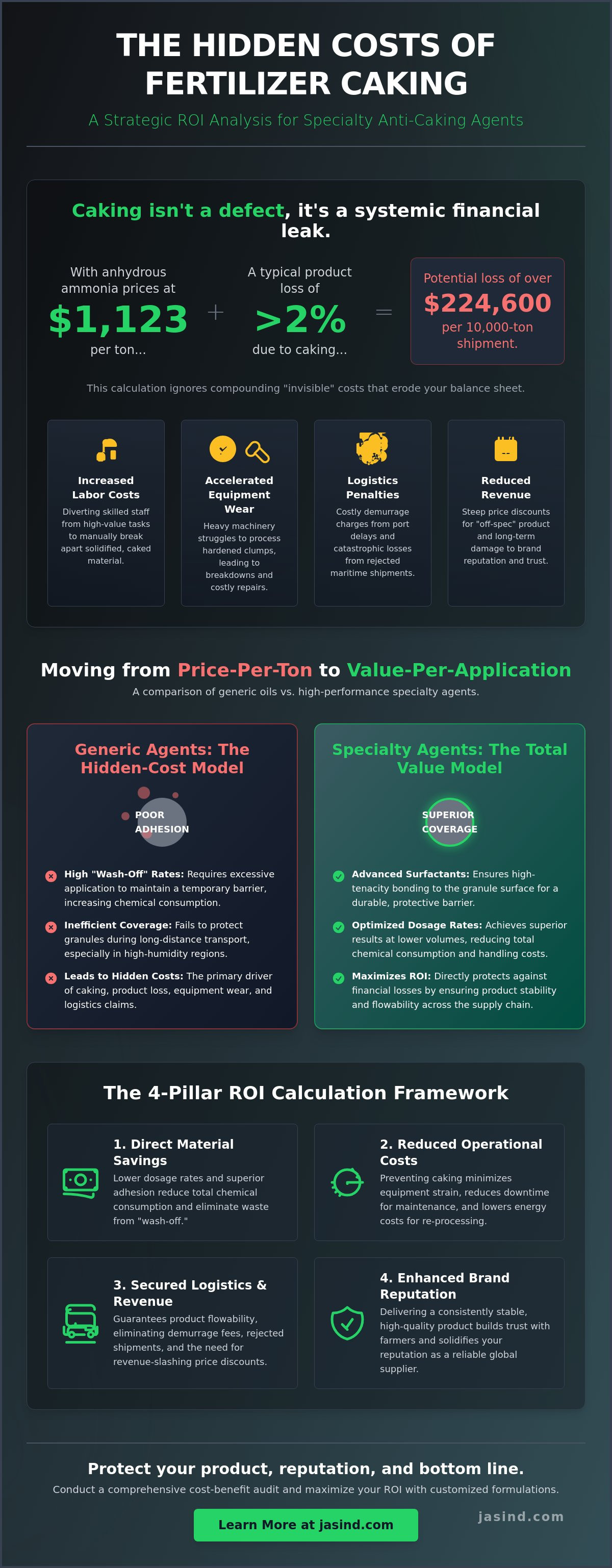
What if the apparent savings achieved through a lower chemical price-per-ton are actually the primary driver of your terminal downtime and maritime insurance claims? With anhydrous ammonia prices surging to $1,123 per ton in April 2026, the financial risk of a caked shipment has reached a critical threshold. Many producers find that calculating ROI on anti-caking agents is difficult because the most significant losses occur in the invisible gaps of the global supply chain. You don't just lose product when it cakes; you lose the trust of the farmers who depend on your reliability.
You recognize that product stability is the foundation of a resilient global brand. This guide provides the strategic tools you need to quantify the financial impact of your specialty chemical investments and present a clear, data-driven formula to your CFO. We'll examine how precision coating technology reduces product loss during maritime transport and secures your reputation as a stable pillar of modern agricultural infrastructure. It's time to move beyond transactional metrics and focus on the long-term protection of your most valuable resources.
Key Takeaways
- Identify "invisible" financial leaks within your logistics chain, including equipment wear and the labor costs associated with breaking product cakes.
- Master a strategic framework for calculating ROI on anti-caking agents that prioritizes total value-per-application over simple chemical price-per-ton.
- Evaluate the performance disparity between generic oils and advanced surfactants to ensure your product maintains flowability throughout global transport.
- Follow a practical, 5-step audit process to quantify current losses and justify the shift toward high-performance specialty chemicals.
- Learn how customized formulations protect your brand reputation by securing the stability of critical agricultural resources.
The Hidden Costs of Fertilizer Caking on Your Balance Sheet
Caking is often dismissed as a surface-level defect. In reality, it represents a systemic financial leak that erodes margins at every stage of the supply chain. When hygroscopic granules absorb atmospheric moisture, they form chemical bonds that compromise flowability and physical integrity. This physical degradation is the primary obstacle when calculating ROI on anti-caking agents. These specialty chemicals function as a vital form of insurance; they protect the physical security of the product and the financial stability of the producer. Understanding what is an anti-caking agent? involves recognizing its role as a protective barrier against environmental volatility and resource waste.
Invisible costs accumulate quickly when product stability fails. Laborers must be diverted from high-value tasks to manually break apart solidified material. Heavy machinery experiences accelerated wear and tear as it struggles to process hardened clumps. Additionally, the mechanical agitation required to restore flowability creates excessive dust, which represents a direct loss of sellable material. These operational inefficiencies are not just minor inconveniences; they are direct drains on your corporate balance sheet.
Product Loss and Re-processing Expenses
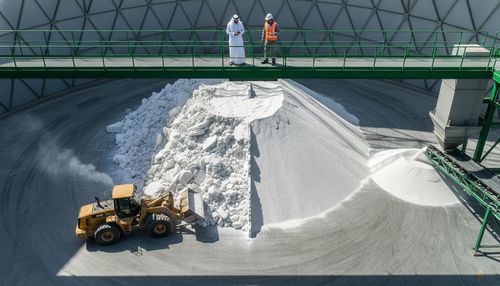
Caking forces producers into a cycle of reactive spending. When fertilizer arrives as a solid mass, it requires intensive labor and mechanical intervention to discharge. This process generates significant dust, leading to material losses that often exceed 2% of the total shipment volume. Energy costs spike when caked material must be re-ground or re-processed to meet particle size specifications. Beyond the operational expense, "off-spec" product frequently requires steep price discounts to move through the market. These discounts directly reduce total revenue and can undermine the perceived value of a premium brand in a competitive global market.
Logistics and Maritime Claims
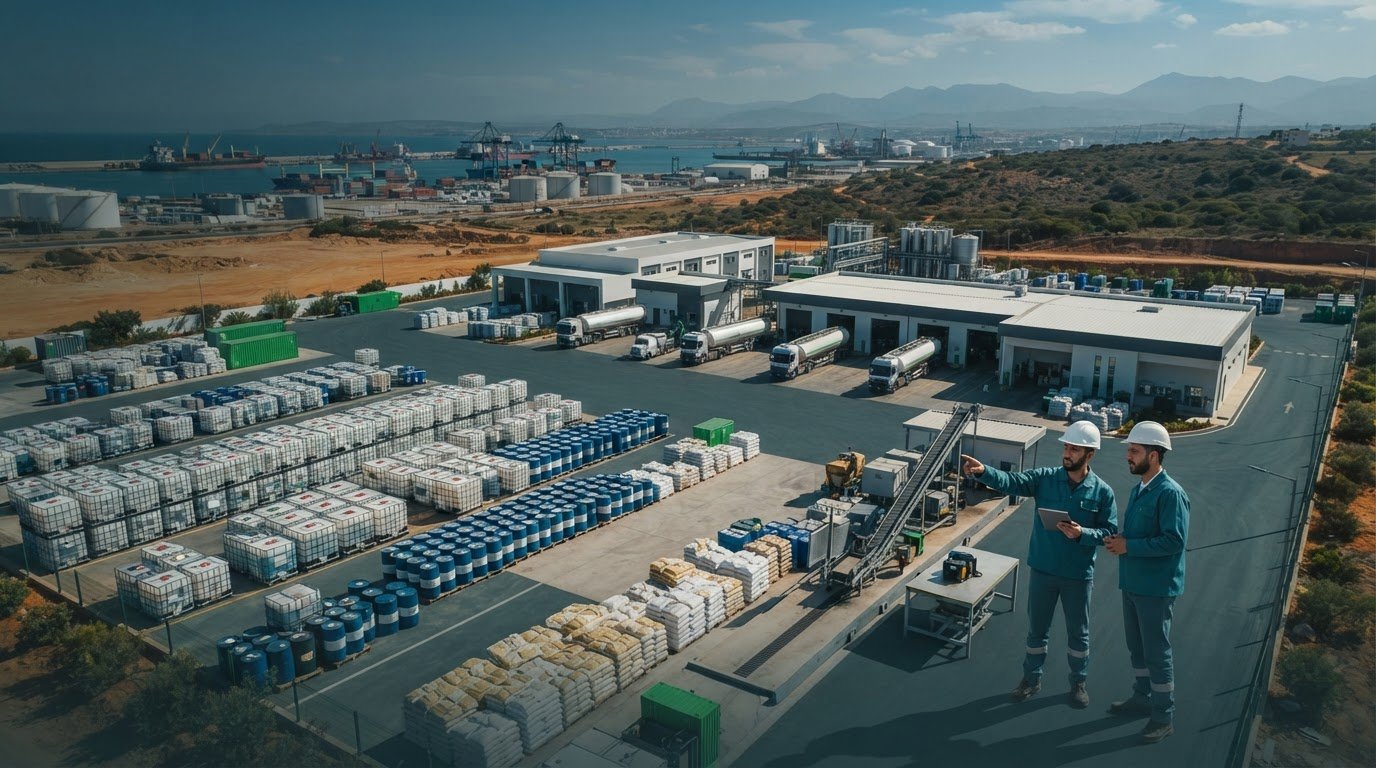
The risks of product degradation intensify during long-distance maritime transport. High-humidity regions accelerate moisture absorption in bulk cargo holds, especially when crossing equatorial trade routes. When granules fuse into a single block, discharge rates at the destination terminal plummet. This leads to costly demurrage charges and port delays that disrupt global distribution schedules. These logistics losses are often excluded from traditional cost analyses, yet they represent the most significant variable in calculating ROI on anti-caking agents. A single rejected maritime shipment can result in a total loss of the cargo value plus the compounding costs of return freight and disposal fees.
The 4-Pillar ROI Calculation Framework
Strategic procurement requires a fundamental shift from transactional thinking to a Total Cost of Ownership (TCO) model. Many producers evaluate specialty chemicals solely on their invoice price. This narrow focus ignores the compounding value of application efficiency and product security. When calculating ROI on anti-caking agents, leadership must distinguish between the "Price-per-Ton" of the chemical and the "Value-per-Application" it provides to the final fertilizer product. Academic research confirms that the effectiveness of commercial anticaking agents is directly linked to preventing the massive economic losses that occur when product reaches the end-user in a degraded state.
Tailored formulations outperform generic alternatives because they address the specific mineralogy and ambient conditions of your production site. A high-performance agent often achieves superior results at a significantly lower dosage rate than a generic oil. By reducing the volume of chemical required to achieve stability, you decrease the logistical burden of chemical storage and handling. This precision ensures that every drop of additive contributes to the protection of the resource rather than becoming industrial waste.
Pillar 1: Direct Material Savings
The first pillar of ROI is found in dosage optimization and waste reduction. Generic agents often suffer from high "wash-off" rates, requiring excessive application to maintain a protective barrier. In contrast, specialty formulated solutions utilize advanced surfactants to ensure better adhesion to the granule surface. This superior coverage allows for a reduction in total chemical consumption while simultaneously lowering the need for secondary dust suppressants. By choosing a product designed for high-tenacity bonding, you secure the integrity of the coating through multiple handling points. You can explore how these tailored formulations enhance long-term storage stability.
Pillar 2: Operational Efficiency Gains
Operational gains are the most frequently overlooked variables in calculating ROI on anti-caking agents. A free-flowing product accelerates every stage of the downstream process. Bagging speeds increase because the material moves predictably through hoppers and scales without bridging. Bulk loading throughput improves as the fertilizer maintains its intended granulometry. Furthermore, high-quality coatings reduce the buildup of sticky residue on conveyor belts and coating drums. This leads to a measurable reduction in maintenance downtime and cleaning labor. Energy consumption also drops when the granulation and drying processes are optimized to work in harmony with a high-efficiency additive, creating a leaner and more sustainable production environment.
Generic vs. Specialty Agents: A Comparative Analysis
The most common objection to specialty chemicals is the belief that generic agents are cheaper. This perspective is a dangerous fallacy in industrial procurement. Generic mineral oils or basic talc often fail when environmental conditions fluctuate. They lack the chemical complexity required to maintain a resilient barrier over time. High-performance surfactants provide a level of surface tension reduction that generic oils simply cannot match. While a generic agent might seem cost-effective on a per-ton basis, its high "wash-off" rate and tendency to migrate into the granule leave the fertilizer vulnerable. This instability forces producers to increase application volumes, which negates any initial savings and complicates the process of calculating ROI on anti-caking agents.
Long-term stability is the true measure of a specialty agent's value. Global export cycles often require product to remain free-flowing for three to six months in varying maritime conditions. Specialty formulations are engineered for this endurance. They create a durable, hydrophobic shield that resists moisture cycling during long-distance transport. Additionally, the shift toward non-toxic, sustainable formulations provides an environmental ROI by reducing regulatory risk and improving worker safety. Protecting your workforce and the environment is not just an ethical choice; it's a strategic move to secure the long-term viability of your operations.
The Failure of "One-Size-Fits-All" Solutions
Climatic differences demand specific chemical profiles. An agent that performs well in the cool, dry climate of Northern Europe will likely fail in the high heat and humidity of Dubai. Generic solutions ignore these variables. To compensate for poor performance, producers often resort to "over-dosing" generic agents, which leads to "bleeding" and staining of the granules. This excess chemical waste represents a direct financial loss. Custom-tailored agents prevent these issues by matching the chemical composition to the specific mineralogy and storage environment of the product. This precision is a cornerstone of calculating ROI on anti-caking agents for international exporters.
Brand Equity and Customer Retention
Product appearance drives premium pricing. A vibrant, dust-free fertilizer suggests quality and reliability to the end-user. Conversely, a single caking incident can destroy years of brand building and result in the loss of a major supply contract. The ROI of being a "preferred supplier" is found in the stability of your market share and the ability to command higher margins. Investing in high-quality coatings ensures that your product arrives in peak condition, reinforcing your reputation as a reliable guardian of critical agricultural resources. Reliability builds trust; trust secures the future of your brand.
Step-by-Step: Conducting Your Anti-Caking Cost-Benefit Audit
Establishing a robust financial baseline is the first step toward operational security. Many producers rely on anecdotal evidence or isolated lab tests to justify their chemical spend. However, calculating ROI on anti-caking agents requires a comprehensive audit that bridges the gap between the production floor and the corporate balance sheet. This process demands a partnership with experts who provide technical consulting to ensure data integrity at every touchpoint. A structured audit transforms "invisible" logistics losses into actionable financial metrics.
A successful audit requires a disciplined approach to data collection at both the plant and port levels. You must track the journey of the product from the coating drum to the final discharge at the destination terminal. This end-to-end visibility is the only way to capture the true cost of material degradation. By quantifying these variables, you move from reactive troubleshooting to proactive resource protection.
Step 1-3: Baselining and Trialing
- Step 1: Baseline Assessment. Begin by measuring current caking indices and moisture uptake in your existing stock. Record the frequency of customer claims and the labor hours diverted to re-processing over the last six months.
- Step 2: Controlled Trial Implementation. Run a side-by-side trial using a specialty agent. Monitor dosing precision and atmospheric humidity levels meticulously. This stage is where you observe the physical security provided by a superior coating in real-world conditions.
- Step 3: CONA Calculation. Calculate your "Cost of No Action" (CONA). Project the financial impact of maintaining your current baseline over a 12-month cycle. Factor in the rising costs of raw materials and the potential for increased maritime delays.
Step 4-5: Data Analysis and Executive Presentation
Data aggregation is where technical performance meets fiscal reality. In Step 4, combine your trial results with hard numbers from your logistics and maintenance departments. Aggregate the reduction in port demurrage, the decrease in bagging downtime, and the lower chemical dosage rates into a single ROI figure. This comprehensive view proves that the value of a specialty chemical is found in the stability it provides to the entire supply chain.
The final step involves the executive presentation. Present your findings to the CFO by focusing on risk mitigation and margin protection rather than just chemical pricing. Visualize how a high-performance agent secures the integrity of the final product and protects the brand from catastrophic logistics failures. As you prepare for a full-scale rollout, ensure that your ROI projections account for high-volume production cycles. You can begin your transition to a more secure supply chain by requesting a technical audit of your anti-caking process today.
Maximizing ROI with JAS Global Industries
JAS Global Industries operates as a vital guardian of the world's most critical resources. We recognize that calculating ROI on anti-caking agents requires more than a spreadsheet. It demands deep technical integration and a commitment to industrial security. Our approach moves beyond the transactional. We provide tailor-made formulations that serve as a foundational pillar for your production stability. By aligning our chemical expertise with your specific mineralogy, we ensure that every application delivers the highest possible financial return. Precision matters in a volatile market.
Our global Research and Innovation (R&I) centers are dedicated to solving complex regional caking challenges. These facilities don't just develop products; they engineer solutions for the unique climatic stresses of different markets. We view our technical audits as an essential service that removes the guesswork from your procurement strategy. This proactive engagement guarantees that your specialty chemical investment translates into measurable operational gains. We don't just sell chemicals; we provide the certainty that your product will reach the end-user in peak condition.
Global Presence, Local Expertise
Strategic agility is essential for modern fertilizer producers. Our manufacturing plants in Dubai, Riyadh, and Cairo are positioned to provide rapid logistics and reliable supply chains across key global regions. This proximity reduces transit times and ensures that our partners have the resources they need when they need them. On-site laboratory testing at your facility identifies the perfect dosing strategy. This high-touch service model eliminates chemical waste and optimizes performance. Choosing JAS Global means entering a long-term partnership with a leader that understands the fundamental needs of global infrastructure.
Sustainable Innovation for Future-Proof ROI
Regulatory compliance is a significant component of long-term financial stability. As global chemical safety standards evolve, staying ahead of these requirements is a form of future-proof ROI. Our focus on sustainable innovation reduces the environmental footprint of fertilizer production without compromising performance. We develop non-toxic, high-efficiency coatings that protect both the workforce and the environment. This commitment to social concern ensures that your operations remain resilient in an increasingly regulated landscape. You can secure your production future and protect your margins by taking action now.
Request a Technical Audit to Calculate Your Potential ROI
Securing the Future of Global Resource Stability
The journey from a chemical commodity to a strategic asset requires a fundamental paradigm shift. Success in modern fertilizer production depends on your ability to protect the integrity of the resource across the entire logistics chain. By moving beyond transactional metrics and focusing on a comprehensive framework for calculating ROI on anti-caking agents, you ensure that your brand remains a reliable pillar of global infrastructure. Precision formulations don't just prevent clumps; they mitigate the compounding costs of logistics failures and brand erosion.
Operating since 1998, JAS Global Industries provides the stability and technical expertise required to navigate these complexities. Headquartered in Dubai with a worldwide manufacturing presence, we offer tailor-made formulations and global R&I centers to solve your most persistent caking challenges. It's time to transform your specialty chemical investment into a measurable competitive advantage and a safeguard for your margins.
Partner with JAS Global for a Professional Technical Audit to begin securing your supply chain today. Your commitment to product excellence is the foundation of a more resilient and sustainable global food supply.
Frequently Asked Questions
How do you calculate the return on investment for specialty chemicals?
ROI calculation involves subtracting the total cost of the specialty chemical from the sum of savings achieved through avoided logistics claims and operational downtime. You must factor in the reduction in re-processing labor and energy consumption at the plant level. By comparing these savings against the initial chemical investment, producers gain a clear picture of the value-per-application. This approach shifts the focus from price-per-ton to long-term resource protection.
Can anti-caking agents reduce the total cost of fertilizer production?
Yes, high-performance agents lower production costs by improving bagging speeds and reducing mechanical wear on coating drums. When material flows predictably, it prevents the bridging and clogging that lead to expensive plant shutdowns. Additionally, precision coatings reduce the need for excessive secondary additives like dust suppressants. These efficiencies contribute to a leaner manufacturing process and a more stable bottom line for global producers.
What is the difference between a generic and a tailor-made anti-caking agent?
Generic agents typically rely on basic mineral oils that lack the surface tension reduction required for modern high-analysis fertilizers. Tailor-made formulations are engineered to match the specific mineralogy and storage climate of your facility. These specialized solutions use advanced surfactants to ensure superior adhesion and long-term stability. This precision prevents the migration issues common with cheaper, one-size-fits-all products that often fail during maritime transport.
How does maritime transport humidity affect the ROI of anti-caking coatings?
High humidity during maritime transport accelerates moisture absorption, which is the primary driver of caking in bulk cargo holds. A high-quality coating acts as a hydrophobic barrier that maintains product flowability even in equatorial shipping routes. This protection is critical when calculating ROI on anti-caking agents, as it directly prevents terminal discharge delays and costly insurance claims. Without this barrier, the risk of a total cargo rejection increases significantly.
How much product loss is typically caused by fertilizer caking?
Product loss from caking manifests as dust generation and non-flowable clumps that remain in storage silos or cargo holds. Industry professionals report that these losses can exceed 2% of the total shipment volume during the discharge and re-processing phases. Beyond the physical loss of material, producers face financial penalties from off-spec product discounts. Protecting the integrity of the granule ensures that the maximum amount of sellable resource reaches the farmer.
What role does dosing accuracy play in maximizing chemical ROI?
Dosing accuracy is the foundation of chemical efficiency and cost control. Precise application ensures that each granule receives a uniform coating without the waste associated with over-application. When dosing is optimized, producers achieve superior results with lower volumes of specialty chemicals. This precision is a vital component when calculating ROI on anti-caking agents, as it directly impacts both the material cost and the physical performance of the final product.
Is it possible to conduct an on-site anti-caking audit without stopping production?
Yes, professional technical audits are designed to integrate seamlessly with active production cycles. Experts use portable laboratory equipment and real-time monitoring to assess current caking indices and moisture uptake without requiring downtime. This non-invasive approach allows for the collection of accurate baseline data under normal operating conditions. It provides the necessary insights to justify a shift toward more effective specialty chemicals while maintaining your existing distribution schedules.
How do sustainable anti-caking agents compare in ROI to traditional formulas?
Sustainable anti-caking agents provide a dual ROI by combining high performance with reduced regulatory risk. These non-toxic formulas often meet or exceed the efficacy of traditional mineral oils while ensuring compliance with stricter global environmental standards. By adopting biodegradable solutions, producers protect their workforce and avoid the potential for future environmental liability. This long-term security enhances brand reputation and aligns industrial operations with the growing demand for sustainable agricultural practices.