

Industrial biocides are process-control tools, not just sanitizers. When microbial growth leads to biofilm, fouling, or microbiologically influenced corrosion, it can restrict flow, damage infrastructure, and contribute to unplanned downtime. Choosing a treatment means protecting process reliability while managing chemical use and discharge responsibly.
Effective microbial control depends on the system’s water chemistry, operating conditions, materials, and microbial risks. This guide explains how oxidizing and non-oxidizing biocides differ, which factors to assess when selecting a treatment, and how monitoring can show whether a program is working. JAS Global Industries supplies water treatment biocides and develops tailored chemical formulations and dosing strategies for industrial processes.
Key Takeaways
- Industrial microbial control helps protect process reliability and infrastructure, not just hygiene.
- Oxidizing and non-oxidizing biocides act differently, so treatment choice depends on the system and its operating conditions.
- Microbial growth can affect cooling tower performance and mineral processing operations in different ways.
- System conditions, including pH, temperature, and water hardness, help guide treatment selection and monitoring.
- Tailored formulations and dosing strategies can support effective microbial management and responsible chemical use.
Understanding Industrial Biocides: Beyond Basic Disinfection
In an industrial plant, microbial growth can interfere with heat exchange, restrict flow, damage metal assets, and disrupt production. Biocides are agents used to control harmful organisms in a process or operating environment. Their value is in helping keep essential systems stable, from water circuits to manufacturing operations that support food, materials, and resource supply chains.
Industrial systems can provide the water, warmth, nutrients, and surfaces that support microbial growth. Circulation may then spread contamination through connected equipment. A treatment program needs to account for the system’s operating conditions and microbial risks, rather than relying on a one-size-fits-all disinfectant. The overview of biocide classifications and uses provides background on this broad category of agents.
The Distinction Between Sanitizers and Industrial Biocides
Household sanitizers are generally intended for limited surfaces or settings. Industrial treatment must account for large water volumes, complex pipe networks, changing process conditions, and materials that need protection. Different organisms may coexist in the same system, so broad microbial control can matter. The treatment still needs to suit the application and its discharge requirements.
Biocide use is one part of industrial water treatment, alongside measures for scale, corrosion, and other process risks. Coordinating these controls helps operators consider the system as a whole instead of treating microbial activity in isolation.
Microbial Challenges in High-Stakes Environments
Microbial growth can affect industrial assets and operations in several ways:
- Microbiologically influenced corrosion (MIC): Microorganisms can contribute to localized corrosion on metal surfaces. Pitting or deterioration may weaken pipes, tanks, and other infrastructure, increasing inspection and maintenance needs.
- Biofilm and heat transfer: A biofilm is a community of microorganisms attached to a surface and embedded in a protective matrix. It can insulate heat-transfer surfaces, reduce thermal efficiency, and make deposits harder to remove.
- Process and product disruption: In fertilizer manufacturing, microbial contamination may affect process consistency or product quality. In mineral processing, growth in water or slurry circuits can contribute to fouling and interfere with stable operation or recovery performance.
The effects can extend beyond an affected component. Fouling may prompt cleaning or downtime, corrosion can shorten equipment life, and unstable process conditions can complicate production planning. These risks make microbial control part of operational security and resource stewardship.
Start by identifying where growth occurs, how it moves through the system, and which conditions support it. Operators can then assess treatment as part of a wider protection strategy, balancing microbial control with equipment integrity and responsible water management.
The Chemistry of Control: Oxidizing vs. Non-Oxidizing Biocides
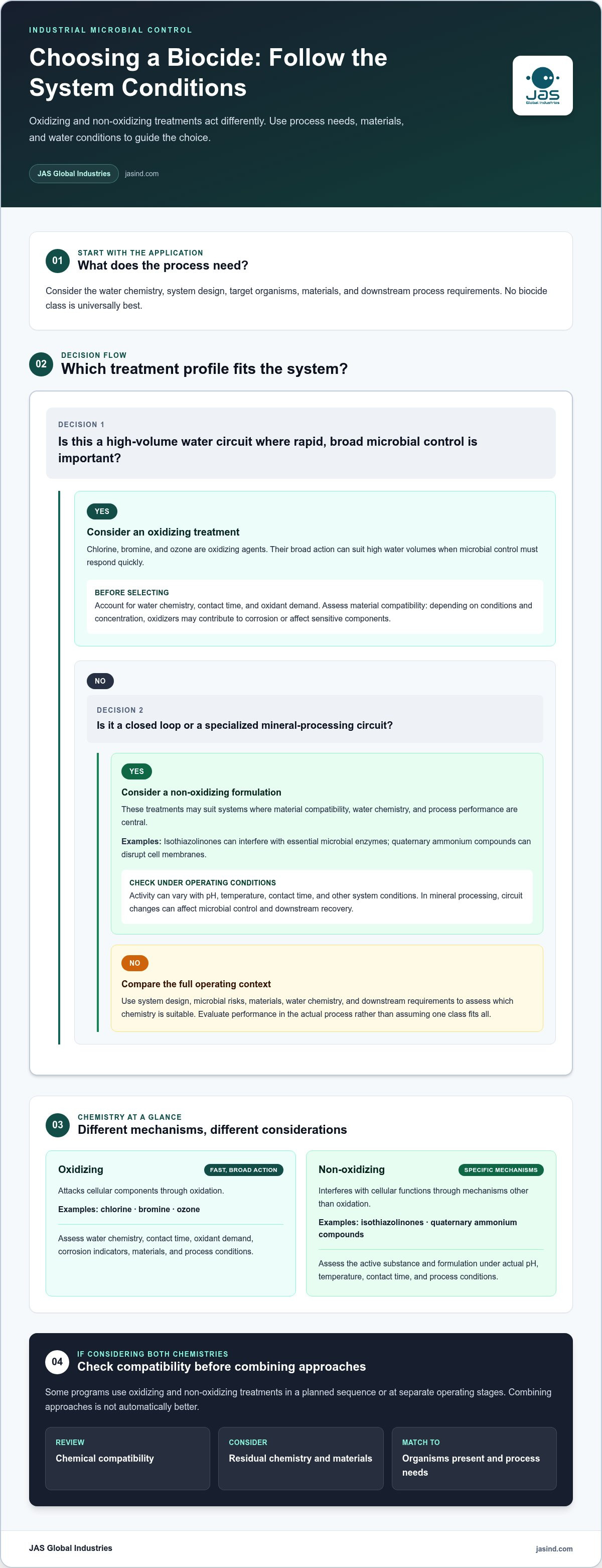
Industrial microbial control depends on how an active chemistry affects microorganisms and behaves in the process. Oxidizing agents attack cellular components through oxidation, while non-oxidizing chemistries interfere with specific cellular functions. Neither class is universally best. The choice depends on water chemistry, system design, target organisms, materials, and downstream process requirements.
These differences matter in practice. A high-flow water circuit may call for a fast-acting treatment, while a closed loop or mineral-processing circuit may need a program closely matched to its operating conditions and process chemistry. The aim is effective control that protects assets without disrupting production or creating avoidable exposure risks.
Oxidizing Agents: Speed and Power
Chlorine and bromine form reactive species in water that oxidize key components of microbial cells. Ozone is also a strong oxidant that reacts rapidly with susceptible cellular structures. This broad action can make oxidizing treatments useful where water volumes are high and microbial control must respond quickly. Performance depends on factors such as water chemistry, contact time, and the system’s oxidant demand.
Because oxidizers are reactive, their use calls for careful materials assessment. Depending on the conditions and concentration, they may contribute to corrosion or affect sensitive components. Monitor treatment performance alongside corrosion indicators and process conditions; faster action alone does not make a treatment the best fit.
Non-Oxidizing Formulations: Precision and Persistence
Non-oxidizing chemistries act through mechanisms other than oxidation. Isothiazolinones can interfere with essential microbial enzymes, while quaternary ammonium compounds can disrupt cell membranes. Effects depend on the active substance and formulation, so performance should not be generalized across an entire category.
These treatments may suit closed-loop systems or specialized mineral-processing circuits where material compatibility, water chemistry, and process performance are central considerations. Activity can vary with pH, temperature, contact time, and other system conditions. Assess the treatment under actual operating conditions, particularly in mineral processing, where circuit changes can affect both microbial control and downstream recovery.
When a Dual-Chemistry Approach Makes Sense
Some programs use oxidizing and non-oxidizing treatments in a planned sequence or at separate operating stages. The aim may be to pair rapid broad control with a different mode of action, but combining approaches is not automatically better. Consider compatibility, residual chemistry, materials, and the organisms present. Never blend treatment chemicals unless product guidance and a qualified technical assessment establish that it is appropriate.
Selection is also a safety decision. Review handling procedures, exposure controls, and applicable product information. The National Toxicology Program on Biocides provides health information relevant to occupational exposure. JAS Global Industries supplies water treatment biocide solutions as part of its specialty chemical offering.
Critical Application Sectors: From Cooling Towers to Mineral Processing
Microbial control needs to reflect the role and conditions of each process. A cooling tower, mineral-processing circuit, and desalination plant expose water and equipment to different challenges, so a treatment that suits one system may not suit another. In each case, the aim is to limit biological fouling while protecting process performance, equipment, and responsible water use.
Cooling Towers: Protecting Heat Transfer
Cooling towers circulate warm water over surfaces where microorganisms can attach and form biofilm. Deposits may impede heat transfer, restrict water flow, and complicate cleaning. Pair appropriate biological control with routine monitoring and mechanical cleaning. Track practical indicators such as visible deposits, changes in heat-transfer performance, and water conditions to identify when the strategy needs review.
Optimizing Mineral Recovery and Mining Circuits
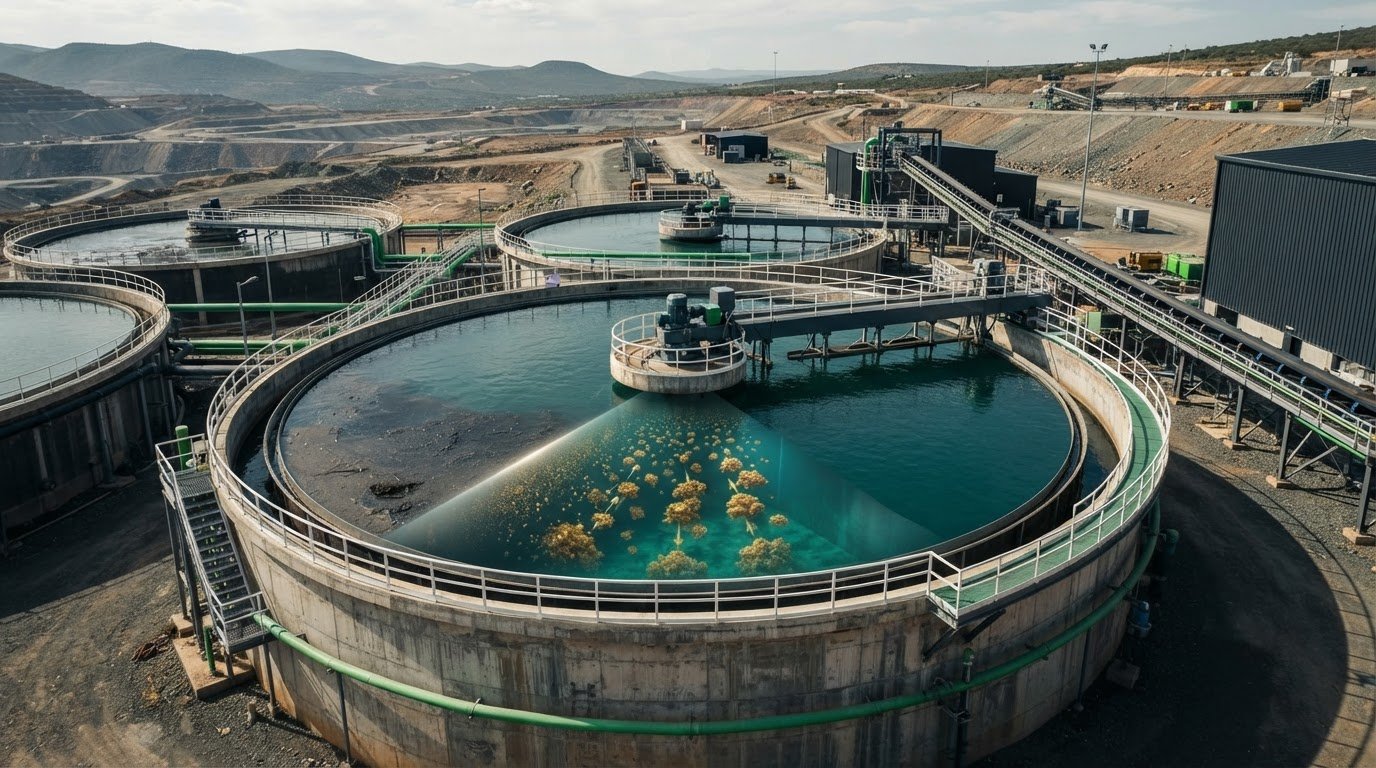
Mining circuits combine ore, process water, and changing operating conditions. Microbial growth in water or slurry can contribute to fouling and affect consistent flotation or grinding performance. The implications depend on the ore and process, so consider treatment alongside circuit chemistry and production objectives. Tailored mining solutions can support an integrated approach to resource recovery.
Tailings and associated water circuits can also present odor or gas-management challenges. Microbial control may be one part of addressing these issues, alongside process-specific monitoring and handling practices. In complex ore processing, a custom formulation and dosing strategy can take account of water quality, solids, operating conditions, and compatibility with flotation reagents. Assess changes for their effects on recovery and downstream operations rather than treating the circuit in isolation.
Desalination and High-Purity Water Systems
In reverse osmosis (RO), biological fouling on feed-side surfaces can increase cleaning demands and affect membrane performance. Biocides may be used in pretreatment programs, but selection and timing must follow the membrane supplier’s compatibility guidance. Oxidizing residuals can damage some RO membranes, so treatment plans need to control residuals before water reaches the membrane stage.
Biological control has a different role from scale management. Antiscalants address mineral deposits, not microorganisms, so they complement rather than replace microbial control. Coordinating the treatments requires attention to feed-water conditions and chemical compatibility. Well-matched Water Treatment Antiscalants can support scale control within a broader water-treatment program.
Thermal desalination systems have their own fouling and corrosion concerns across intake, pretreatment, and heat-transfer stages. Temperature alone is not a complete microbial-control strategy. Monitoring and targeted treatment help operators assess biological risks while protecting equipment integrity.
Fertilizer Production and Storage
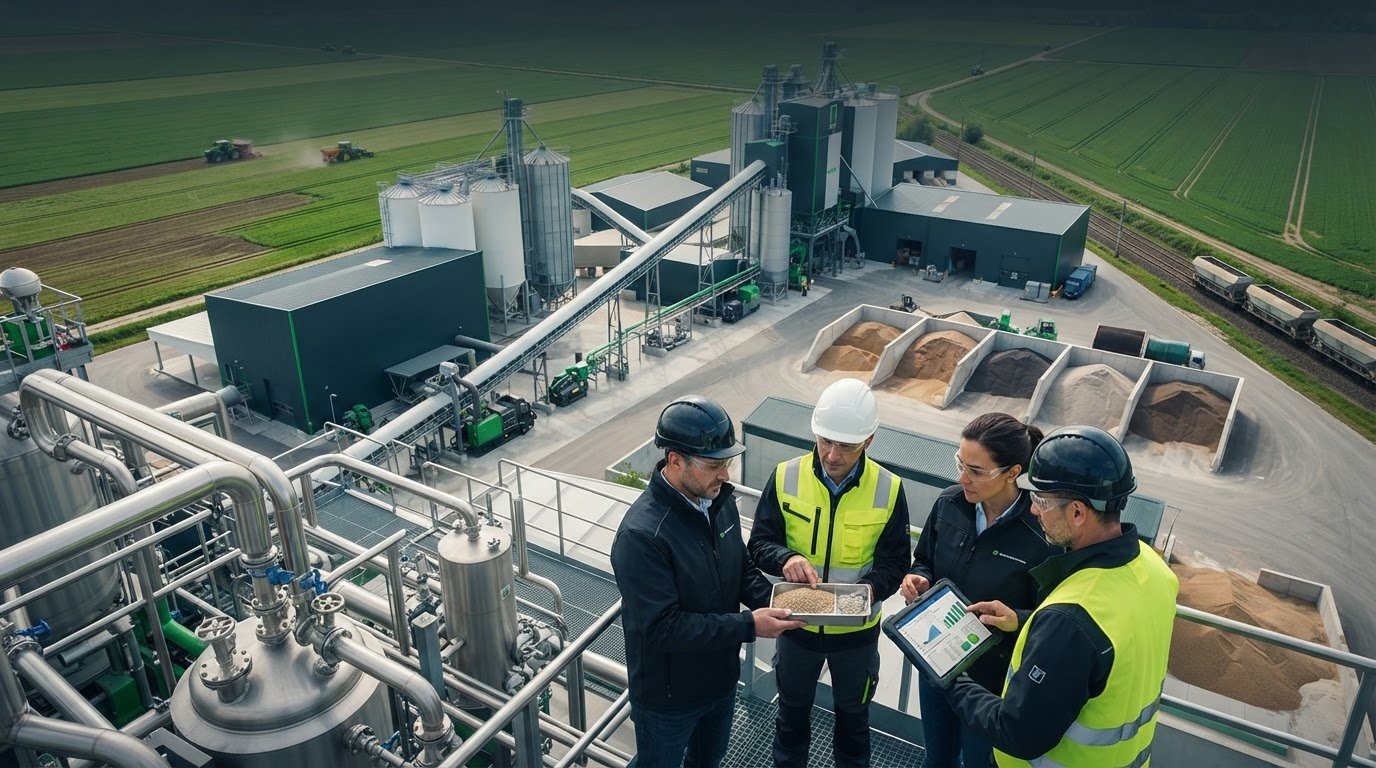
In fertilizer operations, microbial risks are most relevant to process water and wet production areas. Contamination can disrupt process consistency or contribute to fouling in water-handling equipment. Finished-product storage presents different conditions and should not be assumed to need the same treatment. Match control measures to the point of risk and the product-handling process.
Selecting the Right Biocide: A Framework for Operational Efficiency
A reliable treatment program starts with evidence about the system, not just a product label. Use these four steps to connect microbial control with equipment protection, process performance, and responsible chemical use.
- Audit the system and investigate microbial activity. Map water circuits, flow patterns, operating cycles, dead legs, and areas where deposits or recurring fouling appear. Use representative sampling and laboratory analysis to identify microbial groups and establish a baseline. Sampling location and timing matter because a single sample may not represent a variable process.
- Evaluate water chemistry and operating conditions. Record pH, temperature, hardness, and relevant process changes. These factors can affect treatment performance and chemical demand. Compare readings across different operating periods so the strategy reflects real system variability, not just a single snapshot.
- Check material compatibility and downstream effects. Review contact materials, seals, membranes, and sensitive process stages. Consider whether treatment residuals could affect product quality, downstream chemistry, or discharge. This helps prevent a microbial-control measure from creating a separate operational problem.
- Set dosing and monitoring around performance. Define where and when treatment will be introduced, then track practical indicators such as microbial results, fouling, corrosion observations, and process performance. Use the findings to adjust the program in a controlled way rather than changing several variables at once.
Technical Audits and On-Site Testing
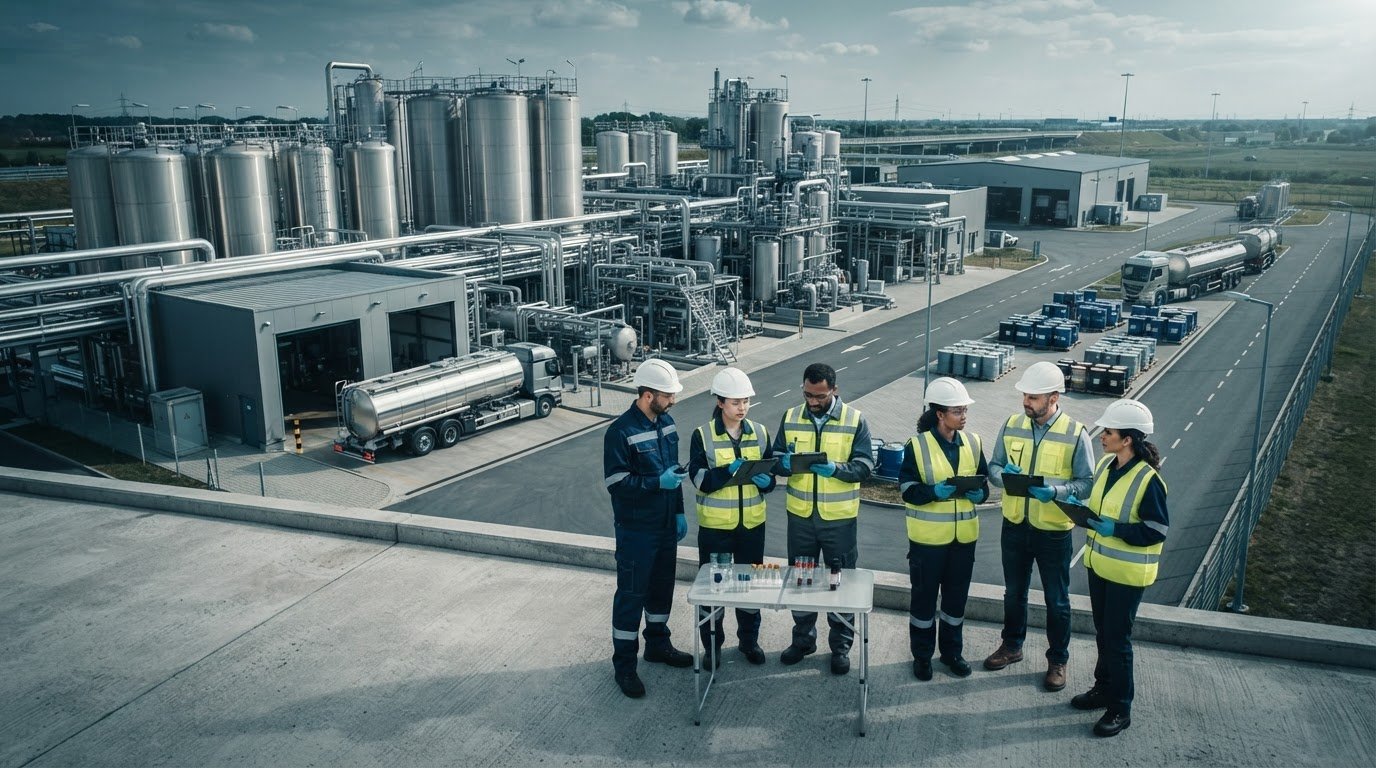
Laboratory testing can help identify the organisms present and inform selection of a suitable control approach. Pair test results with operating data and site observations because microbial populations and system conditions can change over time. A standard formulation may not address a facility’s particular water chemistry, flow pattern, process constraints, or material sensitivities. A technical audit brings these details together to inform a relevant treatment plan.
A dosing strategy defines the treatment point, timing, and amount needed to balance microbial control with process efficiency and chemical use. The aim is not simply to use the lowest dose, but to assess effective control against production performance and equipment protection.
Regulatory Compliance and Safety Standards
Requirements for chemical management, worker protection, and discharge vary by jurisdiction and application. Build applicable requirements into treatment selection and operating procedures, and review product documentation for handling, storage, and environmental information. Assess biodegradability and discharge conditions in the context of the receiving environment and relevant local limits. Do not assume an approach used at one site transfers unchanged to another.
Worker safety is part of process security. Follow product safety data and handling instructions, provide appropriate training and protective equipment, and maintain controls for storage, transfer, and dosing. JAS Global Industries develops tailored chemical formulations and technical dosing strategies for industrial water-treatment needs. Discuss a tailored biocide dosing strategy for your process.
Sustainable Microbial Management: The JAS Global Industries Approach
Microbial control protects more than an individual process. Reliable water systems support manufacturing, mining, and resource production, so treatment decisions can contribute to the security of wider infrastructure. JAS Global Industries applies specialty chemistry and process optimization to industrial water treatment, aligning treatment choices with facility conditions and objectives.
JAS Global Industries has operated since 1998 and uses its research and innovation capabilities to develop custom formulations. Its work goes beyond bulk chemical supply to include treatment approaches and dosing strategies that account for the process, water conditions, and performance objectives. This helps facilities consider chemical use as part of a broader resource-protection strategy.
Custom Formulations for Global Partners
Facilities across Africa, Asia, and Europe may face different source-water characteristics, operating conditions, and regulatory requirements. A sound approach accounts for those local factors rather than assuming a single treatment profile suits every plant. JAS Global’s global presence and custom-formulation capabilities support consideration of regional process needs, with the objective of effective microbial management and responsible chemical use.
In some processes, microbial treatment also needs to be considered alongside other chemical functions. For example, a coordinated surfactant chemistry strategy may be relevant where wetting, dispersion, or process behavior affects overall performance. Technical consulting can connect these interacting requirements and support continuity as operating conditions change. Reviewing the program over time helps plant teams identify when process shifts call for reassessment.
A Future-Focused Commitment to Resource Security
Sustainable microbial management is practical: target treatment to the system’s needs, measure performance, and avoid unnecessary chemical use. Efficient dosing is not simply about reducing volume. It means matching application to the control objective and reviewing results against process stability, equipment condition, and discharge responsibilities. An evidence-led approach can help facilities work toward a smaller chemical footprint without assuming that lower dosing alone guarantees effective control.
JAS Global’s work connects specialty chemistry with the systems industries rely on. Water treatment biocides support microbial control, while other water-treatment chemistries can address related concerns such as scale and corrosion. Considered together, these measures frame process security as an integrated responsibility rather than an isolated chemical task.
For a facility reviewing its water-treatment program, bring together operating data, treatment history, and current process challenges for a technical discussion with JAS Global. This information can inform tailored formulations and dosing strategies suited to the application, with resource protection, operational reliability, and responsible chemical management in view.
Turn Microbial Control into Ongoing Process Security
Industrial conditions change. Feed-water quality, production demands, equipment condition, and discharge requirements can shift over time. Treat microbial management as an active part of process planning, with clear performance measures and regular reviews of whether the treatment still fits the system. This discipline helps teams make informed adjustments before small changes become larger operational concerns.
Connect site operating data with treatment objectives to identify where the current approach may need refinement and how biocides fit within a broader water-treatment strategy. JAS Global Industries works with partners across mining, fertilizer, and water treatment to develop chemistry-led solutions for industrial challenges.
Consult with JAS Global Industries for a technical audit of your microbial control strategy and take a considered next step toward reliable operations and responsible resource protection.
Frequently Asked Questions
What is the primary difference between biocides and disinfectants?
Disinfectants are generally used to reduce or inactivate microorganisms on inanimate surfaces or in specific environments, while biocide is a broader term for substances that control harmful organisms. In industry, treatment may target microbes in circulating water, process fluids, or equipment circuits rather than on a single surface. The terms can overlap, so check the product’s approved use and technical documentation to understand its intended application.
Can biocides cause corrosion in metal water pipes?
Yes. Some treatments can contribute to corrosion depending on their chemistry, concentration, exposure conditions, and the pipe material. Water chemistry and existing deposits can also affect corrosion risk. If corrosion indicators rise after a treatment change, compare operating records and inspect representative locations before adjusting the program. Review the treatment alongside corrosion-control measures and use qualified technical guidance for material-specific decisions.
How often should biocides be dosed in a cooling tower system?
There is no dosing interval that suits every cooling tower. The schedule depends on the product’s instructions, tower operation, water conditions, microbial monitoring, and the control objective. A facility with variable loads may need a different plan from one running steadily. Keep a dosing log alongside test results and operating changes, then make adjustments through a controlled review. Do not use a generic calendar interval in place of product guidance.
What happens if a biocide is incompatible with other water treatment chemicals?
Incompatibility may reduce treatment performance, cause precipitation or deposits, or create undesirable reactions. It can also interfere with other program components, such as corrosion or scale control. Before combining products or changing feed points, review technical documentation and assess compatibility under the system’s actual conditions. Keep chemicals separate unless handling and dosing instructions allow otherwise, and investigate unexpected cloudiness, deposits, or changes in treatment performance promptly.
Are there eco-friendly biocides for industrial use?
Some formulations are developed with environmental impact in mind, but “eco-friendly” alone does not establish suitability or safety. Assess the active chemistry, effectiveness for the intended application, biodegradability information, worker-handling needs, and site discharge conditions. A treatment that requires less chemical input is preferable only if it still meets process-control needs. Evaluate environmental performance using product documentation and applicable local requirements rather than relying on broad marketing terms.
How do I know if my industrial system has a biofilm problem?
Possible clues include recurring slimy deposits, unusual fouling, restricted flow, or declining heat-transfer performance. None confirms biofilm on its own; mineral scale, corrosion products, and suspended solids can look similar or contribute to the same symptoms. Compare inspection findings with operating data and collect samples from relevant locations for analysis. Confirming the cause helps avoid choosing an ineffective control measure.
Is a technical audit necessary before purchasing industrial biocides?
A formal audit is not required in every situation, but reviewing the system before selection is a sound risk-control step. At minimum, gather water analyses, operating conditions, treatment history, affected materials, and the location of suspected growth. For a new or persistently troubled circuit, technical testing can clarify the problem and inform a suitable treatment and monitoring plan. This reduces guesswork and helps teams assess process and discharge considerations before implementation.
Can biocides be used in mining flotation circuits without affecting mineral yield?
They may be considered, but compatibility with the ore, process water, and flotation reagents must be evaluated before use. An unsuitable treatment could affect froth behavior, reagent performance, or downstream recovery. Assess the candidate treatment in a controlled evaluation, comparing relevant process indicators with the existing operating baseline. Involve process and chemical specialists, and monitor yield and circuit behavior during any change rather than assuming microbial control will have no effect on recovery.