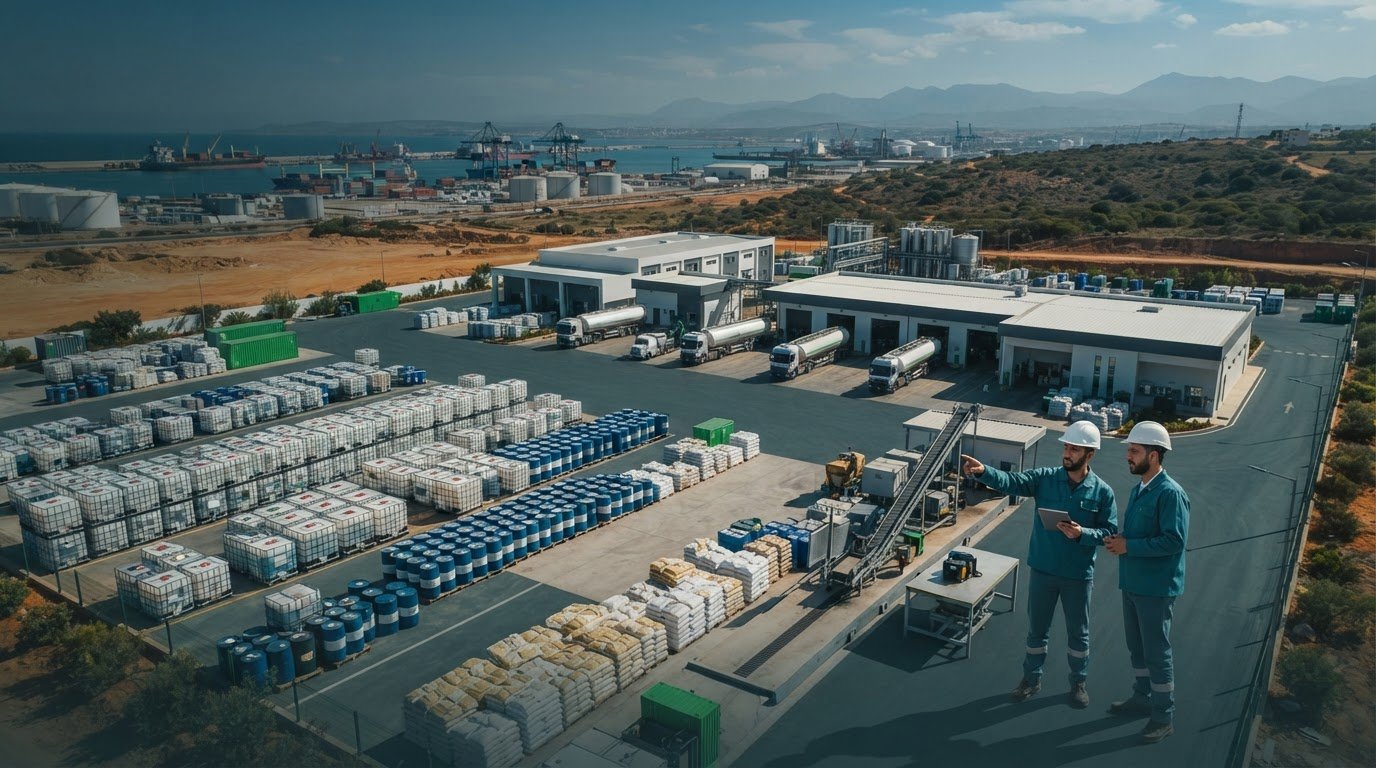


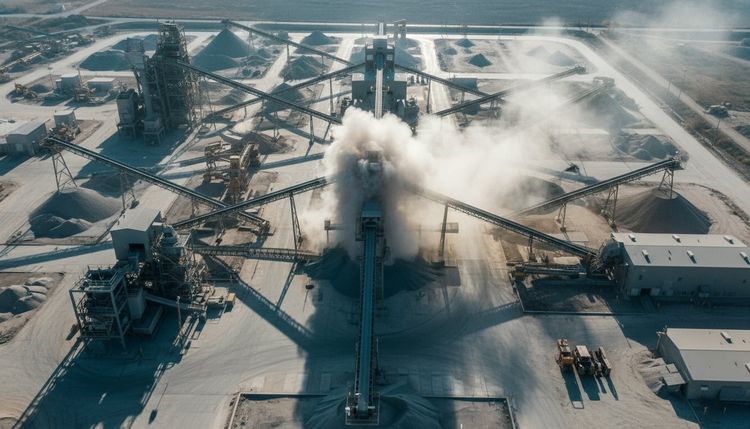
With unplanned equipment downtime costing manufacturers an average of $260,000 per hour in 2026, the fine particulates in your facility are far more than a simple housekeeping issue. They represent a silent, compounding cost of dust-related equipment wear that systematically erodes your profit margins. You understand that grit and abrasive particles are the primary enemies of your bearings and seals. You have likely experienced the frustration of constant water spraying, which offers only fleeting relief while often creating new operational challenges through moisture and corrosion.
This article explores how industrial dust functions as a structural tax on machinery life. You'll learn how to accurately quantify the impact of particulate matter on your maintenance budget and asset lifecycle. We provide a clear framework to calculate your losses and introduce advanced anti-dusting agents designed to protect your infrastructure. By moving beyond temporary fixes, you can ensure the long-term stability and security of your critical industrial resources. Our focus is on providing the technical clarity you need to transform your facility into a model of reliability and sustainable performance.
Key Takeaways
- Identify the three financial pillars of machinery degradation to accurately calculate the total cost of dust-related equipment wear on your maintenance budget.
- Analyze how the physical properties of industrial dust, including angularity and hygroscopy, act as abrasive agents that compromise bearings and seals.
- Explore the "Hydrophobic Paradox" to understand why water-based suppression often fails to capture fine particles and can lead to moisture-related corrosion.
- Implement a practical framework to quantify the Cost of Dust (CoD) per operating hour to extend the lifecycle of your critical infrastructure.
- Discover how specialized Anti-dusting Agents and Fertilizer Dust Suppressants provide a stable, protective barrier for your assets while reducing operational inefficiency.
The Financial Anatomy of Dust-Related Equipment Wear
Dust is not a passive byproduct of industrial activity. It is an active mechanical threat. In technical terms, dust-related wear refers to the accelerated degradation of mechanical components caused by particulate interference. When fine particles infiltrate the moving parts of your machinery, they act as unintended abrasives. This process fundamentally alters the mechanisms of material degradation, leading to premature failure that standard maintenance schedules don't always predict. Understanding the true cost of dust-related equipment wear requires looking beyond the surface of your facility.
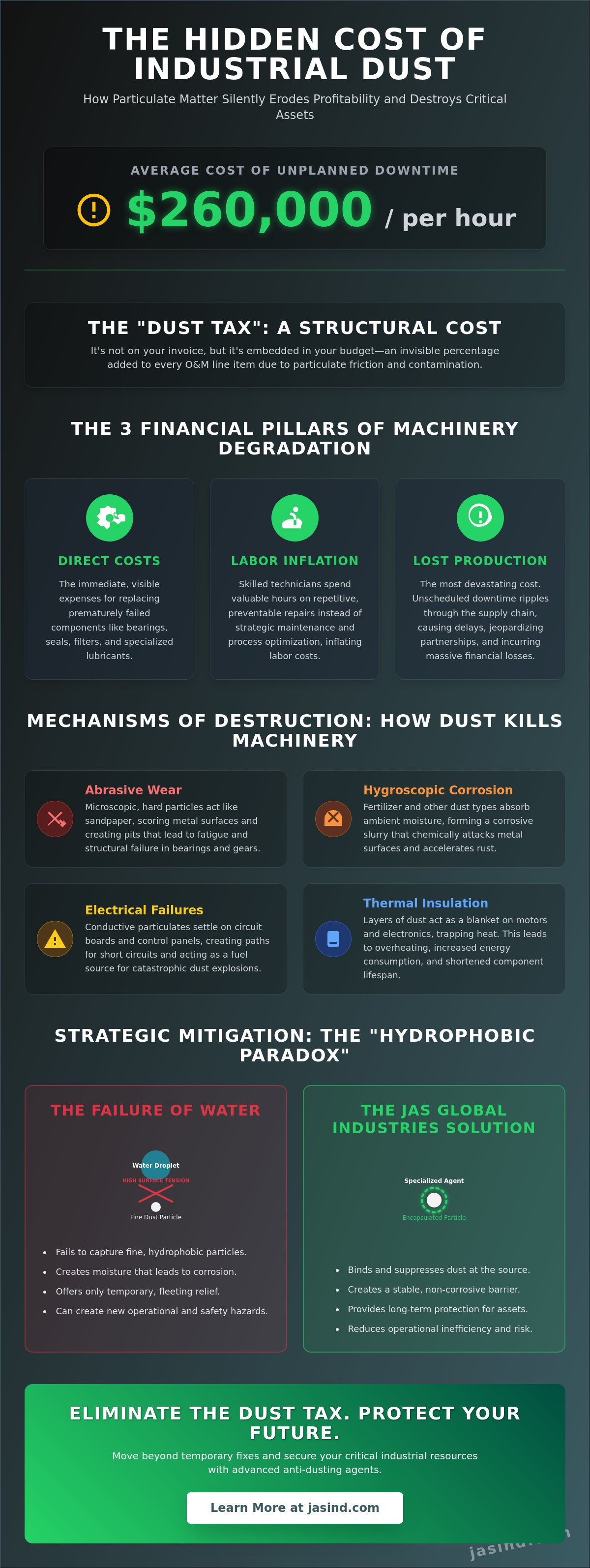
Financial impact is structured around three primary pillars. First, there are direct replacement costs for components like bearings and seals. Second, labor inflation occurs when your skilled technicians spend their hours on repetitive repairs instead of strategic optimization. Finally, the most devastating pillar is lost production time. In 2026, industrial standards have shifted. Reactive cleaning is no longer a viable strategy for global leaders. Proactive suppression is now the baseline for protecting critical infrastructure and ensuring the security of your supply chain.
Every industrial operation pays what we call a "Dust Tax." This is the invisible percentage added to every operations and maintenance budget due to particulate friction and contamination. It isn't listed on an invoice; it's buried in the shortened lifecycles of your most expensive assets. By failing to manage dust at the source, you're effectively subsidizing the slow destruction of your own equipment.
Direct vs. Indirect Costs of Particulate Matter
Direct costs are visible and immediate. You see them in the purchase orders for new filtration systems and specialized lubricants. However, indirect costs often carry a heavier weight. Dust layers act as thermal insulation, causing motors to overheat and consume more energy. Friction increases the power required to move conveyor systems. There is also a multiplier effect. When a critical component fails due to dust, the resulting unscheduled downtime can ripple through your global supply chain, causing delays that jeopardize long-term partnerships.
Why Dust is More Than a Nuisance in 2026
Precision is the hallmark of modern industry. High-precision machinery now operates with much tighter tolerances than the equipment of previous decades. This makes modern assets significantly more susceptible to micro-particles. A single micron-sized particle can compromise a high-performance seal. Furthermore, the rising cost of specialized industrial parts makes premature wear a critical financial risk. Regulatory pressure has also intensified. As of January 15, 2026, OSHA has set the maximum penalty for serious violations at $16,550 per instance. Managing fugitive emissions is now a matter of fiscal survival and corporate responsibility.
Mechanisms of Destruction: How Dust Kills Machinery
Industrial dust is not merely a byproduct of production. It is a collection of microscopic blades. The physical properties of dust, specifically its hardness, angularity, and hygroscopy, determine its destructive potential. When these particles settle on machinery, they don't just sit there. They infiltrate. In fertilizer handling, the challenge is compounded. Fertilizer dust is often highly hygroscopic, meaning it absorbs moisture from the air to form a corrosive slurry that chemically attacks metal surfaces while physically grinding away at seals. Effectively managing the cost of dust-related equipment wear requires a deep understanding of these microscopic interactions.
Beyond mechanical surfaces, dust poses a significant threat to electrical systems. Fine particulates settle on circuit boards and within control panels, creating conductive paths that lead to short circuits. Perhaps more critically, accumulated dust acts as a fuel source. Without proper suppression, a facility risks a catastrophic industrial dust explosion, a reality that underscores why we view dust control as a matter of fundamental asset protection and human safety. Utilizing specialized Fertilizer Dust Suppressants is a necessary step in neutralizing these risks at the source.
Abrasive Wear and Surface Degradation
Hard particles score metal surfaces, creating microscopic pits that eventually lead to fatigue and structural failure. This is especially prevalent in conveyor systems and grinding mills. In the context of dust-contaminated lubricants, three-body abrasion describes the process where hard particulates act as a third body between two sliding surfaces, grinding away material from both. This mechanism accelerates the degradation of chutes and liners, forcing premature replacement and increasing the cost of dust-related equipment wear across the entire operation.
Lubrication Contamination: The Silent Killer
Standard seals are often insufficient against micron-sized particles. Once dust bypasses a seal, it mixes with grease to create an abrasive paste. This contamination directly impacts the ISO 4406 cleanliness levels of your lubricants. Industry research consistently shows a direct correlation between oil cleanliness and bearing service life. Even a marginal reduction in particulate contamination can significantly extend the operational life of a bearing, preventing the sudden failures that disrupt global supply commitments.
Thermal Clogging and Cooling Inefficiency
Dust is a highly effective insulator. When layers of dust accumulate on motor housings, they trap heat, forcing the equipment to operate at elevated temperatures. This leads to thermal degradation of internal windings and eventual motor failure. In heavy mobile equipment, dust chokes radiator fins and air intakes. This cooling inefficiency causes energy consumption spikes as systems struggle to maintain safe operating temperatures, further inflating the operational budget through "choked" machinery inefficiency.
Quantifying the Total Cost of Ownership (TCO)
Measuring the true cost of dust-related equipment wear requires a shift from accounting for visible repairs to analyzing the entire lifecycle of an asset. We define the Cost of Dust (CoD) as a measurable hourly rate that reflects the financial burden of particulate interference on your operations. A comprehensive CoD calculation includes the sum of premature component failures, the surge in labor requirements, and the value of lost production. When these variables are aggregated, the financial impact of dust often exceeds the cost of the equipment itself over its operational lifespan.
Consider the lifecycle of a typical conveyor belt. In a low-dust environment, a belt may provide five to seven years of service. In a high-dust facility, this lifespan often drops to three years or less. This compression happens because dust seizes idlers and causes material build-up on pulleys, leading to mistracking and edge damage. Beyond the hardware, there is a human cost. Relying on your workforce for constant manual cleaning is inefficient. It diverts skilled labor from high-value optimization tasks and negatively impacts morale, as staff are relegated to repetitive, hazardous housekeeping duties.
The Maintenance Interval Compression Factor
Dust systematically reduces the Mean Time Between Failures (MTBF) for your critical components. This compression forces a reactive maintenance posture. When dust causes a sudden mechanical break, the financial repercussions extend to "emergency shipping" fees for replacement parts and the premium paid for urgent technical support. Industry data indicates that emergency repair costs are typically 3 to 5 times higher than planned maintenance. By stabilizing the environment, you protect the schedule and the budget from these volatile spikes.
Product Loss and Yield Degradation
In fertilizer production and mineral processing, dust isn't just waste. It is sellable product floating away. This yield loss represents a direct hit to the balance sheet. Every ton of particulate matter lost to the atmosphere is a ton of finished product that cannot be sold. Utilizing specialized Anti-dusting Agents and Fertilizer Dust Suppressants keeps these "fines" within the product stream. Effective chemical binding ensures that the material stays in the pile, preserving your yield and maximizing the return on every ton of raw material processed.
Strategic Mitigation: Chemical Suppressants vs. Water
The assumption that water is a cost-free solution for dust control is a pervasive industrial myth. While the raw material may appear inexpensive, the infrastructure required to deploy it is not. Pumps, intricate nozzle systems, and specialized water treatment programs represent significant capital and operational expenses. Beyond the hardware, water-based suppression often fails to address the root cause of particulate movement. This failure is known as the "Hydrophobic Paradox." Fine industrial dust particles are frequently water-repellent; the high surface tension of a water droplet causes it to bounce off the dust rather than absorbing it. This results in ineffective suppression and a rising cost of dust-related equipment wear as particulates remain airborne and abrasive.
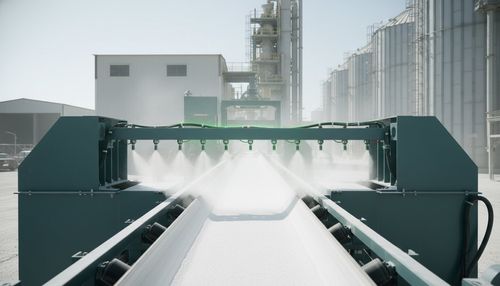
Relying solely on water also introduces the "Mud Factor." When water finally mixes with heavy dust, it creates a thick, corrosive slurry. This substance does not simply wash away. It cakes onto conveyor pulleys, idlers, and sensitive sensors. As this material dries, it hardens into a concrete-like layer that forces machinery to work harder, increasing energy consumption and mechanical strain. Transitioning to advanced chemical suppressants provides a low-moisture alternative that captures dust at the source without compromising the integrity of your mechanical systems.
The Hidden Dangers of Water-Based Suppression
Constant moisture is a primary catalyst for corrosion, especially in fertilizer processing facilities where chemical reactions are easily triggered. High-pressure misting systems also pose severe electrical risks when deployed near control panels or sensitive instrumentation. Furthermore, the structural weight of wet dust buildup is often overlooked. Accumulated "mud" on elevated conveyor structures adds unnecessary load, potentially leading to structural fatigue or alignment issues that further inflate the cost of dust-related equipment wear.
How Chemical Additives Protect Assets
Advanced chemical additives work by fundamentally altering the physics of the interaction between the suppressant and the particle. By reducing surface tension, these agents allow the solution to penetrate and bind dust effectively. This creates a durable residual effect; a single application of a high-quality suppressant can provide protection for days, whereas water evaporates in minutes. These formulations are engineered for process compatibility, ensuring they do not interfere with downstream chemical processing or product quality. To secure your infrastructure against the hidden costs of particulate damage, consider the specialized Fertilizer Dust Suppressants developed by JAS Global Industries.
The JAS Solution: Tailor-Made Asset Protection
JAS Global Industries provides more than chemical solutions. We provide security. By addressing the cost of dust-related equipment wear at its source, we protect the stability of the world's most critical supply chains. Our specialized Fertilizer Dust Suppressants and Anti-dusting Agents are engineered to neutralize the abrasive mechanisms that destroy machinery. We view every engagement as a long-term partnership focused on the fundamental needs of modern infrastructure. This commitment to reliability ensures that your assets remain operational and your production remains consistent.
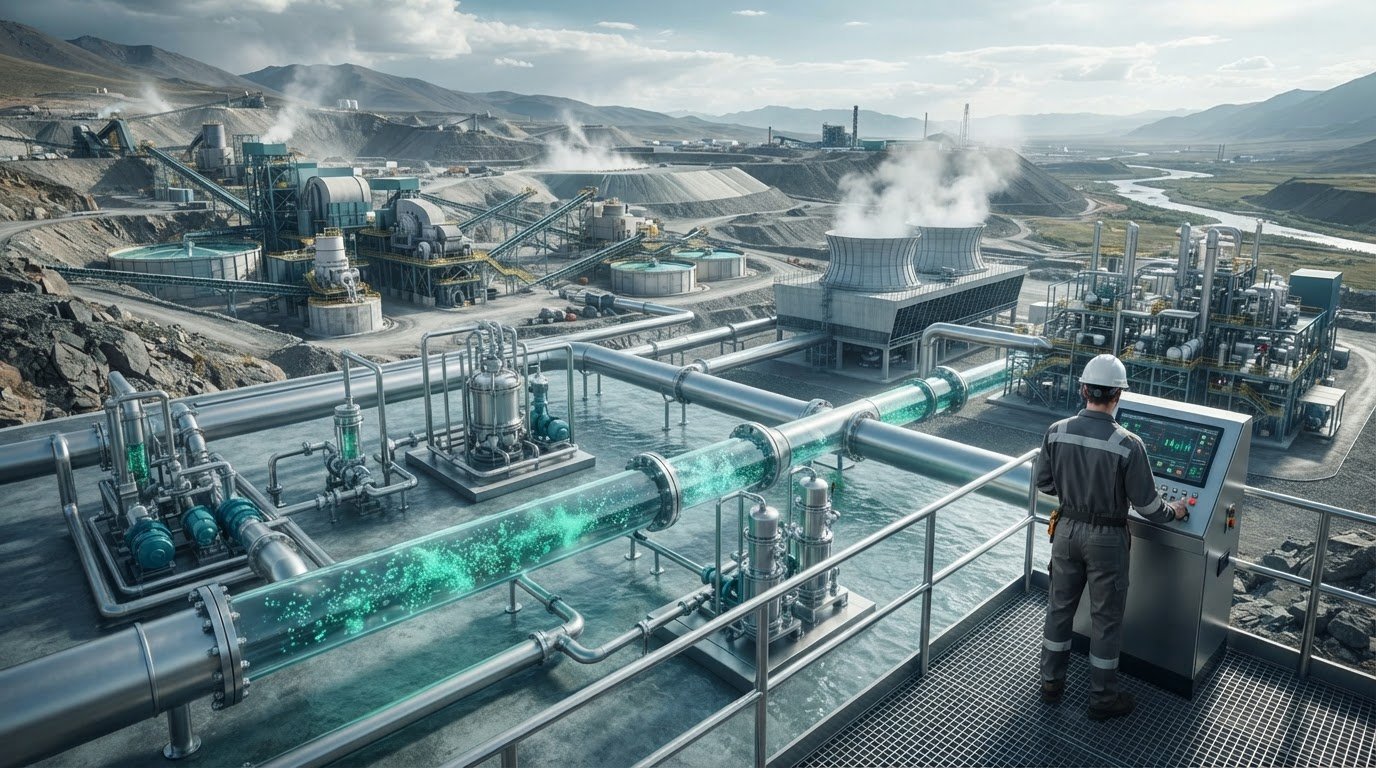
Our Research and Innovation (R&I) process is the foundation of our technical authority. We don't believe in universal solutions for diverse mineral profiles. Instead, our teams conduct detailed analyses of site-specific dust to understand its unique hardness and hygroscopy. This data-driven approach allows us to develop custom formulations that offer maximum protection for your specific environment. We act as a vital global guardian, ensuring that the materials powering global agriculture and industry are handled with the highest level of technical precision.
Custom Formulations for Global Industrial Challenges
Precision is our baseline. By analyzing the specific angularity of your facility's particulates, our technical teams develop chemistry that adheres to the material without compromising end-use quality. This is particularly critical in fertilizer maritime transport, where dust control is essential for both safety and product integrity. Field reports indicate that implementing these specialized formulations can reduce equipment wear by 30% to 50% compared to traditional water-misting methods. Our global reach allows us to deploy these solutions across diverse climates and operational scales, providing a steady shield for your critical infrastructure.
Beyond Chemicals: Technical Audits and Optimization
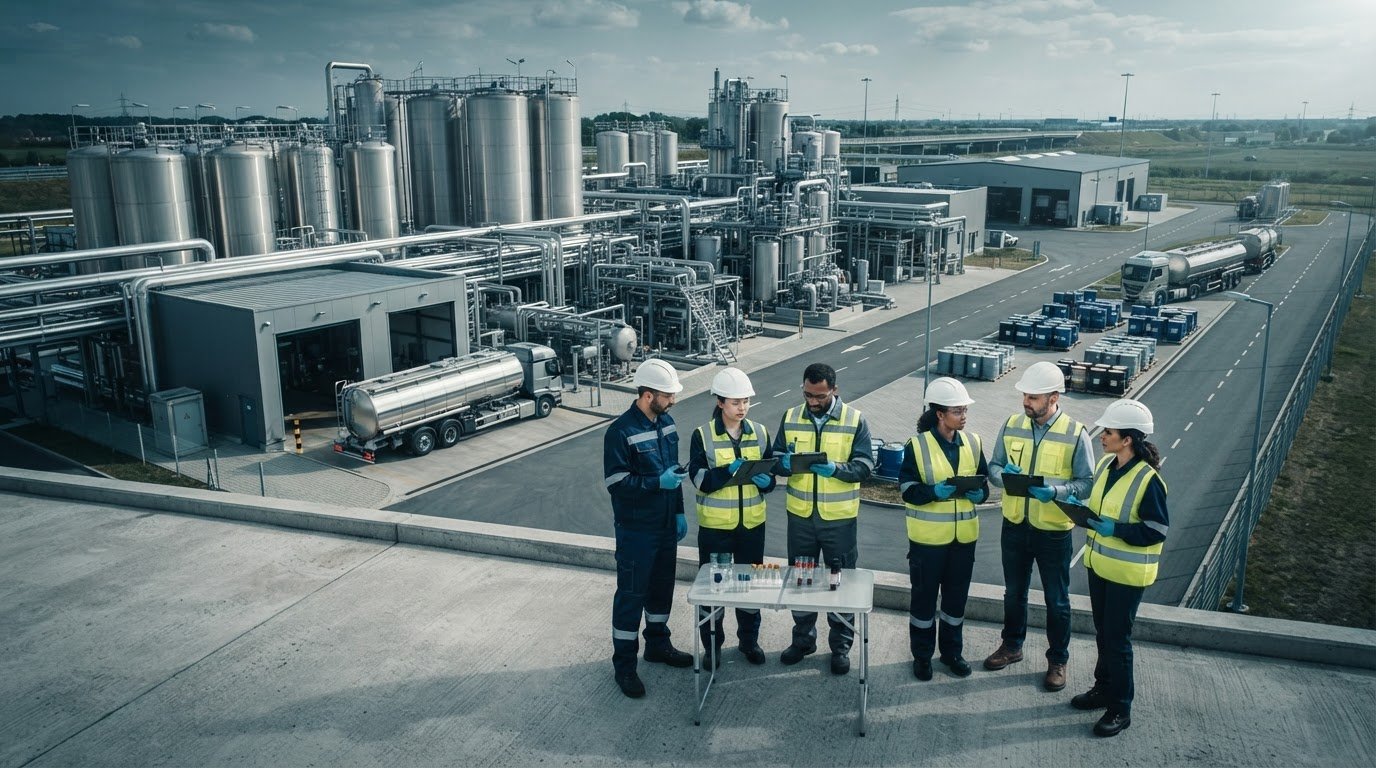
Chemical application is only one part of a comprehensive asset protection strategy. We provide on-site laboratory testing and sophisticated chemical dosing strategies to ensure efficiency. Our technical audits help plants transition from legacy water systems to modern suppressants, eliminating the "Mud Factor" and moisture-related corrosion. This transition is a strategic shift toward corporate maturity and operational excellence. We invite you to Contact JAS Global Industries for a technical audit of your dust control systems to begin quantifying your potential savings and securing your machinery's future.
Securing the Future of Your Industrial Infrastructure
Securing your facility's future requires moving beyond reactive cleaning. You've seen how particulate matter acts as a microscopic abrasive, systematically driving up the cost of dust-related equipment wear through premature failure and lost production. By replacing inefficient water-based methods with specialized chemical suppressants, you protect your assets from both mechanical grit and the corrosive effects of excessive moisture. This strategic shift ensures the stability of your operations and the longevity of your critical components.
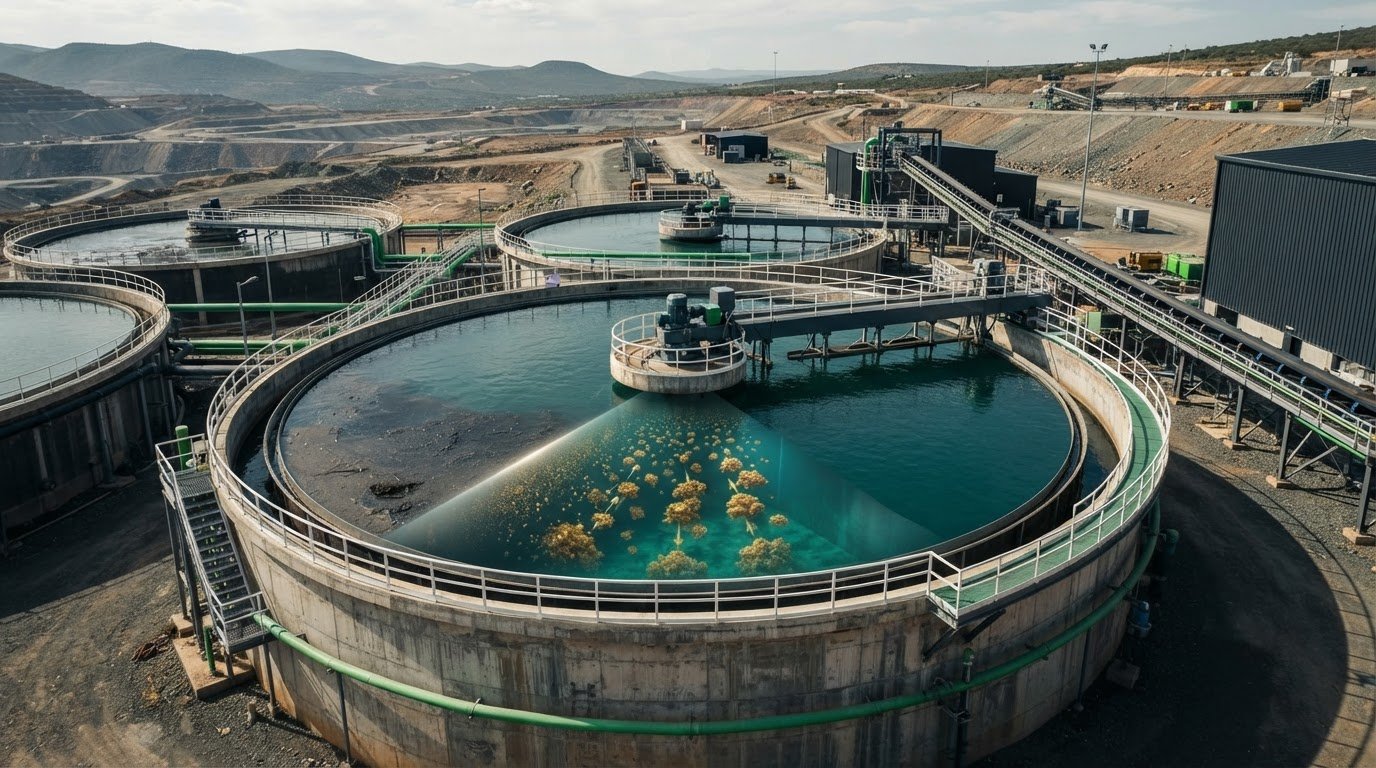
JAS Global Industries has been serving global industrial sectors since 1998. We operate multiple international R&I centers to develop custom formulations tailored to your specific mineral profiles. Our deep expertise in both fertilizer and mining chemical technologies ensures that your infrastructure remains a stable pillar of global resource production. We don't just supply chemicals; we provide the protection your machinery deserves. Our mission is to act as a vital guardian for the industries that support modern society.
Optimize your process efficiency with JAS Global Industries' specialized solutions. It's time to reclaim your maintenance budget and ensure the long-term reliability of your operations.
Frequently Asked Questions
How much does dust-related equipment wear typically cost a mining operation?
The financial impact is substantial. Unplanned equipment downtime in the manufacturing and mining sectors averages $260,000 per hour as of 2026. This figure doesn't include the accelerated replacement costs for abrasive-damaged bearings and seals. For Fortune Global 500 companies, these losses aggregate to about 11% of total annual revenues. Managing the cost of dust-related equipment wear is therefore a critical priority for maintaining operational profitability and resource security.
Why is water-based dust suppression often considered ineffective for machinery protection?
Water often fails due to the high surface tension of droplets, which prevents them from capturing fine, hydrophobic particulates. Instead of suppressing dust, water often creates a corrosive slurry that cakes onto mechanical parts. This "mud factor" increases mechanical strain and energy consumption. While water may appear cost-effective initially, it lacks the residual binding properties required to provide long-term protection for high-precision components and sensitive electronic systems.
Can chemical dust suppressants interfere with the quality of fertilizer products?
High-quality suppressants are engineered specifically for process compatibility. JAS Global Industries develops specialized Fertilizer Dust Suppressants that preserve the chemical integrity and physical properties of the final product. These agents ensure that the fertilizer remains stable during maritime transport and storage without affecting its agricultural performance. By utilizing custom formulations, producers can maintain product quality while simultaneously shielding their handling equipment from the abrasive effects of fugitive dust.
What are the most common mechanical components that fail due to industrial dust?
Bearings and mechanical seals are the most vulnerable components in any high-dust environment. Fine particulates infiltrate these parts, turning lubricants into abrasive pastes that grind away metal surfaces. Conveyor idlers also frequently seize when dust accumulates in their housings. Additionally, dust layers on motor casings act as thermal insulation, leading to heat entrapment and electrical winding failure. Protecting these specific assets is essential for ensuring the stability of modern industrial infrastructure.
How do anti-dusting agents differ from traditional anti-caking agents?
These agents serve distinct but complementary functions. Anti-dusting agents are designed to bind fine particles to the surface of granules, preventing them from becoming airborne during handling and transport. In contrast, anti-caking agents prevent the formation of chemical bonds between granules to ensure the product remains free-flowing. JAS Global Industries provides both solutions to ensure the security and stability of the product from the production line to the final application.
Is it possible to calculate the ROI of switching from water to chemical dust suppressants?
ROI is calculated by comparing the Total Cost of Ownership (TCO) of both methods. While water has low upfront costs, chemical suppressants reduce the frequency of application and significantly extend the Mean Time Between Failures (MTBF). By factoring in the reduction in labor, the decrease in energy consumption, and the preservation of sellable product, most operations see a clear financial return. This transition stabilizes the maintenance budget and secures the entire asset lifecycle.
What happens if industrial dust is left unmanaged in a high-humidity environment?
High humidity exacerbates the destructive nature of industrial dust. Hygroscopic particles, such as those found in fertilizer plants, absorb atmospheric moisture to form a corrosive paste. This substance chemically attacks metal surfaces while physically clogging intake filters and radiator fins. Left unmanaged, this combination leads to rapid corrosion and catastrophic component failure. Proactive suppression is the only reliable method to prevent this environmental synergy from destroying your critical machinery.
How does JAS Global Industries customize formulations for different types of mineral dust?
Customization begins with a technical audit and laboratory analysis of the site-specific mineral dust. JAS Global Industries evaluates the hardness, angularity, and chemical profile of the particulates to determine the optimal binding chemistry. This process ensures that the suppressant effectively reduces the cost of dust-related equipment wear without interfering with downstream processing. Our international R&I centers provide the technical expertise needed to develop these specialized, site-specific protection strategies.