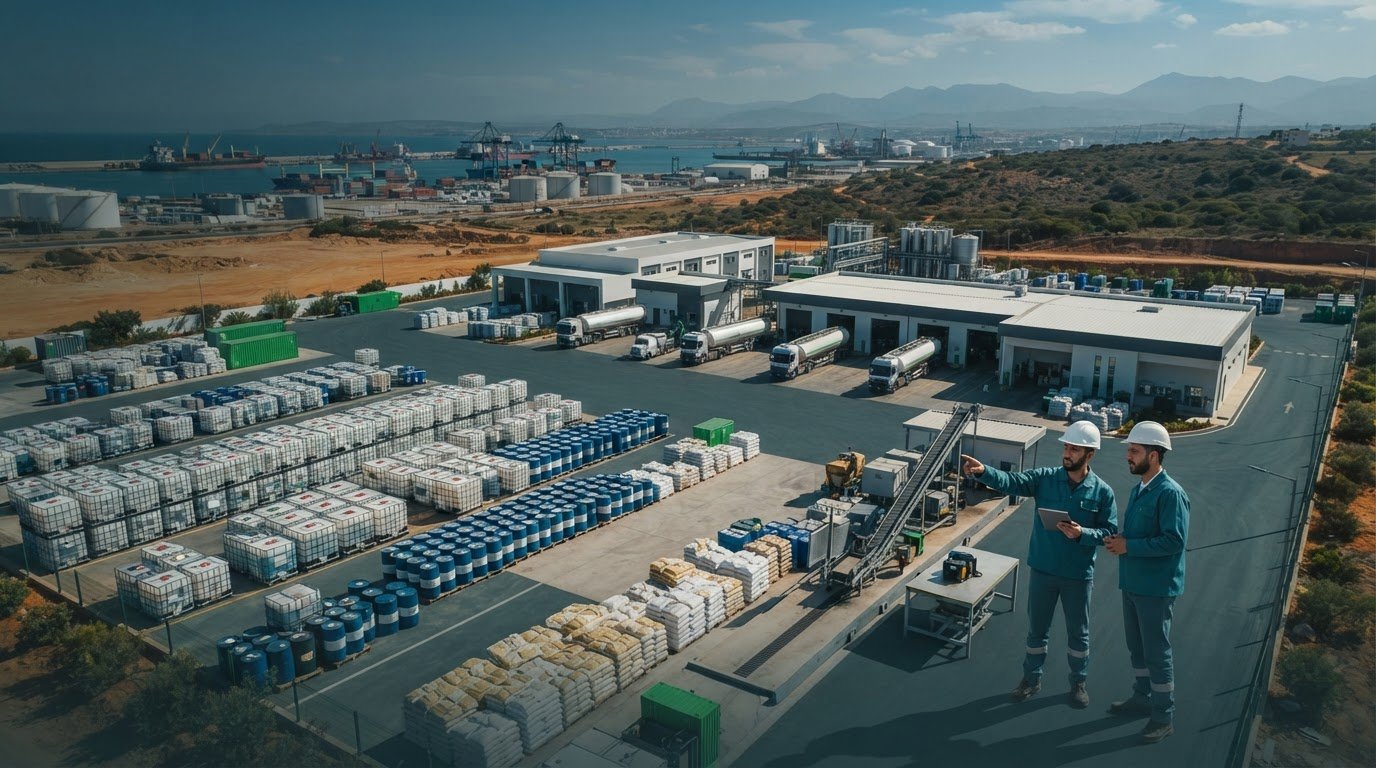


What if the dust cloud surrounding your load-out zone is actually a visible map of your declining profit margins? For most operators, airborne particles represent more than just a respiratory risk; they're a direct leak in the facility's balance sheet. Implementing advanced dust suppression techniques in fertilizer plants is no longer a matter of simple industrial housekeeping. It's a fundamental requirement for operational stability and global resource protection. With the National Dust Control Regulations (NDCR 2026) now mandating strict compliance, the cost of inaction has never been higher.
You recognize that every ton of product lost to the atmosphere is revenue that fails to reach the field. This guide will show you how to eliminate that loss and secure your facility against penalties that can reach R10 million under the latest standards. We'll explore the shift from reactive mechanical collection to proactive chemical stabilization using high-performance anti-dusting agents. By the end of this article, you'll understand how to maintain product flowability, meet PM10 standards, and reduce your maintenance overhead through a strategy of total resource security.
Key Takeaways
- Quantify the "invisible drain" of product loss caused by mechanical attrition and identify high-risk dust generation points across your facility.
- Evaluate the performance gap between reactive mechanical collection and proactive chemical stabilization to choose the most efficient solution for your process.
- Learn to apply advanced dust suppression techniques in fertilizer plants to manage the unique physical properties of urea, phosphates, and complex NPK blends.
- Master a technical framework for implementation that combines comprehensive onsite audits with laboratory-verified chemical matching.
- Shift your operational focus from basic procurement to strategic resource protection through tailor-made formulations and long-term technical partnerships.
The Critical Impact of Dust in Fertilizer Manufacturing
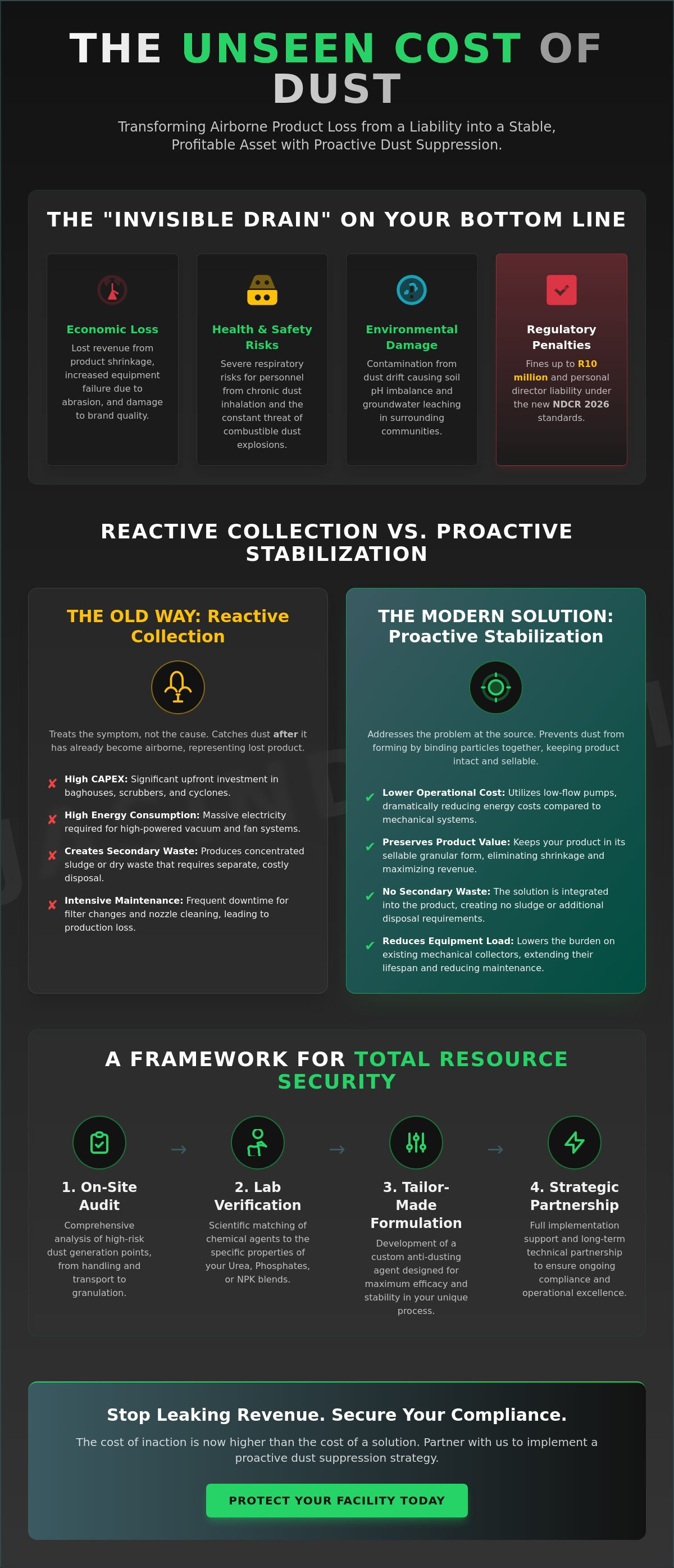
Fertilizer dust is more than a byproduct; it's a direct symptom of mechanical attrition. As granules collide during handling, transport, and granulation, they break down into fine particles. This creates an "invisible drain" on your facility's total output. In high-volume operations, airborne product represents a significant loss of sellable inventory. We call this shrinkage. It compromises the structural integrity of your supply chain and your bottom line. Implementing effective dust suppression techniques in fertilizer plants transforms this airborne liability into a stable, profitable asset.
The regulatory environment has shifted fundamentally in 2026. The National Dust Control Regulations (NDCR 2026), which took effect on March 31, 2026, have replaced all previous standards. Facilities are now required to transition to the SANS 1137 test method for dustfall measurement within six months. Non-compliance is no longer a manageable risk. First offenses carry fines up to R5 million, while subsequent violations can reach R10 million. Directors now face personal liability for these failures. This makes air quality a matter of corporate survival and ethical responsibility.
Economic Consequences of Uncontrolled Attrition
Revenue leaks through the vents of every unoptimized plant. When product turns to dust, you lose the initial raw material costs and the energy invested in granulation. Beyond direct loss, dust degrades your brand's physical identity. Farmers expect free-flowing, clean granules; dusty product suggests poor quality and creates handling difficulties. Additionally, abrasive particles accelerate mechanical failure. They clog bearings and invite corrosion, shortening the lifespan of expensive conveyors and elevators. Investing in proactive protection ensures a higher ROI than reactive repairs.
Health and Environmental Compliance
Protecting personnel is a moral imperative. Chronic inhalation of phosphate or nitrogenous dust creates severe respiratory risks for on-site teams. Beyond the fence line, dust drift causes soil pH imbalances and groundwater leaching in neighboring communities. It's vital to implement comprehensive Dust abatement methods to prevent environmental contamination. The risk of combustible dust explosions remains a constant threat in confined storage areas. Following standards like NFPA 61 helps mitigate these catastrophic events. Utilizing modern dust suppression techniques in fertilizer plants safeguards your people and the planet simultaneously.
Mechanical vs. Chemical Dust Suppression Techniques
Industrial operators traditionally relied on hardware to capture what was already lost. Baghouses, cyclones, and wet scrubbers act as the final line of defense in the plant environment. They're essential but reactive. Modern dust suppression techniques in fertilizer plants have shifted the focus toward prevention. By applying specialized surfactants and coatings, we address the problem at the source. This is the fundamental difference between catching a leak and sealing the pipe. Choosing the right fertilizer dust suppressants can transform your facility's efficiency.
The most resilient facilities now utilize a hybrid approach. They integrate chemical additives to reduce the overall load on mechanical systems. This strategy is primarily driven by energy efficiency. High-powered vacuum systems require massive amounts of electricity to maintain constant suction. In contrast, chemical dosing systems utilize low-flow pumps. This provides a more sustainable profile for facilities targeting carbon neutrality. It's a calculated move that lowers your carbon footprint while ensuring total process stability.
Limitations of Mechanical Dust Collection
Mechanical systems demand high CAPEX and ongoing operational investment. A large-scale scrubber installation isn't just expensive; it creates a "waste shift" problem. You aren't eliminating the dust; you're creating concentrated sludge or dry waste that requires separate handling. Maintenance is also intensive. Filter replacements and nozzle clogging in wet systems lead to frequent, costly downtime. These systems treat the symptom of attrition rather than the cause. They're a necessary safety net, but they shouldn't be the only solution.
The Science of Chemical Dust Stabilisation
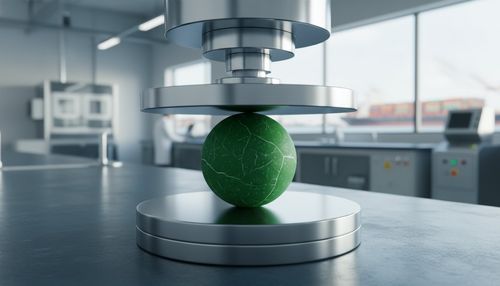
Chemical stabilization works through molecular binding. Suppressants increase the surface tension and cohesion of the granules. This prevents fine particles from breaking off during the rigors of maritime shipping. Adhering to Fertilizer Storage and Handling best practices includes selecting a chemical partner that understands these molecular interactions. Compatibility is non-negotiable. Our formulations ensure that the suppressant protects the granule without affecting the nutrient release profile. This keeps the product intact from the plant floor to the final application in the field.
Evaluating Chemical Suppressants for Different Fertilizer Types
Effective dust suppression techniques in fertilizer plants require a deep understanding of mineralogy. Dust isn't a uniform problem. Each substrate possesses unique physical and chemical characteristics that dictate how it breaks down. Treating Urea with the same formulation used for Potash is a recipe for operational failure. You must match the suppressant to the specific hygroscopicity and surface tension of the granule to ensure long-term stability. This precision turns a standard chemical application into a strategic asset for resource protection.
Urea and nitrogenous fertilizers are notoriously hygroscopic. They absorb moisture from the air, which weakens the prill and leads to rapid attrition. For these products, suppressants must act as a high-performance moisture barrier. Conversely, phosphate and granulated NPK blends have rugged, uneven surfaces. They require high-coverage coatings that can fill micro-fissures and prevent edge-breakage during handling. In mining-adjacent plants, Potash presents a different challenge: fine-particle attrition. Here, the goal is to bind micro-fines to the larger granule without causing clumping. Utilizing advanced dust suppression techniques in fertilizer plants ensures these diverse mineral profiles remain intact throughout the supply chain.
Oil-Based vs. Polymer-Based Coatings
Traditional mineral oils have served the industry for decades. They're cost-effective but come with environmental limitations and potential leaching issues. Advanced polymers and waxes offer a superior alternative. These formulations create a durable, flexible skin on the granule. This protective layer maintains integrity even under the pressure of bulk storage. According to the Washington State Department of Ecology guide, selecting the right chemical family is essential for meeting modern environmental safety standards. Bio-based and biodegradable suppressants are now the benchmark for sustainable global infrastructure. They provide a competitive edge for exporters targeting markets with strict ESG requirements.
Specialized Formulations for Extreme Climates
Climate is a critical variable in dust management. Coastal fertilizer terminals face high humidity that can turn dry product into a dusty, caked mess within hours. Formulations designed for these regions focus on hydrophobic protection. In contrast, arid environments like the Middle East require heat-stable coatings. These prevent the suppressant from thinning or evaporating in high-temperature storage. Ensuring flowability during long-distance maritime export is the ultimate test. A well-engineered coating keeps the product stable through multiple transfer points and varying climatic zones. It's about protecting the resource from the plant gate to the final destination.
Implementing a Dust Suppression Strategy: A Technical Framework
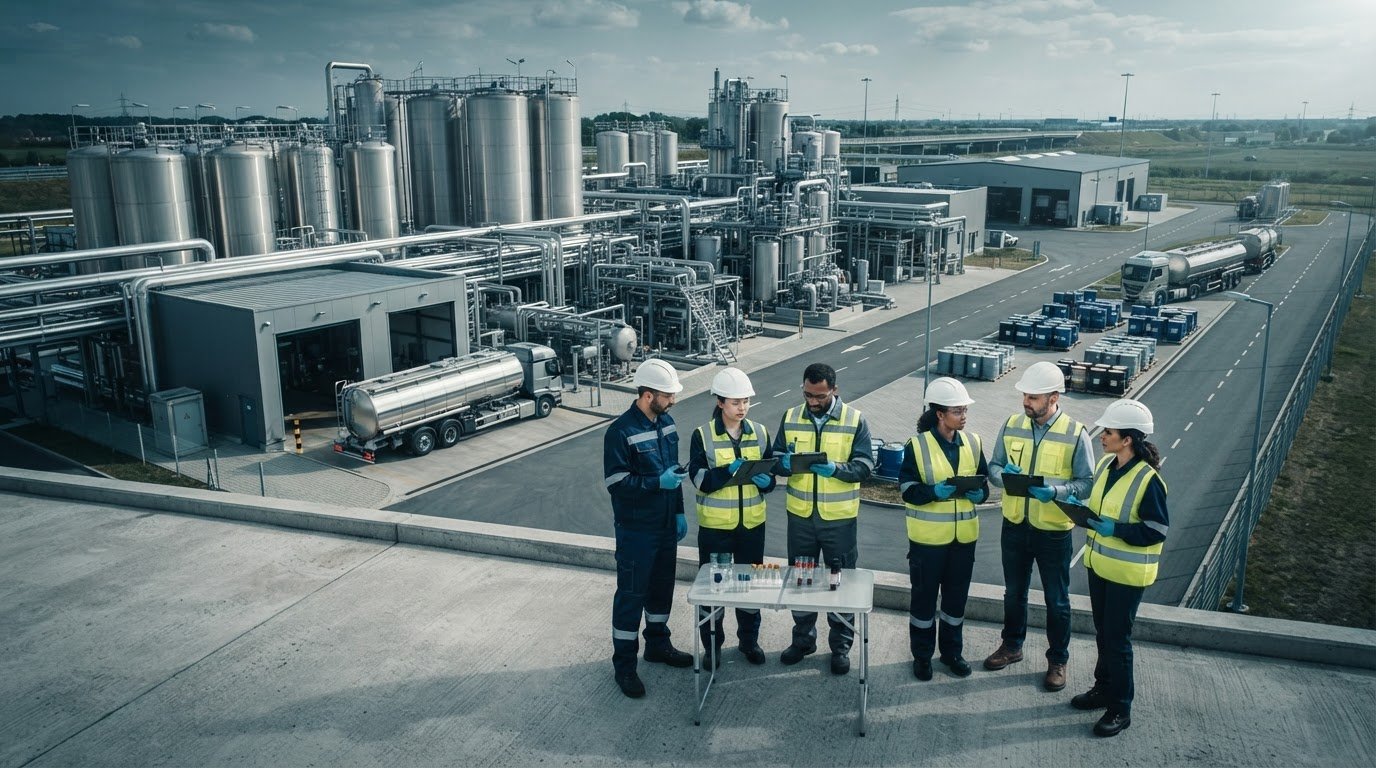
Transitioning from reactive hardware to proactive stabilization requires a structured methodology. A successful deployment of dust suppression techniques in fertilizer plants isn't a "plug-and-play" event. It's a phased engineering process. We begin with a rigorous Technical Audit. Our specialists map the production line to identify critical dust generation points, such as conveyors, chutes, and elevators. By pinpointing exactly where attrition occurs, we ensure that chemical intervention happens at the precise moment of impact. This is resource security in action.
Phase 2 involves Laboratory Testing. We analyze your specific fertilizer substrate to match it with the ideal chemical formulation. As established earlier, the needs of Urea differ vastly from Potash. Once the formulation is verified, we move to Phase 3: Dosing System Integration. This is where precision engineering meets chemical expertise. We install automated dosing units that link additive flow directly to production tonnage. Finally, Phase 4 focuses on Monitoring and Optimization. With the NDCR 2026 requiring monthly implementation reports, real-time air quality tracking is no longer optional. It's a mandatory component of process stability.
Identifying Attrition Hotspots
Mapping the production line reveals the hidden sources of shrinkage. Attrition hotspots typically occur at transfer points where free-fall heights are unmanaged. High-velocity impacts during vertical drops shatter granules into fine particles. We evaluate current airflow and ventilation effectiveness to see if existing mechanical systems are being overwhelmed. By reducing drop heights and optimizing chute angles, we minimize the physical stress on the product. This creates a more stable environment for our fertilizer dust suppressants to perform their protective function.
Precision Dosing and Application
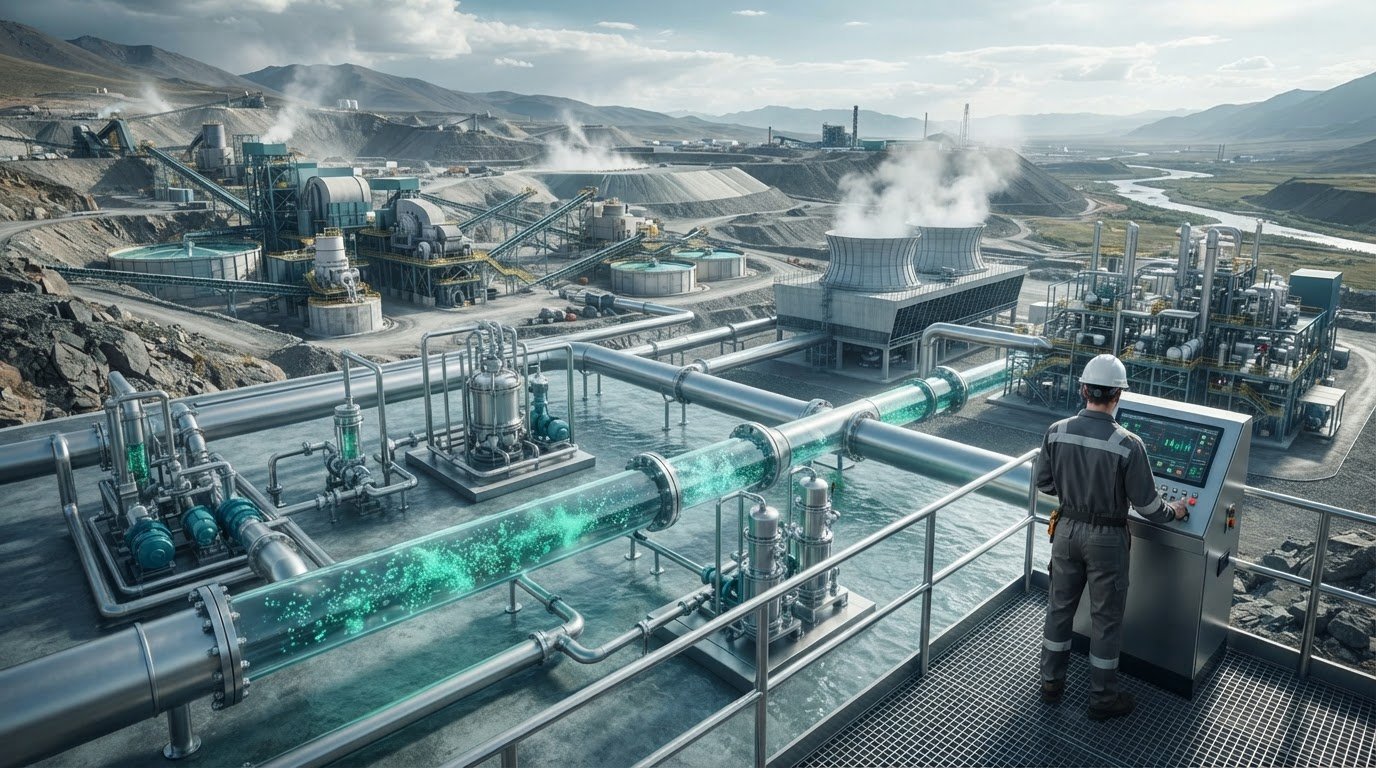
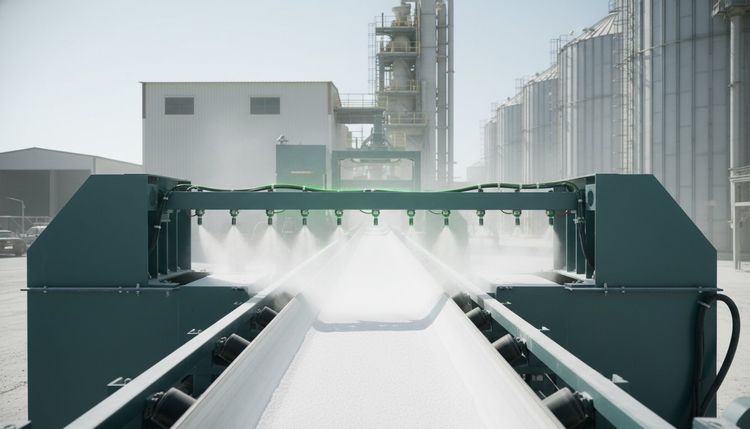
Uniform coverage is the key to cost-efficiency. If the coating is uneven, you risk over-wetting some granules while leaving others exposed. We configure spray nozzle arrays to ensure every granule receives a microscopic, protective layer. Modern dosing systems use flow meters and PLC integration to adjust chemical volume based on real-time tonnage. This prevents waste and ensures that you use the minimum amount of additive required for maximum protection. Troubleshooting common issues like nozzle clogging or uneven spray patterns is a standard part of our ongoing technical partnership. We don't just sell chemicals; we secure your entire process.
The JAS Approach: Tailor-Made Solutions for Global Infrastructure
At JAS Global Industries, we view industrial challenges through a lens of global responsibility. We aren't just a chemical supplier; we're a technical partner committed to the stability of critical resources. Implementing advanced dust suppression techniques in fertilizer plants is a specialized field that demands more than off-the-shelf products. It requires a deep integration of chemical expertise and operational strategy. Our mission is to transform your production line into a high-efficiency engine that protects both your product and the environment. We act as an indispensable pillar of modern infrastructure by ensuring that vital nutrients reach their destination intact.
Our Research and Innovation (R&I) Centers serve as the heartbeat of our operation. Here, we develop bespoke formulations tailored to the unique mineral profiles of each client. Whether you're processing phosphate in North Africa, urea in Asia, or potash in Europe, our local expertise ensures that your specific substrate receives the exact protection it needs. This global reach allows us to act as a foundational industry presence. By securing the integrity of fertilizer granules, we contribute directly to global food security. Stable product means reliable nutrient delivery to the world's farmers, reinforcing the stability of the global food supply chain.
Custom Chemical Engineering for Fertilizer Producers
JAS Global Industries leverages over 25 years of experience in specialty industrial chemicals to solve the most complex attrition problems. Our technical approach focuses on long-term value rather than simple logistics. While some view consulting as an added expense, our partners see it as a pathway to significant operational savings. By reducing product loss and minimizing equipment downtime, the ROI of a tailored chemical strategy becomes clear. We've seen industry professionals report that precision engineering is the most effective way to manage "invisible" shrinkage, turning airborne waste back into sellable inventory. This commitment to results-driven solutions defines our corporate personality.
Securing the Future of Resource Management
The industrial landscape of 2026 demands a shift toward sustainable and cost-effective formulations. We're leading this transition by developing bio-based suppressants that meet the most stringent ESG standards. Partnering with us provides access to comprehensive chemicals management plans that align with the latest regulatory shifts, including the NDCR 2026 requirements discussed earlier. We focus on the fundamental needs of society by ensuring that the resources we manage today remain available for tomorrow. It's time to move beyond reactive maintenance and embrace proactive protection. Optimize your plant's efficiency with a JAS technical audit and secure your facility's future.
Securing Your Process for a Sustainable Future
Operational stability in 2026 requires a shift from containment to total resource protection. You've seen how reactive mechanical systems often fall short of modern regulatory thresholds and fail to stop the invisible drain of product loss. By adopting integrated dust suppression techniques in fertilizer plants, you transform a persistent industrial liability into a streamlined, compliant asset. This transition secures your margins, protects your personnel, and ensures the long-term reliability of the global food supply chain.
JAS Global Industries has been a trusted industry pillar since 1998. As a leading provider of anti-caking and anti-dusting agents, we provide more than just chemicals; we offer a foundation of security. Our bespoke R&I laboratory testing ensures that every formulation is optimized for your specific mineral profile and climatic conditions. It's time to elevate your facility's performance and meet the future with confidence. Partner with JAS Global Industries for Advanced Fertilizer Dust Solutions and take the first step toward a more stable, efficient, and responsible operation today.
Frequently Asked Questions
What is the difference between dust collection and dust suppression?
Dust collection is a reactive process that captures particles after they've already left the product stream. Dust suppression is a proactive strategy that treats the granule surface to prevent particles from escaping in the first place. While collection systems like baghouses are necessary for safety, suppression addresses the root cause of attrition. This dual approach ensures total resource security by keeping the product in the bag rather than in the filter.
Will chemical dust suppressants affect the color or quality of my fertilizer?
High-quality chemical suppressants are engineered to be chemically inert and shouldn't alter the nutrient profile or physical appearance of your fertilizer. They create a microscopic, transparent barrier that preserves prill integrity without affecting water solubility or soil interaction. If aesthetic consistency is a priority, specialized agents can even enhance the surface gloss of the granule, making the final product more appealing to end-users.
How much product is typically lost to dust in a standard fertilizer plant?
Product loss through airborne dust, often called shrinkage, varies based on plant efficiency and handling rigors. Even minor losses at multiple transfer points accumulate into significant tonnage over a fiscal year. This "invisible drain" represents a direct hit to your profit margins. Implementing dust suppression techniques in fertilizer plants helps recapture this lost revenue by maintaining the mass of the product from the granulation drum to the final shipping container.
Are JAS Global Industries dust suppressants compatible with organic or specialty fertilizers?
Yes, JAS Global Industries provides a range of bio-based and biodegradable formulations specifically designed for the specialty fertilizer market. These products provide high-level protection while meeting the strict environmental requirements of organic certifications. We focus on ensuring that our chemical solutions align with your facility's sustainability goals and the specific needs of sensitive agricultural ecosystems. Our technical teams match the suppressant to your specific substrate for maximum compatibility.
How do I determine the correct dosing rate for my specific granulation process?
The ideal dosing rate is determined through a combination of on-site technical audits and laboratory substrate analysis. We link the dosing flow rate directly to your production tonnage to ensure consistent coverage. Factors like the surface area of the granule, ambient humidity, and the expected duration of storage all influence the final calculation. This precision prevents over-application while ensuring total granule stabilization across the entire production run.
What are the environmental regulations regarding fertilizer dust emissions in 2026?
The National Dust Control Regulations (NDCR 2026) established strict new thresholds as of March 31, 2026. Residential dustfall limits are set at 600 mg/m²/day, while non-residential areas are capped at 1,200 mg/m²/day over a 30-day average. Facilities must now use the SANS 1137 test method for compliance. These regulations make proactive dust suppression techniques in fertilizer plants a critical requirement for corporate risk management and personal director liability.
Can chemical suppressants be used in conjunction with existing baghouses?
Chemical suppressants work effectively alongside existing mechanical systems like baghouses and scrubbers. In fact, a hybrid strategy is often the most cost-effective approach for large-scale plants. By stabilizing the product chemically, you reduce the volume of dust entering your mechanical filters. This leads to lower energy consumption, fewer filter replacements, and reduced maintenance overhead for your hardware, extending the overall lifespan of your plant infrastructure.
How does maritime transport impact the dust levels of bulk fertilizers?
Maritime transport is a high-stress environment where constant vibration and friction lead to significant granule attrition. Bulk fertilizers often arrive at their destination with much higher dust levels than when they left the production facility. Applying a durable, flexible coating before export is essential for maintaining product quality during long-distance shipping. This ensures the fertilizer remains free-flowing and dust-free upon arrival at international terminals regardless of the journey length.