

In 2026, phosphate rock has transcended its status as a simple commodity to become a critical mineral protected by the U.S. Defense Production Act and stringent Chinese export mandates. With high-grade rock prices holding at $170 per metric ton as of August 2026, the industry faces a sobering reality where easy-to-reach reserves are disappearing. You're likely managing the complex challenge of extracting value from lower-grade ores while navigating rising energy costs and strict environmental oversight. Utilizing advanced Phosphate Mining Chemicals is no longer just an operational choice; it's a strategic necessity for global resource security and long-term stability.
We understand that maximizing P2O5 recovery rates while managing tailings responsibly feels like a constant balancing act. You need reliable solutions that bridge the gap between technical efficiency and ethical responsibility. This article reveals how specialty collectors, frothers, and grinding aids transform these industrial hurdles into sustainable yields and higher profitability. You'll learn how tailor-made formulations reduce moisture in final concentrates and help secure the global fertilizer supply chain. We'll examine the technical innovations that protect your margins and the planet simultaneously, moving from macro global trends to the specific applications that optimize recovery and secure resources.
Key Takeaways
- Understand how Phosphate Mining Chemicals serve as a strategic asset for maximizing P2O5 recovery and ensuring global fertilizer supply chain stability.
- Learn to optimize flotation circuits by selecting specific collectors and frothers that improve mineral separation and froth mobility.
- Discover the geological criteria used to determine whether direct or reverse flotation frameworks provide the highest beneficiation yields.
- Reduce specific energy consumption and accelerate water recovery through the targeted use of mining grinding aids and flocculants.
- Explore how tailor-made chemical formulations and on-site technical consulting identify process bottlenecks to secure long-term operational reliability.
Phosphate Mining Chemicals: The Foundation of Global Resource Security
Phosphate is the lifeblood of global agriculture. Without it, modern crop yields would collapse, threatening the stability of the global food supply. Phosphate mining chemicals are the specialized reagents designed to unlock this value; they work at a molecular level to separate vital minerals from unwanted gangue like silicates and carbonates. This process, known as Phosphate rock beneficiation, is the critical first step in a value chain that moves from the pit to refined phosphoric acid and, ultimately, to the fertilizers that feed the world.
In 2026, the strategic importance of these chemicals has reached a new peak. With the United States and China both designating phosphate as a critical national resource, the ability to maximize every ton of ore is a matter of national security. Efficient mining chemistry is the only way to bridge the gap between dwindling high-grade reserves and the rising global demand for nutrients. It's a field where technical precision meets global responsibility, ensuring that essential minerals remain accessible and affordable.
The Growing Complexity of Phosphate Extraction
The era of easily accessible, high-grade igneous phosphate is fading. Today, miners must contend with complex sedimentary deposits that carry difficult impurity profiles. These ores often contain high levels of magnesium, iron, and aluminum, which interfere with traditional processing methods. Generic, off-the-shelf reagents often struggle to meet modern recovery KPIs because they lack the specificity to handle these varying mineralogies. As ore grades decline, the chemical requirements become more precise. Efficient extraction now demands a deeper understanding of mineralogy and a more sophisticated chemical approach to handle the transition from simple to complex ore bodies.
Specialty Chemicals as Strategic Assets
Chemical innovation has transformed from a simple line-item expense into a strategic asset for resource security. Specialty Phosphate Mining Chemicals do more than just improve recovery; they reduce the environmental footprint of the entire operation. By optimizing the performance of collectors, frothers, and modifiers, mines can process lower-grade ores that were previously considered unviable waste. This capability effectively expands the world's usable reserves without requiring the opening of new, ecologically sensitive sites.
It's a synergy where advanced chemistry protects both the economic viability of the mine and the long-term stability of global resources. Tailor-made formulations allow for better water management and more stable tailings, addressing the stringent environmental regulations that define the modern mining landscape. By focusing on the core reagent categories, collectors that target specific minerals, frothers that manage bubble stability, and modifiers that control surface chemistry, operators can ensure their facility remains a reliable pillar of the global infrastructure.
Optimizing the Beneficiation Circuit: Collectors, Frothers, and Modifiers
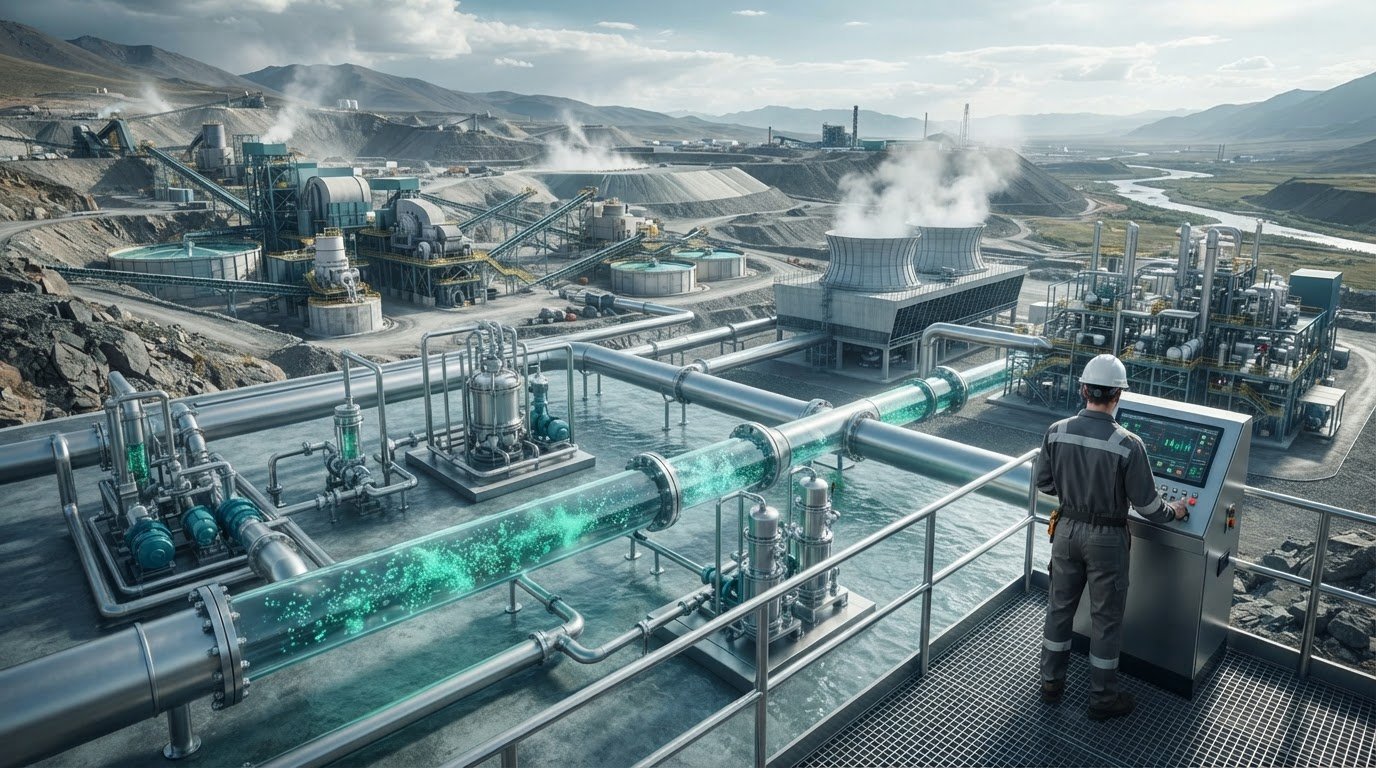
The Modern phosphate mining process relies on the precise chemical separation of apatite from waste minerals. At the heart of this operation is the flotation circuit. Here, Phosphate Mining Chemicals act as molecular architects. They manipulate the surface properties of minerals to ensure that valuable phosphate floats while impurities remain submerged. This delicate chemical balance determines the economic viability of the entire mining project.
Mining Flotation Collectors: Tailoring Selectivity
Collectors are the primary agents for mineral recovery. These reagents attach to the phosphate mineral surfaces, making them hydrophobic and ready for air-bubble attachment. While anionic fatty acid collectors are standard for many igneous ores, complex sedimentary deposits often require cationic collectors or sophisticated blends. JAS Global develops these tailor-made formulations by auditing site-specific mineralogy. We account for variables like slurry temperature and water salinity, which can drastically alter collector efficiency. Choosing the right chemical chain length ensures maximum P2O5 recovery even in the most challenging environments.
Frothers and Depressants: Managing the Interface
If collectors provide the attraction, frothers provide the transport. Mining frothers reduce surface tension to create a stable, mobile froth layer. This layer must be robust enough to carry heavy mineral particles to the surface but fragile enough to break down quickly once it reaches the launders. Without this balance, recovery rates plummet and operational costs soar.
Mining depressants serve as the gatekeepers of the circuit. They selectively coat gangue minerals like carbonates and silicates, preventing them from attaching to air bubbles. The synergy between these reagents is delicate. A slight imbalance in the frother-to-depressant ratio can lead to "over-frothing" or poor selectivity. It's not just about the individual chemicals; it's about the ratio and timing of their introduction into the slurry.
Precision in reagent application is non-negotiable for long-term plant health. Excess collectors or frothers don't just waste resources; they carry over into downstream phosphoric acid plants. This contamination causes severe foaming in reactors and interferes with gypsum filtration. By conducting on-site audits, our technical teams identify the exact dosing thresholds required to maintain high yields without compromising downstream equipment. You can consult with our specialists to refine your reagent strategy and secure your production targets.
Direct vs. Reverse Flotation: A Reagent Selection Framework
The choice of a flotation circuit is a fundamental engineering decision that dictates the long-term economic viability of a mine. Selecting the right Phosphate Mining Chemicals requires a deep understanding of the ore's geological signature. While the goal is always to maximize P2O5 grade and recovery, the path to achieving those results varies significantly between direct and reverse flotation strategies. A misaligned reagent suite doesn't just lower yields; it creates operational inefficiencies that ripple through the entire processing plant.
When to Choose Direct Flotation
Direct flotation is the preferred method for igneous or sedimentary ores where silicates are the primary gangue mineral. In this circuit, collectors specifically target the apatite, lifting the valuable mineral into the froth while leaving the silica in the tailings. This approach is common in regions with low-carbonate deposits. The typical reagent suite includes fatty acids and fuel oil blends, which provide a robust and cost-effective recovery path. Operations benefit from a simpler circuit design and lower reagent diversity, making it a reliable choice for consistent, high-grade deposits.
The Case for Reverse Flotation
Reverse flotation is essential for the high-carbonate sedimentary ores frequently found in North Africa and the Middle East. In these deposits, the chemical similarities between phosphate and carbonate minerals like dolomite and calcite make direct separation difficult. Instead of floating the phosphate, specialized collectors are used to float the impurities. This allows for the suppression of carbonate minerals first, significantly upgrading the P2O5 content in the remaining slurry. It's a precise process that requires sophisticated mining depressants and pH regulators to maintain selectivity.
Many modern facilities utilize the Crago process, also known as double flotation. This method combines both techniques: an initial fatty acid flotation of the phosphate followed by a reverse cationic flotation to remove remaining silica. According to the EPA explanation of fertilizer production, the purity of this final concentrate is vital because it determines the efficiency of the subsequent acidulation step. High impurity levels in the concentrate lead to excessive acid consumption and the creation of lower-quality phosphogypsum byproducts.
A comprehensive cost-benefit analysis of reagent consumption is vital for circuit design. While reverse or double flotation circuits require a more complex array of Phosphate Mining Chemicals, they often unlock value from ores that would otherwise be unmarketable. JAS Global works with plant engineers to balance these reagent costs against the increased market value of the final concentrate. By optimizing the dosing and selection of collectors and frothers, we ensure that even the most complex ores contribute to global resource security without compromising the mine's profitability.

Enhancing Operational Yield: Grinding Aids and Water Management
Operational efficiency in the phosphate sector is defined by more than just recovery rates. It's measured by how effectively a mine manages its two most constrained resources: energy and water. In an era where sustainability and resource security are paramount, Phosphate Mining Chemicals serve as essential tools for reducing the environmental footprint of heavy industry. By addressing the bottlenecks in comminution and water recycling, these advanced reagents ensure that mineral processing remains both economically viable and socially responsible.
Grinding Aids: Breaking the Energy Barrier
Comminution is often the most energy-intensive stage of the beneficiation process. Specialized mining grinding aids work by reducing the surface energy of particles during the grinding process, preventing re-agglomeration and reducing the "cushioning" effect within the mill. This chemical intervention allows for a significant reduction in specific energy consumption (kWh/t) while simultaneously increasing throughput. Operators can achieve finer grinds without the need for larger, more capital-intensive equipment. This approach is a core component of our broader strategy for Mining Solutions: Advanced Chemistry for Global Resource Security, where efficiency and protection go hand in hand.
Tailings Management and Water Recovery
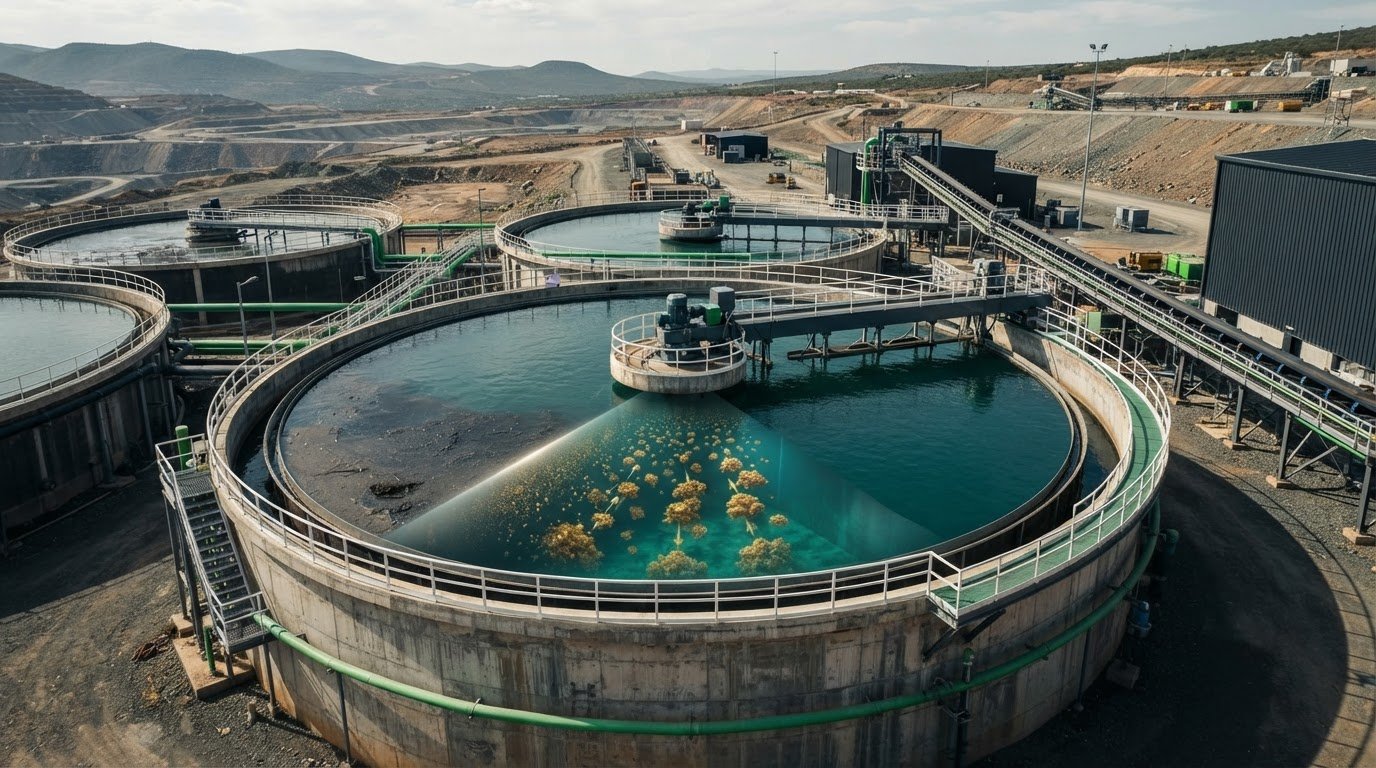
Effective water management is a critical requirement for mines operating in arid regions like North Africa or the Middle East. Mining flocculants are used to accelerate the thickening of tailings, allowing for the rapid recovery and recycling of process water. This reduces the reliance on fresh water intake and ensures that the mine's impact on local aquifers is minimized. Beyond water recovery, modern operations must also address the human impact of their work. Integrated mining odor and gas treatment solutions protect the health and safety of both workers and neighboring communities by neutralizing volatile compounds before they leave the site.
Infrastructure protection is the final pillar of operational yield. The chemical circuits used to produce phosphoric acid are highly susceptible to mineral scaling, which can lead to frequent, costly downtime. Integrating water treatment antiscalants and scale inhibitors into the process water circuit prevents the buildup of calcium and magnesium deposits. This keeps the infrastructure running at peak performance and extends the life of critical equipment. To see how these solutions can be integrated into your specific circuit, explore our full range of specialty mining chemicals and technical consulting services.
Advanced Chemical Solutions: The JAS Global Industries Advantage
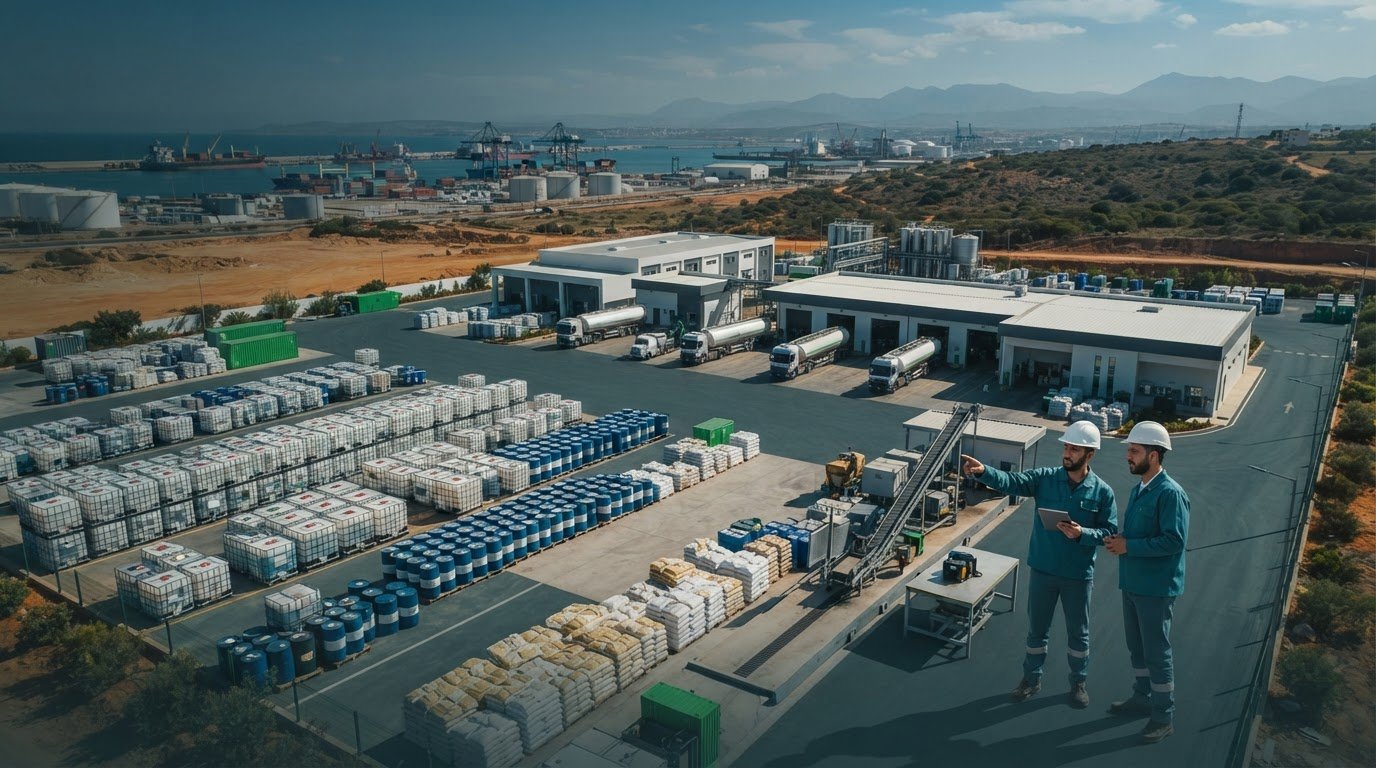
Since 1998, JAS Global Industries has served as a foundational presence in the specialty chemical sector. We aren't merely a supplier; we're a global guardian of the resources that sustain modern society. From our headquarters in Dubai, we manage a vast distribution and technical support network that spans the Middle East, Africa, Asia, and Europe. Our mission is to provide the reliability and technical expertise required to secure the world's most critical mineral supply chains. By providing advanced Phosphate Mining Chemicals, we ensure that industrial operators can meet the rising global demand for nutrients with confidence and precision.
We recognize that the mining beneficiation circuit is the first step in a much larger, global value chain. The quality of the phosphate concentrate produced at the mine site determines the efficiency of the entire downstream fertilizer production process. High-purity concentrates lead to better acidulation yields and higher-quality final products. This technical synergy is why we emphasize the link between our mining reagents and our specialized Fertilizer Anti-caking Agents. We provide the end-to-end chemical security that keeps industrial materials flowing from the pit to the farm.
Tailor-Made Formulations and Process Optimization
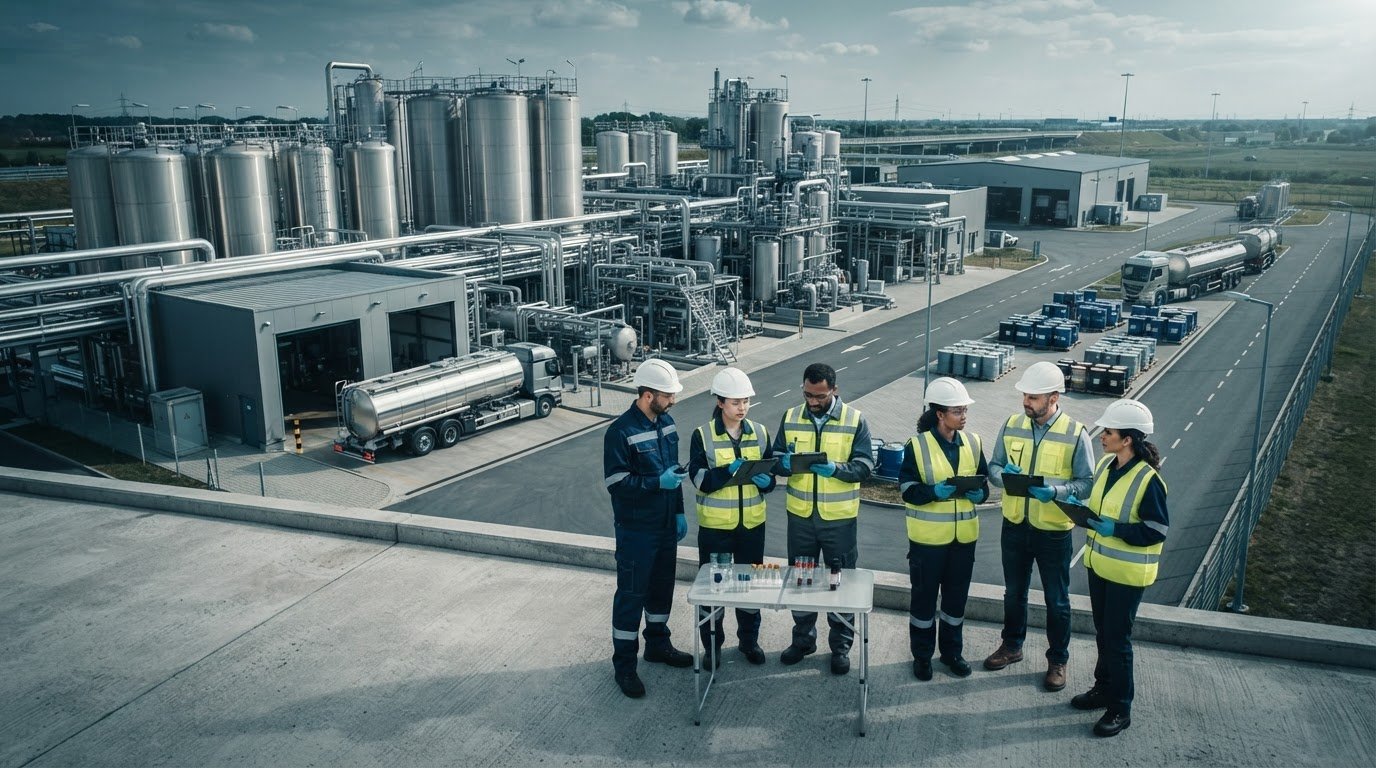
No two phosphate deposits are identical. Our approach centers on the reality that every ore body requires a unique chemical signature for optimal recovery. We begin our partnerships with comprehensive on-site audits to identify specific process bottlenecks. Our technical teams collect site-specific ore samples for rigorous testing in our global R&I centers. This data-driven process allows us to develop custom dosing strategies that maximize your P2O5 recovery while minimizing reagent consumption. Whether you're dealing with high-carbonate sedimentary ores or complex igneous deposits, we focus on maximizing your ROI through technical excellence and precision chemistry.
Commitment to Sustainability and Resource Protection
Our personality as a responsible corporate citizen is reflected in every formulation we develop. We create chemicals that meet the most stringent environmental standards, ensuring that mineral recovery supports your ESG goals. Efficient recovery is the most direct path to sustainability; it extends the life of existing reserves and reduces the need for new extraction sites. We act as a steady, reliable partner in your transition toward more sustainable operations. We invite you to contact our technical team for a comprehensive process audit. Let us show you how our legacy of innovation can protect your operation's stability and improve your recovery yields.
Securing the Future of Global Phosphate Recovery
The strategic importance of phosphate has never been higher. As high-grade reserves dwindle, the industry must rely on precision chemistry to unlock value from increasingly complex ores. We've seen how the right beneficiation framework and energy-efficient grinding aids can transform operational yields. These advancements in Phosphate Mining Chemicals are not just technical upgrades; they're essential for global resource security and long-term industrial stability.
Since 1998, JAS Global Industries has specialized in developing the mining and fertilizer chemicals that protect these vital supply chains. Our global R&I centers focus on tailor-made formulation development, ensuring your reagents match your site's unique mineralogy. We invite you to optimize your phosphate recovery with JAS Global Industries' technical consulting and specialty formulations. Our expert technical audits identify process bottlenecks to ensure your facility remains a reliable pillar of modern infrastructure. Let's work together to protect your margins and the stability of global resources. It's time to turn your processing challenges into sustainable, long-term yields.
Frequently Asked Questions
What are the primary types of chemicals used in phosphate mining?
Primary types include flotation collectors, frothers, modifiers, and grinding aids. Collectors create the hydrophobic bond needed for separation, while frothers stabilize the transport bubbles. Modifiers like depressants lock out impurities. Additionally, flocculants and antiscalants manage water recovery and protect infrastructure. These specialized Phosphate Mining Chemicals work in synergy to ensure maximum P2O5 recovery from complex ore bodies.
How do mining grinding aids reduce energy consumption in phosphate processing?
Mining grinding aids reduce energy consumption by lowering the surface energy of particles during comminution. This prevents the particles from re-agglomerating and creates a more efficient environment within the mill. By reducing the cushioning effect of fine particles, these additives allow for a finer grind at a lower kWh per ton. It's a critical strategy for increasing throughput without investing in larger, more expensive grinding circuits.
What is the difference between direct and reverse flotation in phosphate beneficiation?
Direct flotation involves using collectors that selectively attach to and float the valuable phosphate minerals into the froth. In contrast, reverse flotation uses reagents to float the gangue minerals, such as dolomite or silica, while the phosphate remains in the slurry. The choice depends on the ore's geological profile. Reverse flotation is often necessary for high-carbonate sedimentary ores common in North Africa to achieve the required concentrate grade.
Why is water treatment critical for phosphate mining operations?
Water treatment is vital because mining often occurs in water-stressed environments where recycling is a survival necessity. Flocculants accelerate tailings thickening to recover process water quickly. Specialized Phosphate Mining Chemicals like antiscalants and corrosion inhibitors also protect expensive processing infrastructure from mineral buildup. This dual approach ensures operational continuity while minimizing the mine's environmental footprint and reliance on local fresh water aquifers.
How do specialty chemicals improve the quality of downstream fertilizer products?
Specialty chemicals ensure that the concentrate sent to the acid plant has the lowest possible impurity profile. High-purity concentrate prevents reactor foaming and filter clogging during phosphoric acid production. This leads to a more stable final fertilizer product. When combined with downstream anti-caking agents, these chemicals ensure the fertilizer remains free-flowing and nutrient-rich throughout the global supply chain, protecting food security.
What role do collectors play in the flotation of phosphate ore?
Collectors are the primary agents used to change the surface chemistry of mineral particles. They attach to the phosphate minerals to make them water-repellent, or hydrophobic. This allows the particles to cling to air bubbles and rise to the surface for collection. Without precise collector selection, valuable minerals would simply sink with the waste rock, leading to poor recovery rates and lost revenue.
How can mines reduce the environmental impact of their tailings through chemistry?
Mines utilize advanced flocculants to consolidate tailings more effectively, which reduces the total volume of waste and speeds up water reclamation. Specialized odor and gas treatment solutions also neutralize volatile compounds, protecting the surrounding community and environment. By optimizing these chemical processes, operators can manage their waste streams more responsibly and meet the stringent ESG standards required by modern regulatory frameworks.
Why should I choose tailor-made formulations over generic mining reagents?
Generic reagents often fail to account for the unique mineralogical signatures of different ore bodies. Tailor-made formulations are developed through on-site audits and laboratory testing of your specific ore samples. This precision ensures that the chemical suite is optimized for your plant's unique temperature, water salinity, and impurity profile. Custom dosing strategies maximize your recovery rates and ROI while reducing unnecessary chemical waste.