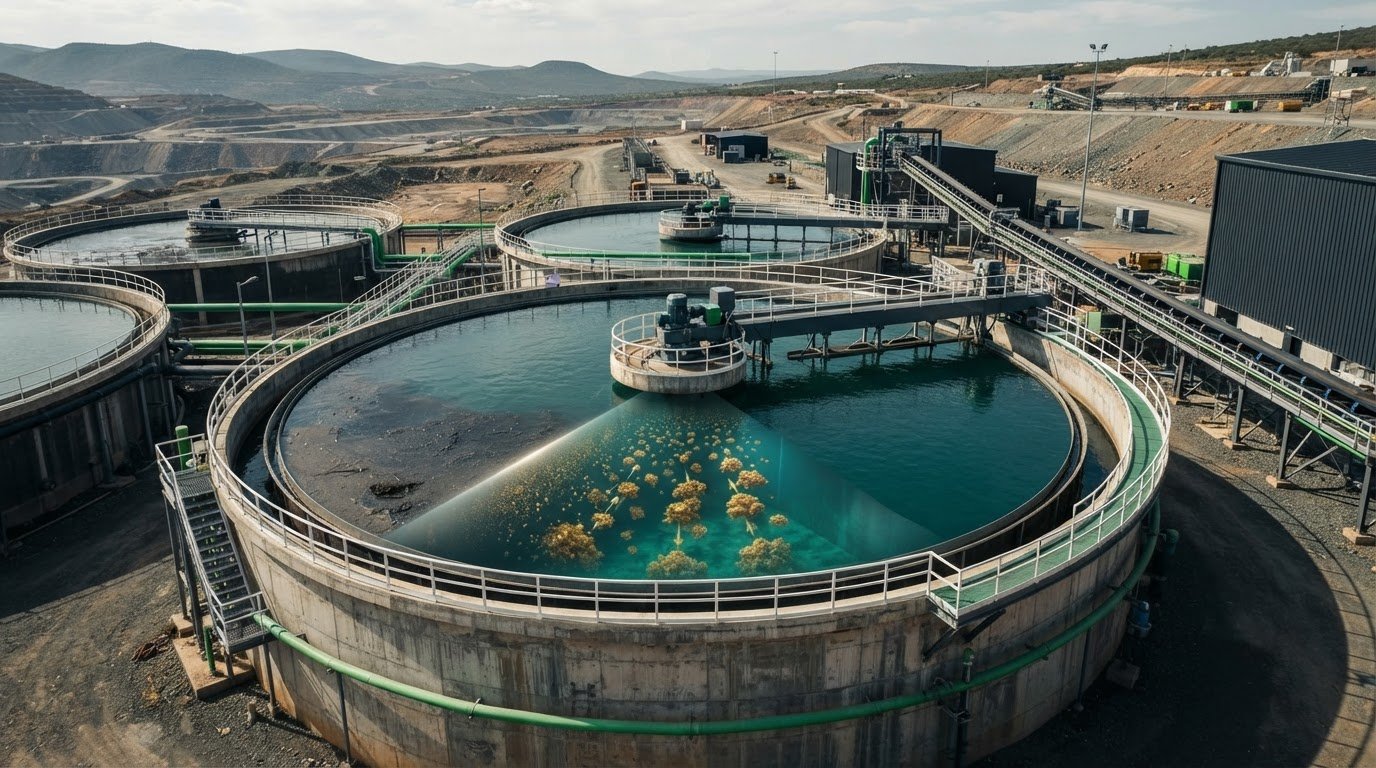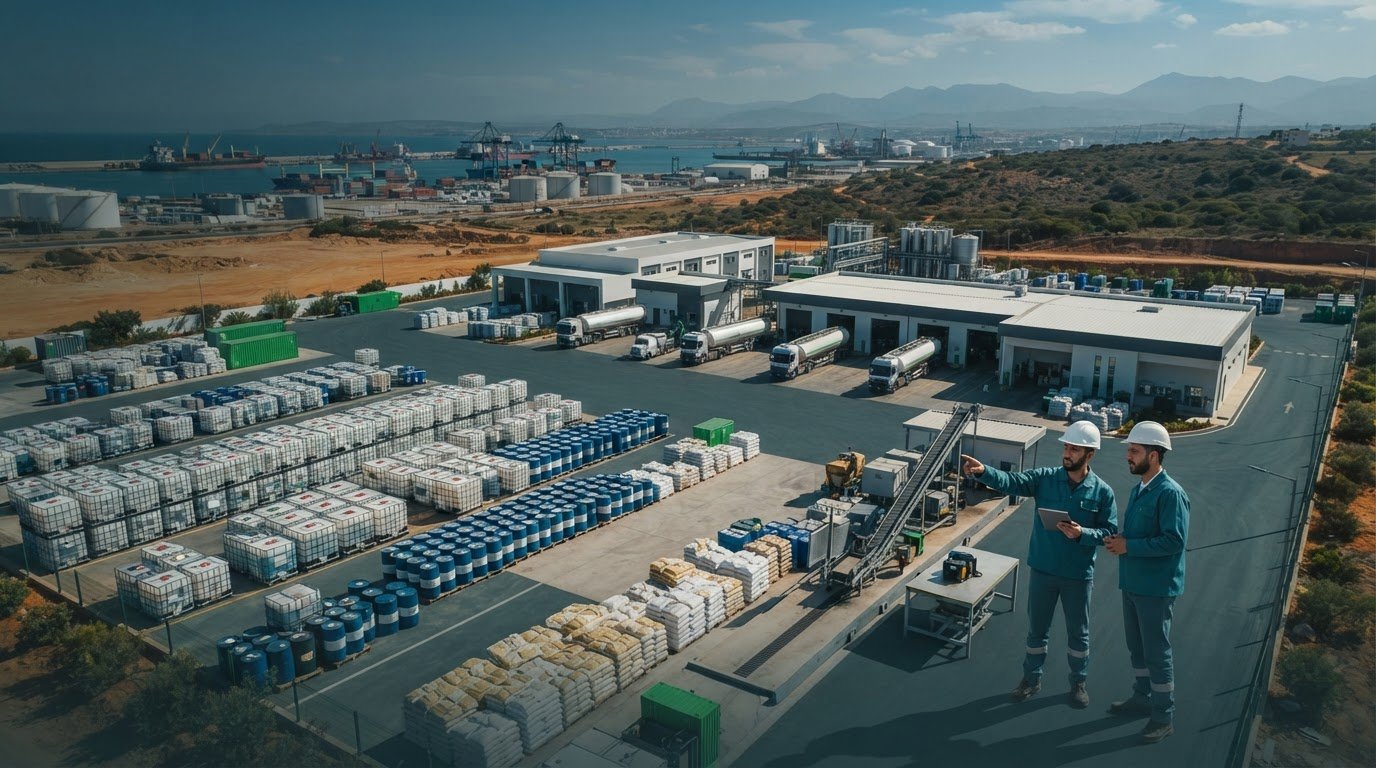

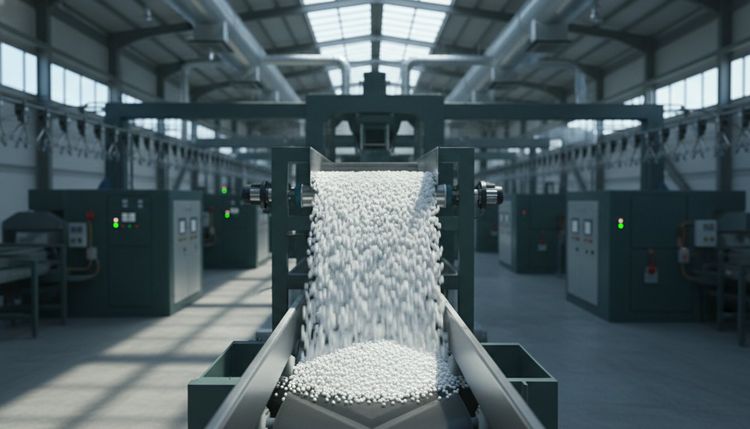
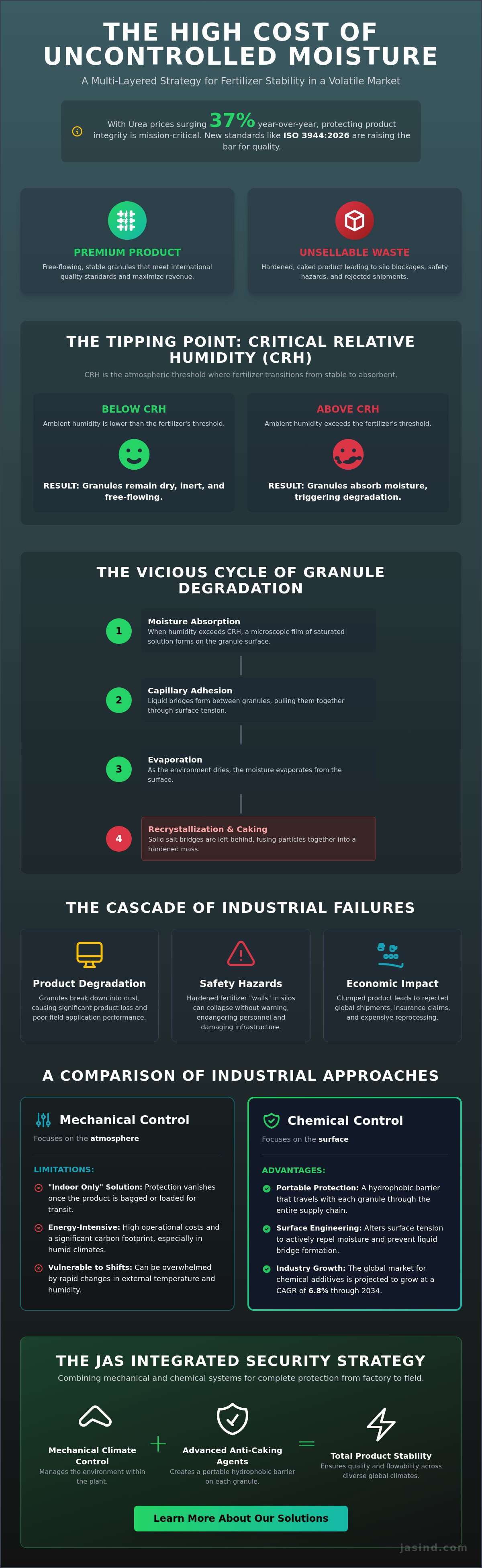
In an era where Urea prices have surged 37% year-over-year, leaving product stability to chance is a risk no producer can afford. You understand that moisture control in fertilizer production is the thin line between a premium, free-flowing commodity and a silo full of hardened, unsellable waste. As ISO 3944:2026 and other new international standards raise the bar for quality testing and bulk density, the margin for error in the plant has vanished.
It's frustrating to watch revenue degrade because of caking or to face the safety hazards of hardened fertilizer walls in your storage facilities. We agree that a single-layered approach to moisture is no longer sufficient for modern industrial demands. This article demonstrates how to integrate mechanical climate systems with advanced anti-caking agents and granulation aids to protect your inventory. You'll learn how to implement a multi-layered security strategy that optimizes energy usage while ensuring your granules remain stable and free-flowing from the factory floor to the global field.
Key Takeaways
- Understand how Critical Relative Humidity (CRH) acts as the fundamental threshold for industrial stability and how to disrupt the cycle of granule degradation.
- Master a dual-layered strategy for moisture control in fertilizer production by integrating mechanical climate management with high-performance chemical additives.
- Evaluate the composition of advanced anti-caking agents to ensure your specific fertilizer formulation remains free-flowing across diverse global climates.
- Learn to calibrate dosing equipment at key production stages to maximize the efficiency of coating oils and granulation aids.
- Align your operations with 2026 ISO testing standards to protect global resource stability and ensure reliability in international trade.
The Science of Moisture: Why CRH is the Tipping Point in Fertilizer Production
Critical Relative Humidity (CRH) represents the precise atmospheric threshold where solid fertilizer transitions from a stable state to an active absorbent. Below this value, granules remain dry and inert. Once the ambient humidity exceeds this specific percentage, the material begins to pull water vapor directly into its structure. This physical trigger is the most significant variable in moisture control in fertilizer production. Every grade possesses a unique CRH; for instance, ammonium nitrate is notoriously hygroscopic with a low CRH, while urea requires slightly higher humidity to begin the degradation process. When these materials are blended, the resulting CRH is often lower than that of either individual component, creating a complex challenge for plant managers.
The danger lies in the "Dissolve-Recrystallize" cycle. When humidity peaks, a microscopic film of saturated solution forms on the granule surface. As conditions shift and the environment dries, this water evaporates. It leaves behind solid salt bridges that fuse individual particles together. This process answers the fundamental question of What is fertilizer caking?. In the volatile climate of 2026, relying on static warehouse HVAC settings is no longer a viable defense. Global plants now face rapid shifts in humidity and temperature that can overwhelm traditional mechanical systems in a matter of hours, making internal chemical protection essential.
The Mechanism of Capillary Adhesion
Capillary adhesion occurs when moisture films create liquid bridges between adjacent granules. These bridges act as a powerful adhesive, pulling particles together through surface tension. Temperature fluctuations exacerbate the problem. They drive moisture deeper into the bulk pile through a process of internal distillation, where water evaporates from warm areas and condenses in cooler pockets. Capillary adhesion is the primary precursor to industrial bridging.
Consequences of Uncontrolled Moisture
Failure to maintain strict moisture control in fertilizer production leads to a cascade of industrial failures. Physical degradation is often the first sign of trouble. Granules break down into fine dust, leading to significant product loss and poor application patterns in the field. Beyond material loss, the safety risks are profound. Hardened fertilizer "walls" in silos can collapse without warning, endangering personnel and damaging infrastructure. The economic impact is equally severe. In global trade, clumped product results in massive insurance claims, rejected shipments, and the high cost of mechanical re-processing. Protecting the integrity of the granule is a mission-critical task for the security of the global agricultural supply chain.
Mechanical vs. Chemical Moisture Control: A Comparison of Industrial Approaches
Industrial infrastructure relies on two distinct philosophies for product protection. Mechanical systems focus on the atmosphere. Chemical systems focus on the surface. Comprehensive moisture control in fertilizer production requires a synthesis of both. While desiccant dehumidification manages the environment within the factory walls, it is a localized solution. It doesn't account for the product's journey beyond the loading dock. The global market for chemical additives is projected to grow at a CAGR of 6.8% through 2034, reflecting an industry-wide shift toward integrated, portable protection.
The Limits of Dehumidification
Maintaining a low-humidity environment in tropical or humid coastal regions is energy-intensive. As global energy costs remain a primary concern, the carbon footprint of industrial-scale desiccant wheels becomes a strategic liability. More importantly, HVAC is an "Indoor Only" solution. Once fertilizer enters the bagging line or is loaded into bulk carriers, it enters an open system. The controlled environment vanishes. This transition is where most caking begins, as the product is suddenly exposed to ambient humidity and temperature spikes that mechanical systems cannot reach.
The Chemical Advantage: Surface Tension and Hydrophobicity
Chemical intervention provides a portable security layer that travels with the granule. By applying specialized anti-caking agents, producers create a microscopic hydrophobic barrier on each particle. These surfactants alter the surface tension of any moisture that settles on the granule. Instead of forming liquid bridges that lead to recrystallization, the moisture is repelled. This protection remains active during maritime transit and long-term storage in regional silos. Ensuring 100% coating integrity is essential; even small gaps in the chemical barrier can become focal points for moisture absorption and subsequent bridging.
The most efficient plants in 2026 don't choose one method over the other. They use a hybrid strategy. They run HVAC systems at moderate, energy-efficient levels and rely on precise chemical dosing to provide the final, robust defense. This balance ensures global fertilizer stability while optimizing operational expenditures. It transforms moisture control from a reactive expense into a proactive security measure that protects the product from the factory floor to the farmer's field.
Advanced Anti-Caking Agents: Engineered Protection for Global Logistics
The factory gate is not the finish line. It's the start of a journey through unpredictable global climates. High-performance fertilizer anti-caking agents provide the security needed for granules to survive maritime transit. Most degradation occurs in the hold of a ship, where salt air and temperature shifts are constant. These solutions use a blend of amines, oils, and specialized polymers to create a portable shield. Amines act as surfactants to disrupt liquid bridges. Oils provide a hydrophobic seal. Polymers ensure the coating survives the friction of transport. This multi-layered approach is the only way to maintain product integrity during long-distance shipping.
Generic solutions are insufficient for the complexities of 2026. Urea requires coatings that manage high nitrogen solubility. NPK blends need formulations that prevent reactive salts from bonding. Effective moisture control in fertilizer production depends on this level of specificity. For mining-integrated plants, using phosphate mining chemicals or potash-specific reagents ensures protection begins at the source. The industry is also moving toward sustainability. Biodegradable and eco-friendly chemical reagents are now essential for responsible production. Protecting global resources is a long-term commitment that requires both technical precision and environmental care.
Custom Formulations for Specific Nutrients
Urea granules are highly hygroscopic. They need high-viscosity coatings that stay on the surface rather than migrating into the core. NPK blends present a different challenge. They contain multiple salts that can react with each other under pressure. In these cases, the anti-caking agent acts as a chemical buffer. In regions like the Middle East or Africa, these formulations must also resist high ambient temperatures. If a coating thins out in the heat, the protection vanishes. Stability requires a tailored approach that accounts for the specific chemistry of the nutrient and the geography of the market.
The Role of Granulation Aids
Stability begins before the coating oil is applied. Fertilizer granulation aids are vital for creating a dense, hard, and uniform particle. A smoother granule has less surface area than a porous one, naturally reducing the sites available for moisture absorption. When these aids are used in tandem with anti-dusting agents, the result is a clean, free-flowing product. This synergy reduces the "fines" that often act as the glue in a caking event. There is also a functional synergy between coloring agents and anti-caking performance. High-quality dyes must not compromise the hydrophobicity of the protective layer. By optimizing particle hardness and surface chemistry, producers build a foundational defense. This makes subsequent moisture control in fertilizer production significantly more effective.
Implementation Guide: Integrating Moisture Control into the Production Line
Successful moisture control in fertilizer production isn't just about the chemicals you select. It's about the precision of their application. Integrating a multi-layered security strategy requires identifying every critical dosing point along the line. This process begins at the granulation drum, where granulation aids establish the foundational hardness of the particle. It concludes at the final coating oil sprayer. Each stage must be synchronized to ensure the hydrophobic barrier is uniform and resilient. If the application is inconsistent, the entire security chain breaks, leading to localized caking that can compromise an entire bulk shipment.
Equipment calibration is a non-negotiable requirement for cost-efficiency. Over-application leads to unnecessary reagent waste and potentially greasy granules. Under-application leaves your product vulnerable to the "Dissolve-Recrystallize" cycle discussed earlier. Modern facilities in 2026 now utilize real-time sensors to monitor ambient humidity and temperature. These systems automatically adjust dosing rates as atmospheric conditions shift. This proactive approach ensures stability without manual intervention. Regular technical audits and on-site laboratory testing provide the data necessary to optimize these processes. For organizations seeking to modernize their facilities, consulting with industrial chemical specialists ensures your dosing equipment is calibrated for 2026 standards.
Optimizing the Coating Process
Achieving uniform distribution requires a precise configuration of spray nozzles and drum rotation speeds. If the drum rotates too slowly, the coating becomes uneven. If the nozzles are misaligned, some granules remain completely bare. Temperature management is equally vital for adhesion. Maintaining a "Delta T" of approximately 10 degrees Celsius between the fertilizer granules and the coating oil is the recognized industry standard. This temperature gap ensures the oil spreads thinly and bonds permanently to the surface rather than clumping or migrating into the core of the granule.
Quality Control and Caking Tests
Proactive quality control relies on predictive testing. The Accelerated Caking Test is a vital tool for the modern plant. It simulates six months of warehouse storage in just 24 hours by applying concentrated pressure and temperature cycles. Producers also measure "Flowability" and the "Angle of Repose" as key performance indicators. These metrics are now aligned with the new ISO 3944:2026 standards for determining bulk density and physical consistency. By plotting dose-response curves in the lab, you can find the "sweet spot" where protection is maximized. This ensures global fertilizer stability while maintaining a lean operational budget. Reliability is built in the laboratory before it's proven in the field.
Global Resource Security: The JAS Approach to Fertilizer Stability
Since 1998, JAS Global Industries has operated as an indispensable pillar of modern infrastructure. We recognize that moisture control in fertilizer production is not merely a technical requirement; it's a vital contributor to global food security. When nutrients degrade or harden, the entire agricultural supply chain is compromised. Our mission, defined as "Security through Chemistry," focuses on protecting the stability of these critical resources from the point of manufacture to the moment of application. Reliability is our hallmark, and we've spent decades establishing trust with the world's largest producers.
Our strategic positioning in Dubai allows us to serve as a central hub for the Middle Eastern, African, and European markets. This location is essential for managing the complexities of maritime transit, a phase where most moisture-related failures occur. We don't just provide chemical reagents. We offer a partnership model rooted in technical consulting and process optimization. This ensures that every plant we support achieves the highest levels of efficiency and product reliability. By framing industrial solutions as essential protectors of resources, we elevate our role from a supplier to a global guardian.
Worldwide Logistics and Support
Our Research and Innovation (R&I) centers develop region-specific formulations tailored to diverse climates. A coating designed for the dry heat of the Middle East often differs from one intended for the high humidity of Southeast Asia. Supply chain reliability is a cornerstone of our service. We manage bulk chemical supply contracts with a focus on long-term stability rather than simple transactional logistics. If a production line faces an unexpected challenge, our engineers provide on-site troubleshooting to reduce plant downtime and restore product integrity. We're committed to ensuring your nutrient flow remains uninterrupted regardless of geographic challenges.
Sustainability and Ethical Innovation
Responsibility is at the heart of our operations. By optimizing moisture control in fertilizer production, we help reduce the overall carbon footprint of the industry. Efficient chemical use prevents product waste and eliminates the energy-heavy need for re-processing clumped material. We remain committed to the "Morality of Industry," a philosophy that balances industrial power with social concern and environmental stewardship. Protecting the world's nutrients is a global responsibility we take seriously. Optimize your fertilizer stability with a JAS Technical Audit to ensure your production remains resilient, efficient, and compliant with 2026 standards.
Building Resilience in Global Nutrient Supply
Stability in 2026 demands more than just climate-controlled warehouses. It requires a deep understanding of Critical Relative Humidity and a precise application of chemical barriers that travel with the granule. By integrating mechanical air management with engineered anti-caking agents, you transform a vulnerable commodity into a secure global resource. This multi-layered strategy ensures your product remains free-flowing through the most challenging maritime routes and storage conditions.
JAS Global Industries has been a trusted guardian of industrial resources since 1998. Headquartered in Dubai with a network of global R&I centers, we provide specialized formulations for NPK, Urea, and Phosphate production. We understand that effective moisture control in fertilizer production is the foundation of agricultural stability. Our technical expertise and process optimization audits help you navigate the complexities of modern manufacturing while maintaining a focus on sustainability and ethical innovation.
Secure Your Global Supply Chain with JAS Specialty Chemicals
Protecting the integrity of your product is a mission we share. Let's ensure your nutrients reach the field in peak condition.
Frequently Asked Questions
What is the difference between an anti-caking agent and a dehumidifier?
Dehumidifiers manage the atmosphere while anti-caking agents manage the particle surface. Mechanical dehumidification systems remove water vapor from the ambient air within a facility to prevent moisture absorption. In contrast, anti-caking agents are chemical coatings applied directly to the fertilizer. This provides a portable hydrophobic barrier that continues to protect the product even after it leaves the controlled environment of the factory for maritime transit.
How do anti-caking agents affect the final quality of the fertilizer?
High-performance agents preserve the physical integrity and flowability of granules without altering their nutrient composition. By preventing the cycle of recrystallization, these reagents ensure the fertilizer remains easy to handle and apply. They also work in tandem with dust suppressants to reduce fine particles. This results in a premium product that maintains its professional appearance and predictable spreading patterns from the factory to the field.
Can moisture control reduce the energy costs of a fertilizer plant?
Yes, a dual-layered strategy lowers operational expenditures by optimizing HVAC usage. When you rely on advanced chemical additives to provide the primary defense, you can run mechanical dehumidification units at more moderate, energy-efficient levels. This balanced approach to moisture control in fertilizer production significantly reduces the electricity demand required to maintain ultra-low humidity in large storage silos and bagging areas during peak summer months.
What is Critical Relative Humidity (CRH) and why does it matter for storage?
CRH is the atmospheric humidity threshold where a fertilizer starts to pull water vapor from the air. It serves as the fundamental baseline for industrial stability. If storage conditions exceed this percentage, the product will inevitably begin to dissolve and cake. Knowing the CRH of your specific NPK or Urea blend is essential for setting warehouse protocols and selecting the correct chemical coating to resist moisture penetration effectively.
Are JAS Global Industries' anti-caking agents compatible with organic fertilizers?
Compatibility depends on the specific formulation and the governing organic standards. As of early 2026, the USDA National Organic Program has updated its list of allowed substances, and it's essential to verify additives against these new rules. JAS Global develops specialized formulations for various industrial needs. We recommend a technical audit to ensure your selected reagent aligns with the specific certification requirements of your target market.
How long does the protection from a chemical anti-caking agent last during shipping?
Engineered coatings provide residual protection that lasts throughout the duration of global maritime logistics and regional storage. Unlike mechanical air control, which stops at the loading dock, these chemical barriers stay bonded to the granule surface. This ensures stability during months of transit through varying climates. The longevity of this protection is maximized by ensuring uniform distribution and 100% surface coverage during the initial coating process.
What are the safety risks associated with poor moisture control in silos?
Poor control leads to the formation of hardened fertilizer walls and bridges that can collapse without warning. These collapses pose a lethal risk to personnel during maintenance or unloading. In extreme cases, the weight of caked material can cause catastrophic structural failure of the silo itself. Maintaining free-flowing granules through consistent moisture control in fertilizer production is a mandatory requirement for operational safety and infrastructure protection.
How can I determine the correct dosage of anti-caking agents for my specific NPK blend?
Finding the optimal dosage requires laboratory verification through dose-response curves and accelerated caking tests. Every NPK blend possesses unique chemical interactions that influence its hygroscopicity and surface tension. Producers should conduct on-site technical audits to calibrate their dosing equipment based on the specific porosity and surface area of their granules. This ensures maximum protection without the unnecessary cost of over-application or reagent waste.