
Mining flotation collectors are not mere commodities; they're precision-engineered surface modifiers that dictate the economic survival of a modern industrial operation. You likely understand the frustration of watching valuable minerals slip into the tailings because of complex ore mineralogy or poor selectivity. It's a costly reality as high-grade deposits disappear, leaving behind ores that demand more sophisticated chemical intervention. With the global market for these essential reagents valued at USD 0.71 billion in 2026, the stakes for efficiency have never been higher.
We're committed to helping you master the chemical mechanisms and selection criteria of Mining Flotation Collectors to maximize both grade and recovery. You'll learn how to navigate the latest 2026 regulatory updates, such as the mandatory hazard classification rules effective since May 1, and how to implement custom formulations that protect your bottom line. We will examine the technical audits and process optimizations that reduce your cost per ton while ensuring your operation remains a responsible pillar of global resource security.
Key Takeaways
- Understand how collector efficiency directly influences the economic cut-off grade and overall profitability of your ore body.
- Gain technical insights into surface chemistry, including how to leverage the point of zero charge and pH control for superior selectivity.
- Discover specialized strategies for optimizing the recovery of industrial minerals using tailor-made Mining Flotation Collectors for phosphate and potash operations.
- Learn to establish robust dosing strategies and troubleshoot reagent interactions between collectors, frothers, and depressants.
- Explore how on-site technical audits and custom formulations bridge the gap between laboratory testing and full-scale plant implementation.
The Essential Role of Flotation Collectors in Mineral Processing
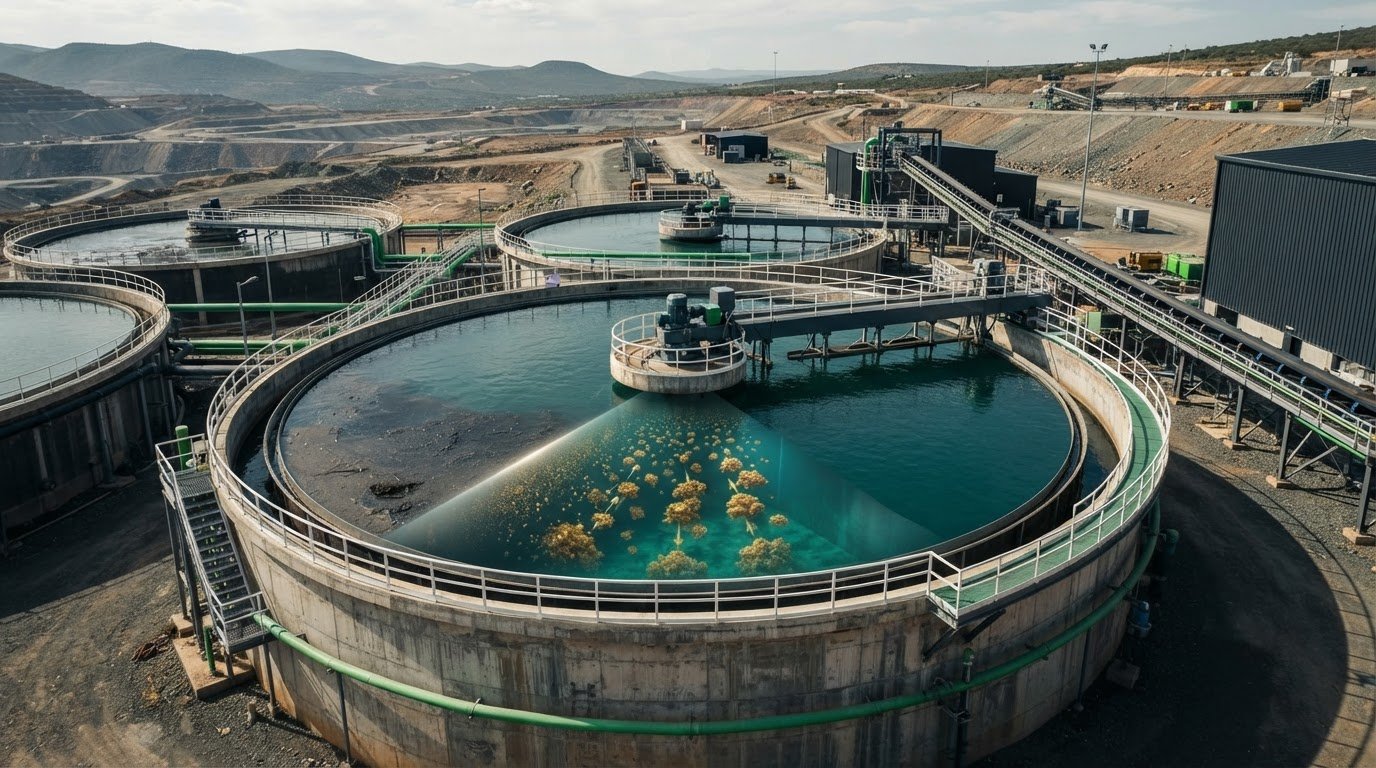
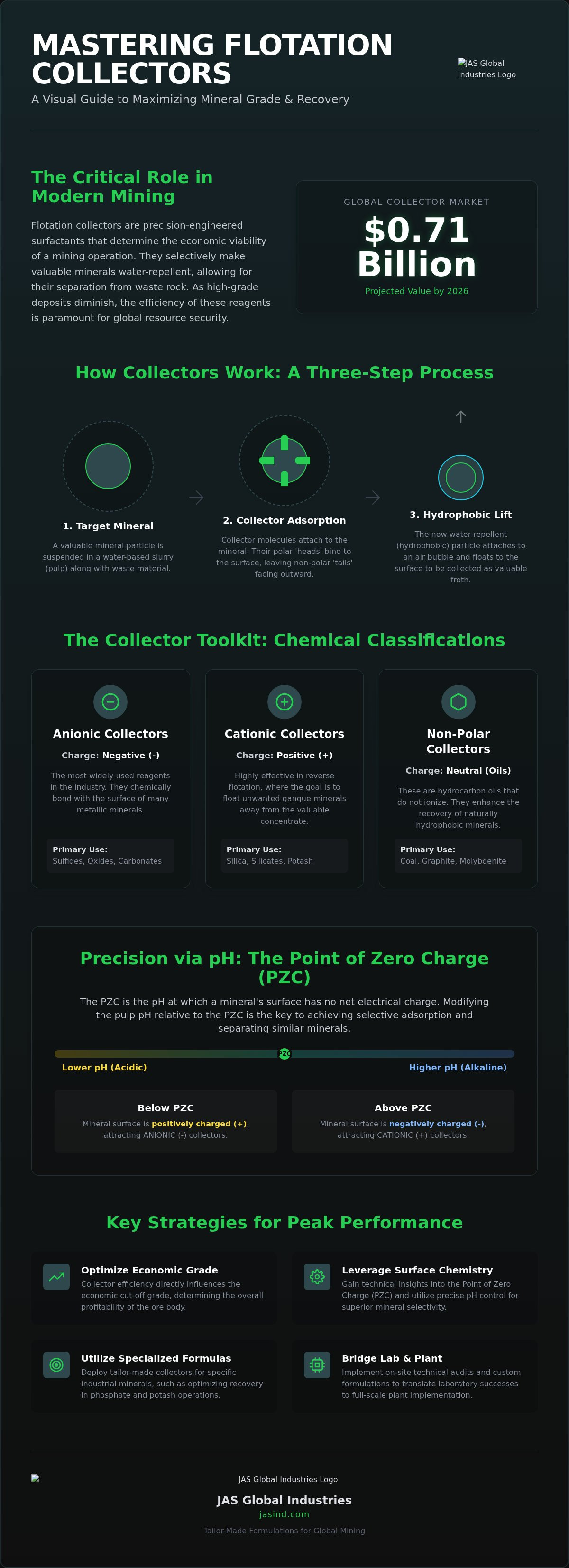
Mining Flotation Collectors serve as the chemical architects of the modern flotation circuit. They are specialized surfactants designed to selectively impart hydrophobicity to target mineral surfaces. By creating a water-repellent coating on desired particles, these reagents enable them to attach to air bubbles and rise to the surface as a concentrated froth. Without this precise chemical intervention, the separation of valuable minerals from worthless gangue would be physically impossible at an industrial scale.
The efficiency of a collector directly dictates the economic viability of a mining project. It determines the cut-off grade of an ore body, which is the minimum grade required for a deposit to be processed profitably. When a collector performs with high precision, it allows operators to process lower-grade ores that were previously considered waste. This capability is vital for long-term resource security. As high-grade deposits become increasingly rare, the industry must rely on advanced mining solutions to maintain global supply stability.
Achieving the perfect balance between selectivity and power is the primary challenge in reagent selection. A powerful collector may offer high recovery rates but often at the expense of concentrate grade. Conversely, a highly selective reagent might produce a clean product while leaving too much value in the tailings. Modern Mining Flotation Collectors are engineered to bridge this gap, providing the strength to pull minerals into the froth without compromising the purity of the final product.
Mechanism of Action: Hydrophobicity and Bubble Attachment
Collectors function by orienting themselves at the solid-liquid interface. The polar "head" of the molecule chemically or physically adsorbs onto the mineral surface, while the non-polar hydrocarbon "tail" extends into the water. This orientation creates a hydrophobic shield around the particle. When an air bubble encounters this modified surface, the hydrocarbon tails facilitate a stable attachment. The contact angle serves as the primary quantitative measure of a mineral surface's hydrophobicity after collector adsorption. A higher contact angle indicates a stronger attachment, ensuring the mineral remains in the froth phase until it reaches the launder.
Chemical Classifications: Anionic, Cationic, and Non-ionic
Selecting the correct chemical class is the first step in optimizing a flotation circuit. These reagents are generally categorized by the charge of their active ions:
- Anionic Collectors: These carry a negative charge and are the most widely used reagents in the industry. They are essential for floating sulfides, oxides, and carbonates.
- Cationic Collectors: These possess a positive charge and are primarily utilized for the flotation of silica and silicate minerals. They are highly effective in reverse flotation circuits where the goal is to remove impurities from the target mineral.
- Non-polar Collectors: These consist of hydrocarbon oils that do not ionize in water. They are used to enhance the recovery of naturally hydrophobic minerals like coal or graphite by coating the surface and strengthening the bubble-particle bond.
Surface Chemistry and Selectivity: How Collectors Work
Surface chemistry is the invisible engine of the flotation circuit. To optimize Mining Flotation Collectors, you must first understand the Point of Zero Charge (PZC). The PZC is the specific pH level where a mineral's surface carries no net electrical charge. When the pulp pH deviates from this point, the mineral surface becomes either positively or negatively charged. This electrical state determines whether a collector will successfully adsorb or simply remain idle in the slurry. Precision in pH control isn't just a technical preference; it's a strategic requirement for achieving high-grade concentrates.
Selectivity remains the greatest hurdle when dealing with chemically similar minerals. Separating apatite from calcite or sylvite from halite requires more than just standard reagents. It demands a sophisticated understanding of how surfactants interact with specific crystal lattices. Advanced surfactants are now frequently used to enhance these interactions. These secondary reagents act as "boosters," reducing the overall consumption of primary Mining Flotation Collectors while sharpening the distinction between target minerals and gangue. This synergy lowers operational costs and stabilizes the recovery process even as ore mineralogy fluctuates.
Adsorption Mechanisms: Chemisorption vs. Physisorption
Collectors attach to mineral surfaces through two primary pathways: chemisorption and physisorption. Chemisorption involves the formation of a strong, irreversible chemical bond between the reagent and the mineral's surface atoms. This mechanism provides the highest level of selectivity, ensuring that only the target mineral becomes hydrophobic. Physisorption relies on weaker electrostatic forces or Van der Waals interactions. While physisorption allows for faster recovery in simpler ore bodies, it lacks the surgical precision of chemical bonding. Determining the optimal adsorption path requires rigorous laboratory bench testing to ensure the chosen chemistry aligns with the specific mineralogical profile of your site.
The Impact of Water Chemistry on Collector Performance
Water is never a neutral medium in flotation. Dissolved ions, such as calcium and magnesium, can interfere with collector solubility or inadvertently activate gangue minerals. High salinity levels further complicate these interactions by compressing the electrical double layer around particles. Managing these variables is essential for maintaining reagent efficiency. Effective industrial water treatment within the circuit ensures that recycled process water doesn't carry residual chemicals that could compromise selectivity. For operations looking to refine their chemical balance, consulting with technical experts can provide the clarity needed to stabilize complex circuits.
Optimizing Recovery for Specific Industrial Minerals
Mining Flotation Collectors aren't universal tools. Their effectiveness depends on a precise match between the reagent's molecular structure and the mineral's crystal lattice. When we design tailor-made formulations, we focus heavily on the hydrocarbon chain length and the degree of branching. Longer chains typically increase hydrophobicity and recovery power, while branching can improve solubility and selectivity in colder process waters. These molecular nuances are what differentiate a standard reagent from a high-performance chemical solution. In complex oxide ore circuits, for instance, subtle adjustments to collector branching have been shown to stabilize froth structures and improve overall mineral yield.
Phosphate and Potash Flotation Strategies
Phosphate recovery traditionally relies on anionic collectors, specifically fatty acids. While crude fatty acids are cost-effective, they often lack the selectivity required for high-carbonate ores. We've seen significant performance gains by using specialized blends that incorporate synthetic surfactants to sharpen the separation of apatite from dolomite. Potash flotation, conversely, utilizes cationic amine-based collectors. These reagents are highly sensitive to temperature fluctuations and the presence of "slime" or clay particles. Managing these variables is critical for maintaining a stable circuit. Once these minerals are recovered and processed into fertilizers, the focus shifts to maintaining their physical integrity through the use of anti-caking agents, ensuring global food security remains uninterrupted.
Challenging Minerals: Feldspar and Fluorspar
The separation of feldspar from quartz is a notoriously difficult process that historically required hydrofluoric acid (HF). Due to the extreme safety and environmental risks associated with HF, the industry is shifting toward hydrofluoric-free methods. These modern approaches utilize a combination of specific pH environments and high-selectivity Mining Flotation Collectors to achieve clean separation without the hazardous chemistry. Fluorspar processing presents its own set of challenges, particularly when the goal is acid-grade recovery. To reach the required 97 percent calcium fluoride purity, operators must maintain strict temperature control and precise reagent dosing. Even minor fluctuations in collector concentration can lead to increased silica impurities, which compromises the final product's value in industrial applications. Success in these circuits requires a steady, data-driven approach to chemical management.
Operational Best Practices and Troubleshooting
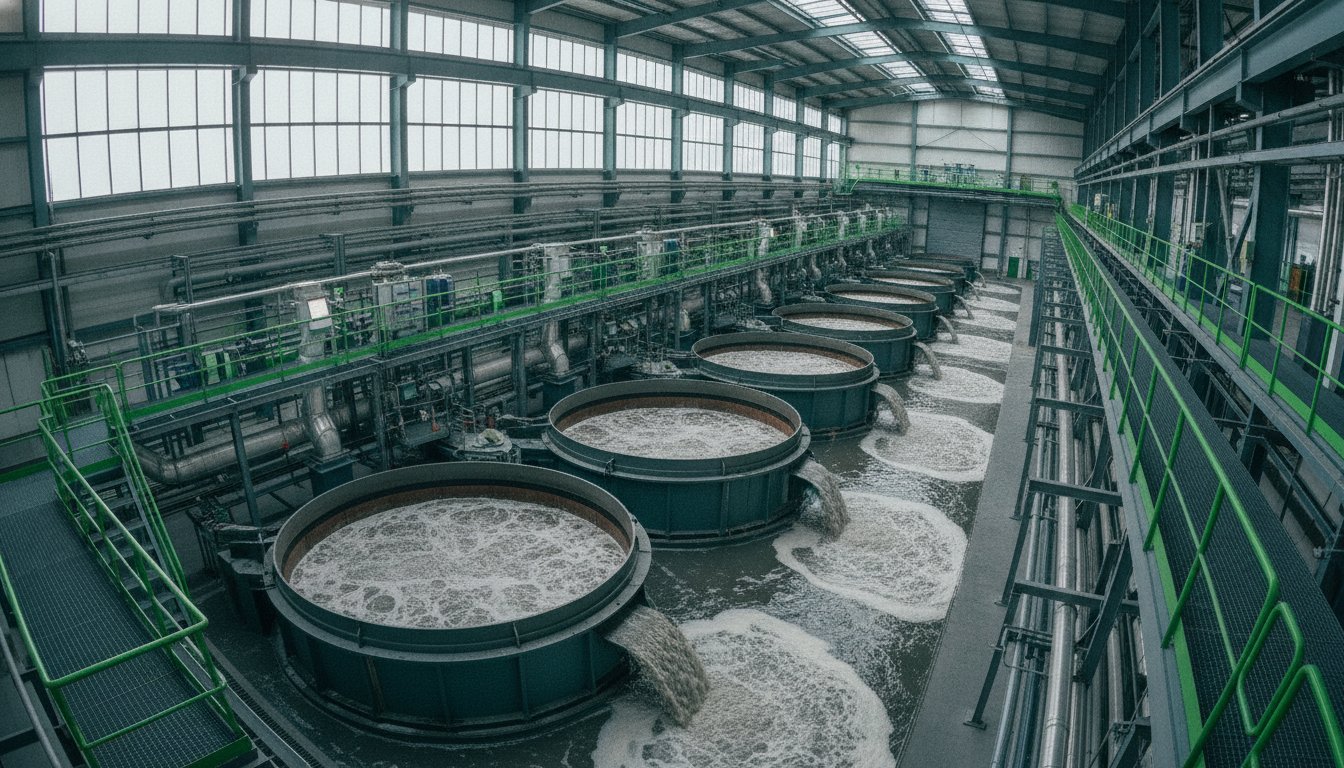
Moving from chemical theory to plant reality requires a disciplined dosing strategy. In most industrial circuits, stage addition of Mining Flotation Collectors is superior to single-point addition. By distributing the reagent across multiple cells, you maintain a consistent concentration of collector throughout the bank. This approach prevents the "starvation" of minerals in the scavenger cells and reduces the risk of over-collecting gangue in the rougher stage. Proper dosing ensures that every gram of chemical contributes to recovery rather than increasing operational waste.
Monitoring pulp density and residence time is equally critical for reagent activity. If the pulp is too dense, the collision frequency between bubbles and particles increases, but the selectivity of the collector may suffer due to entrainment. Conversely, insufficient residence time prevents the Mining Flotation Collectors from fully adsorbing onto the mineral surfaces. Regular audits of these physical parameters are essential to maintain the balance between throughput and recovery. If your circuit is experiencing low recovery despite high reagent dosages, request a technical audit to identify hidden bottlenecks in your process.
Troubleshooting common plant issues often reveals underlying mineralogical shifts. Slime coating occurs when ultra-fine clay particles electrostatically bond to target minerals, physically blocking the collector from attaching. This often results in a "dead" froth and significant recovery losses. Over-frothing is another frequent challenge, typically caused by an overdose of collector or an incompatible interaction with the frother. Resolving these issues requires a systematic approach to reagent balancing rather than simply increasing dosages.
Synergistic Reagent Interactions
No reagent operates in isolation. Frothers dictate the bubble size and stability, which directly impacts the carrying capacity of the collector-coated minerals. If bubbles are too large, they lack the surface area to carry heavy mineral loads; if they're too small, the froth becomes too stable to break down in the launder. Depressants work in tandem by selectively "poisoning" the surface of gangue minerals, ensuring the collector only targets the value. PH modifiers serve as critical chemical activators that prepare mineral surfaces for specific collector types by adjusting the ionic environment of the pulp.
Sustainability and Environmental Stewardship
Modern mining operations must align with strict ESG standards and global environmental regulations. The industry is rapidly transitioning toward biodegradable and low-toxicity collector formulations to minimize the impact on local ecosystems. Reducing the carbon footprint of mineral processing is no longer optional; it's a core business requirement. Energy-efficient reagent usage, achieved through precise dosing and high-selectivity chemistry, lowers the energy required for grinding and downstream processing. We focus on long-term resource protection by ensuring that our chemical solutions meet the highest safety and stability standards for 2026 and beyond.
JAS Global Industries: Tailor-Made Formulations for Global Mining
JAS Global Industries has operated as a foundational presence in the mining sector since 1998. We recognize that the economic viability of a mine depends on more than just high-volume throughput. It requires chemical precision. While generic reagents may offer a temporary baseline, our tailor-made Mining Flotation Collectors are engineered in global R&I centers to address the specific mineralogical challenges of your site. We transition from molecular design to industrial application by focusing on the unique surface chemistry and crystal lattice of your ore body.
Our global manufacturing plants and R&I centers serve as the backbone of our innovation. We don't simply supply chemicals; we provide a partnership rooted in technical industrial expertise. This approach ensures that your operation isn't just recovering minerals but is doing so with the highest possible selectivity and the lowest reagent consumption. By balancing these two critical factors, we help you reduce the cost per ton of recovered mineral while maintaining the stability of your production targets. Our global reach ensures that whether you are operating in the MEA region, Asia, or Europe, you have access to local expertise and secure supply chains.
Technical Consulting and Process Optimization
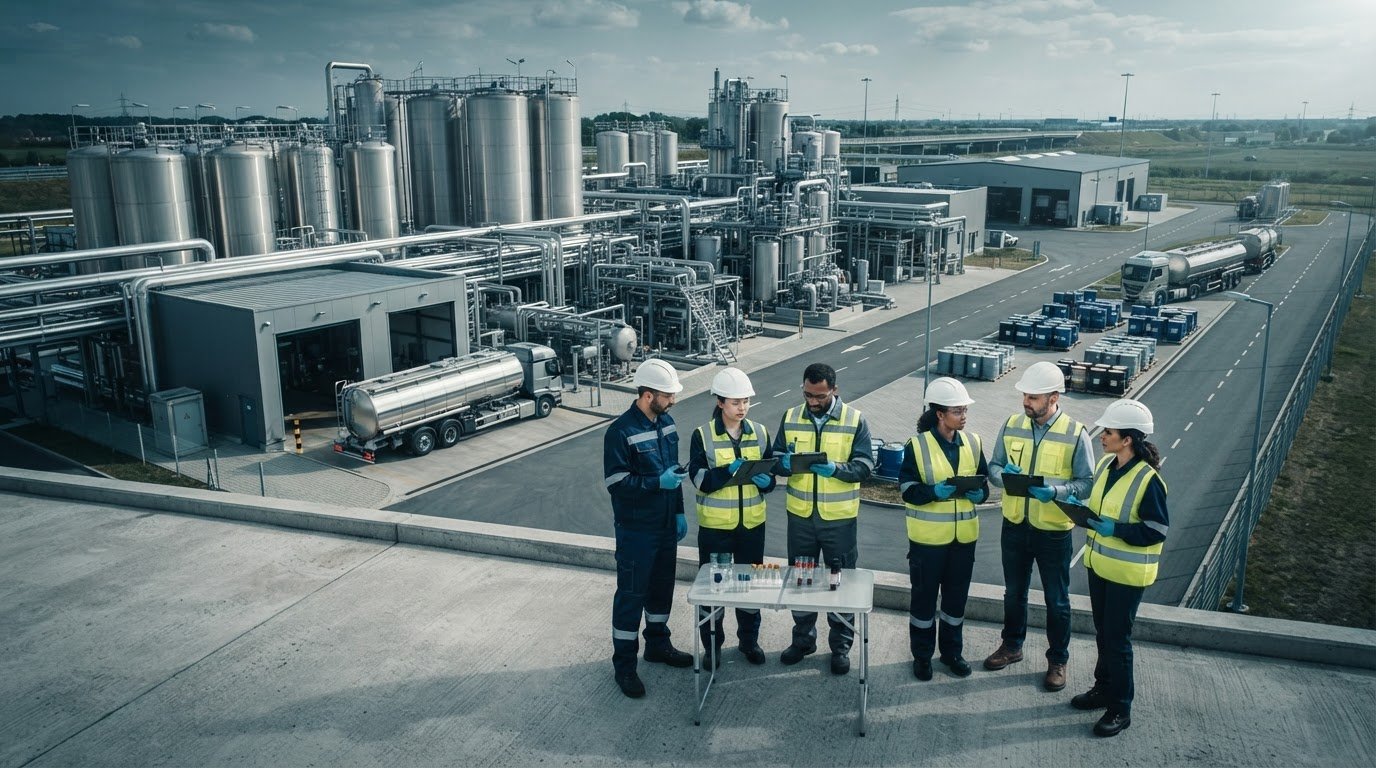
The path to an optimized flotation circuit begins with a comprehensive technical audit. Our experts conduct on-site evaluations to identify hidden inefficiencies that laboratory testing alone might miss. We examine everything from bubble-particle attachment dynamics to the synergy between collectors and frothers. This collaborative development of custom chemical dosing strategies ensures that the solution we provide is perfectly aligned with your plant's physical constraints and residence times. Our commitment continues beyond the initial implementation through continuous support and operational troubleshooting. We believe in fostering long-term partnerships that prioritize the stability and security of your mineral recovery process.
A Commitment to Global Resource Security
We view our role as vital guardians of global resource security. By providing advanced Mining Flotation Collectors and specialized mining chemicals, we contribute to the stability of critical mineral supplies essential for modern infrastructure. Our vision for the mining industry is one where efficiency and sustainability coexist. This means developing chemistry that works harder with less environmental impact, meeting the rigorous ESG standards of 2026. Reliability is our hallmark, and we ensure operational stability through robust logistics and a steady supply of precision-engineered reagents. We invite you to contact our technical team for a comprehensive process evaluation to discover how our custom formulations can protect your resources and optimize your recovery.
Advancing Industrial Stability Through Chemical Precision
Mastering the complex interaction between surface chemistry and reagent dosing is the only way to ensure the economic viability of modern mining. We've explored how Mining Flotation Collectors serve as essential modifiers that determine your project's cut-off grade. By prioritizing selectivity and adopting rigorous operational audits, you can stabilize recovery rates even in the face of fluctuating mineralogy. These technical advancements are not just operational choices; they're strategic investments in long-term resource security.
JAS Global Industries brings specialty chemical expertise since 1998 to every industrial partnership. Our global R&I centers focus on engineered custom formulations that protect your bottom line and the stability of global resources. We invite you to optimize your mineral recovery with JAS custom flotation solutions through our comprehensive technical audits for industrial-scale operations. Our team is ready to help you navigate the complexities of mineral separation with confidence and reliability. Your journey toward a more efficient and sustainable flotation circuit starts with a single, data-driven decision. We look forward to building a more resilient industrial future together.
Frequently Asked Questions
What is the difference between a collector and a frother in mining?
Collectors are surface-active agents that selectively impart hydrophobicity to target minerals, while frothers are reagents used to stabilize the air bubbles within the slurry. The collector's job is to ensure the mineral particle attaches firmly to a bubble. The frother ensures that these bubbles form a stable, manageable froth layer at the top of the cell. Without this distinction, minerals wouldn't reach the launder for recovery.
How do I determine the correct dosage of a flotation collector?
Correct dosage is established through systematic laboratory flotation tests, such as kinetic tests and grade-recovery curves. These tests identify the point where additional reagent no longer provides a meaningful increase in mineral recovery. Factors like grind size, pulp temperature, and water chemistry must be considered. In industrial settings, stage addition is often used to maintain optimal concentration levels throughout the entire flotation bank.
Can I use the same collector for different types of ore bodies?
Reagents are rarely interchangeable across different ore bodies because mineral surfaces and gangue associations vary significantly between sites. A collector optimized for a specific phosphate deposit might be ineffective in a potash circuit due to differences in ionic strength and surface charge. Success depends on aligning the chemical structure of the reagent with the unique mineralogical profile and crystal lattice of the specific ore being processed.
How does pH affect the performance of anionic collectors?
The pH level is a critical variable that determines the electrical charge of mineral surfaces and the ionization state of Mining Flotation Collectors. Anionic collectors, which carry a negative charge, adsorb most effectively when the mineral surface is positively charged or neutral. If the pH shifts too far, it can deactivate the collector or cause it to adsorb onto unwanted gangue minerals. Maintaining a precise pH range is essential for high-selectivity separation.
What are the environmental impacts of traditional mining collectors?
Traditional reagents can lead to groundwater contamination or harm aquatic ecosystems if tailings aren't managed with strict oversight. By 2026, the industry has shifted toward biodegradable and low-toxicity formulations to meet evolving ESG standards. These modern Mining Flotation Collectors reduce the environmental burden of mineral processing while ensuring compliance with global regulations like the EU CLP. Responsible chemical management is now a prerequisite for maintaining a social license to operate.
Why is selectivity more important than total recovery in some mining operations?
Selectivity is often prioritized because smelters and industrial buyers impose strict purity standards on mineral concentrates. Recovering a large volume of mineral is counterproductive if it's contaminated with high levels of magnesium, silica, or other deleterious elements. High selectivity reduces downstream processing costs and prevents financial penalties. In many cases, a cleaner, high-grade concentrate is significantly more valuable than a high-volume, low-grade product.
How often should I conduct a technical audit of my flotation reagents?
You should perform a technical audit at least once a year or whenever you observe a persistent drop in recovery or concentrate grade. Ore bodies are not static; as mining progresses into different zones, the mineralogy changes. Regular audits by technical experts identify reagent imbalances and mechanical issues that hinder circuit performance. These evaluations are essential for maintaining long-term operational efficiency and resource security.
What are the benefits of using tailor-made formulations over off-the-shelf chemicals?
Tailor-made formulations are designed to address the specific chemical interference and mineral associations unique to your plant. Off-the-shelf chemicals are generic solutions that often result in higher consumption rates and lower selectivity. Custom reagents allow for more precise control over the flotation process, which lowers the cost per ton of recovered mineral. This approach ensures that your chemical strategy is an asset rather than a compromise.