Industrial water treatment is the quiet giant of global infrastructure. It is the invisible force that transforms water from a corrosive liability into a strategic asset for global food and water security. With the global market projected to reach $51.0 billion in 2026, the industry is shifting toward a zero-tolerance approach to operational failure. You already know that scale buildup and corrosion lead to high energy costs and frequent downtime. It’s a constant battle to stay ahead of the UK Environment Agency’s target of 10,000 compliance inspections for the 2025-2026 period.
We understand that balancing production volumes with stringent environmental discharge regulations often feels like a moving target. This guide explains how advanced industrial water treatment optimizes process efficiency, protects your critical assets, and ensures long-term operational sustainability. We’ll examine the core components of plant reliability; we will also look at how to meet the June 1, 2027, Hazardous Substances Facility Response Plan deadline and implement water reuse strategies in regions like MENA and Europe.
Key Takeaways
- Transition your facility from single-use to circular water management to build resilience against rising global water scarcity.
- Master the prevention of corrosion and scale to extend the lifespan of critical assets and significantly reduce energy consumption.
- Implement a data-driven industrial water treatment program that uses technical audits to align system metallurgy with precise chemical dosing.
- Leverage green chemistry and IoT-enabled predictive maintenance to ensure your operations remain compliant and sustainable for decades to come.
What is Industrial Water Treatment and Why Does it Matter?
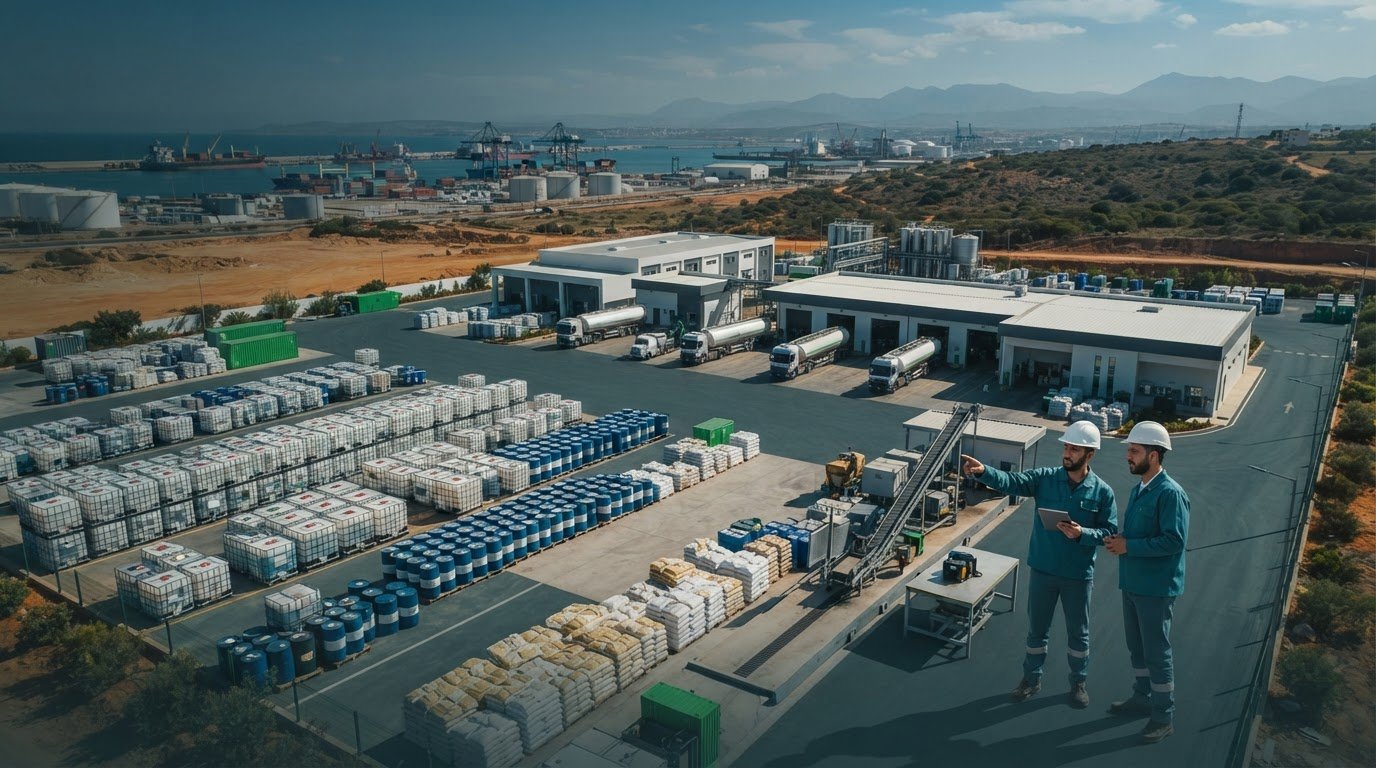
Industrial water treatment is the systematic management of water quality to meet specific industrial requirements and environmental standards. It isn't just a technical process; it's a strategic pillar of modern infrastructure. The industry is witnessing a decisive shift from "single-use" models to "circular" water management. In 2026, this transition is no longer optional. With the global market valued at $51.0 billion this year, companies are investing in technologies that treat water as a reusable asset rather than a disposable waste stream. This systematic approach provides the stability needed for global food security and the mining operations that fuel our cities. The primary drivers for this evolution are clear: stringent regulatory compliance, increasing resource scarcity, and the urgent need for operational cost reduction.
The Role of Water in Modern Industry
Water serves as a vital heat transfer medium in boilers and cooling towers. In these high-pressure environments, purity is non-negotiable. Even minor mineral imbalances lead to catastrophic efficiency losses. In chemical and fertilizer manufacturing, process water is a critical ingredient. It doesn't just support the process; it is the process. The quality of this water directly dictates final product yields and purity levels. High-quality industrial water treatment ensures that industrial outputs meet the rigorous standards required for global distribution. When water quality fluctuates, production costs rise and asset integrity declines. Reliable chemical additives are the only way to maintain the delicate balance required for continuous, high-output manufacturing.
Treatment as a Pillar of Global Security
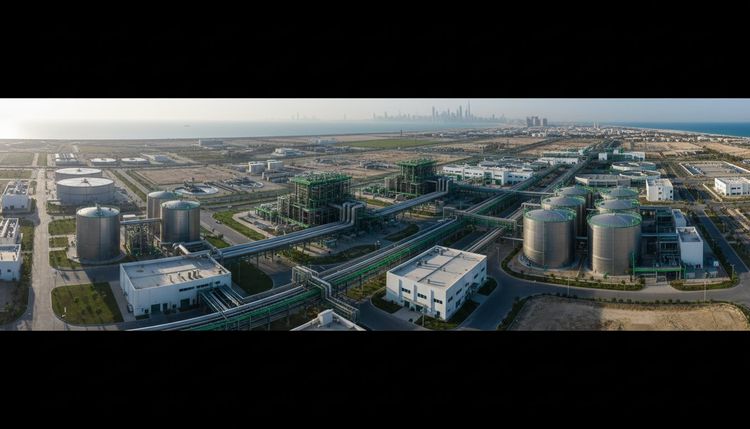
Protecting local aquifers is a core responsibility of the modern industrialist. Responsible wastewater management prevents the contamination of shared resources and ensures that local communities thrive alongside industrial hubs. In water-stressed regions like Riyadh and Dubai, consistent production depends entirely on advanced treatment technologies that enable high recovery rates. This is where an industrial water treatment overview of global standards becomes essential for maintaining operational continuity. We view this through the "JAS Cares" lens. This approach prioritizes sustainable industrial chemistry to ensure that industrial growth does not come at the expense of community well-being. By securing water, we secure the future of global food and energy infrastructure. We are moving toward a 2036 market reality where water recycling is the baseline for every global visionary partner.
The Core Challenges: Corrosion, Scale, and Microbiological Growth
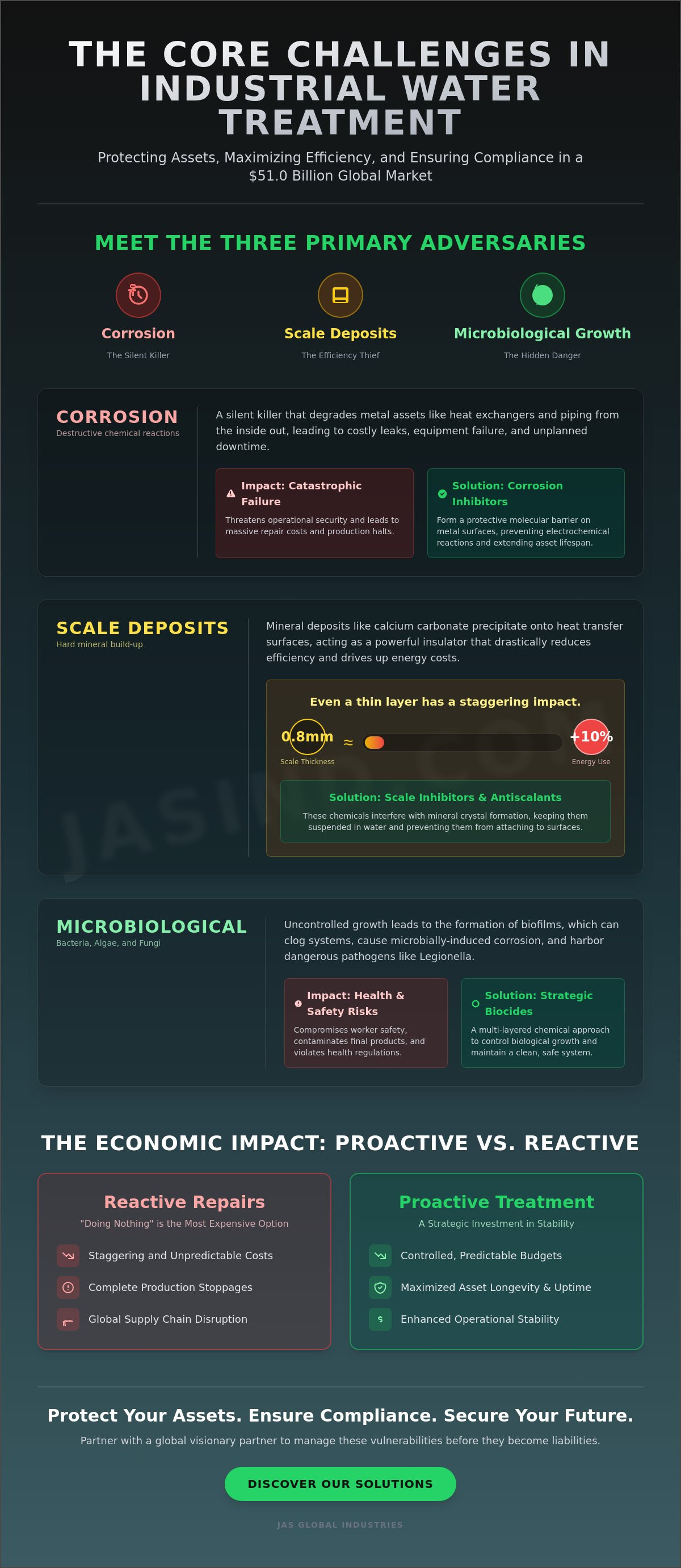
Asset longevity depends on the invisible chemistry within your pipes. In the world of industrial water treatment, we identify three primary adversaries: corrosion, scale, and microbiological growth. These aren't just maintenance issues; they're direct threats to your facility's operational security. Corrosion acts as a silent killer, eating away at heat exchangers and piping until catastrophic failure occurs. Scale deposits are equally destructive. Even a thin layer of mineral buildup, as little as 0.8mm or 1/32 of an inch, acts as a thermal insulator that can skyrocket energy consumption by 10%. Microbiological growth introduces the risk of biofilms and deadly pathogens like Legionella, which can compromise both worker safety and product purity.
The economic impact of "doing nothing" is staggering. Reactive repairs cost significantly more than a proactive chemical treatment plan. When systems fail, production stops, and the ripple effect reaches every corner of the global supply chain. JAS Global Industries provides the technical expertise to navigate these Challenges in Industrial Water Treatment while ensuring operational stability. Partnering with a global visionary partner ensures these vulnerabilities are managed before they become liabilities.
The Science of Scale and Corrosion Inhibition
Precision is the foundation of asset protection. Scale inhibitors and antiscalants work by distorting the crystal structure of minerals like calcium carbonate, preventing them from precipitating onto metal surfaces. Scale inhibition is a process of interfering with crystal growth to maintain efficiency. Simultaneously, corrosion inhibitors form protective molecular layers on metal surfaces. These layers act as a barrier against electrochemical reactions. By stabilizing the surface metallurgy, we extend equipment lifespan and maintain the high-level performance required for modern infrastructure.
Managing Biological Risks and Biofilms
Biological control requires a strategic, multi-layered approach. Biocides are essential for controlling the algae, fungi, and bacteria that thrive in warm, nutrient-rich industrial water. Biofilms are particularly dangerous because they are far more resistant to treatment than free-floating bacteria; they create a protective matrix that shields pathogens from standard disinfection. Our focus remains on sustainable biocide selection. We prioritize chemical additives that deliver maximum efficacy with minimal environmental impact. This commitment ensures that your facility remains a responsible corporate citizen while maintaining the highest standards of water security and system hygiene.
Key Industrial Water Systems and Their Specific Needs
Every industrial sector demands a tailored approach to water management. A textile plant in Europe faces different challenges than a phosphate mine in Morocco. Effective industrial water treatment recognizes these nuances. It isn't just about cleaning water; it's about engineering a specific chemical environment for each system to ensure operational security. Whether you're managing a refinery or a food processing plant, your water systems require a strategy that reflects their unique metallurgy and thermal demands.
Steam and Cooling: The Thermal Heart of the Plant
Industrial boilers and cooling towers are the workhorses of global production. In boilers, high-pressure steam environments are prone to rapid scale formation that threatens system integrity. Internal treatment involves dosing chemicals directly into the boiler to keep minerals in suspension; external treatment removes impurities before they ever enter the system. Efficiency depends on managing the "cycles of concentration." If you blow down too often, you waste water and expensive chemicals. If you don't blow down enough, mineral levels skyrocket. Condensate return treatment is also vital. It protects piping from carbonic acid and oxygen corrosion, ensuring that the water returning to the boiler remains pure and non-corrosive.
Advanced Desalination and RO Technologies
In the Middle East and Africa, thermal desalination and Reverse Osmosis (RO) are critical for both community life and industrial growth. These technologies transform brackish or seawater into a reliable resource. Protecting RO membranes is a top priority for any plant manager. Specialized antiscalants prevent silica and sulfate scaling, which can ruin expensive membranes in a matter of weeks. By optimizing recovery rates in brackish water systems, facilities maximize their output from limited resources. This focus on efficiency aligns with the Future of Water Treatment, where smart systems monitor membrane health in real-time to prevent unplanned downtime.
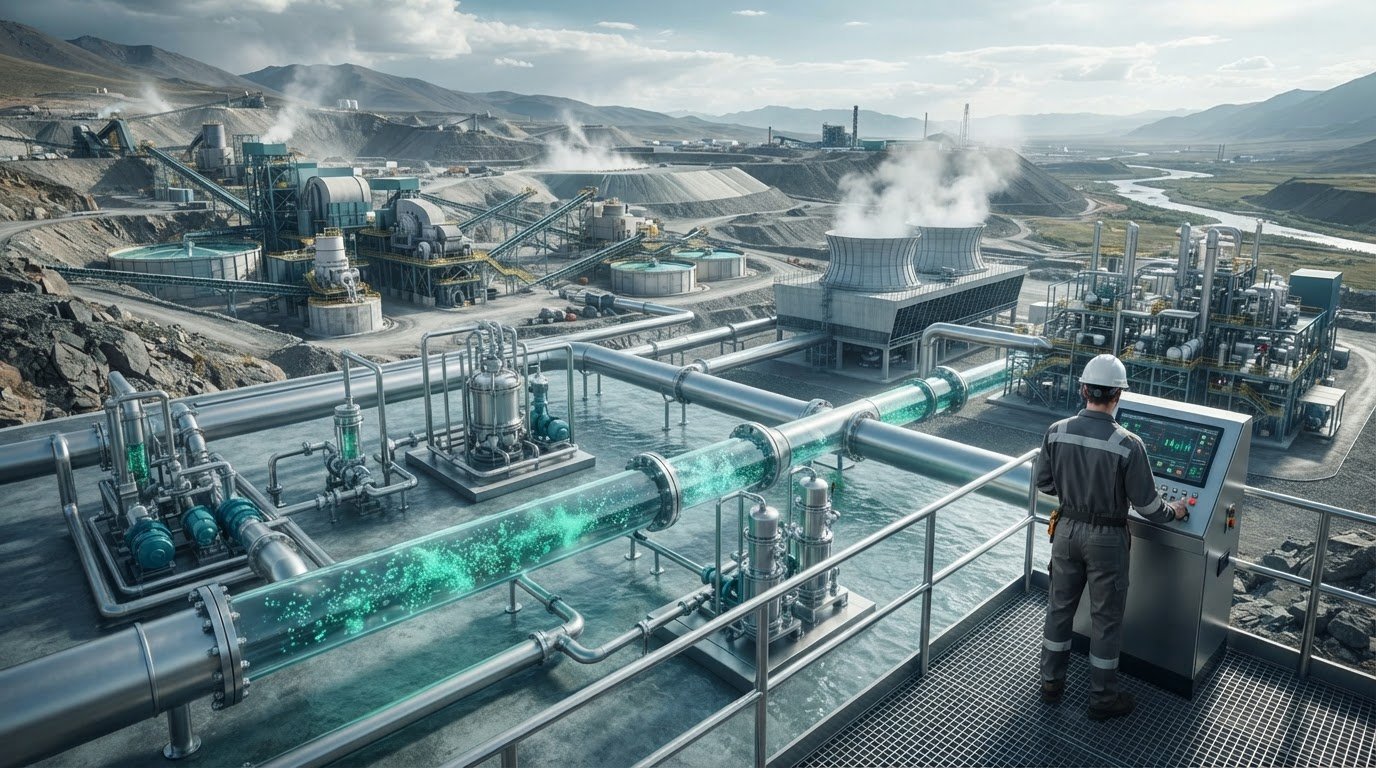
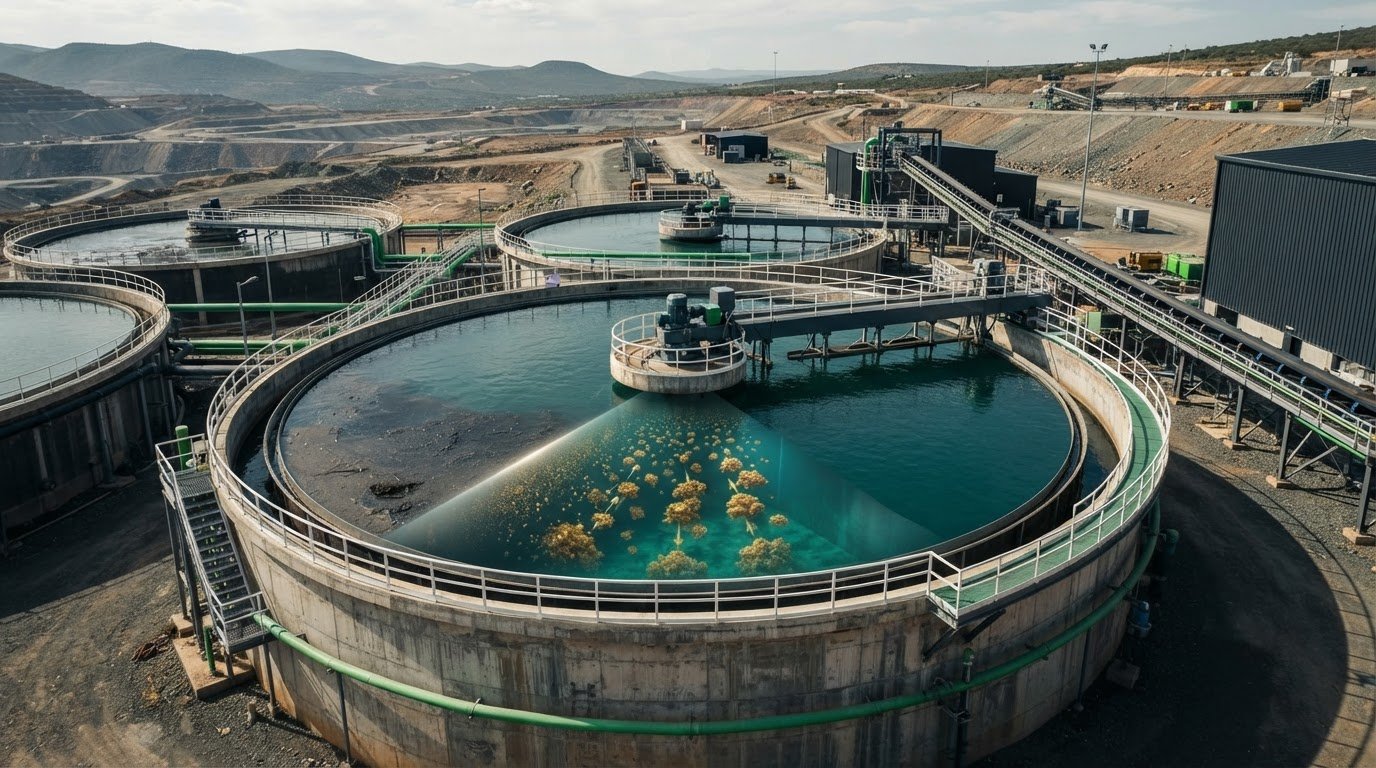
Mining operations present a distinct challenge due to high-solid content and complex mineralogy. In this sector, industrial water treatment focuses on mineral recovery and responsible tailings management. By using specialized flocculants and coagulants, operators separate valuable minerals from wastewater more effectively. This doesn't just improve the bottom line; it reduces the environmental footprint of the mine. Whether it's oil, gas, or fertilizer production, the goal remains the same: transforming a volatile resource into a stable, productive asset that supports global infrastructure.
Designing a Comprehensive Industrial Water Treatment Program
Building a resilient infrastructure requires more than just purchasing off-the-shelf chemicals. It demands a strategic roadmap that aligns your technical needs with your global sustainability goals. A successful industrial water treatment program is most effective when it moves from a macro-level vision to micro-level technical precision. This structured approach ensures that every drop of water contributes to your plant's reliability rather than undermining it. At JAS Global Industries, we rely on a five-step methodology rooted in our twenty-five-year history of operational excellence.
- Step 1: Technical Audit. We conduct a deep-dive analysis of your raw water chemistry and the specific metallurgy of your system to identify potential vulnerabilities.
- Step 2: Custom Formulation. We develop tailor-made chemical dosing strategies that address your facility's unique thermal and mineral profile.
- Step 3: Equipment Integration. We select and install the necessary hardware, such as softeners, filters, and high-precision dosing pumps, to support the chemical program.
- Step 4: Monitoring and Service. Ongoing laboratory testing and troubleshooting ensure the system remains balanced despite seasonal water quality fluctuations.
- Step 5: Sustainability Reporting. We provide clear data tracking for water and energy savings, helping you meet 2026 ESG benchmarks and regulatory requirements.
The Synergy of Chemistry and Hardware
High-end filtration equipment often fails when it isn't supported by the correct chemical environment. Hardware alone cannot solve complex water quality issues; it's merely one half of the solution. A successful industrial water treatment program requires the integration of high-purity reagents and expert process audits to maintain system equilibrium. Automated chemical dosing provides a level of efficiency and safety that manual monitoring cannot match. By utilizing real-time sensors, we ensure that chemical levels are always optimized, preventing both under-dosing and wasteful over-application. To begin optimizing your facility's performance, you should consult with our technical experts for a comprehensive system review.
Technical Consulting and Process Optimization
Professional technical audits are essential for identifying hidden inefficiencies that drain your operational budget. We leverage on-site laboratory testing to make real-time adjustments, ensuring your cooling towers and boilers operate at peak thermal efficiency. This level of consulting transforms water management from a maintenance task into a competitive advantage. We also prioritize training your plant personnel. Empowering your team with the knowledge to manage daily system health ensures long-term operational reliability. This collaborative approach turns a simple supply contract into a meaningful relationship focused on global water security.
Sustainability and Innovation: The Future of Water Treatment
The transition to Green Chemistry is a defining moment for the industry. In 2026, the focus has shifted from simple chemical efficacy to the life-cycle impact of every additive used. Biodegradable scale inhibitors are now replacing traditional phosphates to prevent environmental accumulation. This evolution in industrial water treatment ensures that high-performance mineral management does not come at the cost of ecological health. By prioritizing sustainable specialty chemicals, we protect both the technical integrity of the plant and the natural integrity of the surrounding watershed. This is the new standard for a global visionary partner.
Digitalization transforms water management from a reactive task into a predictive science. Using AI and IoT sensors, facilities now monitor water chemistry in real-time to prevent issues before they occur. These smart systems analyze data to optimize chemical dosing and predict when a heat exchanger might require maintenance. This level of precision is essential for achieving Zero Liquid Discharge (ZLD) and advanced water reuse goals. When every drop is accounted for, the "circular" water model becomes a practical reality, significantly reducing the strain on local municipal supplies.
Innovating for a Water-Secure Future
Developing cost-effective products for complex industrial environments requires deep technical expertise. Our specialized formulations do more than protect assets; they actively reduce a plant's carbon footprint by maintaining peak thermal efficiency. JAS Global’s R&I centers are currently driving the next generation of dispersant agents that function in extreme temperatures and high-salinity conditions. These innovations ensure that even the most demanding sectors, like mining and oil and gas, can operate sustainably. By refining the molecular structure of our chemical additives, we help industries meet the 5.1% CAGR growth projected for the market through 2036 while adhering to stricter environmental discharge limits.
The Global Impact of Responsible Water Management
Industrial efficiency is directly linked to local community water access. When a regional industrial hub saves millions of gallons through advanced recycling, that water remains available for agriculture and domestic use. This is the core of our "JAS Cares" mission. We have seen case studies where optimized cooling tower cycles reduced water consumption by 20% in a single year, providing a stable foundation for local economic growth. Responsible industrial water treatment is not just a corporate requirement; it is a contribution to global water security. To ensure your facility is prepared for the regulatory and environmental challenges of the coming decade, contact our technical team to optimize your water systems today.
Securing the Future of Industrial Infrastructure
Operational resilience requires more than just managing a utility. It demands a fundamental shift toward viewing water as a strategic asset. By integrating technical audits with custom chemical formulations, facilities can eliminate the silent killers of corrosion and scale while meeting 2026 environmental standards. Advanced industrial water treatment is the foundation upon which global food and water security are built. It's the key to maintaining productivity in a world of increasing resource scarcity.
JAS Global Industries brings twenty-five years of industrial expertise and a network of global R&I centers to every partnership. We don't just supply additives; we manufacture relationships. Our specialized solutions are proven to protect critical infrastructure and optimize resource recovery in the world's most demanding environments. Partner with JAS Global Industries for Advanced Water Solutions and transform your water management into a competitive advantage. Let's build a sustainable legacy together.
Frequently Asked Questions
What are the most common chemicals used in industrial water treatment?
Common chemicals include coagulants, flocculants, corrosion inhibitors, and scale control agents. Specifically, polyphosphates and zinc-based compounds protect metal surfaces, while oxidizing biocides like chlorine dioxide eliminate pathogens. These chemical additives are essential for maintaining the delicate mineral balance required in high-pressure steam and cooling environments.
How does industrial water treatment improve energy efficiency?
Water treatment improves energy efficiency by maintaining clean heat-transfer surfaces throughout your system. Even a 0.5mm mineral layer can reduce heat exchange efficiency by 7% in industrial equipment. By preventing this buildup, systems operate at their design capacity, which significantly lowers fuel and electricity consumption across the entire facility.
Is industrial water treatment required for environmental compliance?
Yes, treatment is mandatory for meeting global discharge standards. Regulatory bodies like the US EPA have set a June 1, 2027, deadline for the Hazardous Substances Facility Response Plan (FRP) rule. Proper industrial water treatment ensures your effluent meets these evolving legal requirements, protecting you from the increased scrutiny of the 10,000 inspections planned by the UK Environment Agency for 2025-2026.
What is the difference between an antiscalant and a scale inhibitor?
Antiscalants work by increasing the solubility of minerals to prevent them from precipitating out of the water. Scale inhibitors modify the shape of crystals as they form, making them less likely to adhere to surfaces. Both are critical components of a modern industrial water treatment strategy to maintain system flow and thermal performance.
How often should industrial water systems be tested?
Critical parameters like pH and conductivity should be monitored in real-time using IoT sensors. For complex chemistry, we recommend a full laboratory analysis at least once per month. This schedule allows for adjustments to compensate for the seasonal water quality fluctuations that affect approximately 38% of industrial sites in rapidly developing regions.
Can industrial wastewater be reused for process cooling?
Industrial wastewater can be reused for process cooling after undergoing secondary and tertiary treatment. This practice is a cornerstone of Zero Liquid Discharge (ZLD) strategies. Reusing water reduces raw water intake costs and helps facilities stay operational during the water scarcity events that are increasingly common in regions like MENA.
What are the risks of untreated cooling tower water?
Untreated water leads to rapid corrosion, massive water waste through excessive blowdown, and the growth of Legionella bacteria. Biofilms can also form, and these structures are 1,000 times more resistant to standard disinfectants than free-floating bacteria. These risks threaten both the physical integrity of the plant and the safety of the local community.
How does water treatment impact the lifespan of an industrial boiler?
Effective treatment can extend the lifespan of an industrial boiler by 15 to 20 years. It prevents oxygen pitting and caustic embrittlement, which are the leading causes of premature pressure vessel failure. By stabilizing the internal chemistry, you transform a high-risk asset into a reliable pillar of your production infrastructure.