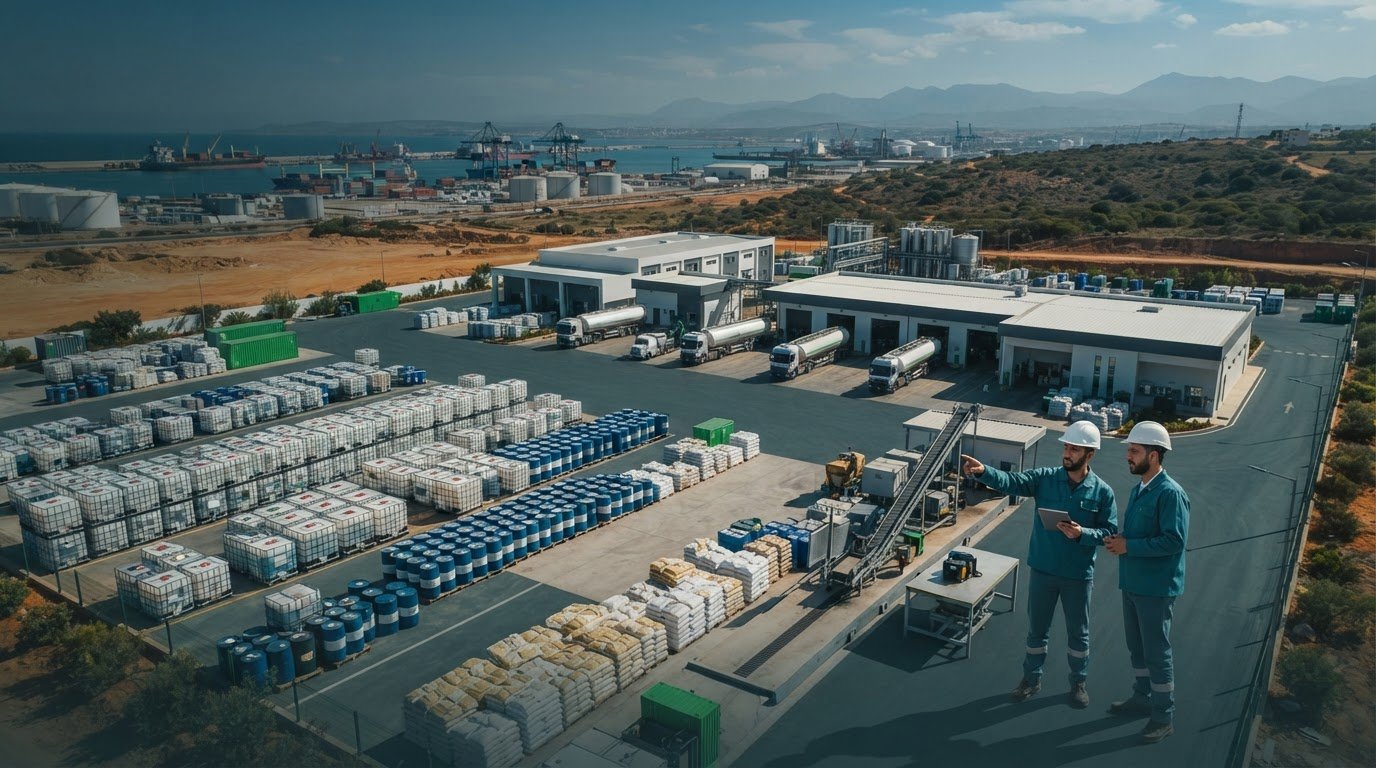


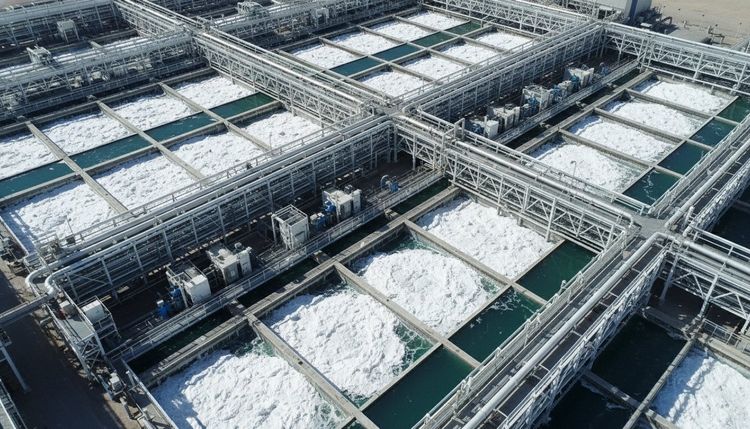
Current industry standards for phosphate recovery hover around 75%, meaning nearly a quarter of your potential P2O5 yield is lost to tailings. With the global phosphate market projected to reach $193.38 billion in 2026, these losses aren't just technical inefficiencies; they're significant missed opportunities for global resource stability. You've likely seen how high carbonate and MgO content can stubbornly degrade concentrate quality while reagent costs continue to rise. It's a difficult balance to maintain when fine phosphate particles are constantly lost to slimes.
There's a better way to protect your margins and your mineral assets. By focusing on improving recovery in phosphate flotation through precision chemistry and refined operational control, you can bridge the gap between current output and maximum potential. This article outlines advanced strategies for maximizing P2O5 yield and managing complex impurities. We'll examine how specialized mining flotation collectors and optimized dosing protocols create a more reliable, efficient, and sustainable production cycle for the year ahead.
Key Takeaways
- Identify the specific mechanisms of apatite separation to pinpoint exactly where P2O5 losses occur within your current circuit.
- Enhance apatite hydrophobicity by selecting advanced anionic collectors designed for high-yield mineral extraction.
- Manage complex carbonate and MgO impurities through the strategic application of specialized mining depressants and frothers.
- Implement precise pH regulation and particle size optimization as foundational pillars for improving recovery in phosphate flotation.
- Utilize site-specific chemical formulations to address unique mineralogical challenges and ensure long-term resource security.
Understanding the Dynamics of Phosphate Flotation Recovery
Phosphate beneficiation serves as the bedrock of the global agricultural supply chain. At its core, flotation is a selective process designed to separate valuable apatite from unwanted gangue minerals like quartz and carbonates. Achieving high efficiency in this stage is essential for maintaining the stability of critical resources. However, the path to improving recovery in phosphate flotation is rarely a straight line. It demands a sophisticated balance between chemical precision and mechanical control.
The primary technical hurdle remains the presence of complex ores. High-MgO content, often found in dolomitic phosphates, acts as a significant barrier to quality. When carbonate levels rise, the chemical similarity between the gangue and the target mineral makes traditional separation difficult. Modern operators must focus on strategies that maximize P2O5 yield without allowing reagent consumption to spiral out of control. Effective recovery is not just about the volume of concentrate produced; it's about the precision of the separation itself.
The Mineralogical Challenge: Apatite vs. Gangue
Success begins with a clear understanding of your specific ore body. Whether you're dealing with fluorapatite or hydroxyapatite, the surface chemistry dictates how your reagents will perform. Silica and carbonate impurities don't just take up space; they actively interfere with flotation kinetics. Proper mineral liberation is the first line of defense. If the grind size isn't optimized, phosphate remains locked within the gangue, leading to unavoidable losses in the tailings. Conversely, over-grinding creates slimes that coat the apatite surfaces and prevent collector attachment, directly hindering improving recovery in phosphate flotation.
Key Metrics for Recovery Success
Efficiency in the plant is measured by more than just a final grade. Engineers must track the separation efficiency and the enrichment ratio to understand the true health of the circuit. There is a constant, inherent trade-off between recovery and concentrate grade. Pushing for a 32% P2O5 grade often results in lower overall recovery, as more phosphate is rejected to keep impurities low. Finding the "sweet spot" is the hallmark of a mature industrial operation.
Defining optimal recovery requires looking beyond the flotation cell to downstream fertilizer production. High recovery rates are only valuable if the resulting concentrate meets the strict MgO and Fe2O3 limits required for phosphoric acid units. To achieve this balance, many operations are integrating advanced mechanical solutions. For instance, Jameson cell technology has proven effective in handling fine particles and improving the overall kinetics of the recovery process. By combining these mechanical advancements with tailor-made chemical programs, mines can protect their margins while securing the world’s phosphorus supply.
Optimizing Collector Chemistry for Enhanced P2O5 Yield
Collectors are the primary drivers of mineral attachment. Without them, the bubble-particle collision remains unproductive. While basic fatty acids have served the industry for decades, improving recovery in phosphate flotation now requires more than just high-volume dosing. It demands chemical intelligence. Modern mining flotation collectors must be engineered to recognize the subtle differences between apatite and gangue, ensuring that every gram of reagent contributes to the final yield. This precision is what separates a standard operation from a global leader in resource efficiency.
Anionic collectors, specifically those derived from fatty acids, are the workhorses of direct flotation. They work by selectively adsorbing onto the calcium sites of the apatite surface. However, their performance isn't static. It fluctuates based on water hardness and temperature. In many circuits, the presence of dissolved calcium ions in process water can "pre-react" with the collector, forming insoluble soaps. This leads to excessive consumption and poor selectivity. This is where customized blends from JAS Global Industries make a difference. We design formulations that resist these interferences, protecting your operational stability and ensuring that the chemistry works for the mineral, not the water.
Anionic vs. Cationic Collector Selection
The choice between anionic and cationic routes depends on the mineralogy. Direct flotation uses anionic collectors to float the phosphate. In contrast, reverse flotation employs cationic collectors to remove silicate gangue from the concentrate. While cationic reagents offer high selectivity for quartz, they're often sensitive to pH and water quality. Understanding these dynamics is vital for improving recovery in phosphate flotation. Recent research on novel depressants and collector synergies highlights how combining these approaches can stabilize the froth phase and improve final recovery rates even in challenging ores.
The Role of Collector Boosters
Standard collectors often struggle with coarse particles or high-impurity ores. Collector boosters, usually non-ionic surfactants, act as "spreading agents." They lower the surface tension and allow the fatty acid to coat the mineral surface more uniformly. This synergy reduces the overall dosage needed while simultaneously increasing the kinetics of the flotation cell. These boosters aren't just additives; they're essential tools for resource security. In many industrial settings, these tailor-made additions help capture fine phosphate particles that would otherwise be lost to the tailings.
If your plant is facing declining ore grades or inconsistent results, it's time to look beyond generic chemicals. Exploring specialized mining flotation collectors can reveal hidden efficiencies in your current circuit. By aligning chemical properties with site-specific mineralogy, you ensure that your recovery remains both high and sustainable for the long term.
Strategic Use of Depressants and Frothers in Complex Ores
Managing complex ore bodies requires more than just powerful collectors. It demands a sophisticated defensive strategy. While collectors provide the lift, mining depressants act as the gatekeepers of quality. They ensure that carbonates and MgO-bearing minerals remain in the tailings while the apatite moves to the concentrate. This selective inhibition is the foundation for improving recovery in phosphate flotation. Without precise depression, even the most advanced collector programs will struggle to meet the stringent grade requirements of modern fertilizer production.
The success of this chemical program relies heavily on reagent sequencing and pH regulation. Effective depression of silica and carbonates typically requires an alkaline environment, often between pH 9.0 and 10.5. If the pH fluctuates, the depressant's ability to coat the gangue minerals diminishes. This leads to a cascade of operational issues, including increased reagent consumption and lower P2O5 yield. Consistency in these parameters isn't just a technical goal; it's a commitment to operational excellence and resource protection.
Managing MgO and Carbonate Impurities
High MgO content is a primary threat to downstream phosphoric acid plant efficiency. In the acidulation process, MgO increases the viscosity of the slurry and leads to the formation of sludge in storage tanks. To mitigate this risk, operators use selective depressants such as phosphoric acid or specific organic acids. These reagents modify the surface charge of dolomitic and calcitic gangue, preventing collectors from attaching to them. Achieving a high-grade concentrate often requires multi-stage depression. By separating the removal of carbonates and silicates into distinct stages, mines can maximize their recovery while protecting the long-term stability of their mineral assets.
Hydrodynamics and Froth Stability
Frothers do more than just create bubbles; they manage the hydrodynamics of the entire flotation cell. The strength and type of frother must be carefully matched to the particle size distribution of the feed. If the froth is too brittle, valuable minerals will drop back into the pulp before they can be recovered. If it's too stable, the circuit suffers from excessive water carryover and entrained impurities. When recovering coarse phosphate, the residence time of the froth becomes a critical variable. A stable, well-managed froth layer is essential for lifting larger particles to the surface.
Inaccurate dosing remains a common cause of recovery loss. Excessive frother usage doesn't just increase costs; it destabilizes the entire circuit. Operators must find the precise balance that maximizes mass pull without compromising selectivity. Modern frother selection also prioritizes environmental responsibility. Choosing reagents that degrade effectively in tailings ponds demonstrates a focus on sustainability that goes beyond simple logistics. This holistic approach to chemical management is the key to improving recovery in phosphate flotation in 2026 and beyond.
Operational Parameters: From Particle Size to pH Control
Precision in the flotation cell is dictated by the chemical environment. While collectors and depressants provide the necessary selectivity, the operational parameters determine if those reagents can actually perform. pH regulation is the foundational element of any phosphate circuit. It acts as the master switch for surface charge and reagent adsorption. For engineers focused on improving recovery in phosphate flotation, mastering these physical setpoints is the only way to ensure that the chemical program translates into industrial-scale yield.
Operational stability requires a proactive approach. Ore characteristics change as the pit deepens or moves into new zones. Regular technical audits are essential to ensure that your grinding, conditioning, and pH targets still align with the mineralogy. This commitment to constant refinement is what distinguishes a world-class operation from one struggling with inconsistent recovery rates. It's about protecting the long-term value of the resource through technical discipline.
The Critical Role of pH Regulation
Most phosphate flotation occurs within the alkaline range, typically between pH 8 and 10.5. In this window, the surface of apatite is ideally conditioned for anionic collector attachment. However, the choice of pH modifier matters. While caustic soda is a powerful base, many operators prefer soda ash for its superior buffering capacity. Soda ash helps manage the natural buffering effect of carbonate-rich ores, preventing sudden pH drops that can destabilize the froth. In reverse flotation circuits designed for silica removal, pH control becomes even more sensitive. Even a minor shift can cause the collector to lose its affinity for quartz, leading to silica contamination in the final P2O5 concentrate.
Conditioning and Feed Preparation
Collector attachment is not instantaneous. It requires energy and time. High-solids conditioning, often between 65% and 75% solids, is the industry standard for ensuring collectors coat the apatite surfaces effectively. If the pulp is too dilute, the collision frequency between the reagent and the mineral decreases, leading to wasted chemistry. Equally critical is managing the particle size distribution. Over-grinding is a common recovery killer. Particles that fall into the -20 micron range often become slimes that coat larger particles or simply bypass the bubble attachment process entirely. Effective desliming strategies are necessary to remove these interfering clay minerals before they can reach the flotation cells.
Optimizing these parameters requires a partner who understands the intersection of chemistry and mechanics. Implementing advanced mining flotation collectors alongside precise operational controls can significantly reduce P2O5 losses in the tailings. By aligning your conditioning energy and pH modifiers with your specific ore mineralogy, you secure a more reliable and efficient production cycle. This technical synergy is the most effective path toward improving recovery in phosphate flotation for the long term.
Tailor-Made Chemical Solutions: The JAS Approach
Achieving excellence in the flotation circuit requires more than generic reagents. It demands a deep integration between chemical engineering and site-specific mineralogy. At JAS Global Industries, we don't view ourselves as a mere supplier. We act as a vital global guardian for the world's most critical resources. By improving recovery in phosphate flotation, we help our partners secure the long-term stability of the fertilizer supply chain. Our approach is rooted in technical expertise and a commitment to sustainable industrial growth.
Standard chemicals often fail to account for the unique impurities of a specific deposit. Whether you're dealing with high-MgO carbonates or complex silicate gangue, our Research and Innovation (R&I) centers are equipped to solve your toughest challenges. We develop reagents that are chemically tuned to your ore. This ensures maximum P2O5 yield while minimizing environmental impact and reagent waste. It's a steady, results-driven process designed to build confidence in your operational output.
Custom Reagent Formulation Process
- Step 1: Mineralogical analysis and laboratory bench testing. We begin with a comprehensive study of your feed. Using advanced mineralogical tools, we identify the exact liberation characteristics and impurity profiles of your ore.
- Step 2: Development of custom collector and depressant packages. Our chemists formulate specialized mining flotation collectors and depressants tailored to your specific surface chemistry requirements.
- Step 3: Pilot-scale validation and full-plant implementation support. We don't stop at the lab. We provide on-site technical support to ensure our chemistry performs under real-world plant conditions.
Technical Consulting and Plant Audits
Recovery loss is rarely caused by a single factor. It's often a combination of chemical imbalance and mechanical inefficiency. Our on-site technical audits are designed to identify these bottlenecks. We analyze your entire circuit, from conditioning energy to froth residence time. By distinguishing between mechanical issues and chemical performance, we help you apply the right fix at the right time. Optimizing dosing points and reagent sequencing can have a profound impact on improving recovery in phosphate flotation.
Reliability is the cornerstone of our service. Our global logistics network ensures that specialized mining chemicals reach even the most remote sites without interruption. This steady supply is essential for maintaining operational stability and protecting your margins. To see how our technical expertise can transform your operation, explore our Mining Solutions for phosphate recovery. We build long-term partnerships focused on results, safety, and global resource security.
Securing the Future of Global Phosphate Production
The transition toward 2026 requires a shift from generic reagent application to technical precision. Success depends on the synergy between advanced collector chemistry and rigorous operational discipline. By prioritizing improving recovery in phosphate flotation, industrial leaders don't just increase their immediate P2O5 yield; they protect the long-term stability of the global food supply chain. This holistic management of chemical and mechanical variables is the only way to navigate the increasing complexity of modern ore bodies.
JAS Global Industries has been a reliable pillar of industrial infrastructure since 1998. We provide the technical expertise needed to transform these strategies into measurable results. Our global R&I centers specialize in custom formulations, while our expert technical audits identify the specific bottlenecks limiting your plant-scale performance. We're ready to help you secure your resource future through advanced chemistry and proven process optimization.
Optimize Your Phosphate Recovery with JAS Global Industries Technical Consulting. Together, we can ensure your operation remains a resilient contributor to a sustainable world.
Frequently Asked Questions
What is the most common cause of low recovery in phosphate flotation?
Mineral liberation issues and slime interference are the primary causes of low recovery. When apatite remains locked within gangue minerals like quartz or dolomite, it cannot be effectively captured by the froth. Similarly, fine particles or slimes coat the mineral surfaces and consume reagents non-selectively. Proper desliming and grinding are essential to ensure the chemistry can interact with the target mineral.
How does MgO content affect the quality of phosphate concentrate?
MgO content serves as a significant impurity that degrades concentrate quality and interferes with downstream acidulation. High levels of magnesium, often originating from dolomitic minerals, increase the viscosity of phosphoric acid during production. This leads to sludge formation and reduced filtration rates in fertilizer plants. Managing these levels through selective depression is vital for maintaining the economic value of the final product.
What is the difference between direct and reverse phosphate flotation?
Direct flotation captures the phosphate mineral, while reverse flotation captures the gangue. In direct circuits, anionic collectors lift the apatite to the froth phase for recovery. Reverse flotation is often used to remove silicates or carbonates from the phosphate, leaving the concentrate in the cell. The choice between these methods depends on the specific mineralogy and the grade of the feed ore.
Can collector boosters really reduce overall reagent costs?
Collector boosters reduce costs by enhancing the efficiency of primary fatty acid reagents. These non-ionic surfactants improve the spreading of collectors across mineral surfaces, allowing for a significant reduction in total dosage. By optimizing the kinetics of the flotation cell, boosters ensure that less reagent is wasted. This leads to more sustainable and cost-effective operations without compromising on P2O5 yield.
How do I choose the right pH for my phosphate flotation circuit?
The optimal pH for most phosphate circuits falls within the alkaline range of 8.0 to 10.5. This window ensures the surface of the apatite is properly conditioned for reagent adsorption. Selecting the right modifier, such as soda ash or caustic soda, depends on the buffering capacity of your ore. Consistent pH regulation is the foundation for improving recovery in phosphate flotation.
Why are slimes so detrimental to phosphate recovery?
Slimes are detrimental because they non-selectively consume large quantities of reagents. Their high surface area creates a massive chemical demand that starves the larger, valuable particles of the necessary collector coating. Slimes can also coat the bubbles and the apatite particles; this creates a physical barrier that prevents successful collision and attachment within the flotation cell.
What role do depressants play in managing carbonate impurities?
Depressants function by selectively inhibiting the flotation of unwanted carbonate minerals. They modify the surface charge of minerals like dolomite or calcite, making them hydrophilic so they stay in the tailings. This chemical barrier is essential for improving recovery in phosphate flotation, especially when the ore contains complex impurities that would otherwise contaminate the final P2O5 concentrate.
How can JAS Global Industries help optimize my existing flotation plant?
JAS Global Industries optimizes flotation plants through expert technical audits and site-specific reagent development. We analyze your unique ore mineralogy in our global R&I centers to formulate custom collectors and depressants. Our team identifies mechanical bottlenecks and optimizes reagent sequencing to ensure your circuit achieves maximum yield. We partner with you to protect your resources and improve plant-scale efficiency.