
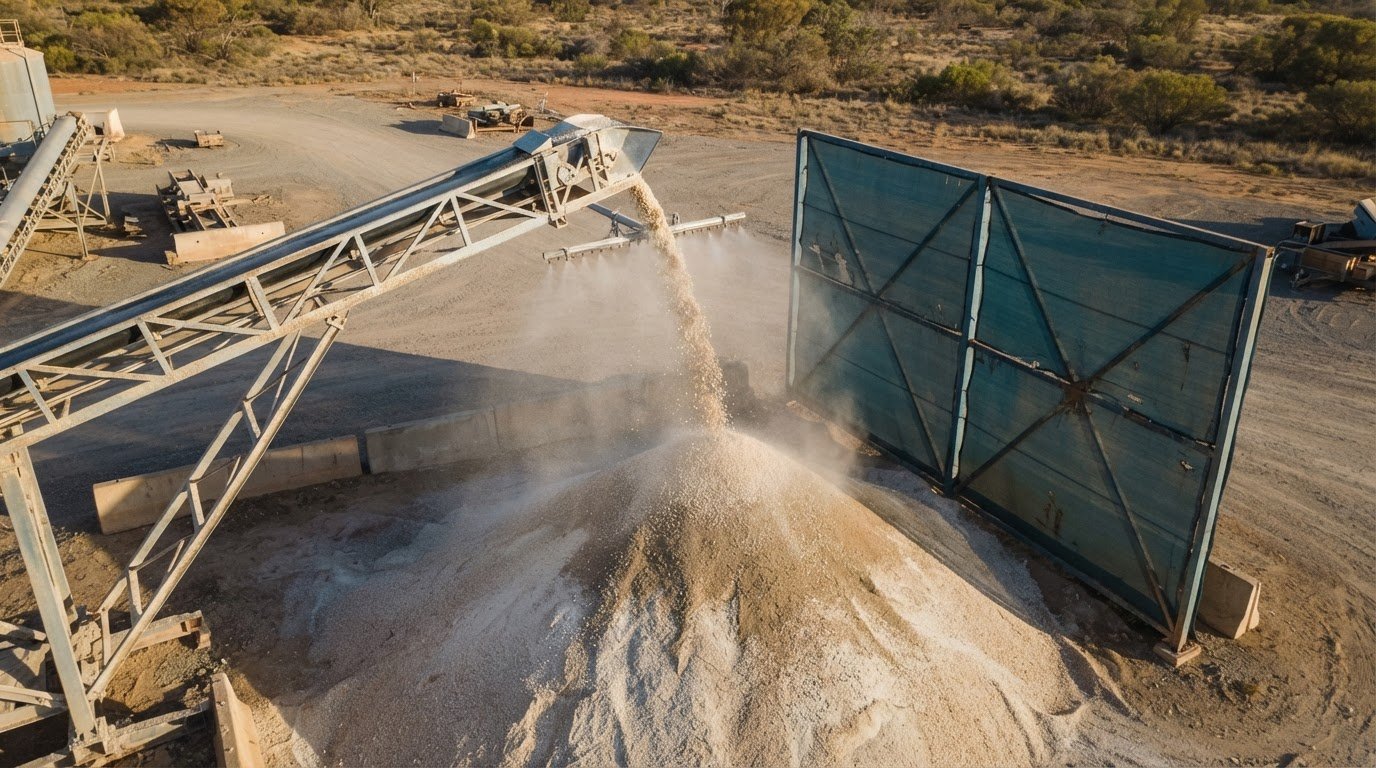
The next dust-control method may not be more water. Alternatives to traditional dust suppression methods include chemical binders that hold particles in place and physical barriers that shield exposed material from wind. The right option depends on where dust forms and how site conditions affect control.
Water spraying is familiar, but evaporation and wind can limit how long it works. Chemical treatments may provide longer-lasting control, while wind barriers and enclosures can protect specific areas without continuous water application. This comparison explains how these approaches, along with other dust-control options, differ in where they work best. You’ll see how dust sources, traffic, exposure to weather, and the need to limit added moisture can shape a practical choice for the site.
What’s Next in Dust Suppression Methods?
Alternatives to water spraying include chemical binders, physical barriers, biological treatments, fog cannons and dust collection. Each works differently: some bind particles, others block wind or capture airborne dust.
In Australia’s arid and semi-arid regions, wind, heat, low humidity and limited rainfall can affect dust-control applications. Hot, dry conditions can shorten the useful life of water spraying through evaporation. Match the method to the site: a moisture-retaining treatment may suit a road, while a barrier may better protect an exposed stockpile.
Tailored polymers can form a surface crust that holds soil particles together. Fibre-based treatments can also be incorporated into surface stabilization, with the material and application selected for the ground being treated. For construction and haul roads, first determine whether dust control is needed on the surface or around a specific source.
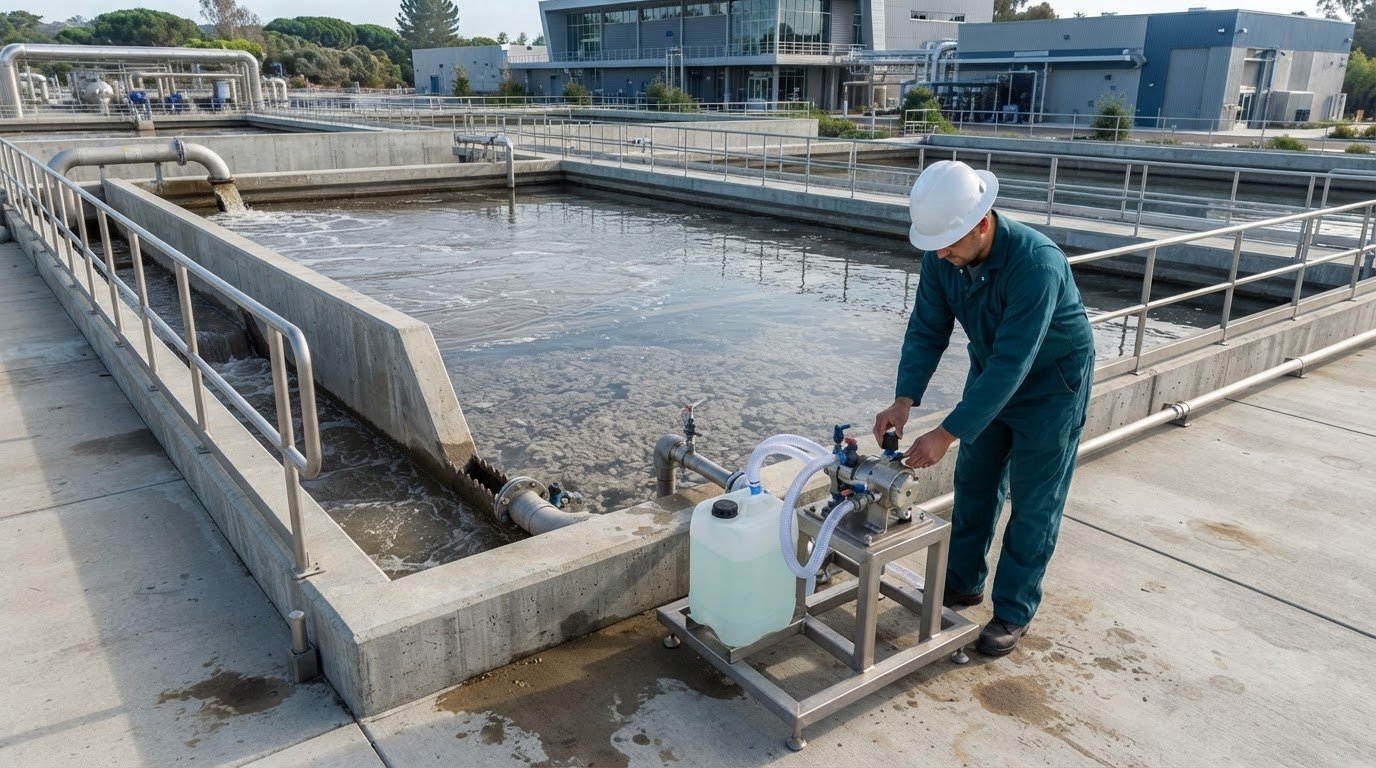
Automation supports targeted coverage. Fixed misting systems can deliver repeatable spray at known sources and connect with process controls. Mining spray systems may also time water application around blasting. Fog cannons provide another outdoor option: they direct mist toward dust sources or plumes, and a construction site in Taiwan used 40 m fog cannons.
Biological dust suppression uses up to 20 times less water than traditional spraying. For road-base applications, it typically takes about six hours to fully stabilize the surface. Biocementation is another soil-stabilization approach, using biological processes to bind particles; its suitability depends on the soil and application.
In the United States, dust-control requirements depend on the work and setting. OSHA and EPA standards address workplace dust exposure and air quality, while mining operations also fall under MSHA standards. These frameworks do not prescribe one universal suppression method.
| Option | Best fit | Key consideration |
|---|---|---|
| Polymers | Exposed soil and roads | Surface crust formation |
| Fibre-based stabilization | Surfaces needing reinforcement | Soil and application fit |
| Automated misting | Known, repeatable sources | Targeted coverage |
| Biological treatment | Road-base stabilization | Stabilization time |
| Fog cannons | Outdoor dust plumes | Direction and coverage |
Choose a method by matching the dust source, weather exposure, moisture constraints and required coverage to how the method works.
Chemical dust suppressants
Chemical treatments control dust by retaining moisture or binding loose material into a more stable surface. Their lasting performance depends on formulation, humidity, rainfall, traffic, and application conditions.
Chemical Suppressants and Binders
Calcium and magnesium chloride attract moisture from the air, helping treated roads stay damp. Their treatments are described as lasting 1-3 weeks, depending on humidity and moisture. Lignosulfonates bind fine soil particles together and can last several weeks. Synthetic polymer suppressants form a surface crust and are described as lasting 1-3 months. These options differ from water spraying, which wets particles without forming a lasting binder.
Environmental and Health Risks
Environmental effects vary by chemical type, so the profile of one suppressant does not represent all treatments. Chloride salts may perform poorly where humidity or rainfall is low, while lignosulfonate-treated surfaces can become slippery when wet or tacky in extreme heat. When handling and applying products, wear appropriate personal protective equipment and follow the manufacturer’s safety guidelines.
Application conditions matter. Apply polymers to clean, damp soil and let the surface dry completely before traffic uses it. Apply suppressants evenly, without puddling or over-application, to limit runoff and waste. Avoid applying before heavy rain, which can wash treatments away or reduce their effectiveness. High-traffic areas and surfaces showing early wear may need more frequent spot treatment.
These treatments can reduce the need for repeated water spraying, but selection should account for the site’s environmental conditions and material handling needs. A biodegradable surfactant can also be added to spray to improve wetting and persistence. For a surface-stabilizing option, fertilizer dust suppressants are designed for dust control in fertilizer applications.
Choosing a method based on dust source and site conditions
Match the method to where particles become airborne, then account for wind, humidity, temperature and rainfall. At construction and demolition sites, applying water before, during and after demolition can reduce airborne dust.
Glycerin-Based Suppressants
Glycerin-based dust suppressants are sprayed onto dusty surfaces. Effective use depends on even coverage and suitable weather, not just the product name. Apply them evenly with regular spray tools, and avoid application immediately before heavy rain, which can interfere with treatment. Exposed areas may need targeted coverage.
Plant-Based Suppressants
Plant-based approaches may be considered as one option for stabilizing dusty soil. Apply them when the ground is slightly damp, using several thin layers rather than one thick layer. This treats dust at its source, unlike spraying aimed at particles already moving through the air. The method is suited to surface stabilization, with application shaped by soil condition and rainfall exposure.
Foam-Based Suppression
Foam-based dust suppression can help on irregular material surfaces that are difficult to wet with direct spraying. Foam spreads across uneven material and can reach areas a water spray may miss. It is a source-focused option for material handling, while road treatments act on the surface and barriers shield exposed materials from wind.
For demolition, applying water before, during and after work helps limit dust as material is disturbed. For a dusty road, stabilize the surface or treat the traffic area where particles lift. For irregular material, foam can improve coverage; for open stockpiles, cover or shield exposed surfaces. Wind direction, humidity, temperature and rainfall all influence application.
Start by identifying the dust source, then decide whether the site needs surface binding, material coverage or control of airborne particles. Match the method to site conditions and the vehicle or equipment used to apply it.
Wind barriers and physical dust barriers
Wind barriers reduce airborne dust movement by shielding exposed surfaces from wind. Covers, planted vegetation and enclosures suit different materials and site layouts.
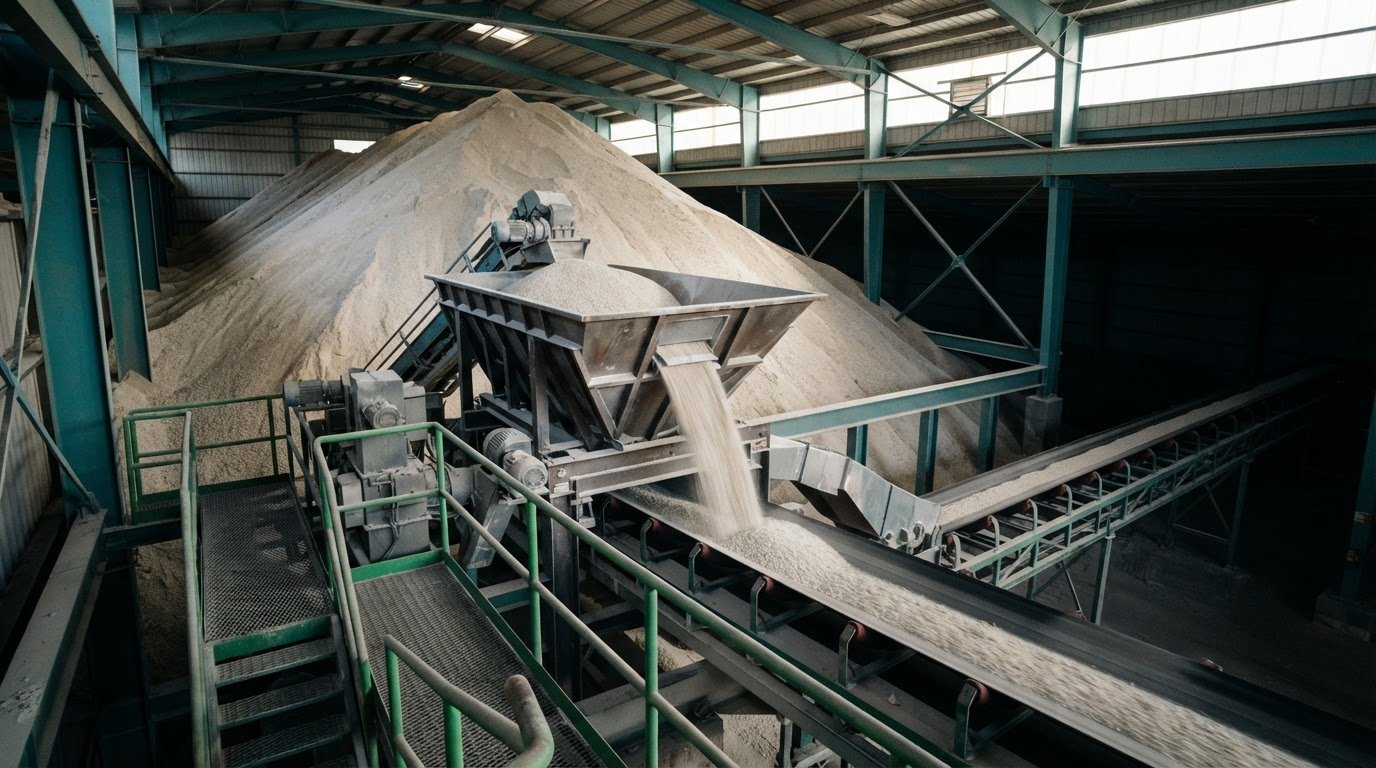
For an exposed stockpile, cover the material with a tarp or another suitable covering. This reduces wind exposure and surface disturbance without continuous water application. Covering is most direct when dust comes from a defined pile or open area, but it does not capture dust already moving elsewhere.
Vegetation Barriers and Coverings
Vegetation can act as a windbreak around exposed ground, while tarps shield stockpiles directly. Planted barriers protect an area by interrupting wind; coverings reduce exposure at the material itself. Climate and site layout shape their usefulness: a tarp can cover a stockpile, while vegetation needs space along the exposed edge.
Physical barriers can protect mining areas where wind repeatedly carries dust from a particular source. Once installed, they provide ongoing wind protection without repeated spraying to maintain the shield. However, barriers do not bind surface particles, so traffic or material handling can still create dust within the protected zone.
Enclosures and Physical Barriers
Enclosures control dust movement close to its source and can work alongside other engineering controls. For example, enclosing a material-handling point keeps dust closer to the operation instead of letting wind spread it across the site. Barriers are most practical around defined zones; enclosing a large, open site may be impractical.
Choose a structure by tracing the dust path. A cover suits a stockpile, a windbreak shields an exposed boundary, and an enclosure contains a fixed operation. Consider prevailing wind direction, nearby work areas, vehicle movement and whether the barrier leaves dust-generating activity exposed. In dry climates, barriers can reduce reliance on continuous moisture application, but they cannot stabilize a disturbed road surface on their own.
For mining operations assessing dust-control priorities, discuss dust-control requirements in the context of the site’s sources and processes.
JAS Global Industries: Fertilizer Dust Suppressants
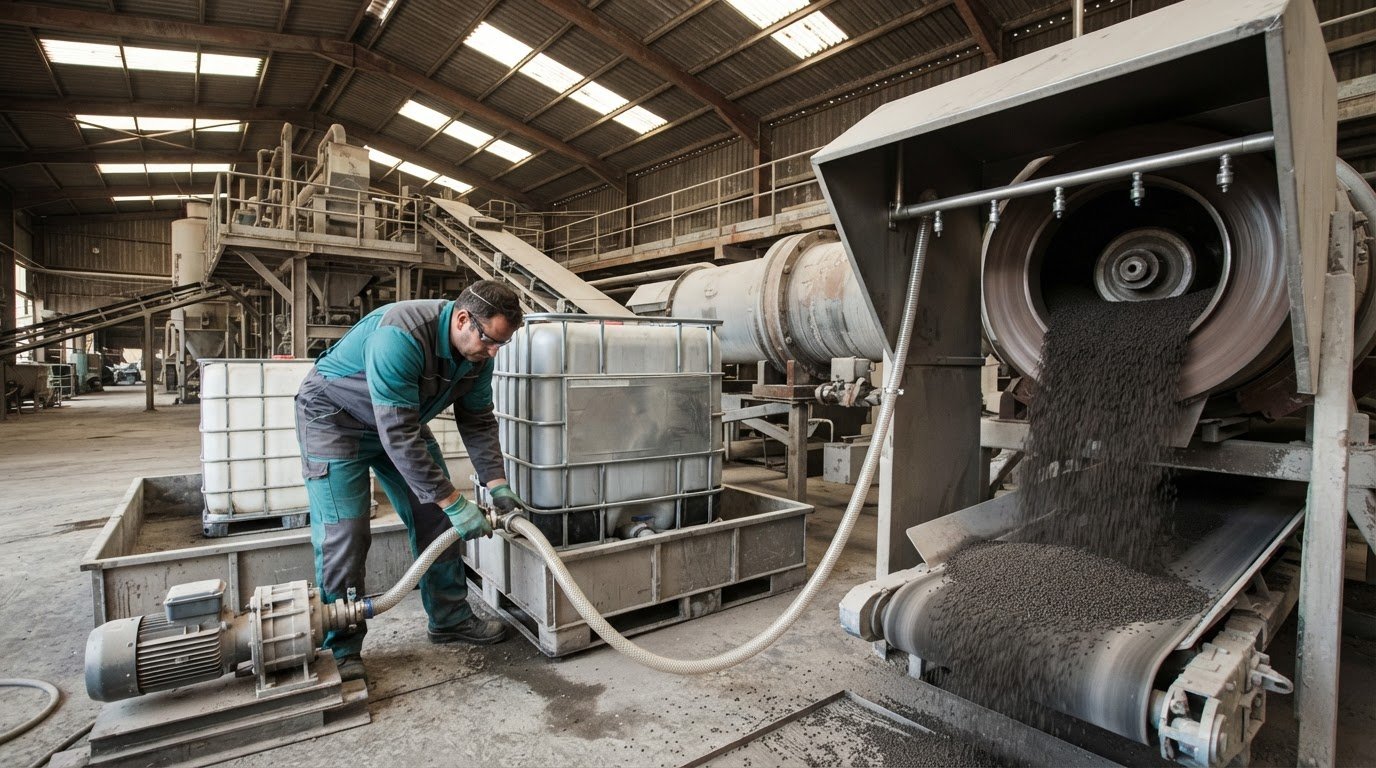
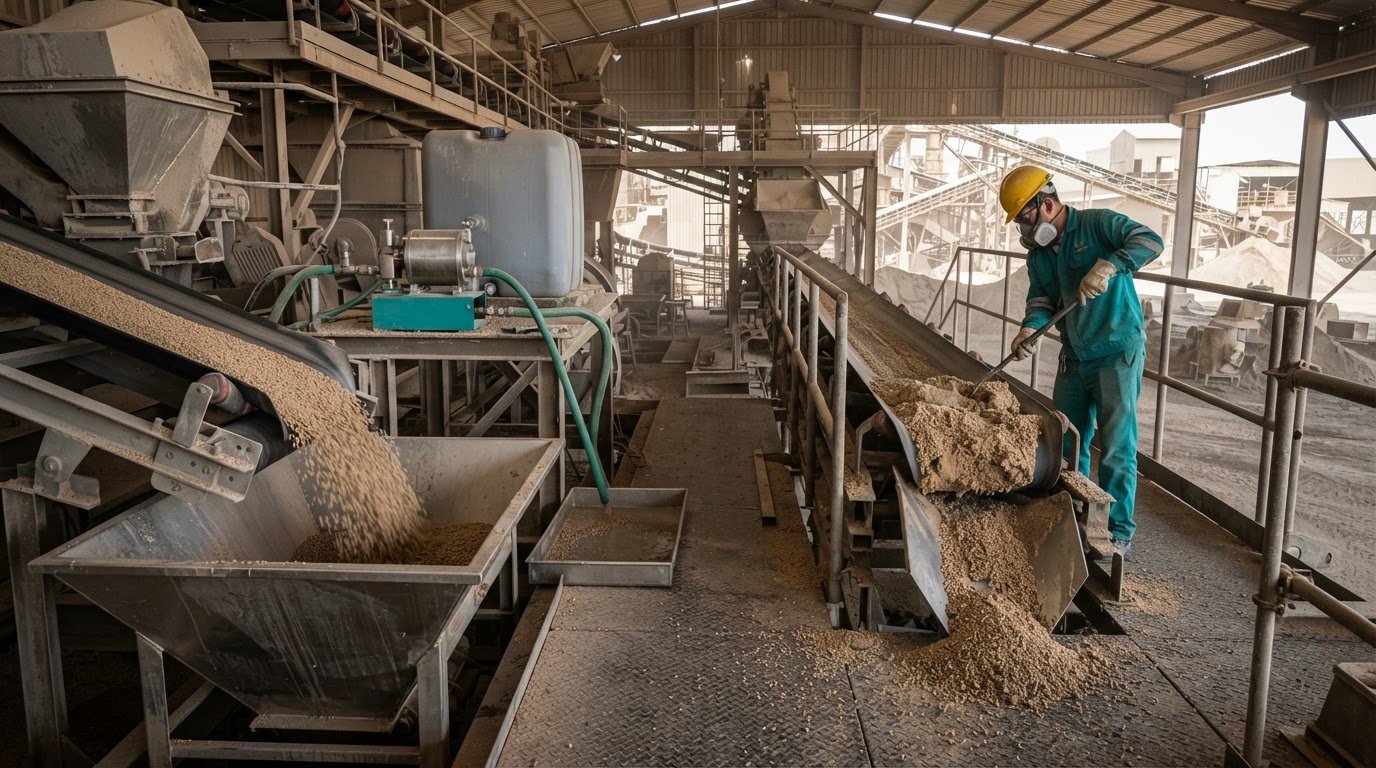
JAS Global Industries offers Fertilizer Dust Suppressants for fertilizer operations seeking a chemical approach to dust control. They are relevant when dust is generated during fertilizer handling and the aim is to use a suppressant rather than rely only on water or physical barriers.
The right approach depends on the material and process. Anti-dusting Agents and Fertilizer Anti-caking Agents are related products for fertilizer applications, but they serve distinct purposes. JAS Global Industries develops tailor-made formulations to suit operational requirements, rather than assuming one treatment fits every material or handling condition.
For a practical next step, outline where dust occurs, what material is handled and which process conditions shape control. Contact JAS Global Industries to discuss fertilizer dust suppression needs.
Turn Dust-Control Priorities Into a Practical Plan
Map where dust forms, what activity releases it and which site conditions shape control. This turns the range of alternatives to traditional dust suppression methods into a practical selection process based on operational needs, not a one-size-fits-all choice.
For fertilizer handling, JAS Global Industries offers Fertilizer Dust Suppressants and Fertilizer Anti-caking Agents. For mineral processing, it offers Mining Flotation Collectors. Keeping these applications distinct helps match each chemical solution to its intended process.
Bring the dust source, material, and relevant operating conditions into your next planning discussion. That gives the conversation a focused starting point and helps connect dust-control priorities with the appropriate offering. For a discussion centered on your operation, contact JAS Global Industries. A well-defined starting point can help move your dust-control plan forward.
Frequently Asked Questions
What is Dust Control and Why Does it Matter?
Dust control means reducing dust generation, capturing airborne particles or limiting their spread. Dust can travel beyond the point where material is disturbed, affecting nearby work areas and processes. For example, controlling dust at a conveyor transfer point addresses the source, while managing it along a site boundary helps limit off-site movement.
How Do These Options Compare?
These methods differ in where and how they work. A suppressant treats material or soil, a barrier interrupts wind movement, and a collection system captures airborne dust. A cover limits exposure on a stockpile, while extraction near an enclosed transfer point captures dust before it disperses. Compare the source, area needing control, moisture constraints and whether the method must work in an open or enclosed space.
How do dust-control polymers and chemical suppressants compare with water?
Water controls dust by wetting particles, while polymers and other chemical suppressants can bind material at the treated surface. That difference matters where repeated wetting disrupts traffic or adds unwanted moisture to handled products. A road may benefit from a binding treatment, while a process area with moisture-sensitive material may need carefully targeted controls. Match the treatment to both the surface and the material.
Can misting systems or fog cannons effectively control dust?
Yes, they can help control dust when droplets reach the source or plume. Fixed misting can serve a known process point, while a fog cannon can target visible outdoor dust. Placement and airflow matter: a unit aimed away from the plume may miss it, and added moisture may not suit every material. Misting controls airborne dust rather than stabilizing an entire road.
How do dust suppression methods compare by cost and water use?
Water spraying generally has a lower upfront cost than chemical treatments, but its overall resource demand depends on local water rates, availability, weather and reapplication frequency. Chemical treatments may reduce repeat applications, while physical barriers avoid continuous water use after installation. Compare equipment, labor, water supply, treatment frequency and maintenance rather than judging an option by initial expense alone.
What dust suppression methods work best for unpaved roads and mining?
For unpaved roads, match surface treatment to traffic, weather, and the material’s tendency to loosen. In mining, target the specific activity: blast areas, haul routes, and transfer points create different control needs. At a blast site, fine water droplets can be sprayed a few seconds before firing to bind airborne fines. Timed spraying around a blast can also coordinate coverage with operations.